Industrial DAF Machine Cost Price 2026: The Quick Answer
Industrial DAF machine cost price in 2026 spans roughly $3,600 to over $175,000. Small 4–50 m³/h carbon-steel units sit at the bottom of that band; fully automated 300 m³/h skids with dosing integration sit at the top. Flow capacity, tank material, automation scope, and installation method set the final quote.
Dissolved air flotation clarifies wastewater by the removal of suspended matter such as oil or solids. A recycle stream is saturated with air under pressure, then released as micro-bubbles that lift contaminants to a surface skimmer. The process is very widely used in treating the industrial wastewater effluents from oil refineries, petrochemical and chemical plants, paper mills, and general water treatment (Wikipedia, Dissolved air flotation). Vendor scopes differ widely, so this guide separates machine price from installed cost; the companion page on how much does a daf unit cost covers single small units in brief.
What Determines the Cost of an Industrial DAF Machine?
Flow capacity is the largest single driver of the cost of a DAF machine. Systems range from 4 m³/h at approximately $3,900 to large 300 m³/h units exceeding $77,000, based on current DAF specifications and market listings. Tank size also scales with separation time: rectangular DAF basins hold the stream 20 to 30 minutes, while circular designs require just 3 minutes (Wikipedia, Dissolved air flotation). Knowing these drivers lets plant managers and procurement engineers budget accurately and negotiate effectively.
Beyond flow rate, four specifications move the quote: construction material, automation level, dosing integration, and deployment method. Each changes both CAPEX and OPEX, so each gets its own subsection below. Most budget overruns we see trace back to quoting the machine alone and forgetting two of the four.
Stainless Steel DAF Unit Cost
Construction material affects both the purchase price and system longevity. Carbon steel tanks are typically 20–30% less expensive than stainless steel alternatives. Their lifespan is considerably shorter in corrosive wastewater environments, potentially leading to higher replacement or extensive maintenance costs over time. Stainless steel, particularly SS304 or SS316, provides superior corrosion resistance and longer operational life, making it the more economical choice for many industrial applications despite the higher initial outlay.
Most food and pharma plants we size specify SS316 wetted parts without discussion. Metal-finishing plants with chloride-rich streams usually reach the same conclusion after a first carbon-steel tank fails early. Paying 20–30% more for stainless is cheaper than buying a second machine mid-project.
PLC Controlled DAF System Pricing
Automation level moves the price more than most buyers expect. Manual skimming systems reduce the initial price by $3,000–$5,000 compared to advanced PLC-controlled auto-skimming mechanisms. Fully automated systems often include integrated chemical dosing control, optimizing coagulant and flocculant usage and reducing manual intervention. Manual systems carry lower CAPEX but typically higher OPEX through labor demand and less efficient chemical use.
On automated packages, dosing is quoted as its own line. A dedicated PLC-controlled chemical dosing system for DAF integration adds the pumps, tanks, mixers, and controls that feed coagulant and flocculant. Compare bids with the dosing scope explicitly listed, because two identical-looking DAF quotes can differ by a full dosing skid.
Deployment method changes both cost and installation time. Pre-assembled, skid-mounted DAF systems typically cost 10–15% more due to factory assembly and testing. They can reduce on-site installation time and associated labor costs by as much as 40%, accelerating commissioning and minimizing disruption to plant operations. Field-erected systems require more extensive on-site assembly and civil works, which extends project timelines despite the lower equipment price.
DAF System Price by Flow Capacity
DAF system price by flow capacity falls into three practical bands, with small units starting around $3,600 and large, fully integrated systems reaching $175,000. These bands give procurement teams a defensible first budget before site specifics move the number. The breakdown below compares dissolved air flotation system cost across common industrial requirements.
Small systems (4–50 m³/h): $3,600 to $15,000, typically carbon steel with manual or semi-manual operation. Common applications include small-scale food processing plants, laundries, and light manufacturing facilities where flow rates are lower and wastewater streams less complex. US EPA effluent guidelines set federal discharge limits for meat and poultry processors, one of the most common small-system DAF applications. A 60 m³/h DAF machine can be found for around $3,600 from certain manufacturers, though these often come with basic features.
Medium systems (60–150 m³/h): $18,000 to $68,000, frequently including stainless steel construction, PLC control, and auto-skimming. A 100 m³/h DAF system typically falls within the $52,000–$68,000 range when equipped with full automation and skid mounting. Textile mills, pulp and paper production, and medium-sized chemical plants deploy these units for suspended solids and FOG removal.
Large systems (160–300 m³/h): $70,000 to over $175,000, characterized by full automation, advanced PLC integration, and built-in chemical dosing. Applications include large petrochemical facilities, municipal wastewater pre-treatment, and heavy industrial operations with significant volumes and stringent discharge requirements. A 300 m³/h system, based on DAF specs and Alibaba listings, can exceed $77,000, with comprehensive integration pushing costs even higher.
| Capacity (m³/h) | Typical Price Range (USD) | Primary Material | Automation Level | Common Applications |
|---|---|---|---|---|
| 4–50 | $3,600 – $15,000 | Carbon Steel (Standard) | Manual/Semi-Manual | Small food processing, laundries, light manufacturing |
| 60–150 | $18,000 – $68,000 | Stainless Steel (Optional/Standard) | PLC Control, Auto-Skimming | Textile, pulp & paper, medium chemical plants |
| 160–300+ | $70,000 – $175,000+ | Stainless Steel (Standard) | Full Automation, Dosing Integration | Petrochemical, municipal pre-treatment, heavy industrial |
Any band needs a benchmark before you negotiate. The Dissolved Air Flotation (DAF) System page lists the DAF range (4–300 m³/h) against which any quote, new or used, should be measured. When comparing new vs used DAF machine options, used units run 30–50% less than new (per Machinio listings), but may lack modern controls or carry hidden maintenance costs. For the narrower question of what a single machine should run, the companion article on cost of a daf system works through single-unit quotes.
DAF System Hidden Installation Costs
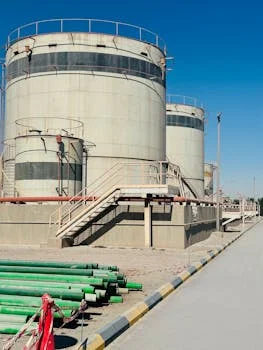
Installation and civil works can add 15–25% to the equipment cost of a DAF system, particularly for non-skid units requiring extensive on-site assembly and foundational work. Several hidden costs inflate the total cost of ownership beyond the sticker price. Ignoring them leads to budget overruns and inaccurate ROI projections.
Chemical dosing integration sits first on that list. A dedicated PLC-controlled chemical dosing system supplying coagulants and flocculants can add $4,000–$12,000 to the overall project cost, depending on automation level and feed rate requirements (based on HydropureWater Automatic Chemical Dosing System specs). The scope covers pumps, tanks, mixers, and control systems, all essential for effective contaminant removal.
Energy is the recurring cost buyers most often underestimate. DAF units typically consume 0.3–0.6 kWh per cubic meter of treated wastewater. For a 100 m³/h system running continuously, that is roughly $18,000 per year at $0.20/kWh (100 m³/h × 0.45 kWh/m³ × 24 h/day × 365 days × $0.20/kWh).
The recirculation pump dominates that draw. According to Sigma DAF Clarifiers' technical FAQ, the normal recirculation rate is 10–40% of the DAF operating flow, pressurized to 3–6 bar, and that pump is the system's largest energy consumer. A variable-frequency drive (VFD) on the recirculation loop is now standard on most quotes we see above 60 m³/h.
Maintenance averages 3–5% of the initial system cost per year across annual service, routine inspections, and replacement parts such as pumps, nozzles, and air compressors. Sigma's maintenance guidance is concrete: the recommended washing frequency is weekly, with a quarterly thorough washing depending on operating load. Sludge disposal, driven by solids removal efficiency, must also enter the total cost of ownership analysis. DAF helps there — its floated sludge concentrates to 3–5% versus thinner sedimentation sludge, shrinking hauling volume (Sigma DAF Clarifiers).
Used vs New DAF System ROI
Used vs new DAF system ROI splits into three routes: a refurbished unit, a new standalone machine, or a fully integrated package. Integrated DAF systems carry 20–30% higher CAPEX than standalone units but can reduce OPEX by 25% through advanced automation and optimized chemical use. Weigh capital cost, operating cost, lifespan, and discharge risk together before choosing a route.
Used DAF Systems: Lower CAPEX, Shorter Life
Used DAF systems offer an upfront saving of 30–50% compared to new units, but the saving carries risk. Used systems may lack modern controls, leading to less efficient operation and higher chemical or energy consumption. Their average lifespan post-refurbishment is typically 5–8 years, significantly shorter than the 15+ years expected from a new industrial DAF machine. Hidden maintenance costs, unexpected downtime, and difficulty sourcing spare parts can erode the initial savings, making long-term ROI questionable for critical applications.
New Standalone DAF Units
A new industrial DAF machine with 4–300 m³/h capacity offers warranty protection, contracted performance specifications, and higher energy efficiency. These systems typically achieve 92–97% TSS removal, supporting compliance with discharge regulations. The CAPEX is higher, but reliable operation, lower maintenance, and optimized performance often deliver a better total cost of ownership over the machine's lifespan.
Integrated DAF Systems (DAF + Dosing + Filtration)
Integrated DAF systems carry the highest initial CAPEX of the three routes. These packages combine the flotation unit with PLC-controlled chemical dosing and often a downstream plate and frame filter press. Automation across the entire treatment train optimizes chemical usage, minimizes labor, and holds effluent quality consistent, with OPEX reductions of 25% or more. The holistic approach reduces footprint, simplifies operation, and often achieves 95–98% removal with optimized dosing.
An ROI example makes the trade-off concrete: a $60,000 new DAF system with 95% uptime removes suspended solids and FOG effectively. If it saves a plant $12,000 per year in sludge disposal costs through reduced volume and improved dewaterability compared to an inefficient clarifier, payback runs approximately 5 years. That figure excludes avoided non-compliance fines and water reuse value. When evaluating price per m³/h, analyze full lifecycle costs, not the purchase price alone.
| System Type | Initial CAPEX (Relative) | Annual OPEX (Relative) | Typical Lifespan | TSS Removal Efficiency |
|---|---|---|---|---|
| Used DAF System | Low (30–50% less) | High (due to inefficiency/maintenance) | 5–8 years (post-refurbishment) | Variable (lower, 70–90%) |
| New Standalone DAF Unit | Medium | Medium (optimized for efficiency) | 15+ years | High (92–97%) |
| Integrated DAF System | High (20–30% higher) | Low (25% reduction vs. standalone) | 15+ years | Very High (95–98% with optimized dosing) |
Who This Guide Is For and the Next Step
This guide is written for plant engineers, EPC contractors, and procurement managers budgeting a dissolved air flotation package for industrial wastewater. Facilities that discharge to sewer under a trade-waste agreement with no solids limit may be fine with a simpler screen-and-trap train. Before committing, run this checklist:
- Confirmed flow range (m³/h average and peak) matched to the capacity bands above.
- Wetted-part material chosen against wastewater corrosivity (carbon steel vs SS304/SS316).
- Automation scope fixed: manual skim, PLC auto-skim, or full dosing integration.
- Installation route priced: skid-mounted vs field-erected, including civil works at 15–25%.
- Energy and chemical OPEX modeled at your own tariff, not the vendor's example.
- Used-unit risk priced in: remaining life, spares availability, controls retrofit cost.
Send your flow rate, pollutant profile, and target outlet limits for a sized proposal with a comparative quote across DAF, dosing, and dewatering packages. A same-week budget number split into machine, dosing, and installation lines keeps your project comparable against every other bid on the desk.
Frequently Asked Questions
What is the average cost of a DAF machine?
The average cost of a DAF machine in 2026 runs between $3,600 for small 4–50 m³/h units and $175,000 for large industrial systems, with most mid-size industrial orders landing between $18,000 and $68,000. Capacity, tank material, automation level, and dosing integration set the final figure. Treat any quote without an installation and commissioning line as incomplete.
How much does a 100 m³/h DAF system cost?
A new 100 m³/h DAF system typically costs $52,000–$68,000 with full automation and stainless steel construction, placing it in the medium 60–150 m³/h band. Chemical dosing integration commonly adds $4,000–$12,000, and installation typically adds 15–25%. Budget the full installed scope, not the ex-works machine price, before comparing vendors.
Are used DAF machines worth it?
Used DAF machines are worth it when downtime risk is low and spares remain available. They save 30–50% upfront versus new units, but may lack modern controls, run at reduced efficiency (70–90% TSS removal is typical), and carry higher maintenance costs. For critical discharge points, the 5–8 year post-refurbishment lifespan usually makes a new unit the better lifecycle choice.
What is included in a complete DAF system?
A complete DAF system includes a flotation tank, air dissolution unit, recirculation pump, skimmer mechanism, and sludge discharge arrangement, with optional chemical dosing and PLC control systems. Skid-mounted packages add factory piping, valves, and pre-delivery testing. Confirm which items sit inside the quoted price, because dosing alone commonly adds $4,000–$12,000.
How does DAF compare to IAF in cost?
DAF systems are generally 15–25% more expensive than induced air flotation (IAF) systems, but they often provide 20–30% better solids removal. In IAF, the bubbles may be generated by an impeller, eductors or a sparger (Wikipedia, Induced gas flotation), which costs less to build but attaches to fine solids less evenly than dissolved-air micro-bubbles. Choose IAF for rough oil removal and DAF where discharge limits are tight.
Further Reading
Explore these in-depth articles on related wastewater treatment topics: