DAF systems generate 20–80 micron bubbles via pressurized air dissolution, achieving 90–98% TSS and FOG removal at 4–6 m³/m²/h loading rates, while IAF produces 50–100 micron bubbles using mechanical agitation or spargers, with lower efficiency (70–85%) but no need for recycle pumps. DAF excels in high-load food and petrochemical applications; IAF suits low-chemical, low-headspace scenarios.
What Are DAF and IAF in Wastewater Treatment?
Dissolved Air Flotation (DAF) and Induced Air Flotation (IAF) serve as primary clarification stages in industrial wastewater treatment, differing in bubble generation methods and separation performance. Both systems use buoyancy to float suspended solids, fats, oils, and grease (FOG) for mechanical skimming. The method of air introduction determines their effectiveness for specific wastewater profiles and effluent requirements.
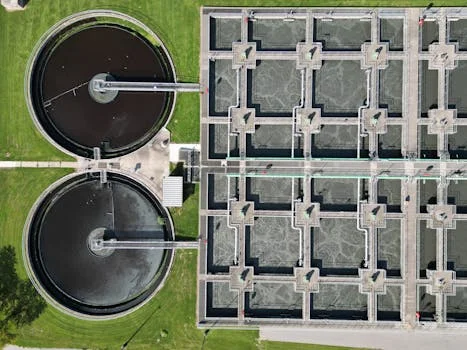
Dissolved Air Flotation (DAF) dissolves air into a portion of clarified effluent (the recycle stream) under high pressure, typically 3 to 6 bar. When this pressurized stream is released into the flotation tank through nozzles, the sudden pressure drop causes air to come out of solution as microbubbles, 20 to 80 μm in diameter. These microbubbles attach to chemical flocs, reducing their density and promoting rapid surface flotation.
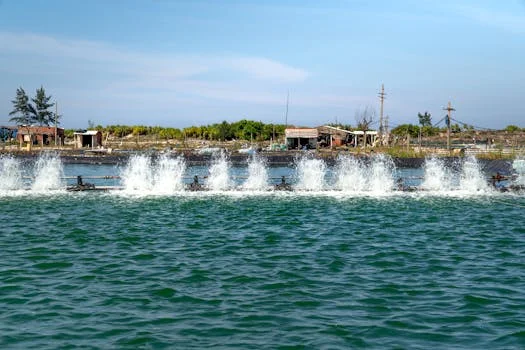
Induced Air Flotation (IAF) introduces air through mechanical means, such as high-speed impellers, submerged rotors, or venturi spargers. This process does not dissolve air but relies on agitation or cavitation to disperse air into the liquid, producing larger bubbles—typically 50 to 100 μm. While DAF is the standard for high-efficiency industrial FOG removal in food processing, pulp and paper, and metalworking, IAF is typically used in niche applications where energy use or equipment footprint is prioritized over removal efficiency.
How Bubble Size and Generation Affect Performance
Bubble diameter directly influences rise velocity and collision frequency in flotation, with microbubbles offering superior particulate capture compared to larger bubbles. Flotation efficiency depends on the surface area-to-volume ratio of air bubbles. Smaller bubbles provide more surface area per unit volume, increasing the likelihood of contact with suspended solids or oil droplets.
In DAF systems, 20–80 μm bubbles create a high density of attachment sites for flocs. Their slow, gentle rise minimizes shearing of fragile chemical flocs, preserving the integrity of the surface sludge blanket. According to EPA guidelines, the optimal bubble-to-floc ratio is 1:1 to 2:1; DAF maintains this ratio consistently across variable flows because bubble size is controlled by the pressure differential in the saturation tank.
IAF bubbles, at 50–100 μm or larger, rise more quickly, often causing turbulent flotation that can break apart flocs before they reach the surface. Larger bubbles also have less surface area per volume of air, requiring more air to achieve equivalent contact. This reduces removal efficiency for fine particles and emulsified oils, limiting IAF’s ability to produce high-clarity effluent.
Performance Comparison: Removal Efficiency and Loading Rates
Industrial benchmarks show DAF systems consistently achieve Total Suspended Solids (TSS) removal above 90% at hydraulic loading rates of 4–6 m³/m²/h due to uniform microbubble distribution. IAF typically achieves 70–85% removal under similar conditions and may require longer retention times to compensate for less efficient bubble-floc interaction.
Loading rates are critical for sizing new systems. DAF units handle solids loading rates of 3–5 kg/m²/h, making them suitable for high-load applications like slaughterhouse or refinery wastewater. IAF systems are more sensitive to high oil concentrations; increased oil loads can cause droplets to coalesce and sink rather than float, a condition known as "carry-over."
| Performance Metric | Dissolved Air Flotation (DAF) | Induced Air Flotation (IAF) |
|---|---|---|
| Bubble Size (μm) | 20 – 80 | 50 – 100+ |
| TSS Removal Efficiency | 90% – 98% | 70% – 85% |
| FOG Removal Efficiency | 95% – 99% | 75% – 90% |
| Hydraulic Loading Rate | 4 – 6 m³/m²/h | 2 – 4 m³/m²/h |
| Retention Time | 20 – 30 minutes | 30 – 45 minutes |
| Recycle Flow Rate | 15% – 30% | 0% – 10% |
DAF systems also adapt better to variable influent chemistry. By adjusting saturation pressure and recycle ratio, operators can fine-tune a high-efficiency DAF system for industrial wastewater to respond to TSS spikes. IAF systems, with fixed-speed mechanical components, offer limited flexibility when wastewater characteristics fluctuate (HydropureWater field data, 2025).
Energy, Chemical, and Space Requirements
Flotation system operating costs are largely influenced by air delivery energy, where DAF’s pressurized recycle stream consumes more power than IAF’s mechanical agitation. Standard DAF systems use high-pressure pumps (3–5 bar) and compressors, consuming 15–30 kWh per 1,000 m³ of treated water. IAF systems, without a pressurized recycle loop, use 8–15 kWh per 1,000 m³, making them more energy-efficient.
Energy is only one component of Total Cost of Ownership (TCO). IAF systems often require more chemicals because inefficient bubble generation demands larger, denser flocs for attachment. DAF systems can reduce polymer and coagulant use by 20–30% compared to IAF or conventional clarifiers, as microbubbles effectively capture smaller flocs. These chemical savings can offset higher energy costs in high-volume operations.
IAF systems typically have a smaller footprint because they lack external saturation tanks and complex recycle piping. This makes IAF suitable for retrofits in facilities with limited space. DAF units require additional area for saturation equipment, though higher hydraulic loading rates can allow for a smaller flotation tank at equivalent throughput.
When to Choose DAF vs IAF: Industry-Specific Guidance
The choice between DAF and IAF depends on emulsified oil levels and solid density in the influent. In food and beverage manufacturing—especially dairy, meatpacking, and snack production—wastewater contains high FOG levels requiring removal to meet discharge limits. For these cases, DAF is the industry standard, delivering 95%+ oil removal to avoid surcharges. Many plants choose to compare packaged vs. conventional treatment systems when integrating DAF into high-load environments.
Petrochemical facilities also prefer DAF for breaking emulsified oils. The microbubbles penetrate oil-water emulsions that larger IAF bubbles cannot effectively engage. In contrast, textile operations processing large volumes of water with fine fibers but low organic loads may use IAF. When only moderate TSS reduction (e.g., <100 mg/L) is needed and space is limited, IAF’s lower CAPEX and energy use may be advantageous.
Municipal plants rarely use IAF for primary treatment or sludge thickening due to its inability to match DAF’s solids concentration. DAF typically produces floated sludge with 3–5% solids content, while IAF sludge is wetter and more voluminous, increasing downstream dewatering costs. For facilities facing high sludge disposal fees, DAF’s superior thickening performance delivers faster ROI.
Decision Framework: DAF or IAF for Your Application?
Selecting flotation technology requires balancing effluent quality targets with space and long-term energy costs. To determine the best system for your facility, assess your influent against these thresholds:
- Influent Concentration: If TSS exceeds 500 mg/L or FOG exceeds 200 mg/L, DAF is the only reliable option for consistent compliance.
- Effluent Standards: If regulations require >90% contaminant removal, IAF’s 70–85% efficiency may result in non-compliance.
- Operational Consistency: For plants with flow surges or chemical variability, a DAF system equipped to automate your DAF system with PLC control offers better stability than IAF.
- Resource Constraints: If energy costs exceed $0.15/kWh and removal targets are modest (e.g., pre-treatment before a lagoon), IAF may be viable.
For precise chemical control, pairing an automatic chemical dosing system with a DAF unit maintains optimal bubble-to-floc ratios despite influent fluctuations. Prior to procurement, conduct bench-scale jar tests or pilot trials. Measuring skimmings volume and subnatant clarity using a 10% polymer dosage trial provides empirical data to justify DAF CAPEX over IAF.
Frequently Asked Questions
What is the difference between induced air flotation and DAF?
The key difference is bubble generation and size. DAF dissolves air under pressure to create microbubbles (20–80 μm) for high-efficiency separation. IAF uses mechanical agitation to produce larger bubbles (50–100 μm), which results in lower removal rates but reduced energy use.
Is DAF better than IAF?
For most industrial applications, yes. DAF achieves higher removal efficiencies (90–98% vs. 70–85%) and handles variable loads more effectively. IAF is only preferable in niche cases where energy savings outweigh effluent quality needs.
Can IAF replace DAF in a food processing plant?
Rarely. Food processing wastewater typically contains high FOG and TSS levels requiring the microbubble attachment efficiency of DAF to meet discharge permits. IAF often fails to remove emulsified fats to regulatory standards.
How much does a DAF system cost compared to IAF?
DAF systems generally have a 10–20% higher CAPEX than IAF due to saturation tanks, compressors, and high-pressure pumps. However, DAF often has a lower TCO because of reduced chemical use and lower sludge disposal costs.
What are the maintenance requirements for DAF vs IAF?
DAF systems require maintenance on high-pressure pumps and pressure-release valves critical for bubble control. IAF systems need regular inspection of impellers or rotors, which are prone to wear and fouling in high-solids environments.