What Fabricated Metals Wastewater in Santa Ana Actually Looks Like
A typical Santa Ana job shop, stamping line, or machining cell produces a wastewater stream that mixes free and emulsified oils from cutting fluids and stamping lubricants, suspended swarf and grinding dust, and dissolved heavy metals — most commonly chromium, nickel, copper, and zinc — coming off plating and rinse lines, with occasional cyanide present in passivation shops. The matrix is not steady: plating rinse dumps arrive as slug loads when batch parts leave a tank, while machining sumps deliver a continuous, low-flow stream of emulsified oil. Temperature swings between 25°C and 45°C across day and night shifts shift the oil-in-water equilibrium, and pH excursions between 5.5 and 9.0 are routine in small shops without tight chemistry control. That combination — variable flow, emulsified oil, and dissolved metals — is the operating envelope any primary clarifier has to survive in, and it is the lens for the rest of this comparison.
Discharge from these facilities routes to the Orange County Sanitation District (OCSD) or to a Santa Ana Watershed Project Authority (SAWPA)–branded POTW, and local limits on copper, zinc, nickel, and total chrome are typically tighter than the federal categorical standards a vendor datasheet will quote. Oil and grease limits commonly sit in the 100–200 mg/L range, and metals limits in the 1–5 mg/L range — numbers that define what "primary clarification" actually has to deliver.
How a DAF System Works in a Metals Plant
A dissolved air flotation (DAF) unit clarifies wastewater by attaching micro-bubbles to contaminants and floating them to the surface, where a skimmer removes the thickened layer. The mechanism is straightforward: a side stream of clarified water is pressurized to 60–80 psig in a saturation tank with dissolved air, then released through a relief valve into the main flotation cell. The pressure drop nucleates a cloud of 20–40 micron bubbles — the DAF Corp Micro Bubble Generator spec — that attach to oil droplets and metal hydroxide floc and carry them upward.
That bubble size is the reason DAF wins on fabricated metals streams. Conventional settling relies on Stokes' law and gravity alone; a 20-micron oil droplet rises too slowly to be captured in a reasonable clarifier residence time. A 20–40 micron air bubble, by contrast, has enough buoyancy to lift that droplet in seconds. The practical result, per DAF Corp's FC Maximizer line, is 92–98% total suspended solids (TSS) removal on round units and 85–90% on rectangular RC UniMax units, with effluent TSS consistently below 20 ppm and float thickened to 2–4% solids.
Pre-DAF chemistry is standard for a metals plant: pH adjustment to 8.5–9.5 for hydroxide precipitation of the dissolved metals, a coagulant dose (ferric chloride or alum at 50–150 mg/L is typical), and a cationic polyacrylamide flocculant at 1–5 mg/L to bind micro-floc into floatable pin floc. Without that chemistry train, a DAF unit on a metals stream will underperform its rated removal by 15–25 percentage points.
How a Conventional Clarifier Works — and Where It Falls Short
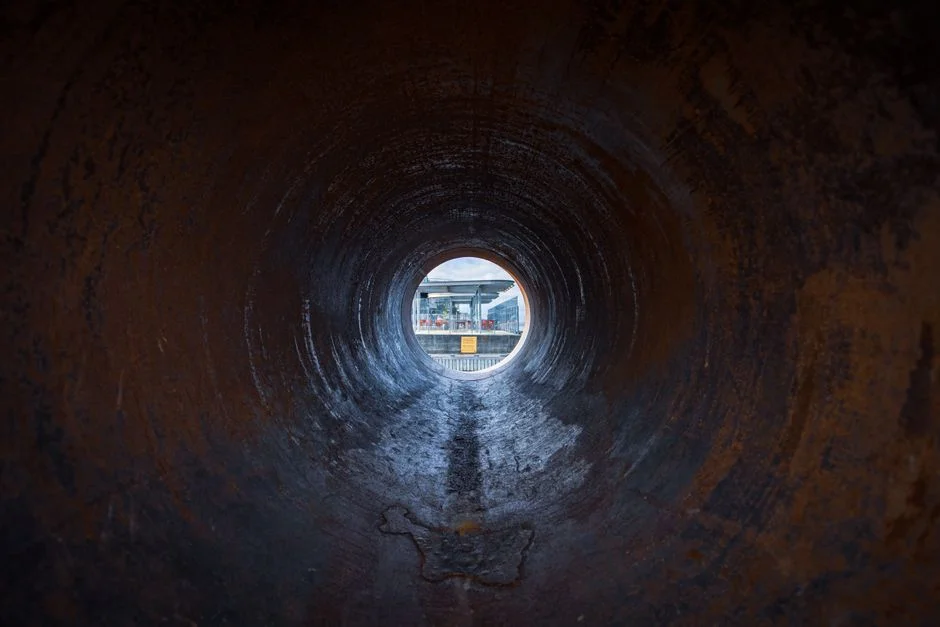
A conventional clarifier in this context is a gravity-settling tank — circular, rectangular, or fitted with inclined lamella plates — where denser solids drop to a sludge hopper and clarified water overflows a peripheral or outlet weir. Lamella designs compress the equivalent settling area into a small footprint by stacking inclined plates at 55–60°, achieving surface loading rates of 20–40 m³/m²·h, which is why a high-efficiency lamella clarifier fits where a traditional circular clarifier cannot.
The ceiling on metals streams is real: 50–70% TSS removal when the influent is dominated by settleable swarf, and substantially less — often 20–40% — when the stream carries emulsified oil, because oil droplets do not settle. They rise, but slowly, and the upward velocity rarely matches the clarifier's upward overflow rate, so they escape over the weir. That is the structural limitation no plate pack can fix; it is a chemistry problem, not a hydraulic one. A lamella clarifier earns its place as a polish step after DAF, as a thickener for already-settled swarf, or in a low-oil grinding shop where the discharge permit is lenient on oil and grease.
Side-by-Side: DAF vs Clarifier for Fabricated Metals
The table below summarizes the metrics that matter when a Santa Ana fabricator is selecting primary clarification. Numbers are drawn from vendor specifications and standard metals-plant operating ranges, not from a single project.
| Parameter | Round DAF (e.g., DAF Corp FC Maximizer) | Rectangular DAF (e.g., DAF Corp RC UniMax) | Conventional / Lamella Clarifier |
|---|---|---|---|
| TSS removal | 92–98% | 85–90% | 50–70% (lower on oily streams) |
| Oil / FOG capture | Excellent — designed for FOG | Excellent — designed for FOG | Poor on emulsified oil |
| Flow range (packaged skid) | 48–450 GPM (skid); up to 11,000 GPM engineered | 10–1,000 GPM | Scales across similar flow bands; chemistry-limited |
| Sludge consistency | 2–4% thickened float | 2–4% thickened float | 1–2% settled underflow |
| Effluent TSS target | < 20 ppm achievable | < 30 ppm typical | 30–80 ppm typical on metals streams |
| Footprint per 100–450 GPM module | Aeration skid ~6 ft × 4 ft × 6 ft tall plus tank | Larger plan area, lower height | Compact with lamella plates; taller tank depth required |
| Chemical demand | pH adjust + coagulant + flocculant standard | Same | Often flocculant only; coagulant if polishing |
| Operator skill | Moderate — chemistry + skimmer adjustment | Moderate | Low for settling; higher for lamella plate fouling |
| Best-fit use case | Oily, variable-flow fabricated metals streams | Same chemistry, space-constrained sites | Low-oil swarf settling; polish after DAF |
The headline gap is the TSS row combined with the oil row: a 92–98% DAF versus a 50–70% clarifier, and the clarifier's collapse on emulsified oil, is the difference between meeting a 100 mg/L TSS / 100 mg/L oil and grease limit on the first pass versus sending a non-compliant stream to the POTW. For a closer look at packaged DAF hardware built for this duty class, the dissolved air flotation system is a representative skid-mounted design.
Santa Ana Permit and Chemistry Reality in 2026
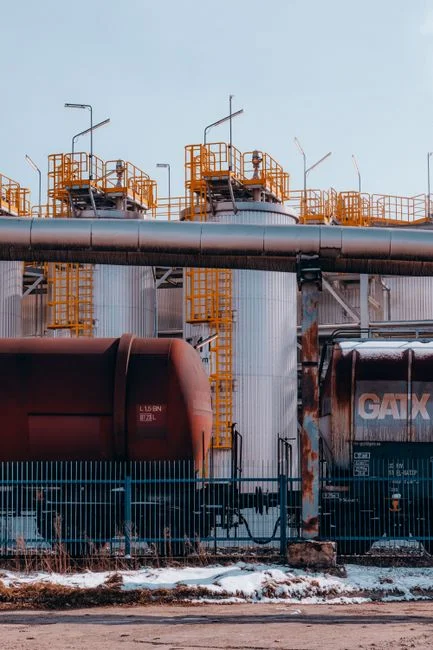
The compliance chain for a Santa Ana fabricator runs: industrial user → OCSD (or relevant POTW) pretreatment program → state-level Sanitary Sewer Order. Local limits are published in OCSD's pretreatment manual and are periodically updated; metals limits on Cu, Zn, Ni, total Cr, and Pb typically fall in the 1–5 mg/L range, with oil and grease at 100–200 mg/L, both tighter than federal categorical standards. DAF alone rarely meets the metals number — hydroxide precipitation of the dissolved metals is required either before or after the flotation step, depending on whether the target metals are already in particulate form or dissolved in the influent.
Hexavalent chromium warrants a separate flag. Hex chrome must be reduced to trivalent chrome under acidic, reducing conditions (typically with sodium metabisulfite or ferrous sulfate at pH 2.0–3.0) before it can be precipitated as Cr(OH)₃ at pH 8.5–9.5. That sequencing determines whether the DAF unit sits upstream of the reduction tank (capturing oils and particulates first) or downstream (floating the precipitated metal floc). In 2026, California POTW pretreatment programs are also tightening limits on zinc and beginning to add PFAS parameters; an engineer should confirm current local limits with their POTW before final equipment sizing, because a 2024 datasheet is no longer a defensible reference. A broader California POTW compliance and cost overview is worth reading alongside any local limit confirmation.
CAPEX and OPEX: What a Santa Ana Fabricator Should Budget
Order-of-magnitude CAPEX for a packaged 50–100 GPM DAF skid lands in the low six figures USD (USD 150,000–350,000 for a complete system with chemistry feed, controls, and install), while an engineered 300+ GPM unit moves into the mid-six figures (USD 400,000–900,000+). A lamella clarifier of equivalent hydraulic capacity is meaningfully cheaper upfront — typically 40–60% of a comparable DAF install — but it does not solve the emulsified oil problem, so the apparent savings evaporate when the permit limit is missed.
OPEX is dominated by energy and chemistry. On a DAF unit, the recycle pump and aeration pump (a Sulzer-style pump in VanAire's standard configuration) draw the bulk of the connected load; coagulant and cationic flocculant doses drive the chemical line. On a clarifier, OPEX is mostly sludge hauling and any polymer used ahead of the lamella pack. The sludge handling delta is material: DAF float at 2–4% solids (per DAF Corp) versus clarifier underflow at 1–2% means roughly half the hauling volume and tonnage for the same captured contaminant load, which can swing annual disposal cost by USD 20,000–80,000 for a 200 GPM shop. Mobile DAF rental is a legitimate 2026 option for pilot testing, plant shutdowns, or short-term capacity gaps; WesTech cites single-day deployment on a 47'-6" to 51'-7" trailer footprint.
| Cost line | Packaged DAF (50–100 GPM) | Engineered DAF (300+ GPM) | Lamella Clarifier (matched flow) |
|---|---|---|---|
| CAPEX (order of magnitude) | USD 150K–350K | USD 400K–900K+ | USD 60K–250K |
| Primary energy draw | Recycle + aeration pump | Recycle + aeration pump (larger) | Sludge pump only |
| Chemical OPEX | Coagulant + flocculant + pH adjust | Same, scaled | Flocculant only (typically) |
| Sludge consistency | 2–4% float | 2–4% float | 1–2% underflow |
| Solves emulsified oil? | Yes | Yes | No |
| 2026 rental option? | Yes (mobile DAF trailer) | Larger mobile units available | Not standard |
Decision Rule: When to Pick DAF, Clarifier, or Both
The decision is shorter than it looks once the chemistry is fixed. Pick DAF as the primary clarifier if the stream carries free or emulsified oil, if flow varies with batch rinse dumps, or if discharge TSS has to land consistently below 100 mg/L — that covers the majority of Santa Ana fabricated metals shops in 2026. Pick a lamella clarifier as the primary only when the stream is genuinely low-oil (a dedicated grinding swarf settling tank, for example) and the local permit is lenient on oil and grease. Pick DAF followed by a lamella in series when metals precipitation produces a fine floc that benefits from a polishing stage, when footprint forces a compact DAF plus a small lamella for redundancy, or when a particularly tight metals limit requires a second-stage solids capture to keep precipitate from carrying over.
The practical floor is this: a fabricated metals shop in 2026 should not rely on a clarifier alone for compliance. The combination of emulsified oil, dissolved metals, and tightening California pretreatment limits almost always forces a flotation step into the train, and the only real choice is whether it sits at the head of the works or behind a pre-DAF chemistry stage. For a parallel read on how peer facilities have sequenced this, the fabricated metals pretreatment compliance guide walks through a working flow sheet.
Frequently Asked Questions
What TSS removal can a Santa Ana fabricator realistically expect from a round DAF on a mixed oily / metals stream?
92–98% TSS removal is the published range for round DAF units such as DAF Corp's FC Maximizer, with effluent TSS below 20 ppm achievable when influent is below 2,000 ppm and the chemistry train (pH 8.5–9.5, coagulant, cationic flocculant) is dialed in. Anything materially below 85% on a metals stream usually points to a chemistry or hydraulic problem, not the DAF itself.
Can a lamella clarifier replace DAF if the shop adds an oil-water separator upstream?
An oil-water separator removes only free oil that readily separates by gravity; emulsified oil and fine metal hydroxide floc still pass through. On a typical Santa Ana machining or stamping stream, that means the lamella still faces the same 20–40% TSS ceiling on the residual load. An upstream separator helps DAF and helps a lamella, but it does not turn a lamella into a DAF.
Where does hexavalent chromium reduction fit relative to the DAF unit?
Hex chrome is reduced to trivalent chrome under acidic conditions (pH 2.0–3.0) and then precipitated at pH 8.5–9.5. Most Santa Ana flow sheets place the DAF unit after reduction and precipitation so the float captures the metal hydroxide floc; placing DAF upstream of reduction works only when the influent oil and particulate load is the binding constraint, which is uncommon in plating-heavy shops.
Is mobile DAF rental viable for a 2026 pilot in Santa Ana?
Yes. Mobile DAF trailers from vendors such as WesTech can be delivered and brought online within a single day on a 47'-6" to 51'-7" trailer footprint, with no permanent foundation required. For a 4–12 week pilot or a plant shutdown window, rental CAPEX is typically a fraction of a permanent install and lets the shop validate removal numbers against actual OCSD local limits before committing.