Why Hospital Wastewater in Canada Cannot Be Treated Like Municipal Sewage
Hospital wastewater carries a contaminant load that municipal plants were never designed to handle: pharmaceutical residues in the µg/L range, radionuclides from imaging and therapy suites, chemical disinfectants, and antibiotic-resistant bacteria and viruses shed from patient care areas. A 2015 Edmonton study by Qiu et al. confirmed human norovirus in wastewater-plant effluents downstream of hospital inputs, demonstrating a direct public-health exposure path that municipal secondary treatment does not interrupt. The WHO's safe management of healthcare waste framework explicitly prohibits direct discharge of harmful liquids and chemical waste to municipal sewers without pretreatment, and Canadian provincial acts echo that prohibition.
Typical Canadian hospital influent runs at BOD5 150–300 mg/L, COD 250–600 mg/L, and fecal coliform 10⁶–10⁸ CFU/100 mL. A Chlorella sp. LH2 study (Bioresources and Bioprocessing, 2024) measured BOD5 192 ± 8.62 mg/L and COD 245 ± 9.15 mg/L in untreated hospital feed, with a BOD5:COD ratio of 0.77 indicating high biodegradability but also a high putrescible load. Add to that diclofenac, carbamazepine, and ¹⁸F-traced imaging water, and the case for a dedicated, monitored train becomes engineering-evident rather than regulatory theatre.
Canadian Regulatory Stack Governing Hospital Effluent in 2026
Discharge compliance in Canada is layered: federal guidance sits on top, provincial acts sit in the middle, and municipal sewer-use by-laws sit at the bottom — the design must satisfy whichever of those three layers is strictest for any given parameter. The federal layer starts with the CCME municipal wastewater strategy and Health Canada guidance on pharmaceuticals in source water, plus Fisheries Act Section 36(3) prohibitions on deleterious discharge to fish-bearing waters. Provinces then translate those into acts and regulations, and municipal sewer-use by-laws (Toronto, Ottawa, Hamilton, Metro Vancouver, CMM in Quebec) add a final set of local limits.
| Province | Primary Act | Key Regulation / Code | Local Layer |
|---|---|---|---|
| Federal | Fisheries Act, CEPA | CCME National Performance Standards, Health Canada guidance | — |
| Ontario | Environmental Protection Act | O. Reg. 316/03 (sanitary sewage), O. Reg. 561/94 (nutrients) | Toronto, Ottawa, Hamilton sewer-use by-laws |
| British Columbia | Environmental Management Act | Municipal Sewage Regulation (MSR) effluent quality standards | Metro Vancouver sewer-use by-law |
| Alberta | Environmental Protection and Enhancement Act (EPEA) | Code of Practice for Wastewater Systems (Standards and Guidelines) | EPCOR, Calgary sewer by-laws |
| Quebec | Loi sur la qualité de l'environnement | MELCCFP authorization, CMM/ROMAQ guidelines | CMM and municipal sewer by-laws |
Ontario's O. Reg. 316/03 governs sanitary sewage discharge to municipal sewers, including BOD5, TSS, total phosphorus, total residual chlorine, and pH limits. British Columbia's MSR sets effluent quality for plants discharging to the environment, with categorical standards. Alberta's Code of Practice for Wastewater Systems using a Code of Practice (rather than formal approval) is permitted up to a defined design capacity; above that, full EPEA approval is required. Quebec operates under MELCCFP authorizations, and any plant discharging to a municipal sewer must also clear CMM/ROMAQ limits. The engineer should design to max(strictest provincial effluent limit, municipal by-law limit) for every parameter.
Effluent Quality Targets a Canadian Hospital Must Hit in 2026
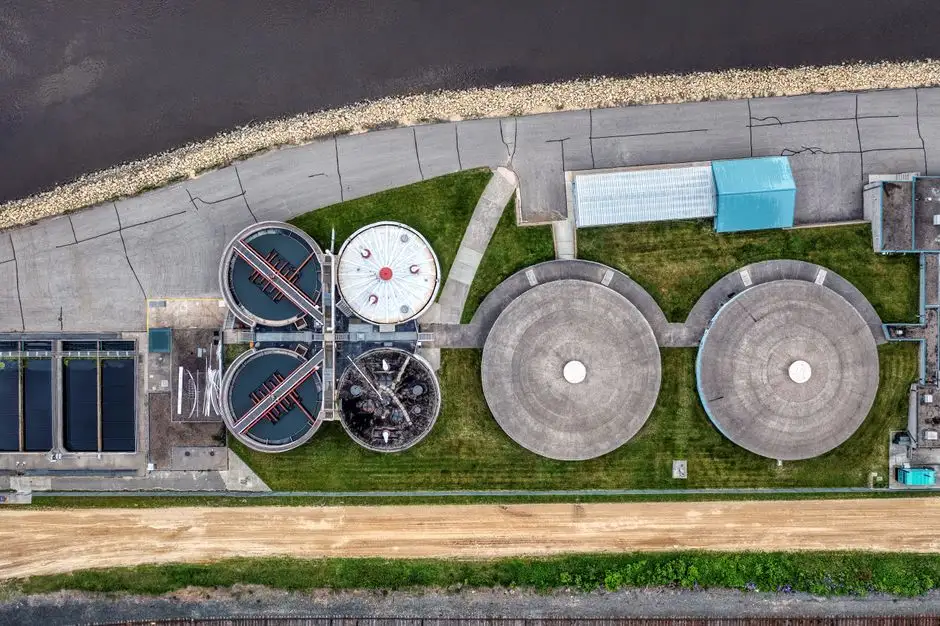
A 2026 design basis for a Canadian hospital typically targets BOD5 ≤25 mg/L, TSS ≤10 mg/L, NH3-N ≤5 mg/L after nitrification, total phosphorus ≤1 mg/L via chemical precipitation, total coliform ≤200 CFU/100 mL after disinfection, and pH 6.5–8.5. The Chlorella sp. LH2 study (Bioresources and Bioprocessing, 2024) showed BOD5 dropping from 192 mg/L to 23.91 mg/L and COD from 245 mg/L to 47.31 mg/L using a biological stage alone, which is the achievable lower bound for a well-tuned MBR; full trains routinely beat those numbers.
| Parameter | Typical Hospital Influent | 2026 Design Effluent Target | Driver |
|---|---|---|---|
| BOD5 | 150–300 mg/L | ≤25 mg/L | CCME / O. Reg. 316/03 / MSR |
| TSS | 100–400 mg/L | ≤10 mg/L | O. Reg. 316/03 / MSR |
| NH3-N | 20–60 mg/L | ≤5 mg/L (winter) / ≤10 mg/L (summer) | Municipal by-laws, Alberta Code of Practice |
| Total Phosphorus | 5–15 mg/L | ≤1 mg/L | O. Reg. 561/94, CMM |
| Total Residual Chlorine | — | ≤0.02 mg/L (dechlor before discharge) | O. Reg. 316/03, Fisheries Act |
| Fecal Coliform | 10⁶–10⁸ CFU/100 mL | ≤200 CFU/100 mL (≤2.2 E. coli / 100 mL where reuse) | CCME, Health Canada |
| Pharmaceutical residues (e.g., carbamazepine, diclofenac) | µg/L range | ≥80% removal; permeate ≤ LOD where RO used | Health Canada guidance, MSR |
| integrated MBR system | Sized per 1.0–1.5 m³/bed/day with peak factor 2.5–3.0 | ||
Micropollutants and pharmaceutical residues are not in standard BOD/TSS tables but drive the advanced-treatment decision: when the discharge path is to a sensitive watershed or when reuse is contemplated, RO polishing is no longer optional. For RO permeate, targets tighten to BOD5 ≤5 mg/L, total nitrogen ≤10 mg/L, and conductivity ≤500 µS/cm.
Process Train Comparison: CAS, MBR, and MBR + RO for Canadian Hospitals
Three credible trains exist for a Canadian hospital in 2026, and the choice depends on footprint, effluent quality, and operator skill rather than on vendor positioning. Conventional activated sludge (CAS) is the lowest-CAPEX option but requires the largest footprint and produces effluent BOD5 20–30 mg/L and TSS 20–30 mg/L, which usually does not meet the coliform <200 CFU/100 mL target without a polishing disinfection step and is sensitive to toxic pharmaceutical slug loads common in oncology and radiology drains. A submerged MBR with 0.1–0.4 µm PVDF membranes delivers BOD5 <10 mg/L and TSS <5 mg/L at roughly 60% of the CAS footprint, with higher OPEX driven by membrane aeration and periodic clean-in-place (CIP) cycles. MBR + RO polish becomes the right answer when pharmaceutical residues or endocrine disruptors must be controlled for reuse or sensitive discharge, with RO recovery typically 70–85% for hospital feed and permeate approaching reuse quality.
| Train | BOD5 Effluent | TSS Effluent | Footprint (relative) | OPEX (CAD/m³) | Typical Hospital Fit |
|---|---|---|---|---|---|
| CAS + ClO2 | 20–30 mg/L | 20–30 mg/L | 1.0× (baseline) | $0.25–$0.45 | Large site >500 beds, low pharmaceutical load |
| MBR (PVDF, 0.1 µm) + ClO2 | <10 mg/L | <5 mg/L | ~0.4× | $0.45–$0.85 | 50–800 bed acute, oncology, retrofits |
| MBR + RO polish + ClO2 | <5 mg/L | <1 mg/L | ~0.5× (RO adds 10–15%) | $0.85–$1.40 | Reuse, sensitive watershed, research/teaching hospitals |
HydropureWater's integrated MBR system covers 10–2,000 m³/day and pairs with DF-series PVDF flat-sheet MBR modules for sites that need to swap cassettes without draining the tank. The industrial RO polish trains run at 95% permeate recovery in the standard skid, derated to 70–85% on real hospital feed because of fouling from organics and silica.
Disinfection Step: Why Chlorine Dioxide Is Replacing Hypochlorite in 2026
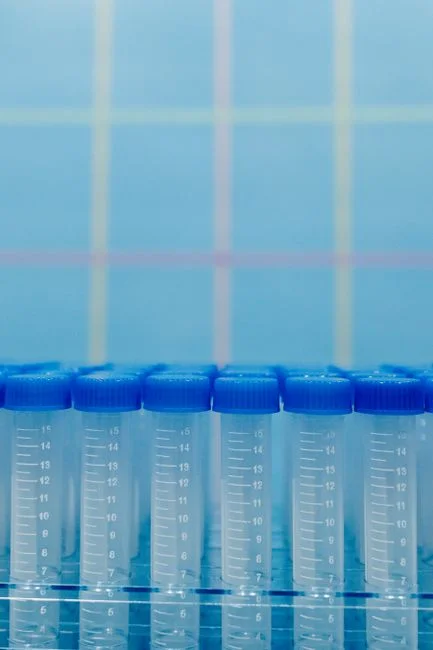
Disinfection in 2026 must hit ≥3-log virus, ≥4-log bacteria, and ≥2-log protozoa reduction per WHO and Health Canada drinking-water guidance, and Canadian sewer-use by-laws add a total residual chlorine cap of 0.02 mg/L on the discharge side. Chlorine dioxide (ClO2) is replacing sodium hypochlorite across Canadian hospital tenders for four defensible reasons: it remains biocidal across pH 4–10 (hypochlorite loses >50% HOCl activity above pH 7.5), it does not form trihalomethanes (THMs) with the pharmaceutical and contrast-media load typical of hospital feed, it carries 2.5× the oxidation potential of hypochlorite on a molar basis, and the residual persists through the long outfall runs common to large hospital sites. The chlorine dioxide generator covers 50 g/h to 20,000 g/h, scales from a 50-bed rural hospital to a 1,000-bed tertiary centre, and meets EPA, EU Drinking Water Directive 98/83/EC, and WHO Drinking-water Guidelines thresholds for residual and by-products — relevant if the plant discharges to reuse for irrigation or cooling tower make-up.
Two practical alternatives fail the residual test: ozone has no residual, and UV alone has no residual, so both require a secondary chemical barrier (typically ClO2 or chloramine) to satisfy Canadian compliance for any outfall longer than ~2 hours of travel time.
Pre-Treatment and Sludge Handling: DAF, Lamella, and Filter Press
The pre-treatment and sludge chain is where OPEX is won or lost; under-sized headworks will shred an MBR cassette in three months. Start with a GX-series rotary bar screen at 3–6 mm aperture to strip rags, gauze, and fibres before they reach the membranes. Where hospital kitchens and laundry contribute high suspended solids and FOG, add a dissolved air flotation unit (4–300 m³/h) to float fats, oils, and grease upstream of the biological stage; this protects the MBR against surfactant shock loads from laundry and OR cleaning. A lamella clarifier as a polishing step ahead of the MBR runs at 20–40 m³/h surface loading and cuts coagulant demand 30% versus conventional settling.
Sludge dewatering typically uses a plate-and-frame filter press at 1–500 m² filtration area, producing a cake at 22–28% dry solids that meets provincial biosolids handling classes in Ontario (O. Reg. 338), BC (Organic Matter Recycling Regulation), Alberta (Standards and Guidelines for Landfills), and Quebec (Guide sur la valorisation des biosolides). The dewatering line is sized on a 0.8–1.2 kg DS/bed/day basis, and polymer dose is the dominant recurring chemical cost after ClO2 precursor.
2026 Cost Benchmarks: CAPEX, OPEX, and Per-Bed Budgeting for Canada
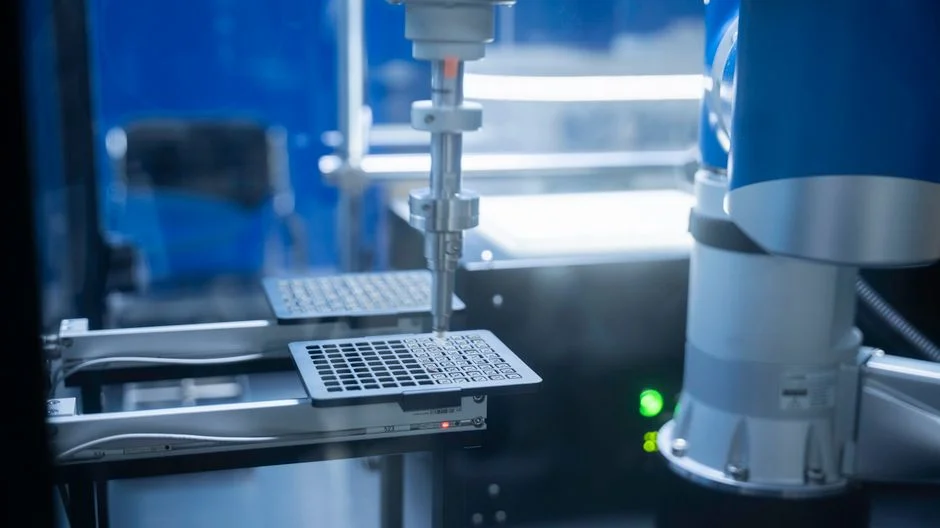
For a 2026 capital committee submission, the per-bed envelope is the number the CFO will actually ask for. Packaged MBR + ClO2 trains run CAD $25,000–$45,000 per bed; if an RO polish is added for reuse or pharmaceutical control, CAPEX rises to CAD $60,000–$95,000 per bed. OPEX sits at CAD $0.45–$0.85 per m³ treated for the MBR train, covering energy, chemicals, membrane cleaning, and ClO2 precursor; if nitrogen removal is required to <10 mg/L TN and methanol is dosed for denitrification carbon, OPEX can rise by 15–25%.
| Scenario | Beds | Avg Daily Flow (m³/d) | Train | CAPEX (CAD/bed) | OPEX (CAD/m³) | Notes |
|---|---|---|---|---|---|---|
| Rural | 50 | 50–75 | WSZ underground + MBR + ClO2 | $25,000–$32,000 | $0.55–$0.85 | Buried install saves 15–25% CAPEX vs above-grade |
| Community | 200 | 200–300 | MBR + ClO2 | $28,000–$40,000 | $0.45–$0.70 | IoT/SCADA monitoring typically cuts energy 10–18% |
| Tertiary | 500 | 500–750 | MBR + RO + ClO2 | $65,000–$95,000 | $0.85–$1.40 | RO permeate usable for cooling or irrigation |
| Academic / Research | 1,000+ | 1,000–1,500 | MBR + RO + ClO2 + reuse loop | $75,000–$110,000 | $0.95–$1.55 | Add automatic chemical dosing skid for polymer + ClO2 |
Underground package plants (WSZ underground package plant) are the lever for small rural hospitals where footprint and winter heat-loss drive cost. For OPEX discipline, an automatic chemical dosing skid tied to online TSS and flow meters typically trims polymer waste 8–12%, which compounds quickly across a 365-day operating year.
2026 Zero-Risk Equipment Checklist for Canadian Hospital Projects
A defensible procurement list for any 2026 Canadian hospital project follows seven steps, and each step should map to a specific equipment SKU before the bid goes out:
- Characterize the influent with at least 12 months of BOD5, COD, TSS, NH3-N, TP, and fecal coliform data, and audit the pharmaceutical load (contrast media, antibiotics, cytotoxics).
- Confirm the discharge path and pin down the controlling limit between provincial regulation and municipal by-law.
- Pick the primary train — CAS, MBR, or MBR + RO — using the MBR + ClO2 default for acute-care facilities and MBR + RO + ClO2 where reuse or pharmaceutical control is in scope. A medical wastewater treatment system delivers a packaged MBR + ClO2 train pre-engineered for healthcare feed.
- Size headworks with a peak factor of 2.5–3.0 over the diurnal average, starting with a GX-series rotary bar screen.
- Specify a chlorine dioxide generator with 20% redundancy and confirm THM, bromate, and chlorite compliance against EU 98/83/EC and Health Canada guidance.
- Plan sludge handling to the receiving province's biosolids class — plate-and-frame filter press to 22–28% DS is the default.
- Integrate SCADA/IoT with alarm thresholds tied to the permit envelope; expect 10–18% energy reduction on tuned plants.
Following this sequence, and pairing each step with a vetted equipment SKU, is what turns a capital submission from "we'll figure it out" into a defensible 2026 cost-and-compliance package. Request a 2026 Canada-specific CAPEX/OPEX model sized to your bed count.
Frequently Asked Questions
What regulations govern hospital wastewater discharge in Canada in 2026? The federal layer is the CCME municipal wastewater strategy and Fisheries Act Section 36(3); provinces add O. Reg. 316/03 (Ontario), MSR (BC), EPEA (Alberta), and Loi sur la qualité de l'environnement (Quebec); and municipal sewer-use by-laws add a final local limit (Toronto, Metro Vancouver, CMM, EPCOR).
What BOD5 and TSS targets must a Canadian hospital hit in 2026? BOD5 ≤25 mg/L and TSS ≤10 mg/L are the standard 2026 design targets, with NH3-N ≤5 mg/L, TP ≤1 mg/L, and fecal coliform ≤200 CFU/100 mL after disinfection.
Is MBR sufficient for hospital wastewater, or is RO required? MBR alone handles BOD5, TSS, and coliform to 2026 standards, but RO polishing is required when pharmaceutical residues or endocrine disruptors must be removed for reuse or sensitive discharge.
Why is chlorine dioxide preferred over hypochlorite for hospital disinfection in 2026? ClO2 holds biocidal activity across pH 4–10, does not form THMs with pharmaceutical load, carries 2.5× the oxidation potential of hypochlorite, and leaves a measurable residual for long hospital outfalls.
What is the 2026 CAPEX range for a packaged hospital wastewater train in Canada? Packaged MBR + ClO2 sits at CAD $25,000–$45,000 per bed; adding RO polish raises CAPEX to CAD $60,000–$95,000 per bed, with OPEX of CAD $0.45–$1.40 per m³ depending on the train.