Hospital wastewater in Benin City—exemplified by University of Benin Teaching Hospital (UBTH)—contains COD levels of 500–1,200 mg/L, BOD of 200–450 mg/L, and fecal coliforms up to 10^8 CFU/100mL, exceeding Nigerian discharge standards by 10–100×. Effective treatment requires a multi-stage system combining primary sedimentation (TSS removal ≥80%), biological oxidation (BOD reduction ≥90%), and tertiary disinfection (chlorine dioxide or ozone at 5–10 mg/L) to achieve compliance with WHO/NESREA limits (BOD ≤30 mg/L, fecal coliforms ≤1,000 CFU/100mL).
Why Benin City Hospitals Fail Wastewater Compliance: UBTH Case Study Data
Hospital effluent in Benin City, specifically from the University of Benin Teaching Hospital (UBTH), exhibits chemical oxygen demand (COD) concentrations exceeding 1,200 mg/L during peak surgical and laundry cycles, a level nearly 30 times higher than the National Environmental Standards and Regulations Enforcement Agency (NESREA) limit of 40 mg/L. Research indicates that hospital wastewater in the region is not merely "stronger" than domestic sewage; it is 5 to 15 times more ecotoxic due to the presence of pharmaceuticals, radionuclides, and heavy metals. When these untreated streams enter local drainage systems, they contribute to the proliferation of antimicrobial resistance (AMR) genes, which have been detected at significant levels in Benin City hospital drains.
The failure of local facilities to meet compliance stems from a reliance on antiquated septic tank systems that lack aerobic digestion or tertiary polishing. While the National Environmental (Sanitation and Wastes Control) Regulations (2009) mandate strict effluent limits, enforcement in Edo State has historically focused on visible solids rather than bacteriological or chemical parameters. However, increasing pressure from the Federal Ministry of Environment and international health auditors is forcing a shift toward mechanized treatment solutions. To evaluate the gap between current output and legal requirements, administrators should reference the following benchmarks derived from UBTH effluent analysis.
| Parameter | UBTH Raw Effluent (Avg) | NESREA/Nigeria Limit | WHO Global Standard |
|---|---|---|---|
| COD (mg/L) | 500 – 1,200 | ≤ 60 | ≤ 150 |
| BOD₅ (mg/L) | 200 – 450 | ≤ 30 | ≤ 30 |
| TSS (mg/L) | 150 – 300 | ≤ 30 | ≤ 35 |
| Fecal Coliforms (CFU/100mL) | 10⁶ – 10⁸ | ≤ 400 | ≤ 1,000 |
| Oil & Grease (mg/L) | 20 – 50 | ≤ 10 | ≤ 10 |
A critical failure point in Benin City hospitals is the absence of effective disinfection. While some facilities use basic chlorination, the high organic load in the wastewater often neutralizes free chlorine before it can achieve a 99.9% pathogen kill rate. the lack of primary sedimentation leads to rapid clogging of secondary treatment stages, resulting in untreated bypasses during storm events or high-flow hospital shifts.
Hospital Wastewater Treatment Stages: Engineering Specs for Benin City Facilities
Primary treatment systems for hospital wastewater must achieve at least 70% total suspended solids (TSS) removal to prevent downstream bio-fouling in secondary aerobic reactors. In the context of Benin City’s high-temperature climate, anaerobic stages can be leveraged to reduce organic loading before aerobic polishing. For facilities with limited surface area, a compact underground A/O system for hospitals with limited space provides a modular solution that integrates primary sedimentation, anoxic denitrification, and aerobic oxidation in a single buried vessel.
Secondary treatment focuses on the removal of dissolved organic matter. For hospitals targeting how EU hospitals achieve compliance with stricter discharge limits, the use of Membrane Bioreactors (MBR) is becoming the engineering standard. MBR systems combine biological degradation with membrane filtration, effectively replacing the secondary clarifier and tertiary sand filter. This is particularly effective for removing the complex pharmaceutical residues found in UBTH effluent that conventional activated sludge cannot process.
| Treatment Stage | Equipment/Method | Critical Engineering Specs | Removal Target |
|---|---|---|---|
| Pre-treatment | Rotary Bar Screens (GX Series) | 1–6 mm spacing; Automated cleaning | 95% Large Solids |
| Primary | Sedimentation / DAF | HRT: 2–4 hours; Surface loading: 20–40 m/h | 70–85% TSS |
| Secondary (A/O) | Contact Oxidation | MLSS: 3,000–5,000 mg/L; HRT: 6–12 hours | 85–95% BOD |
| Secondary (MBR) | Membrane Filtration | Flux: 15–25 LMH; Pore size: 0.03–0.1 μm | 97% COD; 99% Bacteria |
| Tertiary | On-site ClO₂ generator for hospital effluent disinfection | Dosage: 5–10 mg/L; Contact time: 30 min | 99.99% Pathogens |
| Sludge | Plate-and-frame filter press | Pressure: 0.6–1.0 MPa; Cake moisture: <75% | 80% Volume Reduction |
For hospitals managing significant kitchen or laundry facilities, the integration of dissolved air flotation (DAF) for fat and grease removal is essential. Without a DAF unit (achieving 90-95% efficiency for FOG), fats will coat the aerobic media or membranes, leading to system failure within 3-6 months. Tertiary disinfection should prioritize Chlorine Dioxide (ClO₂) or Ozone over traditional liquid bleach, as ClO₂ remains effective across a wider pH range and does not produce carcinogenic trihalomethanes (THMs) when reacting with hospital-specific organic compounds.
Equipment Comparison: MBR vs. A/O vs. DAF for Benin City Hospitals
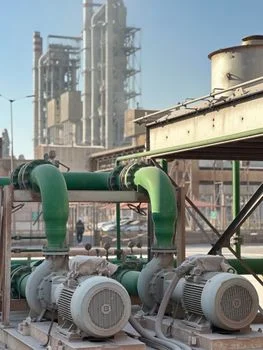
Membrane Bioreactors (MBR) offer a 60% reduction in physical footprint compared to conventional Activated Sludge (CAS) or Anoxic/Oxic (A/O) systems, making them the technical standard for urban hospitals in Benin City with limited expansion land. While the initial capital expenditure (CapEx) for MBR is approximately 40% higher than A/O systems, the effluent quality is significantly superior, often suitable for non-potable reuse in toilet flushing or landscape irrigation. This reuse capability is a vital consideration for Benin City facilities facing seasonal water scarcity.
A/O systems (Anoxic/Oxic) remain the most cost-effective solution for larger hospitals with available land for secondary clarifiers. These systems are easier to maintain for local technicians and have lower operating expenses (OPEX) regarding chemical cleaning and membrane replacement. However, for specialized clinics or maternity centers, an automated ozone disinfection system for small clinics may be the most efficient "fit-and-forget" solution, requiring minimal operator intervention while ensuring 100% compliance with bacteriological standards.
| Feature | MBR System | A/O (Integrated) | DAF (Pre-treatment) |
|---|---|---|---|
| CapEx (50 m³/day) | ₦25M – ₦45M | ₦15M – ₦30M | ₦8M – ₦20M |
| Effluent Quality | Excellent (BOD <5 mg/L) | Good (BOD <25 mg/L) | Partial (FOG removal) |
| Footprint | Very Small (Modular) | Moderate (Underground) | Small (Above ground) |
| OPEX (per m³) | ₦1,200 – ₦1,800 | ₦800 – ₦1,200 | ₦500 – ₦900 |
| Operator Skill | High (PLC/Membranes) | Medium (Mechanical) | Low (Chemical dosing) |
The decision framework for Benin City procurement managers should be based on three variables: available land, budget for monthly electricity/chemicals, and the specific discharge point. If the effluent is discharged into a public gutter or surface water (common in areas surrounding UBTH), the high-quality MBR permeate is required to avoid environmental penalties. If the hospital has an existing large-scale soakaway system, a standard A/O system integrated into a buried WSZ unit will suffice for groundwater protection.
Step-by-Step Implementation: Zero-Risk Checklist for Benin City Hospitals
A successful wastewater treatment implementation begins with a 72-hour composite sampling protocol to capture the high variability of hospital effluent flow and organic loading. Because Benin City hospitals often experience power fluctuations, the engineering design must include automated restart capabilities and surge protection for all aeration blowers and dosing pumps. Following this checklist ensures that administrators avoid the common pitfall of purchasing undersized equipment that fails during peak surgical hours.
- Step 1: Characterization & Flow Analysis: Conduct 3 days of testing for COD, BOD, TSS, and fecal coliforms. Use UBTH data as a baseline but adjust for bed count (typically 400–600 liters per bed per day in Nigeria).
- Step 2: Compliance Gap Analysis: Compare local lab results against NESREA limits. Identify if the primary challenge is organic load (BOD) or bacteriological (pathogens).
- Step 3: Site Assessment: Determine if an underground system is required for aesthetics and odor control. Assess the stability of the soil for buried concrete or FRP tanks.
- Step 4: Technology Selection: Use the comparison table above. For high-COD streams, consult advanced treatment methods for high-COD hospital effluents to determine if specialized oxidation is needed.
- Step 5: Installation & Integration: Ensure the plant is placed downstream of all hospital wings, including the laundry and morgue. Install a bypass line for emergency maintenance.
- Step 6: Commissioning & Training: Perform a 30-day "seeding" period to grow the biological sludge. Train at least two facility engineers on PLC operation and chemical dosing.
- Step 7: Ongoing Monitoring: Establish a monthly testing schedule. Maintain a logbook of power consumption and chemical usage to optimize OPEX.
For smaller facilities, a medical wastewater treatment system offers a streamlined implementation path, as these units are pre-piped and factory-tested, reducing on-site installation time to less than 72 hours. This "plug-and-play" approach minimizes disruption to hospital operations.
Cost Breakdown: 2026 CapEx and OPEX for Benin City Hospital Wastewater Plants
The total cost of ownership for a 50 m³/day hospital wastewater plant in Nigeria is dominated by chemical disinfection and aeration energy, accounting for approximately 65% of annual operating expenses. When comparing cost benchmarks for hospital wastewater plants in emerging markets, Benin City facilities face unique challenges, including the high cost of diesel for backup power and the fluctuating price of imported water treatment chemicals. To ensure a 3 to 7-year payback period, hospitals should prioritize energy-efficient blowers and automated dosing systems that prevent chemical waste.
| Expense Category | A/O System (50 m³/day) | MBR System (50 m³/day) |
|---|---|---|
| Initial CapEx | ₦18,000,000 – ₦25,000,000 | ₦30,000,000 – ₦45,000,000 |
| Annual Energy Cost | ₦2,400,000 – ₦3,500,000 | ₦4,000,000 – ₦5,500,000 |
| Annual Chemicals (Disinfection) | ₦1,200,000 – ₦1,800,000 | ₦1,000,000 – ₦1,500,000 |
| Maintenance & Parts | ₦800,000 – ₦1,200,000 | ₦2,500,000 – ₦3,500,000 |
| Sludge Disposal (Incineration) | ₦500,000 – ₦800,000 | ₦300,000 – ₦500,000 |
Return on Investment (ROI) is primarily realized through the avoidance of NESREA fines, which can reach ₦1,000,000 per violation, and the potential for water reuse. A 100-bed hospital in Benin City can save approximately ₦2,500,000 annually by recycling MBR-treated effluent for irrigation and cooling tower make-up water, rather than purchasing municipal water or pumping from deep boreholes.
Frequently Asked Questions
What are the key parameters to test in hospital wastewater? Hospitals must test for COD (Chemical Oxygen Demand), BOD₅ (Biochemical Oxygen Demand), TSS (Total Suspended Solids), Fecal Coliforms, and pH. Additionally, specialized facilities should monitor for heavy metals (mercury, silver) and specific pharmaceutical residues if they operate large oncology or surgical units.
Which agency regulates hospital wastewater in Benin City? The primary regulator is the National Environmental Standards and Regulations Enforcement Agency (NESREA). Local oversight is also provided by the Edo State Ministry of Environment and Sustainability. Compliance is measured against the National Environmental (Sanitation and Wastes Control) Regulations.
Is MBR better than A/O for a 100-bed hospital? MBR is technically superior as it produces "Class A" effluent suitable for reuse and requires significantly less space. However, if the hospital has a limited budget and ample land for an underground A/O system, the A/O system provides a more cost-effective path to basic compliance.
How much does it cost to run a disinfection system? For a typical Benin City hospital, chlorine dioxide disinfection costs between ₦200 and ₦400 per cubic meter of treated water. Ozone is more expensive to install but has lower chemical costs, though its energy consumption (0.5–1.5 kWh/m³) must be factored into the hospital’s diesel or grid power budget.