Hospital Wastewater Treatment in New Mexico USA: 2025 Engineering Guide with EPA Permits, Cost Data & Equipment Checklist
New Mexico hospitals must treat wastewater to meet EPA NPDES permit limits (e.g., BOD ≤ 30 mg/L, TSS ≤ 30 mg/L, fecal coliform ≤ 200 CFU/100mL) and state-specific pharmaceutical removal requirements. With 127 POTWs serving 1.5M residents, hospitals in Albuquerque, Santa Fe, and Las Cruces face unique compliance challenges. This guide provides 2025 engineering specs, cost data ($85K–$1.2M for turnkey systems), and a decision framework to select equipment like MBR systems or chlorine dioxide generators for EPA-compliant effluent.New Mexico Hospital Wastewater Treatment: Regulatory Landscape and EPA Compliance
The U.S. Environmental Protection Agency (EPA) issues all National Pollutant Discharge Elimination System (NPDES) permits in New Mexico, directly regulating discharges from hospitals and other facilities into U.S. waters. This direct federal oversight means hospitals must adhere strictly to federal effluent guidelines, which are often augmented by state-specific requirements to protect New Mexico’s unique environment. The New Mexico Environment Department (NMED) enforces these additional requirements, particularly concerning water quality standards and the management of wastewater facilities, as outlined in regulations such as 20 NMAC 20.7. Hospital effluent must consistently meet the EPA’s Secondary Treatment Standards, which mandate a biochemical oxygen demand (BOD) of ≤ 30 mg/L and total suspended solids (TSS) of ≤ 30 mg/L, along with disinfection limits typically set at fecal coliform ≤ 200 CFU/100mL for discharges to surface waters. For instance, the largest POTW in New Mexico, serving Albuquerque’s 564,559 residents, often requires hospitals to implement pre-treatment protocols for pharmaceuticals before discharging into the municipal sewer system to prevent accumulation in the broader wastewater stream, a requirement that aligns with NMED's broader environmental protection goals. Common compliance pitfalls for New Mexico hospitals include inadequate disinfection, leading to elevated fecal coliform counts; insufficient removal of total suspended solids and biochemical oxygen demand, which can overload downstream municipal treatment plants; and the discharge of pharmaceutical residues, which are increasingly under scrutiny by both federal and state regulators. Violations of NPDES permits can result in significant penalties, including fines up to $50,000 per day per violation, enforcement orders, and mandated system upgrades, making proactive compliance critical for hospital facility managers.| Parameter | EPA Secondary Treatment Standard | NMED/Hospital-Specific Consideration |
|---|---|---|
| BOD₅ | ≤ 30 mg/L (monthly average) | High due to organic medical waste; requires efficient biological treatment. |
| TSS | ≤ 30 mg/L (monthly average) | Elevated from patient care and laundry; requires robust solids separation. |
| Fecal Coliform | ≤ 200 CFU/100mL (monthly geometric mean) | Critical for pathogen control; requires effective disinfection. |
| Pharmaceuticals | No universal federal limit; state-specific guidance | NMED mandates pre-treatment for certain compounds; specific limits vary by permit. |
| pH | 6.0 – 9.0 S.U. | Requires careful monitoring due to chemical usage in hospitals. |
Hospital Wastewater Characteristics: Contaminants, Flow Rates, and Treatment Challenges
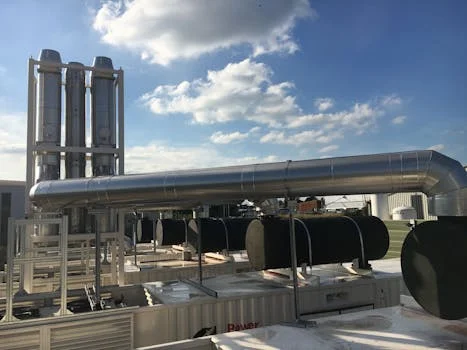
| Contaminant Category | Typical Constituents | Impact on Treatment |
|---|---|---|
| Pharmaceuticals | Antibiotics (ciprofloxacin), hormones (ethinylestradiol), analgesics (ibuprofen), cytotoxic drugs | Requires advanced oxidation, activated carbon, or specialized membrane processes for removal. Can inhibit biological treatment. |
| Pathogens | Bacteria (e.g., *E. coli*), viruses (e.g., measles, SARS-CoV-2), fungi, parasites | Demands highly effective disinfection (chlorine dioxide, ozone, UV) to prevent environmental spread. |
| Organic Matter (BOD/COD) | Blood, bodily fluids, food waste, detergents, disinfectants | High organic load requires robust biological treatment; can lead to oxygen depletion in receiving waters. |
| Suspended Solids (TSS) | Cellulose, plastics, fibers, patient waste, laboratory residues | Requires effective primary and secondary clarification; can clog pipes and reduce disinfection efficiency. |
| Heavy Metals | Mercury (dental amalgam), silver (radiology), lead (older plumbing) | Requires precipitation or ion exchange; can be toxic to biological treatment and receiving environments. |
Treatment Technologies for Hospital Wastewater: Engineering Specs and Selection Guide
Selecting the appropriate wastewater treatment technology for a New Mexico hospital requires careful consideration of effluent characteristics, regulatory demands, available footprint, and budget. Modern solutions offer high efficiency and reliability for diverse contaminant profiles. Membrane Bioreactor (MBR) systems are highly effective for hospital wastewater, combining biological treatment with membrane filtration. These systems typically employ ultrafiltration or microfiltration membranes with pore sizes around 0.1 μm, achieving superior effluent quality with greater than 99% pathogen removal and significantly lower BOD and TSS concentrations than conventional activated sludge. MBR systems offer a compact footprint, often up to 60% smaller than traditional systems, making them ideal for space-constrained urban hospitals. For hospitals seeking a high-performance MBR system for hospital wastewater with 99% pathogen removal, HydropureWater offers advanced integrated solutions. Dissolved Air Flotation (DAF) systems are particularly effective for pre-treatment of hospital wastewater with high concentrations of fats, oils, grease (FOG), and total suspended solids (TSS). DAF units typically achieve 92–97% TSS removal and operate with capacities ranging from 4–300 m³/h. They work by introducing fine air bubbles into the wastewater, which attach to solid particles, causing them to float to the surface for removal. While DAF is not a complete treatment solution for hospital effluent, it is an excellent pre-treatment step, especially where high-FOG loads from kitchens or laboratories are present, similar to the applications of DAF systems for high-solids wastewater treatment in food processing. Chlorine dioxide (ClO₂) generators provide a powerful and EPA-compliant solution for disinfection and pharmaceutical degradation in hospital effluent. Chlorine dioxide is a broad-spectrum oxidant effective against bacteria, viruses, and protozoa, achieving 99.9% disinfection efficiency. Generators can produce ClO₂ on-site, with typical outputs ranging from 50–20,000 g/h, ensuring a fresh and potent disinfectant without the risks associated with storing large quantities of chlorine gas. Its efficacy in degrading certain pharmaceutical compounds makes an EPA-compliant chlorine dioxide generator for hospital effluent a critical component for meeting NMED requirements. Ozone disinfection offers an alternative advanced oxidation process for hospital wastewater. Ozone (O₃) is a potent oxidant that achieves greater than 99% virus inactivation and effectively degrades many organic pollutants without leaving harmful chemical residuals. While ozone systems typically have higher capital costs compared to chlorine dioxide, their rapid reaction time and ability to reduce a wide range of contaminants make them a strong contender for high-purity effluent requirements. For a compact hospital wastewater treatment system with ozone disinfection, the compact medical wastewater system offers an integrated solution. The choice among these technologies involves trade-offs. MBR systems offer the highest effluent quality and smallest footprint, ideal for comprehensive treatment. DAF is best suited for targeted removal of high solids and FOG as a pre-treatment step. Chlorine dioxide provides cost-effective, highly efficient disinfection and some pharmaceutical degradation, while ozone offers superior oxidation and no residuals but at a higher initial investment.| Technology | Key Engineering Specs | Advantages | Disadvantages | Ideal Application |
|---|---|---|---|---|
| MBR Systems | 0.1 μm filtration, 99% pathogen removal, 60% smaller footprint, BOD/TSS <5 mg/L | High effluent quality, compact, suitable for reuse, stable operation | Higher capital cost, membrane fouling potential, energy consumption for aeration | Comprehensive treatment, space-limited sites, high-purity effluent for reuse |
| Dissolved Air Flotation (DAF) | 92–97% TSS removal, 4–300 m³/h capacity, micro-bubble generation | Excellent for FOG/TSS removal, rapid separation, simple operation | Requires chemical pre-treatment (coagulants/flocculants), generates sludge, not a complete solution | Pre-treatment for high FOG/TSS loads, industrial kitchens, laboratories |
| Chlorine Dioxide Generators | 99.9% disinfection efficiency, 50–20,000 g/h output, on-site generation | Effective against broad pathogens, degrades some pharmaceuticals, less corrosive than chlorine | Residuals can be toxic at high doses, requires careful dosing control, not effective against all pharmaceuticals | Primary disinfection, secondary pharmaceutical degradation, cost-effective pathogen control |
| Ozone Disinfection | 99% virus inactivation, no chemical residuals, high oxidation potential | Superior disinfection, effective against many micropollutants, no residual toxicity | High capital and operational costs, complex maintenance, requires off-gas management | Advanced disinfection, micropollutant removal, where chemical residuals are prohibited |
Cost Breakdown: Hospital Wastewater Treatment Systems in New Mexico (2025 Data)
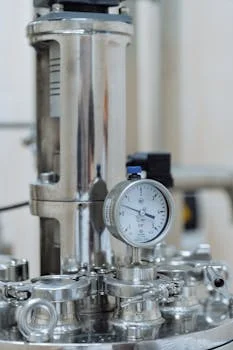
| Cost Category | Typical Range (2025) | New Mexico-Specific Impact Factors |
|---|---|---|
| Capital Costs (Turnkey System) | $85,000 – $1,200,000+ | Higher for remote sites (shipping/installation), advanced tech for reuse, complex contaminant profile. |
| Operational Costs (Annual) | $15,000 – $100,000+ | Increased chemical use for higher solids, energy for pumps/aeration, specialized maintenance for remote areas. |
| Chemicals | $5,000 – $30,000/year | Higher due to increased influent concentration, shipping costs for reagents. |
| Energy | $8,000 – $50,000/year | Pumps, blowers, UV lamps; can be higher in remote areas with less stable grids. |
| Maintenance & Labor | $2,000 – $20,000/year | Specialized technicians for advanced systems, travel costs for remote sites. |
| Permitting & Compliance Fees | $500 – $5,000/year | Varies by permit complexity and monitoring frequency. |
Step-by-Step Compliance Checklist for New Mexico Hospitals
Ensuring continuous compliance with EPA and NMED regulations for hospital wastewater treatment requires a structured, proactive approach. This checklist provides a practical framework for facility managers and environmental engineers in New Mexico.- Assess Wastewater Profile: Conduct a comprehensive analysis of hospital effluent, identifying specific contaminants (pharmaceuticals, pathogens, heavy metals), flow rates, and peak loads. This diagnostic step is foundational for selecting appropriate treatment technologies.
- Implement Pre-treatment Requirements: Establish robust pre-treatment steps to manage gross solids and pH. This typically includes screening for large debris, equalization tanks to buffer flow and concentration variations, and pH adjustment systems to ensure optimal conditions for subsequent biological or chemical processes.
- Select and Optimize Disinfection Protocols: Choose a disinfection method (e.g., chlorine dioxide, ozone, UV) capable of consistently achieving fecal coliform limits (e.g., ≤ 200 CFU/100mL). Ensure proper sizing, dosing, and contact time based on the treated effluent quality and NMED’s specific discharge requirements.
- Address Pharmaceutical Removal: Implement targeted technologies for pharmaceutical removal, such as activated carbon adsorption, advanced oxidation processes (AOPs), or specialized membrane filtration (e.g., MBR systems), to meet NMED’s specific limits for priority pollutants.
- Establish Robust Monitoring and Reporting: Develop a comprehensive monitoring program that includes regular testing for BOD, TSS, fecal coliform, pH, and identified pharmaceutical compounds. Adhere strictly to NPDES permit reporting frequencies (e.g., monthly, quarterly) and maintain meticulous records for NMED audits.
- Develop Sludge Management Plan: Create a plan for the proper handling, dewatering, and disposal of treatment sludge, ensuring compliance with hazardous waste regulations if applicable, particularly for pharmaceutical residues or other toxic components.
- Prepare for Permit Renewal: Understand that NPDES permits are typically renewed every five years. Begin the renewal process well in advance, gathering all necessary documentation, performance data, and any proposed system upgrades to ensure a smooth transition and continued compliance.
- Conduct Regular System Audits and Maintenance: Implement a preventative maintenance schedule for all treatment equipment. Conduct internal audits periodically to identify potential issues, optimize system performance, and ensure ongoing compliance with evolving regulatory standards.
Frequently Asked Questions

What are the primary EPA and NMED regulations governing hospital wastewater in New Mexico?
In New Mexico, the EPA directly issues NPDES permits, setting federal discharge limits for parameters like BOD, TSS, and fecal coliform. The New Mexico Environment Department (NMED) enforces additional state-specific requirements, particularly concerning pharmaceutical removal and water quality standards, as outlined in regulations such as 20 NMAC 20.7.
Why is hospital wastewater considered unique compared to municipal wastewater?
Hospital wastewater contains a distinct array of contaminants, including pharmaceuticals (antibiotics, hormones), pathogens (bacteria, viruses), and higher concentrations of BOD and TSS from medical procedures. These require specialized treatment processes beyond those typically found in municipal wastewater treatment plants.
What are the typical costs for a hospital wastewater treatment system in New Mexico?
Capital costs for turnkey systems range from $85,000 for small clinics to over $1.2 million for large hospitals. Annual operational costs, including chemicals, energy, and maintenance, typically fall between $15,000 and $100,000. These costs are influenced by the system's size, complexity, and New Mexico's specific environmental factors like remote locations and arid climate.
Can treated hospital wastewater be reused in New Mexico?
Yes, with advanced treatment technologies like MBR systems, hospital wastewater can be treated to a quality suitable for non-potable reuse applications such as irrigation, toilet flushing, or cooling tower make-up water. This is particularly beneficial in New Mexico's arid climate, offering significant water savings and a strong return on investment.
What is the role of chlorine dioxide in hospital wastewater treatment?
Chlorine dioxide is a powerful and EPA-compliant disinfectant effectively used in hospital wastewater treatment to eliminate a broad spectrum of pathogens (bacteria, viruses). It also contributes to the degradation of certain pharmaceutical compounds, helping hospitals meet both disinfection and pharmaceutical removal requirements.
Related Equipment
- compact hospital wastewater treatment system with ozone disinfection — view specifications, capacity range, and technical data
- MBR system for hospital wastewater with 99% pathogen removal — view specifications, capacity range, and technical data
- EPA-compliant chlorine dioxide generator for hospital effluent — view specifications, capacity range, and technical data
Need a customized solution? Request a free quote with your specific flow rate and pollutant parameters.