Why Food Processors Need DAF: Regulatory Pressures and Wastewater Challenges
Food processing wastewater typically contains 500-5,000 mg/L of total suspended solids (TSS) and 200-2,000 mg/L of fats, oils, and grease (FOG), levels that far exceed municipal discharge limits and biological treatment capacities. These high concentrations are characteristic of dairy, meat, and beverage plants, where wash-down procedures and production byproducts introduce organic loads that can overwhelm standard sewer systems. For example, a Midwest cheese plant processing 500,000 pounds of milk daily faced $250,000 in annual surcharges because its raw effluent FOG levels reached 1,200 mg/L. By implementing a high-efficiency dissolved air flotation system, the facility reduced FOG to 8 mg/L and TSS to 25 mg/L, achieving a full return on investment through surcharge avoidance alone within 18 months.
Regulatory frameworks such as the EPA 40 CFR Part 405 for dairy processing and EU Directive 91/271/EEC mandate strict discharge limits, often requiring TSS to be below 30 mg/L and FOG below 15 mg/L. Failure to meet these standards results in more than just financial penalties; it leads to severe operational inefficiencies. High FOG concentrations cause "fatbergs" in internal piping and clog fine screens, while excessive organic loading in downstream biological processes leads to anaerobic odors and the proliferation of filamentous bacteria, which ruins sludge settleability. DAF systems serve as the primary defense against these issues, removing the bulk of the insoluble organic load before it can compromise secondary treatment or trigger regulatory intervention.
The challenge for environmental compliance managers is the variability of the waste stream. Meat processing effluent is high in proteins and blood, requiring specific coagulation strategies, while beverage plants may deal with high-volume, low-solids streams that fluctuate in pH. Without effective pretreatment, these facilities risk "shock loading" their wastewater plants, leading to non-compliance events. Integrating a DAF systems for food processing wastewater allows for a stabilized effluent that meets the stringent requirements of local industrial user permits and federal guidelines.
How DAF Systems Work: Micro-Bubble Technology and Process Engineering
Micro-bubble generation in a DAF system occurs when air is dissolved into a recycle water stream under 4-6 bar of pressure and then released into the main flotation tank at atmospheric pressure, creating bubbles between 10 and 80 μm in diameter. This specific size range is critical; bubbles larger than 100 μm rise too quickly and create turbulence that breaks apart fragile flocs, while bubbles smaller than 10 μm lack the buoyancy to lift heavy solids. The engineering focus is on maximizing the collision frequency between these micro-bubbles and the suspended contaminants. For a deeper look at the physics of bubble formation and saturation, engineers should consult micro-bubble flotation technology specifications to optimize air-to-solids ratios.
Contaminant adhesion relies on the surface tension between the air bubble and the particle. Most FOG and proteins in food wastewater are naturally hydrophobic, allowing bubbles to attach directly. However, hydrophilic particles, such as certain sugars and dissolved salts, require chemical conditioning. A coagulant, such as Polyaluminum Chloride (PAC), is typically dosed at 50-200 mg/L to neutralize particle charges, followed by a flocculant (polymer) at 1-5 mg/L to bridge the particles into larger masses. The DAF process flow follows a strict sequence: raw wastewater enters an equalization tank for flow stabilization, moves to a pipe flocculator for chemical mixing, and then enters the DAF tank where the "whitewater" (air-saturated recycle water) is introduced.
Process engineering parameters must be tightly controlled to maintain efficiency. The air-to-solids (A/S) ratio, typically maintained between 0.02 and 0.06, determines the buoyancy of the sludge blanket. The hydraulic loading rate, which measures the volume of water processed per square meter of tank surface area, should remain between 2 and 10 m/h depending on the solids concentration. Retention times in the flotation zone usually range from 20 to 30 minutes, allowing the sludge blanket to reach a depth of 0.3-0.6 m before being removed by a mechanical skimmer. This skimming process must be timed to ensure the sludge reaches a concentration of 3-5% solids, facilitating easier downstream handling.
| Process Stage | Engineering Parameter | Typical Range | Objective |
|---|---|---|---|
| Coagulation | Mixing Gradient (G-value) | 300 - 600 s⁻¹ | Rapid charge neutralization |
| Flocculation | Retention Time | 5 - 15 minutes | Macro-floc formation |
| Flotation Zone | Hydraulic Loading Rate | 2 - 10 m/h | Solid-liquid separation |
| Saturation System | Recycle Ratio | 10% - 30% | Ensure sufficient bubble density |
| Skimming | Sludge Blanket Depth | 0.3 - 0.6 m | Optimize sludge dry solids (DS) |
DAF System Specifications for Food Processing: Engineering Data and Selection Criteria
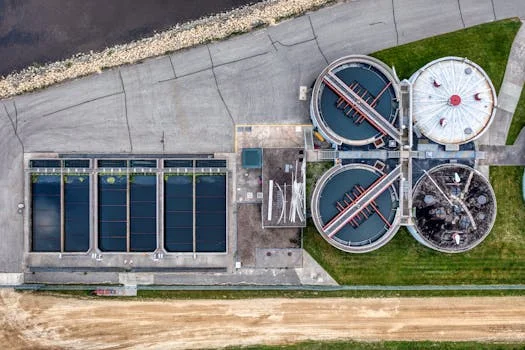
Standard DAF units designed for food processing achieve a TSS removal efficiency of 92-97% and FOG removal exceeding 95% when operated within design parameters. These systems are engineered to handle the high organic loads typical of slaughterhouses and dairy plants, where BOD (Biochemical Oxygen Demand) and COD (Chemical Oxygen Demand) reductions of 60-80% are common during the pretreatment phase. When selecting a system, engineers must evaluate the footprint requirements, which generally range from 0.5 to 2 m² per m³/h of capacity, making DAF one of the most space-efficient technologies for primary treatment.
Material compatibility is a primary selection criterion in the food industry. Systems must be constructed from Stainless Steel 304 or 316 to withstand the corrosive nature of cleaning chemicals (CIP) and acidic effluents, such as those found in citrus or soft drink processing. Automation is another critical factor; modern systems utilize PLC-controlled chemical dosing for DAF systems to adjust for real-time fluctuations in influent turbidity and pH. This prevents chemical waste and ensures consistent effluent quality even during high-production shifts.
| Parameter | Range / Value | Typical Value | Notes |
|---|---|---|---|
| Flow Rate | 4 - 300 m³/h | Variable | Scalable based on plant size |
| TSS Removal Efficiency | 92% - 97% | 95% | Dependent on chemical dosing |
| FOG Removal Efficiency | 95% - 99% | 97% | Highest among primary treatments |
| Bubble Size | 10 - 80 μm | 30 - 50 μm | Generated via saturation vessel |
| Chemical Dosing (PAC) | 50 - 200 mg/L | 100 mg/L | Adjusted via jar testing |
| Energy Consumption | 0.1 - 0.3 kWh/m³ | 0.2 kWh/m³ | Primarily saturation pump load |
| Sludge Concentration | 3% - 5% solids | 4% solids | Reduces dewatering costs |
DAF vs. Alternatives: When to Choose Dissolved Air Flotation Over MBR, Sedimentation, or Chemical Treatment
Dissolved Air Flotation is the superior choice for food processing wastewater containing high FOG levels because it uses buoyancy to lift contaminants, whereas traditional sedimentation tanks rely on gravity, which is ineffective for oils and greases that naturally float. While a Membrane Bioreactor (MBR) provides higher effluent quality, its CAPEX is often 3-4 times higher than a DAF system, and the membranes are highly susceptible to fouling by fats. For many processors, a DAF system serves as the ideal pretreatment step to protect downstream MBR systems as an alternative to DAF or to meet sewer discharge limits without the complexity of biological treatment.
The decision framework for technology selection hinges on the end-goal of the treated water. If the plant intends to reuse the water for non-contact cooling or irrigation, an MBR or a hybrid DAF-MBR system is necessary. However, for primary compliance with local discharge permits, DAF offers the best balance of footprint, CAPEX, and operational simplicity. Sedimentation is only recommended for low-FOG, high-density inorganic solids, such as those found in root vegetable washing, but even in those cases, DAF often provides a drier sludge and faster processing times.
| Technology | FOG Removal | CAPEX | OPEX | Footprint | Best For |
|---|---|---|---|---|---|
| DAF | 95%+ | Moderate | $0.10-$0.30/m³ | Small | Meat, Dairy, Beverage |
| MBR | 90% | High | $0.50-$1.00/m³ | Very Small | Water Reuse Applications |
| Sedimentation | 50-70% | Low | $0.05-$0.20/m³ | Large | Vegetable Washing |
| Chemical Only | 80-90% | Very Low | $0.20-$0.50/m³ | Small | Low Volume / Batch |
Cost Analysis: CAPEX, OPEX, and ROI for DAF Systems in Food Processing
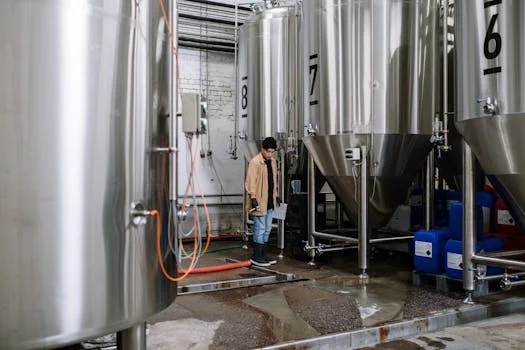
The total capital expenditure (CAPEX) for a DAF system in a food processing environment is primarily driven by flow rate and the required level of automation, with 2025 market data showing costs ranging from $50,000 for small-scale 4 m³/h units to $500,000 for fully automated 300 m³/h installations. This investment includes the primary flotation tank, the saturation system (pump and vessel), chemical dosing skids, and the control panel. Installation costs, including civil works and electrical integration, typically add another 20-30% to the equipment cost. For plants with limited internal engineering resources, turnkey automation packages that include remote telemetry for predictive maintenance are becoming the industry standard to ensure long-term reliability.
Operating expenditure (OPEX) is dominated by chemical consumption and energy use. Coagulants and flocculants represent approximately 50-60% of the annual OPEX, depending on the organic strength of the wastewater. Energy costs are relatively low, averaging $0.10 to $0.30 per cubic meter of treated water, as the saturation pump is the only high-draw component. Maintenance, including labor and replacement parts like skimmer blades and sensors, usually accounts for 5-10% of the annual budget. To manage these costs, many plants integrate PLC-controlled chemical dosing for DAF systems to prevent over-dosing during periods of low production.
Return on investment (ROI) is typically realized within 1.5 to 3 years. Consider a cheese processing plant with a 50 m³/h flow rate facing $120,000 in annual sewer surcharges. A DAF system with a CAPEX of $150,000 and an annual OPEX of $50,000 would result in a net annual saving of $70,000. In this scenario, the payback period is 2.1 years. Additional savings are often found in reduced sludge disposal costs, as DAF produces a much thicker sludge (4% solids) compared to sedimentation (1% solids), effectively reducing the volume of waste hauled off-site by 75%.
Compliance and Permitting: Meeting EPA, EU, and Local Food Industry Wastewater Standards
EPA 40 CFR Part 405 mandates TSS limits of <30 mg/L for dairy processing facilities, a standard achievable through optimized DAF pretreatment. These federal standards are often mirrored at the state and local levels, where industrial discharge permits may also include strict limits on BOD and COD to prevent the depletion of dissolved oxygen in receiving water bodies. In the European Union, Directive 91/271/EEC sets similar benchmarks, often requiring COD to be maintained below 125 mg/L. DAF systems are uniquely suited to meet these requirements because they can be fine-tuned to target specific fractions of the organic load through chemical adjustment.
Navigating the permitting process requires documented proof of system performance. Compliance managers should conduct extensive jar testing on-site to establish the exact removal efficiencies for their specific waste stream, as this data is critical for permit applications. installing online monitoring for TSS, FOG, and pH allows for continuous reporting and provides an early warning system to prevent non-compliance events. Maintaining detailed logs of chemical dosing and sludge production is also a best management practice (BMP) that regulators look for during inspections to ensure the facility is operating its treatment system as designed.
In high-regulation zones like California, the General Industrial Permit may set even stricter limits, such as FOG levels below 10 mg/L. Meeting these goals requires a DAF system with a high recycle ratio and a sophisticated skimming mechanism to ensure no "carryover" of solids occurs. By integrating a DAF systems for food processing wastewater, plants can achieve a level of consistency that satisfies both environmental inspectors and municipal wastewater treatment plant operators, securing their long-term "social license" to operate.
Frequently Asked Questions
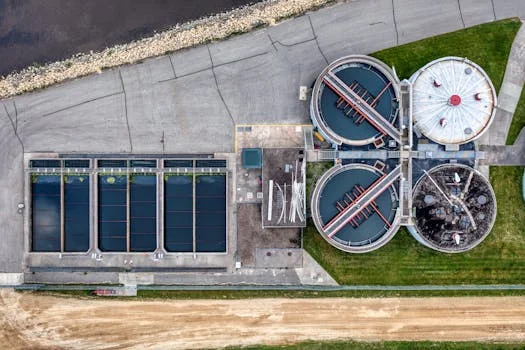
What is the typical payback period for a DAF system in food processing?
The payback period typically ranges from 1.5 to 3 years. This is achieved through the elimination of municipal surcharges for high TSS and FOG, as well as reduced sludge disposal costs due to the higher solids concentration (3-5%) produced by DAF compared to other methods.
Can DAF systems handle variable wastewater loads during seasonal production?
Yes, DAF systems are highly adaptable. By utilizing equalization tanks and automated chemical dosing, the system can adjust to fluctuations in flow and contaminant concentration. For example, citrus plants often increase coagulant dosing during peak harvest and scale back during the off-season to maintain efficiency.
What are the primary maintenance requirements for a DAF system?
Weekly maintenance involves checking bubble diffusers for potential clogging and calibrating dosing pumps. Monthly tasks include inspecting the mechanical skimmer and sludge scrapers for wear. Annually, the air compressor and saturation vessel sensors should be serviced to ensure the micro-bubble generation remains optimal.
How does DAF compare to dissolved nitrogen flotation (DNF)?
DAF is the industry standard for food processing due to its lower CAPEX and simpler operation using atmospheric air. DNF is generally reserved for specialized applications where oxygen exposure must be avoided to prevent product degradation or in explosive environments, which are rare in standard food processing wastewater treatment.
What sludge disposal options are available for DAF systems?
Common options include landfilling (where permitted), incineration, or anaerobic digestion. Because DAF sludge is rich in fats and proteins, it is an excellent substrate for anaerobic digesters to produce biogas. For plants looking to further reduce volume, sludge dewatering solutions for food processing plants can increase solids to 20-30%.
Related Equipment
- sludge dewatering solutions for DAF systems — view specifications, capacity range, and technical data
Need a customized solution? Request a free quote with your specific flow rate and pollutant parameters.