
Micro Bubble Flotation Specifications: 2025 Engineering Data, Efficiency Standards & Selection Guide
Micro bubble flotation systems utilize bubbles ranging from 10–80 μm, significantly smaller than the 80–300 μm bubbles found in conventional Dissolved Air Flotation (DAF) units, enabling 92–97% TSS removal at flow rates from 4–300 m³/h. This advanced bubble generation, achieved via pressure release (3–6 bar) or tangential injection, leads to a 40% reduction in system footprint and a 25% decrease in energy consumption. Such systems are particularly effective for treating fragile flocs, like those in hydroxide-laden wastewater, and high-load industrial effluents, with leading manufacturers reporting up to 30% faster separation compared to standard DAF units.Why Micro Bubble Flotation Outperforms Conventional DAF in Industrial Wastewater
Micro bubble flotation systems consistently reduce operational footprints by 40% compared to conventional DAF units, addressing critical space constraints in industrial facilities. Conventional DAF systems often require 2–3 times more floor space due to larger flotation cells and saturation tanks needed to achieve adequate solids separation with larger bubbles. The smaller, more numerous microbubbles in advanced flotation systems provide a greater surface area for particle attachment, allowing for more compact designs (Ecologix data). This reduction in footprint is crucial for industrial plants where real estate is at a premium or expansion is limited. Beyond space, micro bubble flotation offers substantial energy savings. These systems typically operate at lower pressures, ranging from 3–6 bar, compared to the 6–8 bar required for conventional DAF units. This lower operating pressure directly translates to a 20–30% reduction in compressor energy consumption, a significant factor in overall operational expenditure (SUEZ handbook). The efficiency gain stems from the optimized bubble generation and utilization, which requires less energy to achieve high saturation rates and effective solids removal. Micro bubble technology is also uniquely suited for handling fragile flocs and low-density sludge, which are often problematic for conventional DAF. The gentle uplift provided by the smaller, more evenly dispersed microbubbles prevents floc shear, a common issue in systems with larger, more turbulent bubbles. This capability is critical for treating wastewater streams containing hydroxide-laden precipitates or other delicate suspended solids that can easily break apart, compromising separation efficiency (SUEZ: 'well-suited to fragile floc'). The stable floc structure maintained by microbubbles results in a clearer effluent and denser sludge, simplifying downstream dewatering processes. A notable example of these benefits comes from a food processing plant in Shandong province. Facing escalating energy costs and limited space for a new wastewater treatment expansion, the plant upgraded its conventional DAF system to a micro bubble flotation unit. The existing system struggled with high COD (3000 mg/L) and TSS (2000 mg/L) in the influent, producing inconsistent effluent quality (TSS typically 70–100 mg/L, COD 600–800 mg/L) and high sludge volume. After implementing a micro bubble system, the plant achieved a 50% reduction in DAF footprint and a 28% decrease in energy costs. Effluent quality improved dramatically, consistently reaching TSS below 50 mg/L and COD below 500 mg/L, demonstrating the superior performance and economic advantages of micro bubble technology in real-world industrial applications.Micro Bubble Flotation Specifications: Engineering Data and Performance Benchmarks
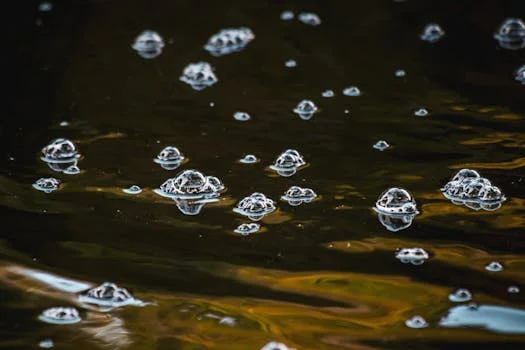
Table 1: Bubble Size vs. Surface Area and Attachment Efficiency
| Bubble Diameter (μm) | Relative Surface Area per Unit Volume (Arbitrary Units) | Relative Attachment Efficiency |
|---|---|---|
| 10 (Micro Bubble) | 30.0 | High (Excellent for fine particles/fragile flocs) |
| 50 (Micro Bubble) | 6.0 | Medium-High (Good for general industrial wastewater) |
| 100 (Conventional DAF) | 3.0 | Medium (Effective for larger, robust flocs) |
| 300 (Conventional DAF) | 1.0 | Low (Less effective for fine particles) |
Table 2: Flow Rate vs. Footprint vs. Sludge Density (HydropureWater)
| Model (HydropureWater) | Flow Rate (m³/h) | Approx. Footprint (L x W x H, m) | Typical Sludge Density (kg/m³) |
|---|---|---|---|
| DAF-50 | 4–50 | 4.0 x 1.5 x 2.0 | 30–50 |
| DAF-100 | 50–100 | 6.0 x 2.0 x 2.5 | 30–50 |
| DAF-200 | 100–200 | 8.0 x 2.5 x 3.0 | 30–50 |
| DAF-300 | 200–300 | 10.0 x 3.0 x 3.5 | 30–50 |
How Micro Bubble Generation Works: Pressure Release vs. Tangential Injection
Micro bubble generation primarily relies on two distinct methods: pressure release from a saturation tank or direct tangential injection, each with unique operational characteristics. Understanding these mechanisms is crucial for optimizing system performance and troubleshooting. The **pressure release method** is the most common technique for generating microbubbles in conventional DAF and many micro bubble flotation systems. In this process, a portion of the clarified effluent water (typically 10–30% of the influent flow) is pumped into a sealed pressure vessel, known as a saturation tank. Compressed air is simultaneously injected into this tank, dissolving into the water under elevated pressure (typically 3–6 bar). This air-saturated water is then recycled to the front of the flotation cell. As this pressurized water flows through a specialized pressure release valve (also known as a reduction valve or nozzle) just before entering the main flotation tank, the sudden drop in pressure causes the dissolved air to instantaneously precipitate out of solution as millions of tiny microbubbles. These bubbles primarily form at nucleation sites on the surface of suspended particles and flocs, adhering to them and lifting them to the surface for removal.Pressure Release Valve Cross-Section (Description): Imagine a robust valve body with an inlet connected to the high-pressure saturation tank and an outlet discharging into the atmospheric-pressure flotation cell. Inside, a precisely engineered orifice or series of channels creates a rapid pressure differential. As the air-saturated water passes through this constriction, the dissolved air, no longer held in solution by pressure, nucleates into a dense cloud of microbubbles (10–80 μm). The design of this valve is critical for uniform bubble distribution and optimal size. Key parts include the high-pressure inlet, the constricted flow path, the pressure-reducing orifice, and the low-pressure outlet leading to the flotation zone.
**Tangential injection**, exemplified by systems like the Ecologix E-DAF, offers an alternative method that often eliminates the need for a separate saturation tank. In this approach, high-velocity tangential flow is used to create a shear force that generates microbubbles, typically in the 10–50 μm range. Air is directly injected into a high-energy mixing zone where the water is rapidly agitated. The turbulent, high-shear environment effectively fragments larger air bubbles into microbubbles without the need for prior dissolution under pressure. This method often results in 30% faster solids attachment compared to traditional pressure release systems due to the direct and vigorous contact between air and solids. A newer advancement involves **charged microbubbles**, which are generated using surfactant-based methods. These systems produce extremely fine bubbles, typically 7–25 μm, and utilize a charged surfactant that is often ubiquitous to wastewater and generally recognized as safe (GRAS approved) for environmental applications (cite: 'Flotation Without Dissolved Air' article). The charge on the bubbles can enhance their affinity for oppositely charged particles, improving separation efficiency for specific contaminants. Common failure modes in micro bubble generation systems include a pressure drop below 3 bar, which can result in insufficient bubble formation and reduced flotation efficiency. Conversely, a recycle ratio exceeding 30% might lead to excessive energy use without a proportional increase in performance. Nucleation site fouling, where scale or organic matter builds up within the pressure release valve or distribution nozzles, can impede uniform bubble generation. Regular cleaning protocols, including acid washing or mechanical scrubbing, are essential to maintain optimal bubble production and system efficiency.Micro Bubble Flotation vs. Conventional DAF vs. Charged Microbubbles: Comparison Table

Table 3: Flotation System Comparison
| Criterion | Micro Bubble Flotation | Conventional DAF | Charged Microbubbles |
|---|---|---|---|
| Bubble Size (μm) | 10–80 | 80–300 | 7–25 |
| Pressure Range (bar) | 3–6 | 6–8 | Atmospheric (with surfactant) |
| Footprint (Relative) | Compact (1.0x) | Large (1.4–2.0x) | Very Compact (0.8–1.0x) |
| Energy Consumption (Relative) | Low (1.0x) | Medium-High (1.2–1.5x) | Very Low (1.0x, but surfactant energy) |
| TSS Removal (%) | 92–97 | 85–92 | 95–99 |
| COD Removal (%) | 70–85 | 60–75 | 80–90 |
| Chemical Dosage (Relative) | Low (0.8–0.85x DAF) | Standard (1.0x) | Reduced (0.7–0.8x DAF, plus surfactant) |
| CAPEX (Relative) | Medium (1.1–1.15x DAF) | Low (1.0x) | High (1.2–1.3x DAF) |
| OPEX (Relative) | Low (0.75–0.8x DAF) | Standard (1.0x) | Medium (1.0x, surfactant cost) |
| Ideal Applications | Fragile flocs, food processing, pulp/paper, municipal pre-treatment | Robust flocs, general industrial, high flow rates | High-FOG, petrochemical, metalworking, ultra-fine particle removal |
Selecting the Right Micro Bubble Flotation System: A Step-by-Step Framework
An effective selection process for micro bubble flotation systems begins with a comprehensive analysis of influent characteristics and environmental compliance requirements. This structured approach helps engineers and procurement managers identify the most suitable technology for their specific industrial wastewater challenges.Step 1: Define Influent Parameters
Begin by thoroughly characterizing the wastewater stream. This includes identifying key parameters such as Total Suspended Solids (TSS), Chemical Oxygen Demand (COD), Fats, Oils, and Grease (FOG), pH, temperature, and average and peak flow rates. These parameters dictate the system's sizing, bubble generation requirements, and chemical conditioning needs.Table 4: Influent Parameter Ranges for Micro Bubble Flotation (HydropureWater)
| Parameter | Typical Range for Effective Treatment |
|---|---|
| TSS (mg/L) | 100–5000 |
| COD (mg/L) | 200–8000 |
| FOG (mg/L) | 50–1500 |
| pH | 6.0–9.0 (optimal) |
| Temperature (°C) | 10–40 |
Step 2: Match Bubble Size to Floc Characteristics
The nature of the suspended solids and flocs is critical. For fragile flocs, such as those formed from metal hydroxides or biological sludge, smaller bubbles (10–30 μm) are preferable to prevent shear and ensure stable flotation. For denser, more robust solids or larger flocs, a slightly wider range (30–50 μm) may be effective. Charged microbubble systems (7–25 μm) should be considered for ultra-fine particles or highly stable emulsions.Step 3: Calculate Footprint Constraints
Assess the available physical space at the industrial plant. Micro bubble flotation systems offer significant footprint reductions (up to 40% compared to conventional DAF). Use product specifications, such as those for the HydropureWater Dissolved Air Flotation (DAF) System, to determine the exact dimensions required for various flow rates and ensure the chosen system fits within existing plant limitations.Step 4: Compare CAPEX/OPEX and Calculate ROI
Evaluate the capital expenditure (CAPEX) and operational expenditure (OPEX) of different micro bubble flotation options against conventional DAF or other treatment alternatives. While micro bubble systems may have a slightly higher CAPEX, their lower energy consumption and reduced chemical dosage often lead to substantial OPEX savings. A simple ROI calculation can help quantify the financial benefits:Payback Period (Years) = (CAPEX Difference between systems) / (Annual OPEX Savings)
Step 5: Evaluate Maintenance Requirements
Understand the maintenance demands of each system. Factors like saturation tank cleaning frequency, pressure release valve inspection, lamella plate replacement (if applicable), and sludge scraper maintenance contribute to operational uptime and costs. Systems with fewer moving parts or easier access for cleaning typically incur lower maintenance burdens.Step 6: Check Compliance with Local Standards
Ensure the selected system can consistently achieve the required effluent discharge limits set by local regulatory authorities. This includes specific pollutant limits for TSS, COD, FOG, and pH, as mandated by bodies such as the EPA (e.g., EPA 40 CFR Part 403 for industrial pretreatment) or regional directives (e.g., EU Urban Waste Water Directive 91/271/EEC). For a comprehensive understanding of regulatory requirements, refer to detailed DAF system specifications and selection criteria and regional compliance standards for industrial wastewater treatment. Integrating an automatic chemical dosing system can further optimize chemical use and ensure consistent compliance.Frequently Asked Questions