Why Riyadh’s Industrial Wastewater Treatment Is a 2025 Compliance Crisis
Riyadh’s industrial wastewater treatment market is projected to grow 12% annually through 2030, driven by Vision 2030’s mandate for 100% wastewater reuse (per U.S. International Trade Administration, 2024). Facilities must meet SASO 2472:2020 effluent standards (e.g., COD ≤ 120 mg/L, TSS ≤ 30 mg/L) while balancing CAPEX (SAR 1.5M–6M for DAF/MBR systems) and OPEX (0.8–2.5 SAR/m³). This blueprint provides 2025 engineering specs, cost models, and a zero-risk compliance framework for petrochemical, food processing, and textile industries in Riyadh.
For a factory manager in Riyadh’s Second Industrial City, the pressure is no longer theoretical. In late 2024, MODON began implementing more rigorous unannounced audits, focusing on the gap between current discharge and the National Water Strategy’s reuse targets. Saudi Arabia’s Vision 2030 mandates 100% wastewater reuse by 2025, yet Riyadh’s industrial sector currently lags with only 42% compliance (per 2024 MODON audit data). The consequences of inaction are severe: the Royal Commission for Riyadh City has escalated fines to range between SAR 200,000 and SAR 500,000 per year for non-compliant facilities. In extreme cases, such as the 2023 shutdown of a textile plant in Jeddah, permits are revoked entirely for repeated violations.
Beyond regulatory threats, the economic reality of water scarcity in the Najd region is a primary operational risk. Riyadh operates in an environment with approximately 100 m³ of renewable water per capita per year, far below the global water poverty line of 1,000 m³. Factories that fail to implement internal reuse loops remain tethered to the rising costs of desalinated water, which currently reach SAR 4.2/m³ (per 2024 Saline Water Conversion Corporation tariffs). Facility managers face a triple-bind: failing compliance audits, escalating chemical costs for outdated treatment systems, and limited physical space to expand traditional biological lagoons.
Riyadh’s Industrial Wastewater: Contaminant Profiles by Sector
Engineering a compliant wastewater system in Riyadh requires a precise diagnostic of the influent stream, as contaminant profiles vary drastically across the city’s industrial hubs. Petrochemical plants located in Riyadh’s periphery typically generate high-strength effluent with Chemical Oxygen Demand (COD) ranging from 5,000 to 15,000 mg/L and Total Suspended Solids (TSS) between 2,000 and 5,000 mg/L (per 2024 Royal Commission effluent reports). These streams often contain heavy metals like Chromium and Nickel at concentrations of 50–200 mg/L, necessitating advanced electrocoagulation for heavy metal removal in Riyadh’s metalworking plants to meet SASO standards.
In contrast, the food processing sector—including dairy and meat production—deals with high organic loads and Fats, Oils, and Grease (FOG). Typical BOD levels reach 1,500–4,000 mg/L, with FOG concentrations as high as 2,000 mg/L. Textile dyeing facilities present a different challenge: high color intensity (500–1,500 Pt-Co) and alkaline pH levels (9–12), which can compromise biological treatment if not properly neutralized (per 2023 MEWA industry survey). Understanding these specific parameters is the first step in selecting a technology that avoids the "over-engineering" trap while ensuring zero-risk compliance.
| Industrial Sector | COD (mg/L) | BOD (mg/L) | TSS (mg/L) | FOG (mg/L) | Heavy Metals (mg/L) |
|---|---|---|---|---|---|
| Petrochemical | 5,000–15,000 | 1,000–3,000 | 2,000–5,000 | 100–500 | 50–200 (Cr, Ni) |
| Food Processing | 3,000–8,000 | 1,500–4,000 | 1,000–3,000 | 500–2,000 | <5 |
| Textile Dyeing | 2,000–8,000 | 500–1,500 | 500–1,500 | <50 | 10–50 (Cu, Zn) |
| Pharmaceutical | 500–2,500 | 200–800 | 100–500 | <20 | TOC 100–1,000 |
2025 Engineering Specs: How DAF, MBR, and Chemical Precipitation Systems Perform in Riyadh
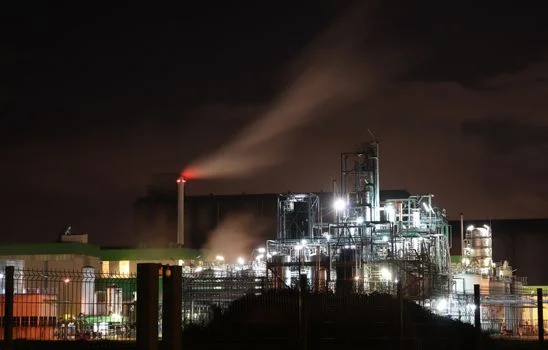
Selecting the right technology depends on the target effluent quality and the available footprint within the Riyadh facility. Dissolved Air Flotation (DAF) systems, such as HydropureWater’s, are the industry standard for high-TSS and high-FOG environments. These high-efficiency DAF systems for Riyadh’s industrial wastewater achieve 90–98% TSS removal and 85–95% FOG removal. With a hydraulic loading rate of 4–10 m/h, they offer a compact footprint of 20–100 m², making them ideal for existing factories with limited expansion room.
For facilities aiming for 100% water reuse in cooling towers or process water, Membrane Bioreactor (MBR) technology is superior. MBR systems for Riyadh’s water reuse and compliance needs utilize ultrafiltration membranes (<1 μm) to achieve 99% pathogen removal and COD reduction of 95–98%. The integrated nature of MBR means the footprint is 60% smaller than conventional activated sludge systems. However, engineering managers must note that MBR requires robust pre-treatment—often a DAF unit or fine screening—to prevent membrane fouling from high FOG or fibrous materials.
Chemical precipitation remains the primary choice for heavy metal removal in Riyadh’s metal plating and petrochemical sectors. Chemical dosing systems for heavy metal removal in Riyadh utilize automated pH adjustment (6–9) and coagulant dosing to reduce metals like Chromium and Nickel to concentrations below 0.1 mg/L. While highly effective for inorganic contaminants, the sludge volume generated (10–20% of influent) requires professional disposal services, which must be factored into the OPEX.
| Technology | COD Removal | TSS Removal | Footprint | Energy Use (kWh/m³) | OPEX (SAR/m³) |
|---|---|---|---|---|---|
| DAF | 40–60% | 90–98% | Small (20-100m²) | 0.2–0.5 | 0.8–1.5 |
| MBR (DF Series) | 95–98% | >99% | Medium (40-150m²) | 0.8–1.5 | 1.8–2.5 |
| Chemical Precip. | 10–30% | 80–90% | Small (Skid) | 0.1–0.3 | 1.2–2.0 |
CAPEX and OPEX Breakdown: Wastewater Treatment Costs for Riyadh Factories in 2025
Budgeting for wastewater treatment in Riyadh requires a localized understanding of labor, energy, and material costs. CAPEX for a DAF system typically ranges from SAR 800,000 to SAR 3,000,000 depending on flow rates (4–300 m³/h). MBR systems, due to membrane costs and advanced automation, command a higher CAPEX of SAR 1.5M to 6M for capacities of 10–2,000 m³/day. Skid-mounted chemical precipitation systems are the most budget-friendly upfront, ranging from SAR 500,000 to 2,000,000.
Operational expenses (OPEX) in Riyadh are influenced by the SAR 0.32/kWh industrial electricity rate and local chemical availability. DAF systems are the most cost-effective to run at 0.8–1.5 SAR/m³, whereas MBR systems range from 1.8 to 2.5 SAR/m³ due to periodic membrane replacement and higher aeration energy requirements. It is important to note that Riyadh-specific labor costs for specialized environmental engineers are approximately 30% higher than in Jeddah or Dammam, and import duties on high-end membranes can add 15% to replacement costs (per 2024 Saudi Customs data).
Despite these costs, the ROI for water reuse is increasingly compelling. With desalinated water costs at SAR 4.2/m³, a facility treating and reusing 500 m³/day can save over SAR 750,000 annually in water procurement alone. When compared to Dammam’s wastewater treatment costs and compliance strategies, Riyadh’s higher water scarcity makes the payback period for MBR systems significantly shorter, often between 3 and 5 years.
| Sector | Typical Flow (m³/day) | Avg. CAPEX (SAR) | Avg. OPEX (SAR/m³) | Payback Period |
|---|---|---|---|---|
| Petrochemical | 1,000 | 4.5M | 2.2 | 4–6 Years |
| Food Processing | 500 | 2.2M | 1.4 | 3–5 Years |
| Textile | 800 | 3.5M | 1.6 | 5–7 Years |
| Pharmaceutical | 200 | 1.8M | 2.4 | 4–5 Years |
Compliance Roadmap: Meeting Saudi Standards for Industrial Effluent in Riyadh
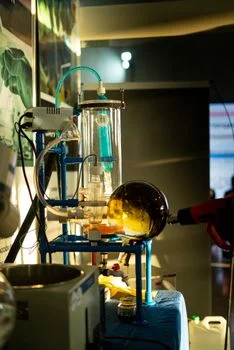
Achieving zero-risk compliance in Riyadh involves navigating the requirements of three primary bodies: SASO, MODON, and the Royal Commission for Riyadh City. The SASO 2472:2020 standard is the technical baseline, mandating COD ≤ 120 mg/L and BOD ≤ 25 mg/L for any discharge. However, MODON has recently issued circulars requiring new facilities to aim for Zero Liquid Discharge (ZLD) and existing plants to achieve at least 80% water reuse. For disinfection, many facilities are now integrating chlorine dioxide generators for industrial water disinfection to ensure effluent meets the stringent pathogen limits for unrestricted irrigation.
The compliance process should follow a structured 5-step checklist:
- Wastewater Characterization: Conduct a 7-day composite sampling to identify peak loading and contaminant variability.
- Technology Selection: Match technology to the contaminant profile (e.g., DAF for FOG, MBR for high COD and reuse).
- Pilot Testing: Run a 30-day pilot on-site to validate removal efficiencies under local temperature and salinity conditions.
- Permit Application: Submit detailed engineering drawings and a management plan to MODON or the Royal Commission.
- Continuous Monitoring: Install online COD, TSS, and pH meters with real-time data logging to satisfy monthly self-monitoring report requirements.
| Parameter | SASO 2472:2020 Limit | DAF Performance | MBR Performance |
|---|---|---|---|
| COD (mg/L) | ≤ 120 | 150–300 (Pre-treat) | < 50 |
| TSS (mg/L) | ≤ 30 | < 20 | < 5 |
| BOD (mg/L) | ≤ 25 | 80–150 | < 10 |
| pH | 6.0 – 9.0 | Adjustable | Adjustable |
Case Study: How a Riyadh Petrochemical Plant Achieved 95% Water Reuse with MBR + DAF
A petrochemical facility in Riyadh’s Second Industrial City faced an operational crisis in 2023 after failing a MODON audit. The facility’s effluent showed COD levels of 3,500 mg/L and Chromium concentrations of 150 mg/L, both significantly exceeding SASO limits. The plant was issued a warning and faced a potential SAR 350,000 fine if compliance was not reached within eight months.
The solution involved a two-stage approach. First, a HydropureWater DAF system was installed as a pre-treatment stage to remove bulk solids and residual oils. This was followed by a 200 m³/day HydropureWater MBR system for deep organic removal and filtration. By integrating high-efficiency DAF systems with MBR systems for Riyadh’s water reuse, the plant reduced COD to <100 mg/L and Chromium to <0.1 mg/L.
The results were transformative. The facility achieved 95% water reuse, redirecting the treated effluent to its cooling towers. This shift resulted in SAR 1.2 million in annual savings compared to purchasing desalinated water. A critical lesson learned during the project was the impact of high FOG (1,200 mg/L) on membrane life; the engineering team resolved this by fine-tuning the DAF pre-treatment with a specific coagulant (PAC at 50 mg/L), which extended membrane life by 30% and stabilized the system’s performance.
Frequently Asked Questions
Q: What are the penalties for non-compliance with Saudi wastewater regulations in Riyadh?
A: MODON and the Royal Commission for Riyadh City impose fines ranging from SAR 200,000 to SAR 500,000 per year. Repeated violations can lead to the revocation of industrial licenses and total facility shutdowns.
Q: How much does a DAF system cost for a 100 m³/h textile plant in Riyadh?
A: For a 100 m³/h flow rate, a DAF system typically requires a CAPEX of SAR 1.8M to 2.5M. OPEX is estimated at SAR 1.2–1.8/m³, covering chemicals, sludge disposal, and energy.
Q: Can MBR systems handle high-salinity wastewater from Riyadh’s industrial processes?
A: Yes, MBR can handle moderate salinity, but if Total Dissolved Solids (TDS) exceed 5,000 mg/L, membrane flux can decrease by up to 20%. In such cases, pre-treatment like nanofiltration or specialized salt-tolerant microbes may be required.
Q: What is the typical payback period for a water reuse project in Riyadh?
A: Based on current desalinated water tariffs of SAR 4.2/m³, most MBR-based reuse projects achieve a payback period of 3 to 5 years. DAF and chemical precipitation systems, while cheaper in CAPEX, may take 5 to 7 years due to higher chemical and disposal costs.
Q: Do I need a permit to install a wastewater treatment system in Riyadh?
A: Yes. You must submit a formal application to MODON (for industrial cities) or the Royal Commission for Riyadh City. The application must include wastewater characterization, technical specifications of the chosen system, and an environmental impact assessment.