Why Eastern Cape Industrial Discharge Is a 2026 Compliance Pressure Point
Industrial wastewater treatment in the Eastern Cape must comply with South Africa's National Water Act (Act 36 of 1998) and the General/Special Limits in Government Notice R.665 of 2013 (Government Gazette 36820), enforced by the Department of Water and Sanitation (DWS). Typical 2026 process trains for local food, dairy, textile, and automotive plants combine rotary screening, DAF for FOG and TSS, and either MBR or SBR for COD/BOD polishing to <50 mg/L before discharge to municipal sewer or reuse.
Two discharge routes exist, and they set very different design targets. Discharge to a municipal sewer in Nelson Mandela Bay or Buffalo City is governed by metro bylaws aligned to SANS 241 industrial effluent acceptance criteria, with COD acceptance thresholds typically capped at 1,000 mg/L and pH 6.0–9.0. Direct discharge to a watercourse triggers the stricter Special Limits in R.665 — COD ≤75 mg/L, ammonia ≤1.0 mg/L, and total suspended solids ≤25 mg/L. A DWS Section 21 water use licence is mandatory for the second route, with application lead times of 90–180 days through the Walvis Bay/Port Elizabeth regional office. The General Limits act as the practical ceiling for the licence; the Special Limits are enforceable at the discharge point.
Pressure from the 2024–2026 DWS Green Drop / No Drop audits has tightened what municipal plants will accept. Both the Port Elizabeth (Driftsands) and East London (Gonubie) WWTWs have been flagged for capacity constraints, which forces industry to take more pre-treatment on-site rather than rely on the sewer. The 2017 Eastern Cape study in Environmental Monitoring and Assessment on phthalate removal in rural WWTPs established that conventional technologies fall short on emerging contaminants — a gap that engineered MBR or SBR polishing now closes. For a plant engineer, this means designing to the Special Limit envelope, even if sewer discharge is the initial plan.
Influent Characteristics by Eastern Cape Industrial Sector
Five industrial sectors dominate the Eastern Cape wastewater profile, and each one has a distinct fingerprint that drives the unit-process selection. Designers who skip influent characterization typically over- or under-size equalization and biological stages by a factor of two.
| Sector / Corridor | COD (mg/L) | TSS (mg/L) | FOG / Special | pH | Temperature | BOD/COD |
|---|---|---|---|---|---|---|
| Dairy & cheese (Coega, PE) | 2,000–8,000 | 500–1,500 | High FOG, lactose | 4–11 | 30–40 °C | 0.6–0.8 |
| Abattoir & poultry (East London corridor) | 3,000–10,000 | 800–3,000 | Blood, protein, high TKN | 6.5–8.5 | 25–35 °C | 0.5–0.7 |
| Automotive & metal finishing (NMBA cluster) | 500–3,000 | 200–800 | Zn, Ni, Cr, Pb, oil | 2–10 | Ambient | 0.2–0.4 |
| Textile (Border-Kei region) | 800–4,000 | 200–1,000 | Reactive dyes, high salinity | 6–12 | 30–50 °C | 0.3–0.5 |
| Citrus & juice (Sundays River Valley) | 1,500–6,000 | 600–2,500 | Seasonal peak, sugars | 3–5 | 20–30 °C | 0.5–0.7 |
Dairy and abattoir streams are the heaviest in the region — high-strength, high-temperature, and biologically amenable, which makes them the best candidates for MBR polishing. Automotive effluent is low-volume but toxic, so it demands segregated treatment for heavy-metal precipitation and oil removal before any biological step. Textile and citrus streams are the most variable, with pH swings of 4–11 across a single shift, and require robust equalization with at least 8–12 hours of hydraulic retention time (HRT) before downstream biology.
The 2026 Process Train That Actually Works in the Eastern Cape
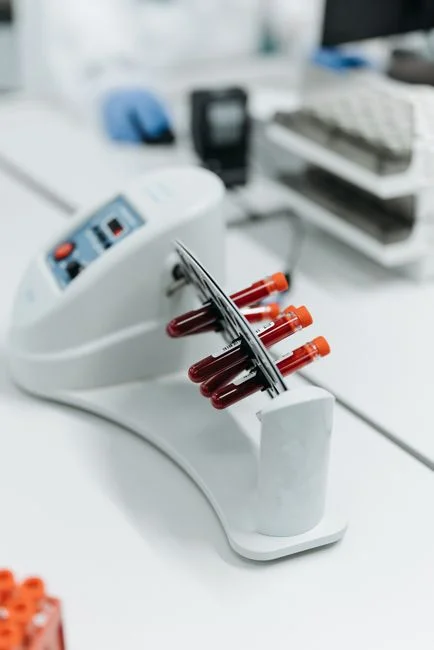
A defensible 2026 process train for Eastern Cape industrial sites runs in six modular stages, each sized to a specific envelope. The sequence protects downstream membranes, absorbs batch shock loads, and produces a sludge cake that can be hauled economically to a registered landfill.
Stage 1 — Mechanical screening. A GX rotary mechanical bar screen at 3–6 mm aperture removes rags, plastics, and paunch manure that would otherwise blind downstream DAF and membrane equipment. Aperture selection is the single most common cause of premature membrane fouling in food and abattoir plants.
Stage 2 — Equalization with pH correction. A 6–12 hour HRT equalization basin with mechanical mixing and NaOH/H₂SO₄ dosing absorbs the slug discharges from CIP cycles in dairy plants and the batch dumps from abattoir kill floors. Without this buffer, downstream biology fails on day one of operation.
Stage 3 — DAF for FOG and colloidal TSS. A dissolved air flotation system removes 70–90% of TSS and the bulk of FOG and emulsified oil at hydraulic loadings of 4–25 m³/h per unit. For abattoirs and dairies, DAF precedes biology to protect biomass from oil toxicity; for automotive plants, it captures free oil before chemical precipitation.
Stage 4 — Biological treatment. Choice between MBR and SBR is driven by flow and reuse targets (covered in the next section). An MBR membrane bioreactor system with submerged 0.1 µm PVDF membranes delivers reuse-quality permeate suitable for boiler feed or CIP rinse water.
Stage 5 — Disinfection. A chlorine dioxide generator sized for 99.9% coliform kill handles the final barrier before reuse or sewer discharge, with the advantage of lower trihalomethane formation versus chlorine gas at high organic loads.
Stage 6 — Sludge dewatering. A plate and frame filter press achieves 22–28% DS cake dryness, which cuts wet sludge haulage to the East London or Port Elizabeth landfill by roughly 70% versus belt press output. Commissioning detail is covered in our filter press installation guide.
MBR vs. SBR vs. Activated Sludge: Eastern Cape Selection Matrix
Technology selection on Eastern Cape sites hinges on three constraints: available footprint, operator skill level, and whether the water is destined for discharge or reuse. The matrix below is the working answer most engineers eventually arrive at after one site visit.
| Parameter | MBR | SBR | Conventional Activated Sludge |
|---|---|---|---|
| Effluent COD (mg/L) | <30 (reuse-grade) | <50 (discharge) | <75 (discharge) |
| Footprint | 0.4× CAS | 0.7× CAS | 1.0× baseline |
| Operator skill | High (membrane care) | Medium | Medium |
| CAPEX per m³/day (ZAR) | 55,000–85,000 | 30,000–50,000 | 22,000–38,000 |
| Specific energy (kWh/m³) | 1.8–2.5 | 0.8–1.2 | 0.6–1.0 |
| Membrane replacement | Every 8–10 years | None | None |
| Power-outage tolerance | Poor (needs UPS) | Good (batch reset) | Poor (biomass washout) |
| Reuse compatibility | Yes, RO polishing | Not without tertiary | Not without tertiary |
Decision rule: choose MBR for flows under 500 m³/day with a reuse or zero-liquid-discharge target, particularly for dairies and food processors in the Coega IDZ. Choose SBR for 200–2,000 m³/day plants with discharge only and limited operator headcount. The WSZ underground package plant variant suits small sites under 50 m³/day where civil works are restricted. For projects involving RO polishing on the MBR permeate, see our RO reuse specs and ROI reference. Power-outage behaviour matters: SBRs reset cleanly after a brief interruption, while MBRs need UPS-backed aeration or membrane fouling accelerates within hours of anoxic conditions. CAPEX benchmarks for packaged municipal sewage treatment cost plants in similar climatic zones confirm the per-m³ spread above.
Equipment Sourcing, Shipping, and 2026 Cost Benchmarks
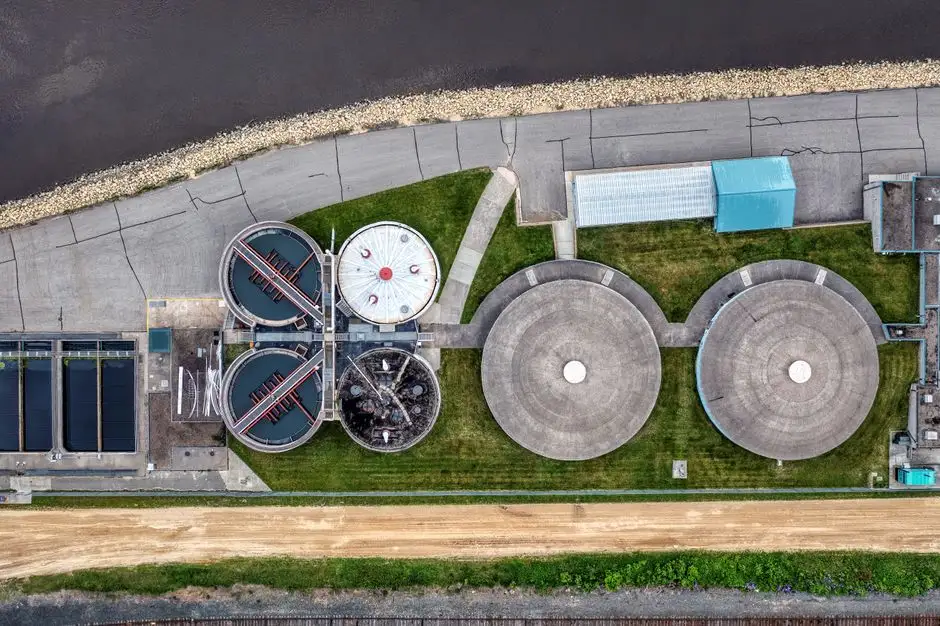
Procurement-grade packaged plants ship 20–40 ft ISO containers or as flat-pack skids via the Eastern Cape's three commercial seaports: Port Elizabeth (the deepest container terminal), East London (the primary vehicle-handling port, lighter on break-bulk), and the Coega IDZ (specialized for manufacturing-zone deliveries with on-dock customs). A typical door-to-site timeline is 4–8 weeks after ex-works, made up of 8–12 weeks manufacturing, 4–6 weeks sea freight to Durban with trans-shipment to PE or East London, and 2 weeks for customs and inland trucking to site.
| System size (m³/day) | 2026 CAPEX FOB (ZAR) | Equivalent USD | Container fit |
|---|---|---|---|
| 10 | 1.2–1.8 M | 65,000–98,000 | 1 × 20 ft |
| 50 | 3.5–5.0 M | 190,000–270,000 | 1 × 40 ft |
| 200 | 8.0–12.0 M | 435,000–650,000 | 2 × 40 ft + skids |
| 500 | 18.0–28.0 M | 975,000–1,520,000 | 4–6 × 40 ft |
OPEX typical for 2026: electricity 1.8–2.5 kWh/m³ for MBR and 0.8–1.2 kWh/m³ for SBR; chemical dosing (coagulant, polymer, pH correction) ZAR 0.8–1.5 per m³ treated; sludge haulage to registered landfill at East London or Port Elizabeth at ZAR 250–450 per wet tonne. An automatic chemical dosing system reduces polymer consumption by 15–25% versus manual dosing, and a high-efficiency sedimentation tank ahead of DAF can cut coagulant demand further on high-TSS streams. Budget for a 10% customs duty and 15% VAT line item when importing from non-SACU suppliers.
Frequently Asked Questions
Q1: What permits are needed to discharge industrial wastewater in the Eastern Cape?
A DWS Section 21 water use licence under the National Water Act 36 of 1998, plus municipal bylaw approval for sewer discharge. Direct discharge to a watercourse additionally requires compliance with the Special Limits in R.665 of 2013.
Q2: What is the COD limit for industrial effluent in South Africa?
≤75 mg/L COD under the Special Limit for direct discharge to a watercourse; ≤1,000 mg/L is the typical municipal sewer bylaw acceptance threshold in the Nelson Mandela Bay and Buffalo City metros, though specific limits vary by catchment.
Q3: Can a packaged WWTP be shipped fully assembled to the Eastern Cape?
Yes. Skid- and containerized systems ship in 20–40 ft ISO containers via Port Elizabeth, East London, or the Coega IDZ, with typical door-to-site lead times of 4–8 weeks after ex-works.
Q4: Which process is best for a 100 m³/day dairy wastewater plant?
Screening → equalization → DAF → MBR, with pH correction, nutrient dosing, and sludge dewatering by filter press. MBR is preferred because the permeate can be partially reused for CIP rinse water, offsetting 20–30% of municipal water intake.
Q5: How long does installation take?
4–8 weeks of site work for a pre-assembled skid system, assuming civil foundations and electrical supply are complete. The mechanical and process commissioning typically adds a further 2–3 weeks before compliance sampling can begin.