Why Beira’s Hospitals Need Specialized Wastewater Treatment
Hospital wastewater in Beira requires treatment to meet Mozambique’s Decreto 45/2006 limits (BOD < 30 mg/L, E. coli < 1,000 CFU/100mL) while addressing coastal salinity (TDS up to 35,000 mg/L) and unreliable power. Failure to comply with these stringent environmental regulations can lead to significant financial penalties, including daily fines for exceeding BOD, TSS, and E. coli thresholds, and in severe or repeated cases, facility closure, as stipulated by Mozambican environmental law. The city’s coastal location presents a unique challenge: Total Dissolved Solids (TDS) can surge to 35,000 mg/L in port areas, a level that aggressively attacks standard 304 stainless steel, inducing pitting corrosion within as little as 18 months. This corrosive environment necessitates the specification of specialized, resistant materials for all wetted components. power reliability is a critical operational concern; reports from organizations like the AFD indicate that industrial zones in Beira can experience grid outages lasting up to 12 hours, demanding backup generator systems or integrated battery storage for continuous operation of essential treatment processes. The global impact of events like the COVID-19 pandemic has also highlighted the increased burden on healthcare facilities, with studies indicating a 30–50% surge in hospital wastewater volume and pharmaceutical loads, further complicating treatment requirements. Beira’s past investments in sanitation infrastructure, such as the 7,500 m³/day wastewater treatment plant (WWTP) inaugurated in 2012 and the extensive sewer network rehabilitation project completed between 2007 and 2016, demonstrate the feasibility of achieving compliance with appropriate technologies and funding. These precedents underscore the need for hospital-specific solutions that are robust, reliable, and capable of handling the complex contaminant profiles inherent in medical wastewater.
Contaminant Profile: What’s in Hospital Wastewater in Beira?
Understanding the precise composition of hospital wastewater is paramount for designing an effective treatment system in Beira. Unlike municipal sewage, medical effluents carry a complex and potentially hazardous mix of biological, chemical, and pharmaceutical agents. Pathogens, including high concentrations of E. coli (ranging from 106 to 108 CFU/100mL), Salmonella, Pseudomonas aeruginosa, and critically, antibiotic-resistant bacteria, pose a significant public health risk if not adequately neutralized. The WHO’s 2023 hospital wastewater guidelines emphasize the importance of targeting these resistant strains. Pharmaceuticals are another major concern; antibiotics like ciprofloxacin and amoxicillin, analgesics such as paracetamol, and contrast agents containing iodinated compounds from diagnostic imaging are frequently found in concentrations that challenge conventional treatment processes. Heavy metals, including mercury from dental amalgam, silver from X-ray film processing, and chromium from laboratory reagents, can be present at levels 5 to 50 times higher than in municipal wastewater, as noted by EPA benchmarks from 2024. The organic load is also considerably higher, with Biochemical Oxygen Demand (BOD) typically between 200–600 mg/L and Chemical Oxygen Demand (COD) between 400–1,200 mg/L, significantly exceeding the 100–300 mg/L range seen in municipal sewage. This necessitates treatment processes capable of extended aeration or advanced oxidation. Suspended solids (TSS) can range from 150–400 mg/L and may include infectious waste materials like bandages and syringes, further complicating sludge management, especially in high-salinity coastal environments.
| Contaminant Category | Typical Concentration Range in Hospital Wastewater | Risk/Challenge | Relevant Beira Regulations/Conditions |
|---|---|---|---|
| Pathogens | E. coli: 106–108 CFU/100mL; Salmonella, P. aeruginosa, Antibiotic-Resistant Bacteria | Public health hazard, spread of infection and antimicrobial resistance (AMR) genes. | Decreto 45/2006: E. coli < 1,000 CFU/100mL |
| Pharmaceuticals | Antibiotics (ciprofloxacin, amoxicillin), Analgesics (paracetamol), Iodinated Contrast Agents | Persistence, potential ecotoxicity, contribution to AMR. Difficult removal by conventional WWTPs. | EU Urban Waste Water Directive 91/271/EEC (indirect influence on standards) |
| Heavy Metals | Mercury (Hg), Silver (Ag), Chromium (Cr) | Toxicity to aquatic life, bioaccumulation. | Decreto 45/2006 (general limits for heavy metals) |
| Organic Load | BOD: 200–600 mg/L; COD: 400–1,200 mg/L | Oxygen depletion in receiving waters, odor issues. | Decreto 45/2006: BOD < 30 mg/L |
| Solids (TSS) | 150–400 mg/L; includes medical waste | Sludge management challenges, potential for clogging, infectious material. | Decreto 45/2006: TSS < 50 mg/L |
| Salinity | TDS up to 35,000 mg/L | Corrosion of standard equipment, impact on biological processes. | Beira coastal conditions |
Engineering Specifications for Hospital WWTPs in Beira
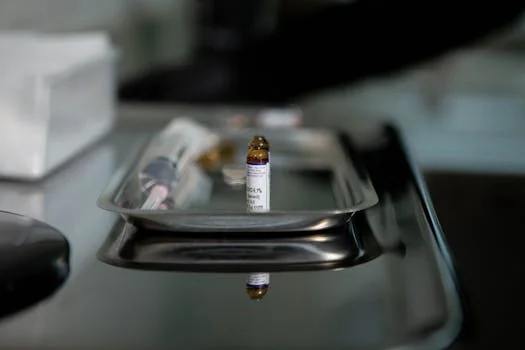
To effectively treat hospital wastewater in Beira, specific engineering parameters must guide equipment selection and system design. Flow rates will vary significantly based on hospital size, typically ranging from 0.5–5 m³/day for small clinics to 10–50 m³/day for 50–200-bed hospitals, aligning with WHO 2023 sizing guidelines. Removal efficiencies are critical to meet regulatory demands: 99.9% for pathogens and 95% for COD are essential to comply with Decreto 45/2006 and the spirit of the EU Urban Waste Water Directive 91/271/EEC. Disinfection is a non-negotiable step, requiring methods like chlorine dioxide (ClO₂) or ozone to achieve the stipulated 99.9% pathogen kill rate; UV disinfection is generally not recommended due to the unreliability of power supply in Beira. On-site ClO₂ generators typically range from 50–5,000 g/h output, depending on the required dosage and flow rate. Given Beira’s high salinity, corrosion resistance is paramount. All wetted parts must be constructed from materials like duplex 2205 stainless steel or Fiber Reinforced Plastic (FRP), which represent a 15–25% CAPEX premium over standard 304 SS but offer a lifespan exceeding 10 years compared to the latter's 18 months. Footprint considerations are also vital, especially in urban hospital settings. Compact systems, such as Membrane Bioreactors (MBRs), can treat wastewater in less than 50 m² of space. For larger sites with higher solids loads, modular Dissolved Air Flotation (DAF) units paired with sedimentation tanks may be more suitable, offering a different footprint profile per m³/day. Automation is key to operational efficiency and overcoming potential staff shortages, with PLC-controlled systems offering remote monitoring capabilities, a feature highlighted in AFD reports concerning operator capacity gaps in Beira. HydropureWater offers solutions such as the compact MBR system for hospitals in Beira and the medical wastewater treatment, designed to meet these rigorous specifications.
| Parameter | Specification for Beira Hospitals | Rationale |
|---|---|---|
| Flow Rate | 0.5–5 m³/day (clinics); 10–50 m³/day (50–200-bed hospitals) | WHO 2023 sizing guidelines; accommodates variable hospital demand. |
| Pathogen Removal Efficiency | ≥ 99.9% | Decreto 45/2006 (E. coli < 1,000 CFU/100mL); EU Urban Waste Water Directive 91/271/EEC. |
| COD Removal Efficiency | ≥ 95% | Decreto 45/2006 (BOD < 30 mg/L); ensures water quality for discharge. |
| TSS Removal Efficiency | ≥ 90% | Decreto 45/2006 (TSS < 50 mg/L); reduces solids burden on receiving waters. |
| Disinfection Method | Chlorine Dioxide (ClO₂) or Ozone | Ensures 99.9% pathogen kill rate; UV unreliable due to power outages. |
| ClO₂ Generator Output | 50–5,000 g/h | Scalable to meet varying flow rates and dosage requirements. |
| Corrosion Resistance Materials | Duplex 2205 Stainless Steel or FRP | Mitigates pitting corrosion from high salinity (TDS up to 35,000 mg/L) in Beira. |
| Footprint | Compact MBR (<50 m²); Modular DAF + Sedimentation | Optimizes space in urban hospital settings or for larger facilities. |
| Automation | PLC Control with Remote Monitoring | Enhances operational efficiency, addresses potential staff shortages (per AFD report). |
Equipment Options: MBR vs. DAF + Disinfection for Beira’s Hospitals
For hospital wastewater treatment in Beira, two primary technological approaches offer viable solutions: Membrane Bioreactors (MBRs) and Dissolved Air Flotation (DAF) systems coupled with robust disinfection. MBRs, utilizing submerged PVDF membranes with pore sizes around 0.1 μm, excel at achieving high-quality effluent, consistently delivering 99.9% pathogen removal and 95% COD reduction. Their compact nature makes them ideal for urban hospitals with limited space, occupying approximately 60% less footprint than conventional systems. HydropureWater’s medical wastewater treatment systems, for example, are designed for this purpose, offering capacities from 10–200 m³/day with filtration below 1 μm. Alternatively, DAF systems, such as HydropureWater’s, followed by a dedicated disinfection stage, present another strong option. DAF technology effectively removes 92–97% of TSS and 60–80% of COD by using micro-bubble technology to float suspended solids. This approach is often better suited for larger hospitals with higher solids loads. The critical disinfection step for both MBR and DAF systems in Beira must involve on-site chlorine dioxide generators or ozone, ensuring complete pathogen inactivation. While MBRs typically have a higher Capital Expenditure (CAPEX) of $1,200–$1,800/m³/day compared to DAF + ClO₂ at $800–$1,200/m³/day, their operational expenditure (OPEX) can be competitive when considering energy consumption. MBRs require 0.8–1.2 kWh/m³, whereas DAF + ClO₂ uses 0.4–0.6 kWh/m³, a significant factor given Beira’s power challenges. Maintenance for MBRs involves periodic membrane cleaning (every 3–6 months) and fouling monitoring, while DAF systems require skimmer adjustment and chemical dosing calibration. The choice between these technologies hinges on specific site constraints, flow characteristics, and the hospital’s overall budget and operational capacity.
| Technology | Description | Pros for Beira | Cons for Beira | Typical CAPEX ($/m³/day) | Typical OPEX (kWh/m³) |
|---|---|---|---|---|---|
| MBR (Membrane Bioreactor) | Submerged PVDF membranes (0.1 μm pore size) for biological treatment and tertiary filtration. | High effluent quality (99.9% pathogen, 95% COD removal), compact footprint (<50 m²), robust pathogen removal. | Higher CAPEX, requires specialized membrane maintenance, higher energy consumption than DAF. | $1,200–$1,800 | 0.8–1.2 |
| DAF + Disinfection (ClO₂/Ozone) | Dissolved air flotation for solids removal, followed by chemical disinfection. | Lower CAPEX, effective TSS removal (92–97%), lower energy consumption, proven disinfection with ClO₂. | Larger footprint than MBR, requires chemical handling, disinfection efficiency depends on ClO₂ dosing accuracy. | $800–$1,200 | 0.4–0.6 |
Cost Breakdown: CAPEX, OPEX, and EU Funding for Beira’s Hospitals
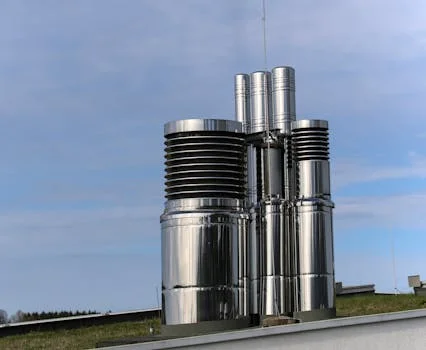
Procurement teams in Beira must navigate a complex cost landscape for hospital wastewater treatment, encompassing capital expenditure (CAPEX), operational expenditure (OPEX), and potential funding opportunities. CAPEX for hospital WWTPs in Beira can range significantly, from approximately $80,000 to $250,000 for smaller clinics treating 0.5–5 m³/day, to $500,000–$1.5 million for 50–200-bed hospitals processing 10–50 m³/day, based on 2025 Mozambican market data. OPEX typically comprises several key components: energy costs account for 30–40%, chemicals for 20–30%, labor for 15–25%, and maintenance for 10–15%. Local labor costs for trained operators are estimated between $300–$600 per month. A critical factor for funding hospital projects in Beira is the availability of EU grants, which can cover up to 70% of CAPEX for projects aligned with EU-Mozambique cooperation priorities, as facilitated by agencies like the AFD. For example, a 100-bed hospital might face an $800,000 CAPEX and $120,000 annual OPEX. With a potential EU grant offsetting $560,000 of the CAPEX, the net investment is significantly reduced. The return on investment (ROI) for these systems is calculated based on avoided fines and environmental liabilities; MBR systems typically show a payback period of 3–7 years, while DAF + ClO₂ systems can range from 2–5 years, especially when factoring in avoided fines of approximately $50,000 per year. It is crucial to account for potential hidden costs, such as the 15–25% premium for corrosion-resistant materials, the 10–15% cost for essential backup power systems, and an additional 5–10% for comprehensive operator training programs tailored to local conditions. Understanding these financial elements, alongside the potential for EU funding options for Beira’s wastewater projects, is vital for making a sound investment decision.
| Cost Component | Estimated Range/Percentage | Notes for Beira |
|---|---|---|
| CAPEX (Small Clinic: 0.5–5 m³/day) | $80,000 – $250,000 | Includes equipment, installation, and basic materials. |
| CAPEX (50–200 Bed Hospital: 10–50 m³/day) | $500,000 – $1.5 Million | Reflects increased scale and complexity. |
| OPEX - Energy | 30–40% of total OPEX | Critical due to potential power outages; backup power adds to CAPEX. |
| OPEX - Chemicals | 20–30% of total OPEX | For disinfection (ClO₂) and potentially coagulation/flocculation. |
| OPEX - Labor | 15–25% of total OPEX | Local operator cost: $300–$600/month. |
| OPEX - Maintenance | 10–15% of total OPEX | Includes spare parts, consumables, and service contracts. |
| EU Grants | Up to 70% of CAPEX | For projects aligned with EU-Mozambique cooperation priorities. |
| Corrosion-Resistant Materials Premium | +15–25% on material cost | Essential for Beira’s high-salinity environment. |
| Backup Power System | +10–15% on CAPEX | Crucial for reliable operation during grid outages. |
Decision Framework: Choosing the Right System for Your Beira Hospital
Selecting the most appropriate hospital wastewater treatment system in Beira requires a systematic approach that balances technical requirements, local conditions, and budgetary constraints. The process begins with Step 1: Assess your hospital’s wastewater volume in m³/day and thoroughly analyze its contaminant profile, paying close attention to pathogens, pharmaceuticals, and the impact of coastal salinity. This diagnostic step is crucial for determining the necessary treatment intensity and material specifications. Step 2 involves evaluating available space constraints; MBR systems are highly efficient for sites with limited area, often requiring less than 50 m², while DAF combined with sedimentation tanks may be more suitable for larger footprints or higher influent solids concentrations. Step 3 focuses on power reliability. For areas experiencing frequent grid outages, a DAF + ClO₂ system with integrated backup power is often more pragmatic. If power is relatively stable, an MBR system can be considered, though battery backup remains a prudent addition. Step 4 is a detailed comparison of CAPEX and OPEX. While MBRs may have a higher upfront cost, their long-term effluent quality and potential for automation can offer advantages. DAF + ClO₂ systems typically present a lower initial investment. Step 5 requires verifying local service support and availability of spare parts; HydropureWater maintains a network of partners in Mozambique to ensure ongoing operational support. Finally, Step 6 is to actively explore and apply for EU funding, which can significantly reduce the financial burden. This often involves preparing a comprehensive environmental impact assessment and a detailed compliance plan, aligning with criteria similar to those found in EU funding for Beira’s wastewater projects. By following this framework, hospital facility managers, procurement officers, and consulting engineers can make an informed decision that ensures compliance, sustainability, and operational efficiency for their specific context in Beira.
| Decision Step | Key Considerations for Beira | Recommended Technology Type |
|---|---|---|
| 1. Assess Wastewater Characteristics | Volume (m³/day), Pathogens, Pharmaceuticals, Salinity (TDS) | All systems require robust disinfection; high salinity necessitates corrosion-resistant materials. |
| 2. Evaluate Space Constraints | Available Footprint (m²) | MBR for compact sites (<50 m²); DAF + Sedimentation for larger areas. |
| 3. Check Power Reliability | Frequency and Duration of Grid Outages | DAF + ClO₂ for frequent outages; MBR with battery backup for more stable grids. |
| 4. Compare CAPEX vs. OPEX | Initial Investment vs. Long-Term Operating Costs | MBR: Higher CAPEX, potentially lower long-term operational complexity; DAF + ClO₂: Lower CAPEX, requires chemical management. |
| 5. Verify Local Service & Support | Availability of Technicians, Spare Parts | Partner network is crucial for maintenance and troubleshooting. |
| 6. Explore EU Funding Options | Grant Eligibility & Application Process | Significant CAPEX reduction potential; requires detailed project documentation. |
Frequently Asked Questions
What are the discharge limits for hospital wastewater in Beira?
Hospital wastewater in Beira must comply with Mozambique’s Decreto 45/2006, which sets limits of BOD < 30 mg/L, TSS < 50 mg/L, and E. coli < 1,000 CFU/100mL. These are critical for protecting the local marine environment.
How does coastal salinity affect wastewater treatment equipment?
The high Total Dissolved Solids (TDS) up to 35,000 mg/L in Beira’s coastal areas cause significant pitting corrosion in standard stainless steel like 304 SS, reducing equipment lifespan. It is essential to specify corrosion-resistant materials such as duplex 2205 stainless steel or FRP, which may increase CAPEX by 15–25% but ensure longevity.
What’s the best disinfection method for hospital wastewater in Beira?
The most effective disinfection methods for hospital wastewater in Beira are chlorine dioxide (ClO₂) or ozone, as they reliably achieve the required 99.9% pathogen kill rate. Ultraviolet (UV) disinfection is generally not recommended due to the unreliability of power supply, which can compromise treatment efficacy.
How much does a hospital WWTP cost in Beira?
The cost for a hospital wastewater treatment plant (WWTP) in Beira varies by size and complexity. For small clinics (0.5–5 m³/day), costs typically range from $80,000 to $250,000. For larger facilities (50–200 beds, 10–50 m³/day), the investment can range from $500,000 to $1.5 million, based on 2025 market data.
Can EU grants cover hospital wastewater treatment projects in Beira?
Yes, EU grants can significantly contribute to hospital wastewater treatment projects in Beira. These grants, often administered through agencies like the AFD, can cover up to 70% of the CAPEX for projects that align with EU-Mozambique cooperation priorities. Careful planning and application are required.
Related Equipment
- DAF systems for high-TSS hospital wastewater in Beira — view specifications, capacity range, and technical data
Need a customized solution? Request a free quote with your specific flow rate and pollutant parameters.