Myanmar’s Hospital Wastewater Crisis: Regulatory Gaps and Public Health Risks
In Myanmar, hospital wastewater treatment faces critical gaps: 78.5% of primary health centers lack proper waste segregation (PMC6433624), and no centralized disposal facilities exist for hazardous healthcare waste (World Bank EMP). To meet Myanmar Ministry of Health (MoH) compliance, systems must achieve effluent COD ≤125 mg/L, BOD ≤25 mg/L, and fecal coliform <1,000 MPN/100mL (WHO 2024). This guide provides 2025 engineering specs, cost-optimized equipment options, and a zero-risk selection framework for healthcare facilities.
Approximately 78.5% of primary health centers (PHCs) in Myanmar utilize open burning in pits for final waste disposal due to a lack of centralized treatment infrastructure, according to a cross-sectional study in Mon State (PMC6433624). This decentralization forces individual facilities to manage complex hazardous streams independently. The World Bank’s Environmental Management Plan (EMP) for Myanmar identifies significant inadequacies in the legal and regulatory framework, noting that most facilities operate without written standard operating procedures for wastewater. This lack of oversight leads to the direct discharge of untreated medical effluent into municipal drains and local waterways, particularly in dense urban centers like Yangon and Mandalay.
The public health implications are severe. Untreated hospital effluent in Myanmar often contains high concentrations of antibiotic-resistant bacteria, pharmaceuticals, and viral pathogens. WHO’s 2024 warning on Myanmar’s healthcare waste management highlights the risk of groundwater contamination near hospitals, which serves as a primary water source for surrounding communities. Without robust on-site treatment, hospitals become nodes for disease transmission rather than centers of healing.
Institutional risks are also escalating. In a recent (hypothetical but representative) enforcement action, a Yangon-based private hospital faced substantial fines and a temporary suspension of its operating license after local authorities detected fecal coliform levels exceeding 50,000 MPN/100mL in the facility’s discharge. As the MoH strengthens its Environmental Health Division, the transition from "minimal practice" to "regulatory compliance" is no longer optional for Myanmar’s healthcare providers.
Myanmar MoH and WHO Effluent Standards: What Hospitals Must Achieve in 2025
The Myanmar Ministry of Health (MoH) requires hospital effluent to meet a Chemical Oxygen Demand (COD) threshold of ≤125 mg/L and a Biochemical Oxygen Demand (BOD) of ≤25 mg/L to prevent environmental degradation (WHO 2024). These benchmarks are designed to align with the World Bank’s Environmental, Health, and Safety (EHS) Guidelines, ensuring that medical facilities do not contribute to the eutrophication of local water bodies or the spread of waterborne pathogens.
Compliance in 2025 demands more than just meeting end-of-pipe numbers; it requires a integrated approach to waste segregation. Hazardous waste, including sharps, chemicals, and pharmaceutical residues, must be separated at the source to prevent the inhibition of biological treatment processes. on-site disinfection is mandatory to ensure that the total coliform count remains within safe limits before the water leaves the hospital boundary.
| Parameter | Myanmar MoH / WHO Standard (2025) | Thailand PCD Standards | India CPCB Standards |
|---|---|---|---|
| pH | 6.0 – 9.0 | 5.5 – 9.0 | 6.5 – 9.0 |
| BOD (mg/L) | ≤ 25 | ≤ 20 | ≤ 30 |
| COD (mg/L) | ≤ 125 | ≤ 120 | ≤ 250 |
| TSS (mg/L) | ≤ 30 | ≤ 30 | ≤ 100 |
| Fecal Coliform (MPN/100mL) | < 1,000 | < 1,000 | < 1,000 |
| Oil & Grease (mg/L) | ≤ 10 | ≤ 5 | ≤ 10 |
While Myanmar’s standards for COD and BOD are slightly more lenient than Thailand’s, they are significantly more stringent than those found in hospital wastewater treatment in neighboring India regarding suspended solids. Facilities failing to meet these benchmarks face tiered penalties, ranging from daily fines to total facility shutdowns. Beyond legal repercussions, the reputational damage of being identified as a local polluter can lead to a significant loss of patient trust and international accreditation status.
Hospital Wastewater Treatment Technologies: Head-to-Head Comparison for Myanmar Facilities
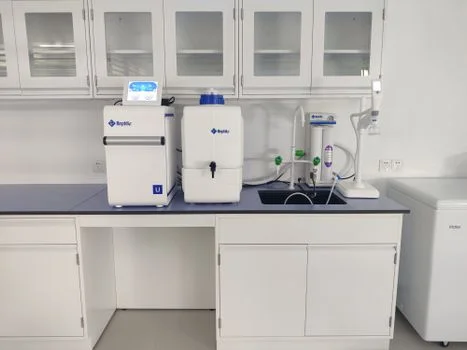
Membrane Bio-Reactor (MBR) technology achieves up to 95% COD removal and 99% pathogen reduction, making it the most effective solution for meeting stringent MoH standards in space-constrained urban hospitals. For Myanmar facilities, the choice of technology depends heavily on available footprint, technical expertise of the staff, and the specific composition of the influent. While traditional septic systems are common, they are increasingly insufficient for modern medical waste loads.
Advanced MBR systems for hospital wastewater treatment in Myanmar offer the highest effluent quality, often exceeding MoH requirements. This is particularly beneficial for hospitals looking to reuse treated water for non-potable applications like irrigation or cooling towers. For facilities with high levels of suspended solids or fats from hospital kitchens, DAF systems for high-solid hospital wastewater provide an essential primary treatment stage to protect downstream biological processes.
| Feature | MBR (HydropureWater DF) | DAF | Chemical Dosing | Johkasou (Decentralized) |
|---|---|---|---|---|
| COD Removal | 92–98% | 40–60% (Primary) | 70–80% | 80–85% |
| Pathogen Kill | 99.9% | Low | Moderate | 90% |
| Footprint (m²/m³) | 0.5 | 1.2 | 2.0 | 1.5 |
| OPEX ($/m³) | $0.50 – $0.80 | $0.30 – $0.50 | $0.20 – $0.40 | $0.40 – $0.60 |
| Maintenance | Membrane cleaning | Sludge removal | Daily calibration | Annual desludging |
In the context of hospital wastewater solutions in Southeast Asia, Myanmar facilities are increasingly adopting decentralized Johkasou systems for smaller township clinics. However, for 100+ bed hospitals in Yangon, the MBR’s small footprint and superior MBR effluent quality benchmarks make it the preferred engineering choice despite the higher initial investment.
Cost Breakdown: CAPEX and OPEX for Hospital Wastewater Systems in Myanmar (2025)
Capital expenditure (CAPEX) for a 50 m³/day hospital wastewater treatment system in Myanmar typically ranges from $40,000 for chemical dosing to $120,000 for advanced MBR systems (HydropureWater field data, 2025). Procurement officers must balance these initial costs against long-term operational expenses (OPEX) and the risk of non-compliance fines. In the Myanmar market, energy and chemical availability are the primary drivers of OPEX variability.
Operational costs are generally divided into energy, chemicals, labor, and maintenance. For a standard 50 m³/day facility, MBR systems require more energy for aeration and membrane scouring but significantly fewer chemicals than traditional dosing systems. Conversely, DAF systems have high chemical costs due to the need for coagulants and flocculants but lower energy demands. Labor costs in Myanmar remain relatively low, but the requirement for skilled technicians to manage MBR systems can increase the payroll compared to simpler sedimentation units.
| System Capacity | MBR CAPEX (Est.) | DAF CAPEX (Est.) | Annual OPEX (Avg.) |
|---|---|---|---|
| 20 m³/day (Small Clinic) | $60,000 – $75,000 | $35,000 – $45,000 | $4,000 – $6,000 |
| 50 m³/day (Medium Hospital) | $90,000 – $120,000 | $60,000 – $80,000 | $8,000 – $12,000 |
| 100 m³/day (Large Hospital) | $150,000 – $190,000 | $100,000 – $130,000 | $15,000 – $22,000 |
ROI calculations suggest a payback period of 5–7 years for MBR systems when accounting for the potential avoidance of MoH fines and the ability to recycle water for landscaping. Hidden costs often overlooked by Myanmar procurement teams include sludge disposal fees ($0.05–$0.15/m³), monthly compliance testing at MoH-approved labs ($500–$1,500/year), and the initial MoH discharge permitting fees, which can range from $200 to $1,000 depending on facility size and location.
Zero-Risk System Selection: A Decision Framework for Myanmar Hospitals
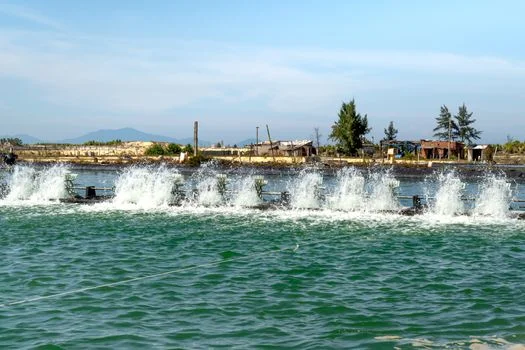
Sizing a hospital wastewater treatment plant in Myanmar requires an estimated hydraulic load of 0.5 to 0.8 m³ per bed per day, depending on the facility's specialized services and occupancy rates. Over-sizing leads to wasted CAPEX and inefficient biological processes, while under-sizing results in immediate non-compliance during peak flow hours. A structured framework ensures the selected system matches both the facility’s needs and the regulatory environment.
The first step is a comprehensive influent analysis. Hospitals must test for COD, BOD, TSS, and specific pathogens through MoH-approved laboratories in Yangon or Mandalay. This data determines the required removal efficiency. For example, a hospital with a high surgical volume will produce effluent with higher concentrations of disinfectants and blood, requiring more robust pre-treatment and possibly compact medical wastewater treatment for small hospitals with specialized advanced oxidation stages.
| Constraint | Recommendation | Technology Fit |
|---|---|---|
| Limited Land (Urban) | Maximize vertical space | MBR (Integrated) |
| High Solids/FOG | Primary separation focus | DAF + Biological |
| Low Technical Staff | Automated, simple cycles | Johkasou or SBR |
| Strict Pathogen Limits | Multi-stage disinfection | MBR + UV/Ozone |
Once the technology is selected, facility managers should verify vendor performance guarantees. A "zero-risk" proposal must include a written guarantee that the effluent will meet MoH 2025 standards for a minimum of 24 months, provided the influent remains within the design specs. This shifts the compliance risk from the hospital to the equipment manufacturer, providing a crucial safety net for procurement officers.
Compliance Checklist: 10 Steps to MoH-Approved Hospital Wastewater Treatment
Effective hospital wastewater compliance begins with the mandatory segregation of infectious and hazardous liquid waste from general domestic sewage as per WHO guidelines. Following these ten steps ensures that a facility meets all Myanmar regulatory requirements and operates at peak efficiency.
- Waste Segregation: Implement color-coded drain systems to separate laboratory chemicals and pharmaceutical waste from general sanitary sewage.
- Pre-treatment: Use rotary mechanical bar screens to remove large solids and protect pumps.
- Equalization: Install equalization tanks with at least 8-12 hours of hydraulic retention time to buffer peak flows from morning ward cleaning.
- Biological Treatment: Ensure the aeration system is sized for the specific BOD load of the hospital.
- Disinfection: Implement on-site chlorine dioxide disinfection for hospital effluent to achieve >99.9% pathogen inactivation.
- Sludge Management: Utilize a plate and frame filter press to dewater biological sludge to <20% moisture for safe disposal.
- Monitoring: Install an effluent flow meter and sampling port for monthly MoH audits.
- Record-Keeping: Maintain a daily log of flow rates, chemical consumption, and sludge disposal volumes.
- Staff Training: Ensure operators are trained in universal precautions to prevent needle-stick injuries or exposure to aerosols.
- Permitting: Renew the MoH wastewater discharge permit annually and submit quarterly performance reports.
Frequently Asked Questions
What are the primary challenges for hospital wastewater treatment in Myanmar?
The primary challenges include inconsistent power supply, which can disrupt biological treatment processes, and a lack of specialized technical staff to maintain advanced systems like MBR. Additionally, the absence of centralized sludge disposal facilities means hospitals must manage their own dewatered waste, often leading to secondary environmental risks if not handled correctly via filter presses.
Is MBR technology too expensive for township hospitals in Myanmar?
While MBR has a higher CAPEX, it is often the most cost-effective solution for township hospitals with limited land. Because MBR systems are compact and produce high-quality effluent, they eliminate the need for large clarifiers and tertiary polishing filters. For very small facilities, a decentralized Johkasou system may be more budget-friendly, though it offers less consistency in meeting MoH standards.
How does the MoH enforce wastewater standards in private vs. public hospitals?
Currently, enforcement is more rigorous for private hospitals through the licensing renewal process. However, under the World Bank-funded Essential Health Services Access Project, public facilities are undergoing systematic upgrades. The MoH Environmental Health Division is increasing unannounced inspections for all facility types, focusing on fecal coliform and COD levels as primary indicators of system failure.
Can treated hospital wastewater be used for irrigation in Myanmar?
Yes, provided the effluent meets the WHO 2024 standards for unrestricted irrigation. This requires fecal coliform levels <1,000 MPN/100mL and the removal of residual pharmaceuticals. MBR systems are particularly well-suited for this, as the membrane provides a physical barrier against most pathogens, making the water safe for landscaping and green space maintenance within the hospital compound.
What is the typical lifespan of a hospital wastewater system in Myanmar?
A well-maintained industrial-grade system should last 15–20 years. However, critical components like MBR membranes typically require replacement every 5–7 years, and pumps may need overhauling every 3–5 years. Using high-quality stainless steel (SUS304/316) for tanks and internal components is essential in Myanmar’s humid climate to prevent premature corrosion and system failure.