Why Cluj Hospitals Are Failing Wastewater Compliance Tests
Cluj hospitals face strict EU Directive 91/271/EEC discharge limits for COD (<125 mg/L), BOD (<25 mg/L), and TSS (<35 mg/L), but 19% of local hospital effluents exceed pH limits (6.5–8.5), and pharmaceutical residues remain a persistent challenge. On-site treatment systems like MBR (95%+ COD removal) or ozone disinfection (99%+ pathogen kill) can achieve compliance, but selection depends on flow rate, footprint, and budget—centralized WWTP upgrades in Cluj have improved efficiency, but on-site systems offer faster ROI for high-risk facilities.
The primary driver of non-compliance in Cluj-Napoca is the chemical complexity of hospital effluent, which often bypasses traditional municipal treatment mechanisms. Research indicates that pharmaceutical residues, specifically carbamazepine and diclofenac, are found in the Somes River at mass flows 2–3× higher near hospital catchment areas compared to upstream samples (Springer study data). While the Cluj-Napoca Wastewater Treatment Plant (WWTP) has undergone significant upgrades to its tertiary treatment stages, it remains a centralized system designed for domestic sewage, not the concentrated chemical and biological loads generated by large medical facilities.
Data from local environmental assessments show that nearly one-fifth of hospital effluent samples in Cluj fail to meet the mandated pH range of 6.5–8.5, frequently skewing alkaline due to heavy use of cleaning agents and laboratory reagents. Under Romanian Water Law 107/1996, these deviations trigger immediate fines and can lead to the suspension of discharge permits. the Cluj WWTP, which serves approximately 350,000 population equivalents (PE), faces significant strain during peak hydraulic loads. When hospitals discharge high-TSS (Total Suspended Solids) or high-COD (Chemical Oxygen Demand) loads during these peaks, the municipal system cannot guarantee the removal of recalcitrant pharmaceuticals, leaving the hospital legally liable for the environmental impact on the Somes River basin.
The infrastructure challenge is compounded by the age of many hospital facilities in the Cluj city center. Limited space for expansive settling tanks makes traditional activated sludge systems non-viable. Consequently, facility managers are increasingly forced to choose between paying escalating non-compliance surcharges to Compania de Apa Somes or investing in compact, high-efficiency on-site treatment technologies that can handle the specific pharmaceutical and pathogen profiles of medical wastewater.
EU Directive 91/271/EEC and Romanian Hospital Wastewater Standards: What Cluj Facilities Must Meet
Compliance for Cluj hospitals is governed by a multi-layered regulatory framework that synchronizes European Union mandates with local Romanian enforcement. The foundational regulation is EU Directive 91/271/EEC, which sets the baseline for urban wastewater treatment. However, for hospital facility managers, the most critical document is Romanian Order 188/2002 (incorporating NTPA-002 and NTPA-001), which defines the technical limits for discharging into the public sewer system versus direct discharge into surface waters.
For hospitals discharging into the Cluj-Napoca municipal sewer system (NTPA-002), the limits are strict but focused on protecting the biological processes of the downstream WWTP. If a hospital operates its own discharge point into a watercourse, it must adhere to NTPA-001, which is significantly more stringent regarding nutrients and heavy metals. Failure to meet these standards results in penalties under Law 107/1996, with fines for Cluj-based facilities often reaching €20,000 per year for repeated violations. To ensure total risk mitigation, engineers must design systems that target the following parameters:
| Parameter | EU Directive 91/271/EEC Limit | Romanian Order 188/2002 (NTPA-002) | Cluj Municipal (Somes) Target |
|---|---|---|---|
| COD (Chemical Oxygen Demand) | <125 mg/L | <125 mg/L | <100 mg/L |
| BOD5 (Biochemical Oxygen Demand) | <25 mg/L | <25 mg/L | <20 mg/L |
| TSS (Total Suspended Solids) | <35 mg/L | <60 mg/L | <35 mg/L |
| pH Range | N/A | 6.5 – 8.5 | 6.5 – 8.5 |
| Fecal Coliforms | <1,000 CFU/100 mL | Monitor Required | <500 CFU/100 mL |
| Residual Chlorine | N/A | <0.5 mg/L | <0.2 mg/L |
Beyond these bulk parameters, EU Directive 91/271/EEC compliance strategies for hospitals increasingly emphasize the removal of "priority substances," including endocrine disruptors and antibiotic-resistant bacteria (ARB). While the Cluj regional water company, Compania de Apa Somes, has improved its infrastructure, the legal burden for pre-treatment remains with the producer. This means hospitals must achieve a high "log reduction" of pathogens before the effluent leaves the facility boundary to avoid being flagged during monthly audit samplings.
Hospital Wastewater Treatment Technologies: How Cluj Facilities Can Achieve Compliance
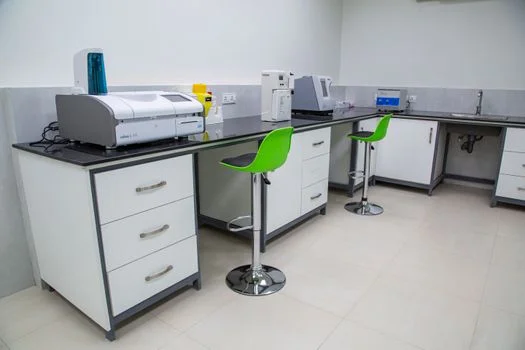
To meet the rigorous standards of Cluj’s environmental regulators, hospitals must move beyond simple grease traps and basic chlorination. Modern engineering solutions focus on high-intensity separation and advanced oxidation to neutralize pharmaceuticals and pathogens. The selection of technology is driven by the specific flow rates of the facility—ranging from small private clinics to large university hospitals—and the available footprint in Cluj’s dense urban environment.
Membrane Bioreactors (MBR) represent the gold standard for hospital wastewater treatment. By combining biological degradation with membrane ultrafiltration (typically <0.1 μm), MBR systems for Cluj hospital wastewater achieve 95%+ COD removal and virtually eliminate TSS. The compact nature of MBR is particularly advantageous for Cluj hospitals, as the system requires a footprint 60% smaller than traditional activated sludge plants because it eliminates the need for secondary clarifiers. the membrane barrier provides a significant physical reduction in bacteria and viruses, simplifying the downstream disinfection process.
For facilities with high concentrations of suspended solids or fats, oils, and grease (FOG)—common in hospitals with large catering wings—Dissolved Air Flotation (DAF) is an essential pretreatment step. Using microbubbles to float contaminants to the surface, DAF systems for Cluj hospital effluent pretreatment can remove up to 97% of TSS and 90% of FOG. This protects downstream membranes or biological stages from fouling, ensuring the longevity of the equipment and reducing maintenance costs.
Disinfection is the final, non-negotiable step. While chlorine has historically been used, ozone disinfection for hospital wastewater in Cluj is becoming the preferred method for removing pharmaceutical residues like carbamazepine, which are resistant to chlorine. Ozone offers a 99%+ pathogen kill rate without leaving harmful chemical residuals. Alternatively, for hospitals seeking a more cost-effective but highly reliable solution, chlorine dioxide disinfection for Cluj hospital wastewater provides superior efficacy against biofilms and Legionella compared to standard sodium hypochlorite, with lower CapEx requirements than ozone systems.
| Technology | Primary Removal Target | Efficiency (COD/TSS) | Footprint | Operational Complexity |
|---|---|---|---|---|
| MBR (Integrated) | COD, BOD, Pathogens | 95% / 99% | Very Small | Medium (Automated) |
| DAF Machine | TSS, FOG, Heavy Metals | 40% / 97% | Medium | Medium (Chemical Dosing) |
| Ozone Generation | Micro-pollutants, Viruses | N/A (Oxidation) | Small | High (Technical) |
| ClO2 Generator | Bacteria, Biofilms | N/A (Disinfection) | Very Small | Low/Medium |
On-Site vs. Centralized Treatment for Cluj Hospitals: Costs, Compliance, and ROI
The decision to install an on-site treatment system versus relying entirely on the Cluj municipal WWTP is a financial and risk-management calculation. While the municipal system charges a base rate of €0.50–€1.20/m³, hospitals often face "penalizing surcharges" if their effluent exceeds the thresholds for COD or TSS. In Cluj, these surcharges can triple the cost per cubic meter, making on-site treatment a high-ROI investment for facilities with flows exceeding 50 m³/day.
An on-site MBR or DAF system involves a significant initial CapEx, typically ranging from €50,000 for a small clinic to €200,000 for a large multi-wing hospital. However, the OpEx—covering electricity, chemicals, and membrane replacement—generally stays between €10 and €20 per cubic meter of treated water. When compared against the risk of €20,000 annual fines and the high surcharges from Compania de Apa Somes, the payback period for an on-site system is often between 3 and 5 years.
Consider a hypothetical 300-bed hospital in Cluj-Napoca generating 150 m³ of wastewater daily. If this hospital discharges untreated effluent with COD levels at 300 mg/L (well above the 100 mg/L local limit), the surcharges and municipal fees could exceed €80,000 annually. By installing an on-site MBR system with a capital cost of €150,000, the hospital reduces its discharge fees to the base rate and eliminates fines. Including annual OpEx of €15,000, the hospital achieves a net saving of €65,000 per year, leading to a full ROI in approximately 2.3 years.
| Factor | Centralized (Cluj WWTP Only) | On-Site Treatment (MBR/Ozone) |
|---|---|---|
| Annual CapEx Amortization | €0 | €15,000 – €40,000 |
| Discharge Fees/Surcharges | High (Variable) | Low (Fixed Base) |
| Regulatory Risk | High (Liable for Peaks) | Low (Full Control) |
| Pharmaceutical Removal | Inconsistent | 90%+ Removal |
| Typical ROI Period | N/A | 3 – 5 Years |
| *Based on HydropureWater field data (2025) and Compania de Apa Somes tariff structures. | ||
on-site systems provide a "compliance buffer." Because the Cluj WWTP is sensitive to peak hydraulic loads during heavy rainfall, hospitals with on-site equalization and treatment tanks can buffer their discharge, ensuring they never exceed the hourly flow limits set by the city. This technical control is essential for how healthcare wastewater systems work in 2025 to ensure zero-risk operations.
Step-by-Step Compliance Checklist for Cluj Hospital Wastewater Treatment
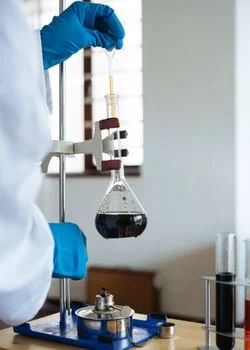
Achieving and maintaining compliance in Cluj requires a systematic approach to engineering and documentation. Use the following checklist to ensure your facility meets both EU and Romanian standards:
- Baseline Effluent Characterization: Conduct 24-hour composite sampling to determine average and peak concentrations of COD, BOD, TSS, pH, and specific pharmaceutical markers (carbamazepine, ibuprofen).
- Regulatory Gap Analysis: Compare baseline data against Romanian Order 188/2002 (NTPA-002) and the specific contract limits provided by Compania de Apa Somes.
- Technology Selection: Evaluate MBR for high-strength organic removal or DAF for high-solids pretreatment. Ensure the system is sized for 120% of current peak flow to account for future hospital expansion.
- Disinfection Implementation: Install a chlorine dioxide generator or ozone system. Aim for a minimum 4-log reduction (99.99%) of enteric pathogens to comply with EU Directive 91/271/EEC health safety standards.
- Equalization Tank Installation: Implement an equalization tank with a minimum 6-8 hour hydraulic retention time (HRT) to neutralize pH swings and stabilize flow rates before treatment.
- Automated Monitoring: Install continuous pH and flow meters at the final discharge point. These should be calibrated quarterly to meet Cluj Environmental Protection Agency audit requirements.
- Documentation and Reporting: Maintain a log of chemical usage, sludge disposal certificates, and monthly lab results. Submit required reports to Compania de Apa Somes and the National Administration "Romanian Waters" (Somes-Tisa Basin Administration).
Frequently Asked Questions
Do Cluj hospitals need on-site treatment if they discharge to the municipal sewer?
Yes, most hospitals require at least pretreatment (pH adjustment and disinfection) to meet NTPA-002 standards and avoid heavy surcharges from Compania de Apa Somes for high COD/TSS levels.
What is the most effective way to remove pharmaceutical residues in Cluj?
Ozone disinfection and MBR systems are the most effective, achieving over 90% removal of recalcitrant compounds like diclofenac, which standard biological treatment often misses.
What are the fines for non-compliance in Cluj County?
Under Romanian Law 107/1996, hospitals can face fines up to €20,000 per year, plus the potential for operational suspension if discharge limits for toxic substances are repeatedly exceeded.
How often must hospital wastewater be tested?
Typically, Romanian regulations require monthly sampling for standard parameters (COD, BOD, TSS, pH) and annual comprehensive audits for heavy metals and priority pollutants.
Can MBR systems handle the high disinfectant concentrations in hospital water?
Yes, MBR systems are designed to handle variable loads, though high concentrations of certain disinfectants may require a pretreatment equalization tank to protect the biological flora.