Hospital wastewater in Ulaanbaatar requires specialized treatment to meet Mongolia's stringent discharge standards, including physicochemical processes for pathogen and pharmaceutical removal. With the city's central wastewater treatment plant nearing capacity and hospitals facing non-compliance risks, compact systems like MBR (Membrane Bioreactor) or chemical disinfection units (e.g., chlorine dioxide generators) offer cost-effective solutions. For example, the Amgalan Water Recycling Scheme handles 140,000 m³/year of industrial wastewater, but hospital effluent demands higher disinfection efficiency (99.99% pathogen kill rate) and smaller footprints for onsite deployment.
Why Hospital Wastewater in Ulaanbaatar Needs Specialized Treatment
Hospital effluent contains a complex mixture of contaminants, including high concentrations of pathogens, pharmaceuticals, and chemical residues, which pose significant public health and environmental risks if untreated (WHO 2023 guidelines). Unlike typical domestic sewage, medical wastewater includes antibiotics, disinfectants, heavy metals from dental amalgam, contrast agents, and various pathogenic microorganisms (e.g., E. coli, viruses, antibiotic-resistant bacteria) that are not effectively removed by conventional municipal wastewater treatment processes. These unique contaminants necessitate specialized treatment before discharge to protect both public health and the environment in Ulaanbaatar.
Mongolia's discharge standards for medical wastewater, outlined in Mongolian National Standard MNS 458:2020, are stringent. Key parameters include a Biochemical Oxygen Demand (BOD) of ≤ 20 mg/L, Chemical Oxygen Demand (COD) of ≤ 100 mg/L, Total Suspended Solids (TSS) of ≤ 30 mg/L, and a fecal coliform count of ≤ 1,000 CFU/100 mL. Meeting these Ulaanbaatar hospital sewage standards requires advanced treatment beyond primary settling.
Ulaanbaatar's central wastewater treatment plant (WWTP), constructed between 1969 and 1986, is nearing the end of its operational life and is frequently overloaded due to rapid urban growth and increased industrial discharge (MDPI, 2023). This facility was primarily designed for domestic wastewater and lacks the tertiary treatment stages required to effectively remove hospital-specific contaminants like pharmaceuticals, heavy metals, and high pathogen loads. Consequently, hospitals in Ulaanbaatar discharging directly to the municipal sewer system without adequate onsite pretreatment face elevated risks of non-compliance and potential fines. For instance, a 2023 audit of a major Ulaanbaatar hospital (without naming the National Center for Maternal and Child Health) revealed effluent exceeding BOD limits by 40% due to an inadequate onsite pretreatment system, highlighting the urgent need for robust medical effluent treatment in Mongolia.
Mongolia's Regulatory Landscape for Hospital Wastewater Treatment
Mongolia's regulatory framework, primarily MNS 458:2020, mandates stringent pretreatment and discharge limits for hospital wastewater, reflecting the unique hazards associated with medical effluent. This national standard specifically outlines the permissible discharge limits for various parameters from medical facilities, including pH, BOD, COD, TSS, pathogens, and certain heavy metals, before the wastewater can be released into the central sewage system or directly to natural water bodies. Mandatory pretreatment is a cornerstone of this regulation, ensuring that hazardous components are neutralized or reduced at the source.
Beyond MNS 458:2020, broader environmental legislation reinforces compliance. The Law on Water (2012) and the Environmental Protection Law (2015) impose significant penalties for non-compliance, with fines reaching up to ₮50 million (approximately $14,500 USD) for institutions failing to meet discharge standards (Mongolian Environmental Agency, 2024). These substantial penalties underscore the financial imperative for hospitals to invest in effective hospital wastewater treatment equipment.
To operate legally, hospitals must obtain a wastewater discharge permit from the Ulaanbaatar City Environmental Department. This process typically involves submitting detailed plans of the proposed treatment system, demonstrating its capacity to meet MNS 458:2020 standards, and committing to quarterly effluent testing. Regular monitoring and reporting are essential for maintaining compliance. While physicochemical treatment is broadly recommended for hospital wastewater due to its effectiveness in removing diverse contaminants, the regulations do not mandate a specific technology. This flexibility allows hospitals to select cost-effective and space-efficient compact wastewater treatment systems that best suit their specific needs and site conditions, as long as they achieve the required MNS 458:2020 discharge limits.
| Parameter | Discharge Limit | Unit |
|---|---|---|
| pH | 6.5 - 8.5 | - |
| BOD₅ | ≤ 20 | mg/L |
| COD | ≤ 100 | mg/L |
| TSS | ≤ 30 | mg/L |
| Fecal Coliform | ≤ 1,000 | CFU/100 mL |
| Total Nitrogen (TN) | ≤ 20 | mg/L |
| Total Phosphorus (TP) | ≤ 2 | mg/L |
| Oil & Grease | ≤ 5 | mg/L |
| Heavy Metals (e.g., Hg, Cd, Pb) | Trace limits | μg/L |
Treatment Technologies for Hospital Wastewater: A Comparison for Ulaanbaatar Hospitals
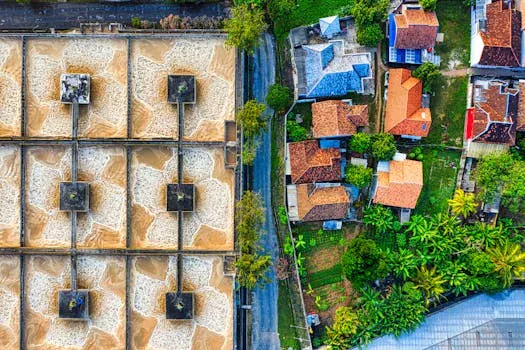
The selection of hospital wastewater treatment technology in Ulaanbaatar must carefully consider effluent characteristics, regulatory compliance, site constraints, and the city's extreme climate. Advanced systems offer distinct advantages for medical effluent treatment in Mongolia, particularly regarding pathogen removal and space efficiency.
Membrane Bioreactor (MBR) systems are highly effective, producing near-reuse-quality effluent through a combination of biological treatment and membrane filtration (<1 μm filtration). These compact MBR systems for hospital wastewater treatment achieve exceptional pathogen removal, typically exceeding 99.99%, making them ideal for sensitive applications and potential water reuse in Ulaanbaatar hospitals. While MBR systems generally have higher energy consumption (0.8–1.2 kWh/m³) and capital costs (estimated ₮250–400 million for a 50 m³/day system, or ₮500–700 million for 100 m³/day), their footprint is significantly smaller—up to 60% less than conventional activated sludge systems. This makes them highly suitable for hospitals with limited space in urban Ulaanbaatar. For more on MBR performance, refer to MBR effluent quality benchmarks for hospital wastewater.
Chemical Disinfection systems, particularly those using chlorine dioxide (ClO₂) generators, offer a highly effective solution for achieving a 99.99% pathogen kill rate. These systems have a remarkably low footprint (e.g., 0.5 m² for a 10 m³/day unit) and are relatively quick to install. Capital costs for an on-site chlorine dioxide generator for hospital effluent disinfection typically range from ₮50–100 million, with ongoing chemical costs of ₮2–5 million per month. While effective for disinfection, they require careful chemical handling, residual monitoring, and may not address other contaminants like COD or pharmaceuticals as comprehensively as MBR without additional upstream treatment.
Dissolved Air Flotation (DAF) systems are effective for removing fats, oils, and grease (FOG) and Total Suspended Solids (TSS), achieving 92–97% efficiency. They are particularly suitable for hospitals with high organic loads from kitchens or laundry facilities, which contribute significantly to the overall COD in hospital wastewater. However, DAF primarily functions as a primary or secondary treatment and requires subsequent disinfection for pathogen removal. Capital costs for a 20–50 m³/day DAF system typically range from ₮150–300 million.
Conventional Activated Sludge systems represent a more traditional biological treatment approach. They have a lower capital cost (₮100–200 million for a 50 m³/day system) but require a significantly larger footprint. Their pathogen removal efficiency (85–95%) is generally inconsistent and insufficient for hospital wastewater without tertiary disinfection, making them less ideal for standalone hospital use where stringent pathogen limits are critical. Strategies to reduce COD in hospital wastewater often involve combining these technologies.
Climate considerations are paramount for wastewater treatment equipment for hospitals in Ulaanbaatar. The city experiences extreme sub-zero winter temperatures, often plummeting to -30°C. This requires treatment systems to be insulated, housed indoors, or installed underground (e.g., HydropureWater's WSZ Series underground package plants) to prevent freezing of pipes, tanks, and biological processes. Such measures add to the overall system design and cost but are essential for reliable year-round operation.
| Technology | Key Advantages | Disadvantages | Pathogen Removal Efficiency | Footprint (Relative) | CAPEX (50 m³/day, est.) | OPEX (per m³, est.) |
|---|---|---|---|---|---|---|
| MBR (Membrane Bioreactor) | High effluent quality, compact, water reuse potential | Higher energy use, membrane replacement | >99.99% | Smallest (60% less than conventional) | ₮250–400 million | ₮3,000–5,000 |
| Chemical Disinfection (ClO₂) | High pathogen kill, very low footprint, fast deployment | Requires chemical handling, limited COD/pharmaceutical removal | >99.99% | Very Small | ₮50–100 million (generator only) | ₮1,500–3,000 |
| DAF (Dissolved Air Flotation) | Effective FOG/TSS removal, handles high organic loads | Requires secondary disinfection, sludge disposal | Low (needs secondary) | Medium | ₮150–300 million | ₮2,000–4,000 |
| Conventional Activated Sludge | Lower initial capital cost | Large footprint, inconsistent pathogen removal, needs tertiary | 85–95% (without tertiary) | Largest | ₮100–200 million | ₮1,000–2,500 |
Cost Breakdown: Hospital Wastewater Treatment Systems in Ulaanbaatar
The total cost of ownership for hospital wastewater treatment systems in Ulaanbaatar encompasses significant capital expenditures (CAPEX) and ongoing operational costs (OPEX), which vary widely by technology and capacity. Understanding these costs is critical for procurement officers and facility managers evaluating medical effluent treatment in Mongolia.
Capital Costs (CAPEX) for various hospital wastewater treatment systems in Ulaanbaatar are substantial, reflecting the need for specialized equipment and infrastructure:
- MBR Systems: For a 50 m³/day system, CAPEX typically ranges from ₮250–400 million. Larger systems, such as 100 m³/day, can cost ₮500–700 million.
- Chemical Disinfection (ClO₂): The cost for a chlorine dioxide generator itself is generally ₮50–100 million. This does not include any necessary upstream or downstream treatment.
- DAF Systems: A 20–50 m³/day DAF system can cost between ₮150–300 million.
- Conventional Activated Sludge: For a 50 m³/day capacity, CAPEX is lower, estimated at ₮100–200 million, but this often requires additional costs for tertiary treatment to meet hospital standards.
Operating Costs (OPEX) are recurring expenses that include energy, chemicals, maintenance, sludge disposal, and labor. These are often expressed per cubic meter of treated water:
- MBR Systems: OPEX can range from ₮3,000–5,000 per m³ treated. This includes energy consumption (0.8–1.2 kWh/m³), routine maintenance, and membrane replacement, which typically occurs every 5–8 years.
- Chemical Disinfection (ClO₂): OPEX is lower, around ₮1,500–3,000 per m³, primarily driven by the cost of chemicals (₮2–5 million/month for a typical hospital) and generator maintenance.
- DAF Systems: OPEX is estimated at ₮2,000–4,000 per m³, covering chemicals (coagulants, flocculants), energy for pumps, and sludge disposal costs.
- Conventional Activated Sludge: OPEX can be ₮1,000–2,500 per m³, but this often increases if additional disinfection or advanced nutrient removal is added.
Return on Investment (ROI) Drivers for investing in compliant hospital wastewater treatment in Ulaanbaatar extend beyond mere compliance:
- Avoiding Fines: Non-compliance with MNS 458:2020 can result in substantial fines, potentially up to ₮50 million per year, making a compliant system a financial necessity.
- Water Reuse: Treating wastewater to a quality suitable for non-potable applications (e.g., irrigation, toilet flushing, cooling towers) can significantly reduce a hospital's reliance on municipal water supplies. This can lead to a 30–50% reduction in water bills, according to World Bank 2023 data on Ulaanbaatar water tariffs, offering a direct and measurable financial benefit.
- Government Grants: The Mongolian Ministry of Environment actively promotes sustainable water management. Hospitals investing in water reuse projects may be eligible for significant subsidies, often covering 30–50% of the project's capital costs. Applications typically involve submitting a detailed project proposal, environmental impact assessment, and demonstrating the project's contribution to water conservation.
For a broader understanding of costs, refer to the 2025 cost guide for hospital wastewater treatment systems.
| Technology | Estimated CAPEX (₮ Millions) | Estimated OPEX (₮/m³ Treated) | Key OPEX Drivers |
|---|---|---|---|
| MBR (50 m³/day) | 250–400 | 3,000–5,000 | Energy, membrane replacement, sludge disposal |
| MBR (100 m³/day) | 500–700 | 3,000–5,000 | Energy, membrane replacement, sludge disposal |
| Chemical Disinfection (ClO₂ Generator) | 50–100 | 1,500–3,000 | Chemicals, maintenance |
| DAF (20–50 m³/day) | 150–300 | 2,000–4,000 | Chemicals, energy, sludge disposal |
| Conventional Activated Sludge (50 m³/day) | 100–200 | 1,000–2,500 | Energy, sludge disposal, aeration |
Step-by-Step Guide to Selecting a Hospital Wastewater Treatment System for Ulaanbaatar

With a clear understanding of the financial implications, hospitals can now proceed with a structured approach to selecting the most suitable treatment system.
The selection of an optimal hospital wastewater treatment system in Ulaanbaatar involves a systematic seven-step process, starting with a thorough assessment of influent characteristics and concluding with permit acquisition. This framework helps procurement managers and environmental engineers make informed decisions for medical effluent treatment in Mongolia.
- Step 1: Assess Influent Characteristics. Begin by thoroughly testing the hospital's raw wastewater for key parameters. This includes Biochemical Oxygen Demand (BOD), Chemical Oxygen Demand (COD), Total Suspended Solids (TSS), pathogen loads (e.g., fecal coliform), pH, Fats, Oils, and Grease (FOG), and specific pharmaceutical residues. For example, a 200-bed hospital in Ulaanbaatar typically generates approximately 150 m³/day of wastewater with BOD levels ranging from 300–500 mg/L. Accurate sampling methods and analysis by accredited laboratories in Ulaanbaatar are crucial to define the treatment challenge.
- Step 2: Determine Discharge Requirements. Identify whether the treated effluent will be discharged to the municipal sewer, directly to a natural water body (e.g., Tuul River), or reused onsite. Each pathway has different Ulaanbaatar hospital sewage standards. Direct discharge to the Tuul River, for instance, typically requires stricter limits for parameters like BOD (e.g., ≤ 10 mg/L) compared to sewer discharge.
- Step 3: Evaluate Site Constraints. Consider physical limitations such as available space for the treatment plant, access to reliable power, and the severe Ulaanbaatar climate. Hospitals with limited ground space or those seeking to minimize visual impact may benefit from compact wastewater treatment systems, including underground systems like HydropureWater's WSZ Series, which are also ideal for harsh winters.
- Step 4: Compare Technologies. Utilize the comparison table from the previous section to evaluate different treatment technologies based on their technical performance, footprint, and suitability for the specific influent characteristics and discharge requirements. Prioritize systems that offer high pathogen removal efficiency (aiming for a 99.99% kill rate) and have a compact footprint for urban hospitals.
- Step 5: Request Quotes from Suppliers. Obtain detailed proposals from reputable suppliers of hospital wastewater treatment equipment. Include HydropureWater and 2–3 local vendors to ensure competitive pricing and local support. Request references from other hospitals in Ulaanbaatar or regions with similar climatic conditions.
- Step 6: Calculate Total Cost of Ownership (TCO). Beyond initial CAPEX, project the operating costs (OPEX) over a 10-year lifespan. Use the cost data provided in the previous section to compare the long-term financial implications of each system, including energy, chemicals, maintenance, and sludge disposal.
- Step 7: Apply for Permits and Subsidies. Initiate the application process for the wastewater discharge permit with the Ulaanbaatar City Environmental Department. Simultaneously, explore eligibility for government grants and subsidies from the Mongolian Ministry of Environment, particularly for projects incorporating water reuse in Ulaanbaatar hospitals.
For further guidance on compliance, refer to articles on regional standards, suchs as industrial compliance guides.
Case Study: Retrofitting a 150-Bed Hospital in Ulaanbaatar with an MBR System
To illustrate these steps in practice, consider the following case study of a successful MBR system retrofit in an Ulaanbaatar hospital.
A 150-bed hospital in Ulaanbaatar successfully retrofitted its wastewater infrastructure with a 150 m³/day Membrane Bioreactor (MBR) system, achieving full compliance with MNS 458:2020 standards and realizing significant operational savings. Initially, the hospital faced severe non-compliance risks, discharging approximately 120 m³/day of untreated wastewater directly to the municipal sewer. An internal audit revealed alarming effluent parameters: BOD of 450 mg/L, COD of 800 mg/L, and fecal coliform counts exceeding 10^6 CFU/100 mL, far surpassing MNS 458:2020 discharge limits and posing significant public health and environmental hazards.
The solution involved installing a 150 m³/day HydropureWater MBR Series system with integrated disinfection. Given the hospital's limited urban footprint, an underground installation was chosen, occupying a compact 20 m². The system's design accounted for Ulaanbaatar's harsh winters, incorporating insulated piping and heated membrane tanks to prevent freezing and ensure continuous operation.
The results were transformative:
- Effluent Quality: Post-treatment, effluent BOD was consistently reduced to 5 mg/L, COD to 30 mg/L, and fecal coliform to less than 10 CFU/100 mL, fully meeting the stringent MNS 458:2020 standards.
- Water Reuse: Approximately 80 m³/day of treated water was reused for non-potable applications, including landscape irrigation and cooling towers, resulting in a 40% reduction in the hospital's monthly municipal water bills.
- Payback Period: Including a ₮30 million government subsidy for water conservation, the system's payback period was calculated at an impressive 4.5 years.
Key lessons learned from this project included the critical importance of adequate pre-treatment (screening and equalization) to prevent membrane fouling, which was initially a challenge due to high solid loads. Implementing a robust staff training program on system operation and maintenance led to a 15% reduction in energy use. The necessity of insulated piping and heated membrane tanks for reliable winter operation in Ulaanbaatar's sub-zero climate was strongly reaffirmed.
Frequently Asked Questions
This section addresses common inquiries and provides concise answers regarding hospital wastewater treatment in Ulaanbaatar.
Q: What are the main contaminants in hospital wastewater in Ulaanbaatar?
A: Hospital wastewater contains a unique mix of pathogens (bacteria, viruses), pharmaceuticals (antibiotics, painkillers), disinfectants, heavy metals, and organic matter (BOD, COD) that are not typically found in domestic sewage.
Q: What are Mongolia's discharge standards for hospitals?
A: Mongolia's National Standard MNS 458:2020 sets specific limits for hospital effluent, including BOD ≤ 20 mg/L, COD ≤ 100 mg/L, TSS ≤ 30 mg/L, and fecal coliform ≤ 1,000 CFU/100 mL, requiring mandatory pretreatment.
Q: Why can't Ulaanbaatar's central WWTP handle hospital wastewater?
A: The central WWTP is overloaded and primarily designed for domestic sewage. It lacks the advanced tertiary treatment stages (e.g., membrane filtration, advanced oxidation) required to effectively remove hospital-specific contaminants like pharmaceuticals, heavy metals, and high concentrations of pathogens to meet MNS 458:2020 discharge limits.
Q: What are the best technologies for pathogen removal in hospital wastewater?
A: Membrane Bioreactors (MBR) and advanced chemical disinfection systems (e.g., chlorine dioxide generators) are highly effective, achieving >99.99% pathogen removal, which is crucial for medical effluent treatment in Mongolia.
Q: How does Ulaanbaatar's climate affect wastewater treatment systems for hospitals?
A: Ulaanbaatar's extreme winter temperatures (down to -30°C) necessitate climate-specific designs. Systems must be insulated, housed indoors, or installed underground to prevent freezing of pipes, tanks, and biological processes, ensuring continuous operation.
Q: Can treated hospital wastewater be reused in Ulaanbaatar hospitals?
A: Yes, with appropriate advanced treatment (e.g., MBR systems), hospital wastewater can be treated to a quality suitable for non-potable reuse applications like irrigation, toilet flushing, and cooling towers, significantly reducing municipal water consumption and operating costs.
Related Equipment
- automated hospital wastewater treatment units with ozone disinfection — view specifications, capacity range, and technical data
Need a customized solution? Request a free quote with your specific flow rate and pollutant parameters.