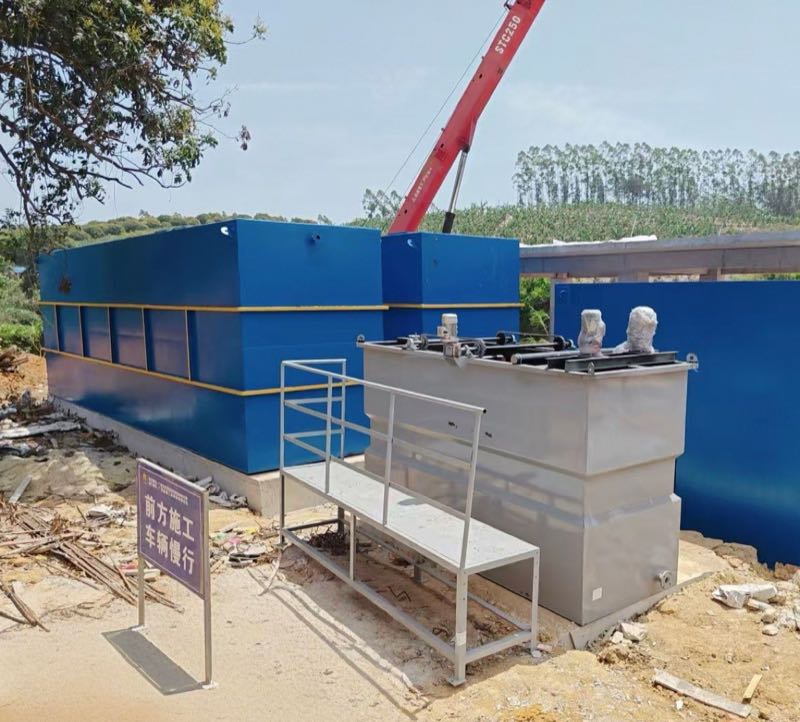
Industrial plants reduce COD by combining physical separation, biological oxidation, and, when needed, chemical or advanced oxidation steps matched to the influent. Activated sludge, membrane bioreactors (MBR), dissolved air flotation (DAF), and advanced oxidation processes (AOPs) commonly deliver over 90% COD removal when the train fits influent strength, biodegradability, and the permit limit.
What Is Chemical Oxygen Demand (COD)?
Chemical Oxygen Demand (COD) measures the oxygen needed to chemically oxidize organic and inorganic matter in a water sample, reported in mg/L. High industrial COD depletes dissolved oxygen in receiving waters and drives discharge permits. COD covers non-biodegradable organics that BOD5 misses, and dichromate tests return results in hours rather than five days.
According to US EPA Method 410.4 (1993), the approved colorimetric COD procedure digests the sample with dichromate at 150 degC for two hours. Absorbance is read at 600 nm across an applicable range of 3-900 mg/L. That speed is why operators use COD for daily control, while BOD5 remains the longer biodegradability check, as outlined in a complete overview of wastewater treatment steps.
COD values are typically higher than BOD5 for the same sample because the chemical oxidant attacks both biodegradable and refractory fractions.For analyzer selection and online monitoring practice, see the guide to selecting analyzers for wastewater monitoring.
What Causes High COD in Industrial Wastewater?
High COD in industrial wastewater comes mainly from organic and some inorganic loads released by process lines, cleaning, and product loss. Food and beverage, pulp and paper, textiles, and pharmaceuticals routinely discharge sugars, starches, proteins, fats, oils, and greases (FOG) that dominate the oxygen demand.
Suspended solids (TSS) add a large share of measurable COD. Fine raw-material particles, product scraps, and precipitates carry adsorbed organics that later dissolve. Most plants we size for food or chemical effluent therefore remove solids and FOG early, before biological reactors see the load.
Refractory organics raise a harder problem. Dyes, pesticides, solvents, and other synthetic compounds resist conventional biology and keep residual COD high after secondary treatment. Spills or undiluted chemical dumps create short-term COD spikes that need isolation and specialized treatment rather than dilution into the main train.
What COD Removal Methods Work Best?
COD removal methods work best when sequenced from coarse physical removal to biological oxidation, then to polishing for refractory residuals. Primary units cut particulate and FOG COD; secondary biology targets dissolved biodegradable COD; tertiary and AOP steps address color, toxicity, and non-biodegradable fractions.
Start with a BOD/COD ratio. A ratio near or above 0.5 at 20 degC usually supports aerobic or anaerobic biology as the main step. A low ratio signals refractory COD and points toward coagulation, adsorption, AOP, or membrane polishing after solids are controlled.
No single unit replaces a staged train. Plants that chase one technology label without characterizing settleable solids, FOG, and toxicity usually oversize the reactor or miss the permit on residual COD.
Primary Treatment: Physical Separation for Particulate COD
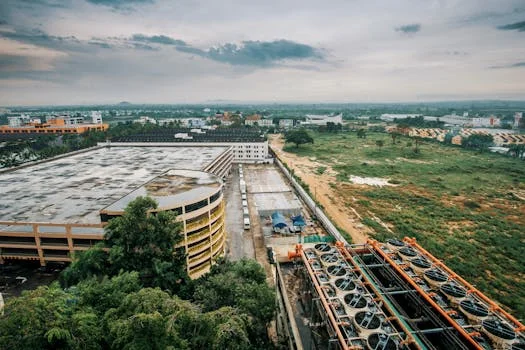
Primary treatment is the first purification stage for industrial wastewater, focused on physical separation of coarse solids, oils, and greases that inflate the COD load. Removing that fraction protects pumps and lowers the organic burden on secondary biology.
Screening comes first. Rotary mechanical bar screens capture rags, plastics, and coarse debris that contribute TSS-linked COD and foul downstream equipment. Grit chambers then settle sand and dense inorganics. Grit itself adds little COD, but it abrades pumps and creates dead zones that trap organics.
Sedimentation tanks, including compact lamella clarifiers, settle finer suspended solids and some colloids by gravity. Inclined plates raise settling area in a small footprint, which matters when land cost is high and solids COD is significant.
For FOG-rich or light colloidal streams, high-efficiency DAF systems release microbubbles that float solids and oils to a skimmer. On typical industrial FOG and TSS loads, DAF often achieves 50-80% COD reduction at this stage, depending on influent characteristics and coagulant use.
Secondary Treatment: Biological Removal of Dissolved COD
Secondary treatment uses microorganisms to break down dissolved and colloidal organics, often achieving 85-95% removal of readily biodegradable COD under stable aeration, pH, and nutrient control. This stage is the workhorse for organic pollutant removal once solids and FOG are under control.
Aerobic activated sludge: Aeration supplies oxygen so mixed liquor organisms oxidize dissolved organics to carbon dioxide, water, and biomass. For biodegradable industrial COD, removal is typically 85-95% when temperature, dissolved oxygen, and the C:N:P balance stay in range. Integrated biological package plants apply activated-sludge variants in compact footprints for moderate flows.
Anaerobic digestion: Very high-strength streams (COD often thousands of mg/L in food, brewery, or pulp wastewater) suit anaerobic pretreatment. Microbes convert organics to biogas in the absence of oxygen, commonly cutting COD by 60-90%. Anaerobic effluent still needs aerobic polishing to meet most surface-water discharge limits.
Membrane bioreactors (MBR): Advanced MBR systems combine biology with microfiltration or ultrafiltration membranes (often PVDF, pores typically <0.4 μm). Higher mixed-liquor solids and membrane solids rejection push COD removal efficiencies typically above 95%, with near-complete TSS and bacteria removal suitable for many reuse schemes.
Temperature, pH, nutrient balance, and toxic shocks control biological COD kinetics. Most plants we size for warm-process industries run aeration DO at the lower end of the design band to limit energy while protecting nitrifiers when ammonia is also limited.
Which Technologies Best Remove COD and BOD?
Technologies that best remove COD and BOD depend on whether the oxygen demand is particulate, biodegradable, or refractory. DAF and clarifiers cut solids-bound COD and BOD together; activated sludge and MBR target dissolved biodegradable fractions; AOPs and RO address residuals biology cannot finish.
For paired COD/BOD goals, match the unit to the limiting fraction. High FOG with moderate dissolved organics favors DAF plus aerobic biology. High dissolved biodegradable COD favors anaerobic plus aerobic. Low BOD/COD with color or toxicity favors AOP or carbon after a solid biological core.
Capital and energy diverge sharply. Conventional activated sludge is usually cheapest per kilogram of biodegradable COD removed. MBR raises power for membrane scour and cleaning but shrinks the footprint. RO polishes dissolved organics and salts for reuse, yet it is capital- and energy-intensive and is rarely the first COD step.
Tertiary and Advanced Treatment for Stubborn COD
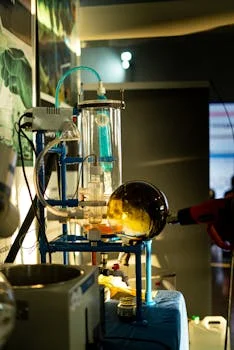
Tertiary and advanced treatment methods target non-biodegradable, refractory, or trace COD left after primary and secondary stages, often achieving further reductions of 50-99% for specific compounds. These steps matter when discharge limits are tight or when effluent must support reuse.
Chemical coagulation and flocculation: Iron or aluminum salts destabilize colloids and some dissolved organics; polymers build settleable or floatable flocs. With good clarification or flotation, plants often see 30-70% additional COD reduction on colloidal and color-linked fractions. Precise chemical dosing systems keep dose near the jar-test optimum and limit sludge mass.
Activated carbon adsorption: Granular or powdered activated carbon removes dissolved refractory organics, color, and trace COD by surface adsorption. It fits low-flow, high-toxicity, or polishing duties; GAC beds can often be regenerated to control media cost.
Advanced oxidation processes (AOPs): Ozonation, UV/H2O2, and Fenton (H2O2/Fe2+) generate hydroxyl radicals that attack recalcitrant molecules. A 2023 Chemosphere review of AOPs for industrial wastewater treatment describes these radical pathways as established options for pollutant breakdown and improved biodegradability ahead of biology. On recalcitrant COD, AOP removal often ranges from 50% to over 99% for targeted compounds, depending on dose, pH, and scavengers.
Membrane filtration (RO): Reverse osmosis (RO) water purification can push permeate COD near zero by rejecting dissolved organics and ions. RO is usually reserved for reuse or ultra-strict limits after upstream COD load has already been cut.
| Treatment Method | Mechanism | Typical COD Removal Efficiency (Post-Primary/Secondary) | Suitability for Wastewater Type |
|---|---|---|---|
| Chemical Coagulation/Flocculation | Particle destabilization & aggregation | 30-70% (for colloidal/suspended COD) | High TSS, color, non-biodegradable colloids |
| Activated Carbon Adsorption | Physical adsorption onto porous surface | 50-90% (for dissolved refractory organics) | Low-flow, high-toxicity, color, trace organics |
| Advanced Oxidation Processes (AOPs) | Generation of hydroxyl radicals (•OH) | 50-99% (for recalcitrant/non-biodegradable COD) | High refractory COD, toxic organics, pre-treatment to enhance biodegradability |
| Reverse Osmosis (RO) | Pressure-driven membrane separation | >95% (for dissolved organics, ions) | Water reuse, ultra-high effluent quality, high salinity |
Choosing a Strategy to Reduce COD at Your Plant
Selecting a COD strategy for an industrial facility starts with measured wastewater data, the written discharge or sewer limit, and a clear CAPEX/OPEX boundary. The same logic is used in the industrial wastewater treatment equipment selection guide.
Run a full characterization: COD, BOD5, TSS, pH, temperature, nutrients, toxicity, and BOD/COD. A low BOD/COD ratio at process temperature points to chemical or AOP polishing after solids control. Confirm the permit number next. Limits vary by region and receiving sewer or water body. Typical industrial COD discharge ceilings range from below 50 mg/L to several hundred mg/L. Some reuse or sensitive-water permits require below 10-20 mg/L.
Compare CAPEX and OPEX honestly. Energy for aeration and membranes, chemical use, sludge disposal, and membrane replacement often dominate life-cycle cost more than the equipment invoice. Footprint, expandability, and operator skill then decide between package plants, MBR, or conventional tanks, as explored in understanding wastewater treatment costs. Most plants we size for staged trains cut organic load in steps rather than with one oversized reactor.
Use this short selection checklist before freezing the process design:
- Confirm peak and average COD, BOD5, TSS, and FOG on representative production days.
- Calculate BOD/COD and note any toxic or colored refractory fractions.
- Write down the exact COD (or BOD) permit or sewer ordinance limit.
- Decide whether effluent is for sewer discharge, surface water, or reuse.
- Rank footprint, power, chemical, and sludge costs for each candidate train.
- Plan redundancy for spills and weekend production swings.
- Verify sludge handling capacity before adding coagulants or AOP iron sludge.
Who this is for: Plant engineers, EPC designers, and procurement teams sizing or upgrading industrial COD trains for food, textile, chemical, or similar organic-rich wastewater. Who should look elsewhere: Facilities whose only issue is inorganic salinity or metals without organic oxygen demand. Next step: Share influent COD/BOD, flow, and the permit limit through our COD treatment design inquiry so the train can be scoped to real numbers rather than catalog ratings.
Frequently Asked Questions
What causes high COD in industrial wastewater?
High COD is caused mainly by organic matter from raw materials, product loss, cleaning agents, FOG, and suspended solids, plus refractory synthetics from specific processes. Food, pulp, textile, and pharmaceutical lines are common sources. Solids-bound organics and non-biodegradable dyes or solvents keep COD elevated if primary separation and advanced polishing are skipped. Spills of concentrated chemicals create short spikes that need isolation.
Does aeration lower biodegradable COD effectively?
Yes, aeration lowers biodegradable COD when paired with a healthy biomass, as in activated sludge or aerobic package plants. Oxygen lets microbes oxidize dissolved organics to carbon dioxide, water, and new cells, typically cutting that biodegradable fraction by 85-95% under stable pH and nutrient conditions. Aeration alone does little against refractory COD; those streams need AOP, carbon, or other polishing after biology.
What is a typical industrial COD discharge limit?
No single universal COD limit applies; permits depend on jurisdiction, industry, and the receiving water or sewer. Many industrial permits fall from below 50 mg/L to several hundred mg/L COD, and reuse cases may need below 10-20 mg/L. U.S. municipal secondary treatment centers on BOD5 at 30 mg/L as a 30-day average with 85% removal under 40 CFR 133.102. COD may replace BOD5 only with a proven long-term BOD:COD correlation.
How do you choose the best COD removal method?
Choose the method from measured wastewater data, the written limit, and life-cycle cost—not from a generic technology ranking. Characterize COD, BOD5, TSS, FOG, toxicity, and BOD/COD; map particulate versus dissolved versus refractory fractions; then sequence DAF or clarification, biology, and polishing to match those fractions. Compare CAPEX, power, chemicals, sludge, footprint, and operator skill before freezing the design.
When should AOPs be used instead of more biology?
AOPs should be used when residual COD stays high after solid biological treatment, especially with low BOD/COD, color, or toxic organics. Hydroxyl-radical processes such as ozone, UV/H2O2, and Fenton break recalcitrant molecules or raise biodegradability for a downstream biological step. They are rarely the first unit on high biodegradable COD because chemicals and energy cost more per kilogram removed than aeration on treatable organics.