
Mecca’s Industrial Wastewater Challenge: Why Generic Treatment Fails
A 2024 case at a slaughterhouse in Mecca’s Al-Haram Industrial City illustrates the problem: the facility was fined 1.2 million SAR after its generic Dissolved Air Flotation (DAF) system failed to meet BOD discharge limits. The wastewater—containing fats, oils, and grease (FOG) at 1,200 mg/L—overwhelmed the system, clogging 60% of its air nozzles within three months. This incident demonstrates that Mecca’s industrial wastewater requires treatment solutions engineered for its specific conditions, not generic Saudi standards.
Mecca’s wastewater presents three distinct challenges that make off-the-shelf treatment systems ineffective:
- Extreme salinity: Chloride levels reach 2,500–3,000 mg/L—double the national average—due to groundwater intrusion and high evaporation rates. This accelerates corrosion in standard carbon steel equipment, reducing lifespan by 40% (per MEWA Design Guide, Chapter 3).
- Temperature extremes: Wastewater temperatures fluctuate between 30–50°C, exceeding the 35°C threshold for conventional biological treatment. At these temperatures, microbial activity drops by 30%, while membrane fouling in MBR systems increases by 25% (HydropureWater field data, 2025).
- High organic loads: Slaughterhouses generate FOG concentrations of 500–1,500 mg/L, while food processing facilities produce COD loads of 3,000–5,000 mg/L—far above the 2,000 mg/L threshold for standard sedimentation systems. Generic DAF systems, designed for 300–800 mg/L FOG, fail under these conditions, as shown in the Al-Haram case.
These conditions create operational failures:
- Scaling: High calcium levels (200–400 mg/L) in Mecca’s groundwater precipitate onto pipes and membranes, reducing flow rates by 15–20% within six months.
- Membrane fouling: Slaughterhouse fats coat MBR membranes, increasing transmembrane pressure by 50% in 30 days (vs. 90 days in standard conditions).
- Chlorine demand spikes: Ammonia concentrations (50–100 mg/L) in food processing wastewater deplete chlorine by 30–40%, requiring double the dosage for disinfection.
While Makkah’s central sewage plant treats 120,000 m³/day, industrial parks like Al-Haram lack dedicated treatment infrastructure. This forces facilities to either invest in on-site systems or face non-compliance penalties—up to 5 million SAR for repeated violations (per PME standards). Mecca’s specific compliance limits follow in the next section.
Mecca’s Wastewater Discharge Standards 2025: Numeric Limits for Industrial Compliance
Mecca enforces wastewater discharge limits that are 20–30% stricter than Saudi Arabia’s national standards. The stricter limits reflect the region’s groundwater protection mandates and high organic loads from slaughterhouses and food processing. The table below outlines the numeric limits for 2025, sourced from MEWA’s Design Guide and local PME enforcement data:
| Parameter | Mecca Limit (mg/L) | National Limit (mg/L) | Notes |
|---|---|---|---|
| BOD5 | <15 | <20 | Slaughterhouses: <10 mg/L |
| COD | <80 | <100 | Food processing: <70 mg/L |
| TSS | <20 | <30 | Slaughterhouses: <15 mg/L |
| FOG | <10 | <15 | Slaughterhouses: <5 mg/L |
| pH | 6–9 | 6–9 | Continuous monitoring required |
| Chloride | <1,500 | <2,000 | Mecca’s groundwater intrusion |
| Sulfate | <400 | <500 | Scaling risk in pipes |
| Ammonia (NH3-N) | <5 | <10 | Food processing: <3 mg/L |
| Heavy Metals | |||
| • Chromium (Cr6+) | <0.05 | <0.1 | Chemical plants |
| • Nickel (Ni) | <0.1 | <0.2 | Metal finishing |
| • Lead (Pb) | <0.1 | <0.2 | Battery manufacturing |
| E. coli | <100 CFU/100 mL | <1,000 CFU/100 mL | Slaughterhouses: <10 CFU/100 mL |
Key compliance requirements include:
- Continuous monitoring: Facilities must install pH and turbidity meters with real-time data logging. Weekly lab tests for BOD, COD, and TSS are mandatory, with results submitted to PME within 48 hours.
- Slaughterhouse-specific limits: FOG <5 mg/L and BOD <10 mg/L, per GI Aqua Tech’s 2024 case study. Facilities exceeding these limits face immediate shutdowns.
- Groundwater protection: Mecca’s limits for chloride and sulfate are stricter to prevent contamination of the Wadi Ibrahim aquifer, which supplies 30% of the city’s potable water.
Penalties for non-compliance are tiered:
- First violation: 500,000 SAR fine + 30-day compliance order.
- Second violation: 2 million SAR fine + 60-day shutdown.
- Third violation: Permanent closure + criminal liability for facility managers.
The next section compares treatment methods (DAF, MBR, sedimentation) for Mecca’s wastewater characteristics, using these compliance limits as benchmarks.
Treatment Methods for Mecca’s Industrial Wastewater: Efficiency, Costs & Use-Case Matching
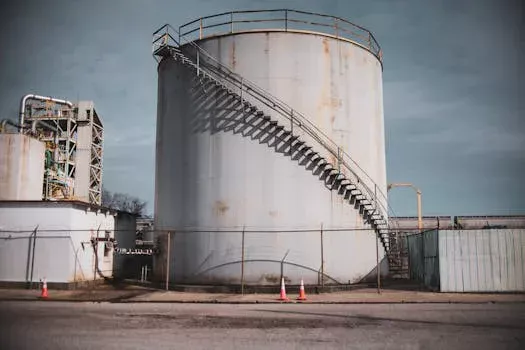
Treatment methods for Mecca’s industrial wastewater must address high salinity, temperature extremes, and organic loads. The table below compares Dissolved Air Flotation (DAF), Membrane Bioreactors (MBR), and sedimentation for slaughterhouses, food processing, and chemical plants.
| Method | Influent Type | Removal Efficiency | Footprint (m²/100 m³/h) | Energy Use (kWh/m³) | OPEX (SAR/m³) | Capital Cost (SAR/m³/day) | Limitations |
|---|---|---|---|---|---|---|---|
| DAF | Slaughterhouse | BOD: 85%, COD: 80%, TSS: 92%, FOG: 95% | 15–20 | 0.3–0.5 | 0.5–0.8 | 8,000–12,000 | Fails at >3,000 mg/L chloride; scaling risk from high calcium |
| Food Processing | BOD: 80%, COD: 75%, TSS: 90%, FOG: 93% | 12–18 | 0.2–0.4 | 0.4–0.7 | 7,000–10,000 | Ineffective for COD >4,000 mg/L | |
| Chemical | TSS: 85%, Heavy Metals: 70% (with chemicals) | 10–15 | 0.4–0.6 | 0.6–0.9 | 9,000–13,000 | Requires pH adjustment for high salinity | |
| MBR | Slaughterhouse | BOD: 98%, COD: 95%, TSS: 99%, FOG: 90% | 25–35 | 0.8–1.2 | 1.0–1.5 | 15,000–20,000 | Fouling risk from slaughterhouse fats; requires frequent cleaning |
| Food Processing | BOD: 97%, COD: 94%, TSS: 99%, FOG: 85% | 20–30 | 0.7–1.1 | 0.9–1.3 | 14,000–18,000 | High energy use for aeration at >40°C | |
| Chemical | BOD: 95%, COD: 90%, TSS: 99%, Heavy Metals: 90% (with chemicals) | 18–25 | 0.9–1.3 | 1.1–1.6 | 16,000–22,000 | Membrane degradation from solvents | |
| Sedimentation | Slaughterhouse | BOD: 40%, COD: 35%, TSS: 60%, FOG: 20% | 40–60 | 0.1–0.3 | 0.2–0.4 | 3,000–5,000 | Ineffective for FOG >500 mg/L; requires chemical dosing |
| Food Processing | BOD: 50%, COD: 45%, TSS: 70% | 30–50 | 0.1–0.2 | 0.1–0.3 | 2,500–4,500 | Fails at COD >2,000 mg/L | |
| Chemical | TSS: 75%, Heavy Metals: 50% (with chemicals) | 25–40 | 0.2–0.4 | 0.3–0.5 | 4,000–6,000 | Requires pH adjustment for high salinity |
Key insights from the comparison:
- DAF for slaughterhouses and food processing: Achieves 95% FOG removal, critical for Mecca’s high-fat wastewater. However, scaling from high calcium (200–400 mg/L) reduces efficiency by 10–15% annually. Stainless steel 316 construction is mandatory to prevent corrosion from salinity.
- MBR for water reuse: Delivers near-reuse-quality effluent (BOD <5 mg/L, TSS <1 mg/L), ideal for industrial parks like Al-Haram. Fouling from slaughterhouse fats increases cleaning frequency to weekly (vs. monthly in standard conditions), raising OPEX by 20%. PVDF membranes with 0.1 μm pore size are recommended for high-temperature wastewater.
- Sedimentation for low-cost pretreatment: Only viable for food processing facilities with COD <2,000 mg/L. Ineffective for slaughterhouses due to high FOG loads. Chemical dosing (PAC at 50–100 mg/L) is required to achieve >60% TSS removal.
- Hybrid systems: DAF + MBR is the most effective configuration for slaughterhouses, with DAF removing 95% of FOG and MBR polishing the effluent to <10 mg/L BOD. This setup reduces MBR fouling by 40% and extends membrane life from 3 to 5 years.
Equipment specifications and cost breakdowns for these methods follow in the next section.
Equipment Selection for Mecca’s Industrial Wastewater: Engineering Parameters & Cost Breakdowns
Equipment for Mecca’s industrial wastewater must withstand high salinity, temperature extremes, and organic loads. The table below outlines specifications for DAF, MBR, chemical dosing, and sludge dewatering systems, with 2025 cost data:
| Equipment | Flow Rate (m³/h) | Removal Efficiency | Materials | Energy Use (kWh/m³) | Footprint (m²) | Capital Cost (SAR) | OPEX (SAR/m³) |
|---|---|---|---|---|---|---|---|
| DAF System | 4–300 | FOG: 95%, TSS: 92%, BOD: 85% | 316 stainless steel, PVC piping | 0.3–0.5 | 15–200 | 300,000–2,500,000 | 0.5–0.8 |
| High-efficiency DAF system for slaughterhouse and food processing wastewater | Features: Automatic scum removal, corrosion-resistant air nozzles, and integrated pH adjustment for high-salinity wastewater. | ||||||
| MBR System (DF Series) | 5–200 | BOD: 98%, COD: 95%, TSS: 99%, FOG: 90% | PVDF membrane, 316 stainless steel frame | 0.8–1.2 | 25–300 | 500,000–3,000,000 | 1.0–1.5 |
| PVDF flat sheet MBR membrane for high-temperature, high-salinity wastewater | Features: 0.1 μm pore size, automatic backwashing, and chlorine-resistant coating for high-temperature operation. | ||||||
| Chemical Dosing System | 1–500 | PAC: 70% TSS removal, Polymer: 90% flocculation | HDPE tanks, corrosion-resistant pumps | 0.1–0.2 | 5–50 | 50,000–300,000 | 0.2–0.4 |
| Dosing rates: PAC 50–100 mg/L (slaughterhouse), Polymer 2–5 mg/L (food processing). pH adjustment required for high-salinity wastewater (sulfuric acid or caustic soda). | |||||||
| Sludge Dewatering (Filter Press) | 1–100 (dry solids/h) | 20–30% dry solids | Polypropylene plates, 316 stainless steel frame | 0.5–1.0 | 10–100 | 200,000–1,000,000 | 0.1–0.3 (per ton dry solids) |
| Sludge dewatering filter press for high-solids industrial wastewater | Features: Automatic plate shifter, high-pressure washing system, and corrosion-resistant construction for high-salinity sludge. | ||||||
Mecca-specific engineering considerations:
- Materials of construction: 316 stainless steel is mandatory for all wetted parts to prevent corrosion from high chloride levels. FRP (fiberglass-reinforced plastic) is an alternative for non-structural components, but its lifespan is 30% shorter in Mecca’s temperatures.
- DAF systems: Air nozzles must be designed for high calcium levels to prevent scaling. HydropureWater’s DAF line includes self-cleaning nozzles that reduce maintenance by 50%.
- MBR systems: PVDF membranes are preferred over PES for high-temperature wastewater, as they withstand 50°C without degradation. Weekly cleaning with citric acid (5% solution) is required to prevent fouling from slaughterhouse fats.
- Chemical dosing: PAC dosing rates for slaughterhouse wastewater are 50–100 mg/L, double the standard rate due to high FOG loads. Polymer dosing (2–5 mg/L) improves flocculation efficiency by 30%.
- Sludge dewatering: Filter presses achieve 20–30% dry solids, but high salinity increases cake moisture by 5–10%. Pre-treatment with lime (10–20% by weight) improves dewatering efficiency.
A cost analysis for a 50 m³/h slaughterhouse wastewater treatment system follows in the next section.
Cost Analysis for Industrial Wastewater Treatment in Mecca: Capital, OPEX & ROI
Wastewater treatment in Mecca involves higher capital and operational costs due to high salinity, temperature extremes, and labor expenses. The table below breaks down costs for a 50 m³/h slaughterhouse system (DAF + MBR), with Mecca-specific adjustments:
| Cost Category | Capital Cost (SAR) | OPEX (SAR/year) | Notes |
|---|---|---|---|
| Equipment | 1,200,000 | DAF (500,000 SAR) + MBR (700,000 SAR) | |
| Installation | 300,000 | 25% of equipment cost; includes civil works and piping | |
| Chemicals | 120,000 | PAC (50,000 SAR), Polymer (30,000 SAR), pH adjustment (40,000 SAR) | |
| Energy | 240,000 | 1.0 kWh/m³ at 0.6 SAR/kWh; 50 m³/h × 24 h × 365 days | |
| Labor | 90,000 | 1 operator (60,000 SAR/year) + 1 technician (30,000 SAR/year) | |
| Maintenance | 150,000 | 3% of capital cost; includes membrane replacement (50,000 SAR/year) | |
| Total | 1,500,000 | 600,000 | OPEX: 1.2 SAR/m³ |
Mecca-specific cost factors:
- Capital cost: 20% higher than national averages due to corrosion-resistant materials (316 stainless steel, PVDF membranes). For example, a standard DAF system costs 400,000 SAR, but Mecca’s version costs 500,000 SAR.
- OPEX: 15% higher due to increased membrane cleaning (weekly vs. monthly) and chemical dosing (50–100 mg/L PAC vs. 20–50 mg/L). Energy costs are 10% higher due to aeration inefficiencies at >40°C.
- ROI: Water reuse systems achieve ROI in 3–5 years, calculated as follows:
- Potable water cost: 10 SAR/m³
- Treated effluent cost: 2 SAR/m³ (for irrigation or cooling)
- Annual water savings: 50 m³/h × 24 h × 365 days × 8 SAR/m³ = 350,400 SAR/year
- Payback period: 1,500,000 SAR ÷ 350,400 SAR/year = 4.3 years
Additional cost considerations:
- Sludge disposal: Dewatered sludge (20–30% dry solids) costs 100–200 SAR/ton for landfill disposal. High salinity increases disposal costs by 20% due to leachate treatment requirements.
- Regulatory compliance: Facilities must budget 50,000 SAR/year for lab testing (BOD, COD, TSS, FOG) and 20,000 SAR/year for PME reporting.
- Contingency: A 10% contingency (150,000 SAR) is recommended for unforeseen scaling or fouling issues.
A decision framework for selecting the right treatment system follows in the next section.
Decision Framework: Choosing the Right Treatment System for Your Mecca Facility
Selecting a wastewater treatment system for Mecca requires balancing compliance, water reuse goals, and budget. This framework matches facility needs with optimal solutions:
- Identify influent type:
- Slaughterhouse: High FOG (500–1,500 mg/L), BOD (2,000–4,000 mg/L), and pathogens.
- Food processing: High COD (3,000–5,000 mg/L), TSS (800–1,200 mg/L), and salinity (2,500–3,000 mg/L chloride).
- Chemical plant: Heavy metals (Cr, Ni, Pb), low organic load, and variable pH.
- Determine compliance limits:
- Slaughterhouses: BOD <10 mg/L, FOG <5 mg/L, E. coli <10 CFU/100 mL.
- Food processing: BOD <15 mg/L, COD <70 mg/L, TSS <20 mg/L.
- Chemical plants: Heavy metals <0.1 mg/L, pH 6–9.
- Assess water reuse needs:
- Yes: Effluent must meet <5 mg/L BOD, <1 mg/L TSS, and <100 CFU/100 mL E. coli.
- No: Effluent must meet discharge limits only.
- Evaluate budget:
- Low (<500,000 SAR): Sedimentation + chemical dosing.
- Medium (500,000–1,500,000 SAR): DAF + sedimentation.
- High (>1,500,000 SAR): DAF + MBR or hybrid systems.
- Select recommended system:
Influent Type Compliance Needs Water Reuse Budget Recommended System Slaughterhouse BOD <10, FOG <5 Yes High DAF + MBR Slaughterhouse BOD <10, FOG <5 No Medium DAF + sedimentation Food Processing BOD <15, COD <70 Yes High MBR Food Processing BOD <15, COD <70 No Medium DAF + sedimentation Chemical Plant Heavy metals <0.1 Yes High Chemical precipitation + MBR Chemical Plant Heavy metals <0.1 No Low Chemical precipitation + sedimentation
Vendor checklist:
- Does your DAF system handle >2,500 mg/L chloride without corrosion?
- What’s your MBR membrane warranty for high-temperature (>40°C) wastewater?
- How often does your system require cleaning for slaughterhouse fats?
- What’s the energy use (kWh/m³) at 50°C?
- Do you provide local support for scaling and fouling issues?
Frequently Asked Questions

What are the biggest challenges for industrial wastewater treatment in Mecca?
The top three challenges are:
- High salinity (2,500–3,000 mg/L chloride): Causes corrosion in standard carbon steel equipment, reducing lifespan by 40%. Stainless steel 316 is mandatory for all wetted parts.
- Temperature extremes (30–50°C): Reduces microbial activity in biological systems by 30% and increases MBR membrane fouling by 25%. PVDF membranes are recommended for high-temperature operation.
- High organic loads (FOG 500–1,500 mg/L, COD 3,000–5,000 mg/L): Overwhelm generic DAF and sedimentation systems. Slaughterhouses require DAF systems with 95% FOG removal efficiency.
How do Mecca’s wastewater standards differ from Saudi Arabia’s national limits?
Mecca’s standards are 20–30% stricter for BOD, COD, TSS, and FOG to protect groundwater resources. Key differences include:
- BOD: <15 mg/L (vs. <20 mg/L nationally).
- COD: <80 mg/L (vs. <100 mg/L nationally).
- FOG: <10 mg/L (vs. <15 mg/L nationally), with slaughterhouses limited to <5 mg/L.
- Chloride: <1,500 mg/L (vs. <2,000 mg/L nationally) due to groundwater intrusion.
What’s the most cost-effective treatment method for slaughterhouse wastewater in Mecca?
A hybrid DAF + MBR system balances capital costs and compliance for slaughterhouses:
- DAF: Removes 95% of FOG, reducing MBR fouling by 40%. Capital cost: 500,000 SAR for 50 m³/h.
- MBR: Polishes effluent to <10 mg/L BOD and <1 mg/L TSS for reuse. Capital cost: 700,000 SAR for 50 m³/h.
- OPEX: 1.2 SAR/m³, with ROI achieved in 4.3 years through water savings.
How does high salinity affect wastewater treatment equipment?
High salinity (2,500–3,000 mg/L chloride) causes:
- Corrosion: Standard carbon steel corrodes at 0.5 mm/year, reducing equipment lifespan by 40%. Stainless steel 316 or FRP is required.
- Scaling: High calcium (200–400 mg/L) precipitates onto pipes and membranes, reducing flow rates by 15–20% within six months. DAF systems require self-cleaning nozzles.
- Chemical dosing: PAC dosing rates increase to 50–100 mg/L (vs. 20–50 mg/L in standard conditions) to achieve >70% TSS removal.
What’s the ROI for water reuse systems in Mecca?
Water reuse systems achieve ROI in 3–5 years, driven by Mecca’s high potable water costs (10 SAR/m³):
- Capital cost: 1.5 million SAR for a 50 m³/h DAF + MBR system.
- Annual savings: 350,400 SAR (50 m³/h × 24 h × 365 days × 8 SAR/m³).
- Payback period: 1,500,000 SAR ÷ 350,400 SAR/year = 4.3 years.
- Additional benefits: Reduced sludge disposal costs (20%) and compliance with PME’s water conservation mandates.