Industrial Wastewater Treatment in Shah Alam: 2025 Engineering Specs, Costs & Zero-Risk Equipment Guide
In Shah Alam, industrial wastewater treatment plants for 50–500 KLD capacity cost RM 1.2M–RM 15M (2025 benchmarks), with MBR systems adding 30–50% to CAPEX but reducing footprint by 60%—critical for land-scarce zones like Seksyen 32. Compliance with Malaysia’s Environmental Quality (Sewage) Regulations 2009 demands BOD <20 mg/L and TSS <50 mg/L, achievable via multi-stage systems tailored to Shah Alam’s dominant industries: food processing (COD 2,000–10,000 mg/L), chemical manufacturing (heavy metals, pH 2–12), and electronics (fluoride, ammonia-nitrogen). This guide provides engineering specs, technology trade-offs, and a zero-risk equipment selection framework for Shah Alam’s unique constraints.Why Shah Alam’s Industrial Wastewater Treatment is Unique: Compliance, Land, and Industry-Specific Challenges
Compliance with Malaysia’s Environmental Quality (Sewage) Regulations 2009 mandates stringent effluent standards for industrial discharges in Shah Alam, driving significant investment in advanced wastewater treatment. These regulations, particularly Standard A, require industrial facilities to achieve Biochemical Oxygen Demand (BOD) levels below 20 mg/L and Total Suspended Solids (TSS) under 50 mg/L before discharge into public waterways. Non-compliance is no longer a minor operational oversight; penalties under the Environmental Quality Act 1974 have escalated, with fines up to RM 500,000 or imprisonment for up to five years for serious offenses. For example, a Shah Alam food processor was fined RM 350K in 2024 for consistently discharging effluent with BOD levels of 35 mg/L, exceeding the Standard A limit. Shah Alam’s rapid industrial expansion and strategic location in Selangor have led to significant land scarcity, particularly in prime industrial hubs such as Seksyen 32 and the Kesas 32 Industrial Park. Industrial land prices in these areas currently range between RM 120 and RM 200 per square meter (Top 1 data), making the physical footprint of a wastewater treatment plant a critical design and financial consideration. This economic pressure favors compact, high-efficiency systems that minimize land use. the dominant industrial sectors in Shah Alam present distinct wastewater treatment challenges:- Food processing: Generates high organic loads (COD 2,000–10,000 mg/L, BOD 1,000–5,000 mg/L), significant TSS (500–3,000 mg/L), and high FOG (Fats, Oils, and Grease) content (200–1,500 mg/L).
- Chemical manufacturing: Produces highly variable wastewater with extreme pH levels (pH 2–12), heavy metals (e.g., nickel 5–50 mg/L, chromium 1–10 mg/L), and high salinity (TDS 1,000–10,000 mg/L).
- Electronics factories: Discharge wastewater containing specific contaminants like fluoride (50–300 mg/L) and ammonia-nitrogen (20–100 mg/L), often with low TSS but high dissolved solids.
| Parameter | EQA 2009 Standard A | Shah Alam Industrial Land Price (Seksyen 32) |
|---|---|---|
| BOD | <20 mg/L | RM 120–RM 200/m² |
| TSS | <50 mg/L | |
| FOG | <10 mg/L | |
| pH | 6.0–9.0 |
Engineering Specs for Shah Alam’s Top 3 Industries: Influent, Effluent, and Treatment Requirements
Food Processing Wastewater
Food processing plants in Shah Alam, ranging from snack manufacturers to meat processing facilities, generate wastewater characterized by high organic loads and suspended solids.- Influent: COD typically ranges from 2,000–10,000 mg/L, BOD from 1,000–5,000 mg/L, TSS from 500–3,000 mg/L, and FOG from 200–1,500 mg/L (Malaysian Palm Oil Board 2023 benchmarks for organic-rich effluents).
- Effluent targets (EQA 2009 Standard A): BOD <20 mg/L, TSS <50 mg/L, FOG <10 mg/L, pH 6.0–9.0.
- Required removal efficiencies: To meet these standards, treatment systems must achieve COD removal of 95–98%, BOD removal of 98–99%, TSS removal of 90–95%, and FOG removal exceeding 90%. Pre-treatment using a DAF system for pre-treating high-FOG/TSS wastewater in Shah Alam’s food processing plants is often essential to reduce the load on subsequent biological stages.
Chemical Manufacturing Wastewater
Chemical manufacturing facilities in Shah Alam produce highly diverse wastewater streams, often requiring specialized physical-chemical treatment prior to biological processes.- Influent: pH can be extremely acidic or alkaline (pH 2–12), heavy metals (e.g., nickel 5–50 mg/L, chromium 1–10 mg/L), and high Total Dissolved Solids (TDS) ranging from 1,000–10,000 mg/L. Specific pollutants vary greatly by product.
- Effluent targets (EQA 2009 Standard A + DOE 2024 guidelines): pH 6.0–9.0, nickel <1 mg/L, chromium <0.1 mg/L. TDS limits depend on discharge location and potential for zero liquid discharge (ZLD) requirements.
- Required removal efficiencies: Heavy metal removal typically needs to be 90–99%, while TDS removal can range from 50–80% for conventional discharge or up to 99% for ZLD applications. This often involves automated chemical dosing for pH adjustment and heavy metal removal in Shah Alam’s chemical plants.
Electronics Wastewater
The electronics manufacturing sector in Shah Alam generates wastewater with specific inorganic contaminants, even if organic loads are relatively low.- Influent: Common pollutants include fluoride (50–300 mg/L), ammonia-nitrogen (20–100 mg/L), and often low TSS (<200 mg/L) but high dissolved solids.
- Effluent targets (EQA 2009 Standard A + semiconductor industry standards): Fluoride <15 mg/L, ammonia-nitrogen <10 mg/L, pH 6.0–9.0. Further purification may be needed for process water reuse.
- Required removal efficiencies: Fluoride removal of 90–95% and ammonia-nitrogen removal of 80–90% are typically required. Specialized engineering solutions for Shah Alam’s electronics wastewater (fluoride, ammonia-nitrogen) often incorporate ion exchange or reverse osmosis.
| Industry | COD (mg/L) | BOD (mg/L) | TSS (mg/L) | FOG (mg/L) | pH | Heavy Metals (mg/L) | Fluoride (mg/L) | Ammonia-N (mg/L) |
|---|---|---|---|---|---|---|---|---|
| Food Processing | 2,000–10,000 | 1,000–5,000 | 500–3,000 | 200–1,500 | 5–9 | N/A | N/A | N/A |
| Chemical Mfg. | 500–5,000 | 200–2,000 | 100–1,000 | N/A | 2–12 | 5–50 (Ni), 1–10 (Cr) | N/A | N/A |
| Electronics | 100–1,000 | 50–500 | <200 | N/A | 4–10 | N/A | 50–300 | 20–100 |
Technology Comparison: MBR vs DAF vs Conventional Activated Sludge for Shah Alam’s Constraints
Selecting the optimal wastewater treatment technology in Shah Alam involves balancing capital expenditure (CAPEX), operational costs (OPEX), and critical footprint considerations to meet stringent EQA 2009 standards. Each technology offers distinct advantages and disadvantages depending on the influent characteristics and site limitations.Conventional Activated Sludge (CAS)
Conventional Activated Sludge systems are a well-established biological treatment method, widely used for their robustness and lower initial investment.- CAPEX: RM 1.2M–RM 10M for 50–500 KLD capacity (HydropureWater field data, 2025).
- Footprint: Requires 0.5–1.2 m²/m³/day, making it the largest option and often problematic in Shah Alam’s land-scarce industrial zones.
- Effluent quality: Typically achieves BOD <30 mg/L and TSS <30 mg/L, which generally meets EQA 2009 Standard B but often requires tertiary treatment (e.g., filtration) to consistently meet Standard A (<20 mg/L BOD).
- Pros: Lowest CAPEX, simple operation, proven reliability.
- Cons: Large footprint due to reliance on secondary clarifiers, sensitive to shock loads, produces more sludge volume compared to MBR.
Dissolved Air Flotation (DAF)
DAF systems are primarily physical-chemical pre-treatment units highly effective at removing FOG and suspended solids, often used upstream of biological processes.- CAPEX: RM 800K–RM 6M for 50–500 KLD capacity (HydropureWater field data, 2025).
- Footprint: Requires 0.2–0.5 m²/m³/day, making it 30–50% smaller than CAS for equivalent pre-treatment capacity.
- Effluent quality: Excellent for TSS <50 mg/L and FOG <10 mg/L removal, making a DAF system for pre-treating high-FOG/TSS wastewater in Shah Alam’s food processing plants ideal. It offers limited direct COD/BOD removal (typically 20-50% for soluble organics).
- Pros: High efficiency in FOG/TSS removal, compact design, capable of handling variable hydraulic and organic loads, rapid start-up.
- Cons: Requires chemical dosing (flocculants, coagulants) adding RM 0.50–RM 1.50/m³ to OPEX, limited standalone BOD/COD reduction necessitating downstream biological treatment.
Membrane Bioreactor (MBR)
MBR systems integrate biological treatment with membrane filtration, offering superior effluent quality and a significantly reduced footprint.- CAPEX: RM 4.2M–RM 22.5M for 50–500 KLD capacity (HydropureWater field data, 2025), representing a 30–50% premium over CAS.
- Footprint: Requires 0.1–0.3 m²/m³/day, achieving a 60% reduction compared to CAS due to the elimination of secondary clarifiers and higher biomass concentrations. This makes a compact MBR system for Shah Alam’s space-constrained industrial zones highly attractive.
- Effluent quality: Produces high-quality effluent with BOD <5 mg/L and TSS <1 mg/L, consistently exceeding EQA 2009 Standard A and suitable for direct reuse applications.
- Pros: Near-reuse quality effluent, significantly smaller footprint, robust against shock loads, no secondary clarifier needed.
- Cons: Higher CAPEX, membrane fouling requires regular cleaning and eventual replacement (adding RM 0.80–RM 2.00/m³ to OPEX), sensitive to certain chemicals and pH extremes.
| Technology | CAPEX (RM, 50-500 KLD) | Footprint (m²/m³/day) | Effluent Quality (BOD/TSS) | Pros | Cons | Best For (Industry) |
|---|---|---|---|---|---|---|
| Conventional Activated Sludge (CAS) | 1.2M–10M | 0.5–1.2 | <30 mg/L / <30 mg/L (Standard B) | Lowest CAPEX, simple operation | Large footprint, sensitive to shock loads | Industries with ample land, moderate organic loads |
| Dissolved Air Flotation (DAF) | 800K–6M | 0.2–0.5 | TSS <50 mg/L, FOG <10 mg/L (Pre-treatment) | High FOG/TSS removal, compact, handles variable loads | Limited standalone BOD/COD removal, chemical costs | Food processing, industries with high FOG/TSS |
| Membrane Bioreactor (MBR) | 4.2M–22.5M | 0.1–0.3 | <5 mg/L / <1 mg/L (Exceeds Standard A) | Near-reuse quality, minimal footprint, robust | High CAPEX, membrane fouling, higher OPEX | Space-constrained sites, high-quality effluent needs (reuse) |
Designing for Shah Alam’s Land Scarcity: Underground vs Skid-Mounted vs Containerized Systems
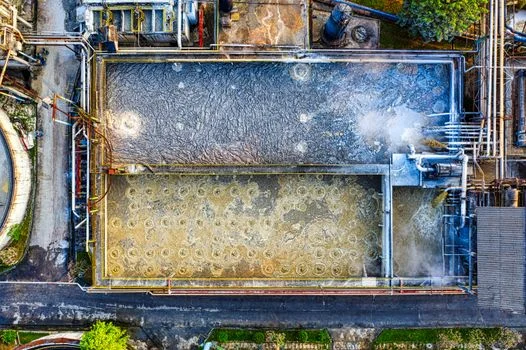
Underground Systems (e.g., HydropureWater WSZ Series)
Underground systems integrate the entire treatment plant below grade, making them an ideal solution for maximizing usable surface area.- CAPEX: Typically adds 20% to the overall capital cost compared to an equivalent above-ground system, translating to RM 1.44M–RM 18M for 50–500 KLD capacity (HydropureWater field data, 2025).
- Footprint: Offers a 40% reduction in visible footprint, as the surface area above can be landscaped, used for parking, or other facilities. A underground wastewater treatment system for Shah Alam’s land-scarce industrial parks can be a strategic asset.
- Pros: Aesthetic integration, significant space saving, thermal insulation for stable biological activity (lower OPEX in hot climates), reduced noise.
- Cons: Higher initial CAPEX for excavation and civil works, more difficult access for routine maintenance and repairs, potential risk of groundwater infiltration, longer installation time.
Skid-Mounted Systems
Skid-mounted systems are pre-assembled units where all components (tanks, pumps, controls) are integrated onto a single or multiple steel frames.- CAPEX: Similar to above-ground conventional systems, ranging from RM 1.2M–RM 15M for 50–500 KLD capacity. However, they offer up to 30% faster installation due to pre-fabrication.
- Footprint: Compact, typically requiring 0.3–0.8 m²/m³/day, but needs clear access around the skid for operation and maintenance.
- Pros: Pre-fabricated and factory-tested, rapid deployment (4–8 weeks), easy to relocate if facility needs change, lower on-site construction costs.
- Cons: Generally limited to capacities below 300 KLD due to size constraints, may still require a concrete pad for installation, less aesthetic than underground options.
Containerized Systems
Containerized wastewater treatment plants are fully self-contained units built within standard shipping containers, offering maximum mobility and modularity.- CAPEX: Incurs a 20–30% premium over conventional above-ground systems, ranging from RM 1.5M–RM 12M for 50–200 KLD capacity (HydropureWater field data, 2025).
- Footprint: Smallest visible footprint, typically 0.2–0.5 m²/m³/day per container, and can be stacked in some configurations.
- Pros: True plug-and-play functionality, ideal for leased industrial spaces or temporary projects, highly scalable (additional containers can be added), minimal on-site construction.
- Cons: Higher OPEX due to internal HVAC requirements (for climate control) and corrosion control in confined spaces, limited to capacities below 200 KLD per container, potential for heat buildup in tropical climates.
| System Type | CAPEX Premium (vs Above-Ground) | Footprint Savings (vs CAS) | Installation Time | Maintenance Access | Best For (Use Case) |
|---|---|---|---|---|---|
| Underground | +20% | 40% smaller visible | Longer (8-16 weeks) | More difficult | Owned land, long-term projects, aesthetic needs, thermal stability |
| Skid-Mounted | ~0% | Compact (30-50% smaller) | Rapid (4-8 weeks) | Easy | Rapid deployment, <300 KLD, ease of relocation |
| Containerized | +20-30% | Smallest (50-60% smaller) | Fastest (2-4 weeks) | Moderate (confined space) | Leased spaces, temporary projects, scalability, remote sites |
2025 Cost Breakdown for Shah Alam Industrial Wastewater Treatment Plants
The total cost for industrial wastewater treatment plants in Shah Alam, ranging from RM 1.2M to RM 15M for 50–500 KLD capacity, is driven by civil works, mechanical/electrical components, and core technology selection. Understanding this detailed breakdown is essential for accurate budgeting and return on investment (ROI) calculations for facilities in Shah Alam.CAPEX Breakdown (50–500 KLD, RM)
Capital expenditure (CAPEX) covers the initial investment required to design, build, and install the wastewater treatment system.- Civil works: Accounts for 20–30% of total CAPEX, ranging from RM 240K–RM 4.5M. This includes excavation, concrete foundations, tank construction (for conventional systems), and piping infrastructure.
- Mechanical/electrical: Represents 40–50% of total CAPEX, or RM 480K–RM 7.5M. This covers pumps, blowers, screens, mixers, control panels, wiring, and instrumentation.
- Technology (MBR/DAF/CAS): Constitutes 30–40% of total CAPEX, from RM 360K–RM 6M. This is the core treatment equipment, with MBR systems typically at the higher end of this range.
- Underground premium: Opting for an underground system adds approximately 20% to the overall CAPEX, an additional RM 240K–RM 3M, primarily for specialized civil engineering and waterproofing.
OPEX Breakdown (RM/m³)
Operational expenditure (OPEX) covers the ongoing costs of running the plant, typically calculated per cubic meter of treated wastewater.- Electricity: RM 0.30–RM 1.20/m³. This is the highest OPEX component for biological systems, especially MBRs (0.8–1.2 kWh/m³) due to aeration and membrane filtration. Electricity costs in Selangor average RM 0.45/kWh (TNB commercial rates, 2024).
- Chemicals: RM 0.50–RM 2.50/m³. Highest for DAF systems or plants using chemical precipitation for heavy metal removal and pH adjustment.
- Sludge disposal: RM 0.20–RM 0.80/m³. This includes dewatering and transport to landfills. Landfill tipping fees in Selangor are approximately RM 120/ton (Alam Flora, 2024).
- Labor: RM 0.10–RM 0.50/m³. Automated systems significantly reduce labor requirements compared to manual operations.
ROI Calculator Benchmarks
The payback period for a new or upgraded industrial wastewater treatment plant in Shah Alam is influenced by capacity, technology choice, and the avoided costs of non-compliance.| Plant Capacity (KLD) | Industry | Typical CAPEX (RM) | Typical OPEX (RM/m³) | Estimated Payback Period (Years) |
|---|---|---|---|---|
| 100 | Food Processing (DAF+MBR) | 5.5M | 1.80 | 4-6 |
| 250 | Chemical Mfg. (Phys-Chem+CAS) | 8.0M | 2.20 | 5-7 |
| 500 | Electronics (MBR, ZLD-ready) | 18.0M | 2.50 | 6-8 |
Frequently Asked Questions
Q: What are the penalties for non-compliance with EQA 2009 in Shah Alam?
A: Penalties for non-compliance with Malaysia's Environmental Quality Act 1974, which includes EQA 2009 regulations, can be severe. Fines can reach up to RM 500,000 or imprisonment for up to 5 years (Environmental Quality Act 1974, Section 43). In 2024, a Shah Alam food processor was fined RM 350K for discharging effluent with a BOD of 35 mg/L, exceeding the Standard A requirement of <20 mg/L.
Q: How much does a 100 KLD MBR system cost in Shah Alam?
A: A 100 KLD MBR system in Shah Alam typically costs RM 6M–RM 9M (2025 benchmarks), including civil works, equipment, and installation. Operational expenditure (OPEX) is approximately RM 1.50–RM 2.50/m³ due to energy costs (0.8–1.2 kWh/m³) and the need for membrane replacement every 5–7 years.
Q: Can I reuse treated wastewater in Shah Alam for industrial processes?
A: Yes, treated wastewater can be reused for industrial processes in Shah Alam, provided the effluent meets EQA 2009 Standard A (BOD <20 mg/L, TSS <50 mg/L) and any additional internal reuse standards specific to your process (e.g., turbidity <2 NTU, E. coli <1 CFU/100mL). MBR systems are highly effective for achieving near-reuse quality effluent, often producing TSS <1 mg/L, making them ideal for such applications.
Q: What’s the best wastewater treatment technology for a Shah Alam food processing plant with limited space?
A: For a Shah Alam food processing plant facing land constraints, a hybrid DAF + MBR system is often the most effective solution. A DAF system efficiently removes 90%+ of FOG and TSS upfront, significantly reducing the organic load and preventing fouling of the downstream MBR membranes. This integrated approach minimizes the overall footprint to about 0.2 m²/m³/day (60% smaller than CAS) while ensuring compliance with Standard A. CAPEX for a 100 KLD hybrid system typically ranges from RM 5M–RM 8M.
Q: How do I choose between underground and skid-mounted systems for my Shah Alam factory?
A: Use this decision framework:
- Underground systems: Best suited for owned land, long-term operational horizons, and situations where aesthetics or usable surface area are critical (e.g., adjacent to office buildings or landscaped areas). They incur a +20% CAPEX premium but offer a 40% reduction in visible footprint.
- Skid-mounted systems: Ideal for leased spaces, projects requiring rapid deployment (4–8 weeks), or facilities with capacities generally below 300 KLD. They have similar CAPEX to conventional above-ground systems but offer faster installation and easier relocation.