Hospitals in Ho Chi Minh City must treat wastewater to meet QCVN 28:2010/BTNMT (Column B), with effluent limits of 50 mg/L COD, 30 mg/L BOD₅, and 10 mg/L TSS. A 240 m³/day system at HCMC Hospital for Rehabilitation uses SBR technology to achieve these standards, but newer MBR systems can reduce footprint by 60% while delivering near-reuse-quality effluent (<1 μm filtration). This guide provides 2025 engineering specs, compliance checklists, and cost-optimized equipment options for 50–500 m³/day facilities.
Why Ho Chi Minh City Hospitals Need Upgraded Wastewater Treatment Systems
Violations of QCVN 28:2010/BTNMT standards in Ho Chi Minh City carry administrative fines of up to 500 million VND under the 2024 Vietnam Environmental Protection Law updates. As the city’s Department of Construction (DOC) reports that only 30% of municipal wastewater is currently treated, the burden of environmental stewardship falls heavily on high-risk point sources like healthcare facilities. Hospital effluent is characterized by a dangerous cocktail of pathogens, multi-drug resistant bacteria, and residual pharmaceuticals that municipal infrastructure is not equipped to handle.
The urgency for system upgrades is driven by both regulatory pressure and public health necessity. In dense urban districts like District 1 or District 3, aging hospital infrastructure often leaks untreated sewage into the city's combined drainage system, contributing to the contamination of the Saigon River. For example, the HCMC Hospital for Rehabilitation successfully implemented a 240 m³/day Sequencing Batch Reactor (SBR) system that reduced influent COD from 650 mg/L to below 45 mg/L. This upgrade not only ensured compliance with Column B standards but also mitigated the risk of environmental litigation and improved the hospital's standing within the local community.
the experience of the 2021 pandemic highlighted the need for rapid-deploy wastewater solutions. Emergency hospitals, such as the 1,200-bed COVID facilities in Binh Chanh, required systems that could be operational within weeks rather than months. Modular Membrane Bioreactor (MBR) or Dissolved Air Flotation (DAF) systems have emerged as the primary choice for these scenarios due to their "plug-and-play" nature and small physical footprint. For facility managers, upgrading is no longer just about avoiding fines; it is about building institutional resilience against future public health crises and ensuring that medical wastewater treatment systems work step-by-step to protect the city's water table.
QCVN 28:2010/BTNMT Compliance: Effluent Limits and Testing Requirements
The QCVN 28:2010/BTNMT national technical regulation mandates specific effluent thresholds for 12 parameters, with Column B serving as the baseline for most urban hospital discharges. For engineers and procurement teams, understanding the distinction between Column A and Column B is critical for equipment sizing and technology selection. Column A applies to hospitals discharging into water bodies used for domestic water supply (e.g., specific upstream sections of the Saigon River or Dong Nai River), requiring a COD limit of ≤30 mg/L, whereas Column B allows up to 50 mg/L.
Compliance documentation in Ho Chi Minh City is strictly monitored by the Department of Natural Resources and Environment (DONRE). Facilities are required to conduct monthly testing for primary organic parameters and quarterly testing for pathogenic microorganisms. Failure to maintain these records can trigger immediate audits. To ensure consistent compliance, many facilities are now opting for the compact medical wastewater treatment system, which integrates automated monitoring to track effluent quality in real-time.
| Parameter | Unit | Column A (Strict) | Column B (Standard) |
|---|---|---|---|
| pH | - | 6.5–8.5 | 6.5–8.5 |
| BOD₅ (20°C) | mg/L | ≤ 20 | ≤ 30 |
| COD | mg/L | ≤ 30 | ≤ 50 |
| Total Suspended Solids (TSS) | mg/L | ≤ 20 | ≤ 30 |
| Ammonia (as N) | mg/L | ≤ 5 | ≤ 10 |
| Nitrate (as N) | mg/L | ≤ 15 | ≤ 20 |
| Total Coliforms | MPN/100mL | ≤ 3,000 | ≤ 5,000 |
| Animal/Vegetable Oil & Grease | mg/L | ≤ 5 | ≤ 10 |
Beyond liquid effluent, odor control has become a focal point of compliance. QCVN 28:2010 requires that odor levels at the system boundary remain below 10 OU/m³. In the humid tropical climate of Ho Chi Minh City, biological treatment tanks can quickly become anaerobic if not properly aerated, leading to hydrogen sulfide (H₂S) emissions. Engineers must evaluate whether a biofilter or a chemical scrubber is more appropriate based on the hospital’s proximity to residential blocks and the available ventilation infrastructure.
Hospital Wastewater Characteristics in Ho Chi Minh City: Influent Parameters and Treatment Challenges
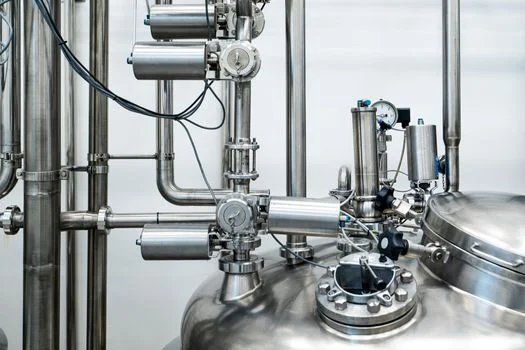
Hospital influent in Ho Chi Minh City typically exhibits high concentrations of organic matter and pathogenic microorganisms, with COD levels often ranging from 400 to 800 mg/L. Unlike municipal sewage, medical wastewater contains high concentrations of disinfectants (e.g., glutaraldehyde, chlorine), which can inhibit the biological activity of standard activated sludge systems. This necessitates robust equalization and, in some cases, advanced oxidation pretreatment to protect the downstream microbial population.
A significant emerging challenge is the presence of antibiotics and pharmaceutical residues. Research from the HCMC Environmental Protection Agency (2023) indicates that antibiotic concentrations in untreated hospital effluent can reach 10–50 μg/L. These compounds contribute to the development of antimicrobial resistance (AMR) in the local environment. To address this, high-load facilities often integrate a DAF system for high-TSS hospital wastewater pretreatment, which removes a significant portion of the organic-bound pharmaceuticals before biological processing.
| Influent Parameter | Typical Range (HCMC) | Treatment Challenge |
|---|---|---|
| COD (Chemical Oxygen Demand) | 400 – 850 mg/L | High organic load requires intensive aeration |
| BOD₅ | 250 – 500 mg/L | Requires stable F/M ratio management |
| TSS | 150 – 400 mg/L | Risk of membrane fouling or sludge bulking |
| NH₄-N (Ammonia) | 30 – 70 mg/L | Requires nitrification/denitrification zones |
| Antibiotics/Pharmaceuticals | 10 – 50 μg/L | Recalcitrant; requires AOP or MBR filtration |
| Pathogen Load (Coliforms) | 10⁵ – 10⁷ CFU/mL | High disinfectant demand; risk of regrowth |
Space constraints are the primary physical barrier for HCMC hospitals. Most urban facilities have less than 500 m² available for their entire utility section. This has led to a shift toward underground integrated systems (WSZ Series) or modular MBR units. the disinfection stage must be highly reliable. While chlorine dosing is common, many engineers are switching to a chlorine dioxide generator for hospital effluent disinfection because ClO₂ is more effective against viruses and does not produce harmful trihalomethanes (THMs) in the presence of the organic matter commonly found in medical sewage.
Treatment Technologies Compared: SBR vs. MBR vs. DAF for Ho Chi Minh City Hospitals
Membrane Bioreactor (MBR) technology achieves a 60% reduction in system footprint compared to conventional Sequencing Batch Reactors (SBR) while maintaining effluent turbidity below 1 NTU. For hospital facility managers in Ho Chi Minh City, the choice between SBR, MBR, and DAF depends on a trade-off between initial capital expenditure (CAPEX) and the available physical space for the plant. While SBR has been the "workhorse" of the industry for decades, the increasing density of HCMC hospitals is making the compact nature of MBR systems indispensable.
The MBR membrane bioreactor system for near-reuse-quality effluent is particularly effective for hospitals aiming for Column A compliance or water reuse for landscaping. By replacing the secondary clarifier with a membrane module (usually 0.03 to 0.4 μm pore size), MBR systems eliminate the risk of sludge washout and ensure that virtually all bacteria and viruses are physically removed from the water. However, engineers must account for membrane replacement costs, which typically range from $15 to $25 per square meter annually in tropical climates where biofouling is more aggressive. For a deeper dive into these specifications, see our detailed MBR system engineering specs and selection criteria.
| Feature | SBR (Sequencing Batch) | MBR (Membrane Bio) | DAF (Dissolved Air) |
|---|---|---|---|
| Effluent Quality | Good (Column B) | Excellent (Column A+) | Moderate (Pre-treatment) |
| Footprint | Large (Requires clarifiers) | Very Small (Modular) | Compact |
| CAPEX | Medium | High (+30-40%) | Low to Medium |
| OPEX | Low (Simple aeration) | Medium (Membrane cleaning) | Medium (Chemical use) |
| Maintenance | Low complexity | Requires skilled labor | Mechanical maintenance |
| Odor Control | Variable | High (Enclosed units) | Requires covers |
Dissolved Air Flotation (DAF) is rarely used as a standalone solution for hospitals but is increasingly common as a pretreatment step for surgical centers or emergency hospitals with high TSS and grease loads. By injecting micro-bubbles into the influent, DAF units float suspended solids and fats to the surface for mechanical skimming. This protects the downstream biological membranes from clogging. For large facilities (>300 m³/day), a hybrid approach—DAF for primary treatment followed by MBR for biological polishing—offers the most robust protection against fluctuating influent loads and ensures long-term compliance with Vietnam's environmental standards.
Equipment Sizing and Cost Breakdown for 50–500 m³/day Systems
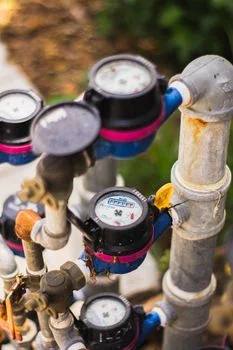
Capital expenditure (CAPEX) for a 200 m³/day hospital wastewater treatment system in Ho Chi Minh City ranges from $180,000 to $280,000 depending on the selected membrane and automation specifications. For procurement teams, budgeting must extend beyond the initial purchase price to include the total cost of ownership (TCO). In the Vietnamese market, operational expenditure (OPEX) is heavily influenced by electricity tariffs and the cost of imported chemicals for disinfection and pH adjustment.
Sizing guidelines typically follow the 2024 HCMC Department of Construction recommendations: 1 m³/day of wastewater capacity for every 2–3 beds in general hospitals, and 1 m³/day per bed for emergency or surgical-focused facilities. This accounts for both the clinical water use and the domestic sewage generated by the high volume of patient relatives who often stay on-site in HCMC hospitals. Over-sizing by 20% is generally recommended to handle peak hydraulic loads during the monsoon season when rainwater infiltration into old sewer lines can spike influent volumes.
| Capacity (m³/day) | Technology | Est. CAPEX (USD) | Est. OPEX (USD/m³) | Footprint (m²) |
|---|---|---|---|---|
| 50 | SBR (Underground) | $50,000 – $75,000 | $0.18 – $0.25 | 40 – 60 |
| 100 | MBR (Integrated) | $110,000 – $150,000 | $0.30 – $0.45 | 35 – 50 |
| 200 | MBR (Modular) | $180,000 – $280,000 | $0.28 – $0.40 | 60 – 85 |
| 500 | SBR + DAF Hybrid | $350,000 – $500,000 | $0.20 – $0.35 | 250 – 400 |
Financing these systems often involves a mix of institutional budgeting and government-backed environmental grants. The Climate Resilience Urban Services 2 (CRUS2) project in HCMC has opened doors for hospitals to access low-interest loans for infrastructure that improves urban water quality. Additionally, some manufacturers now offer Build-Own-Operate (BOO) models, where the hospital pays a monthly service fee based on the volume of treated water, shifting the technical risk and maintenance burden to the vendor.
Step-by-Step Equipment Selection Framework for Ho Chi Minh City Hospitals
A zero-risk equipment selection process begins with a site-specific hydraulic load analysis, accounting for both clinical discharge and domestic sewage from staff and patient relatives. Because Ho Chi Minh City’s regulations are tightening, choosing a system based solely on today's minimum requirements is a high-risk strategy. Instead, facility managers should use a decision framework that prioritizes future-proofing and operational stability.
- Assess Discharge Location: Determine if your facility discharges to a "sensitive" water body. If so, you must target QCVN 28:2010 Column A. This usually mandates MBR technology.
- Quantify Peak Loads: Calculate average daily flow but size equipment for a 2.5x peak hourly factor. This is critical for HCMC hospitals that experience high morning patient volumes.
- Evaluate Space and Odor: For hospitals in high-density areas, prioritize the compact medical wastewater treatment system. Its enclosed design and integrated bio-scrubbers minimize footprint and odor complaints from neighbors.
- Review OPEX vs. CAPEX: Compare the 10-year TCO of an SBR system (lower CAPEX, higher footprint) against an MBR system (higher CAPEX, lower footprint, better water quality).
- Verify Vendor Local Support: Ensure the manufacturer has a service team in Ho Chi Minh City. In tropical climates, sensor calibration and pump maintenance must be performed quarterly.
- Pilot Testing: For capacities above 200 m³/day, request a 1-3 month pilot study with a mobile unit to validate the removal rates of specific antibiotics or chemicals used in your facility.
By following this structured approach, procurement teams can avoid the common pitfall of selecting "off-the-shelf" solutions that fail to handle the specific chemical profile of medical waste. It also ensures that the selected system will remain compliant even if how hospital wastewater treatment standards compare in Latin America or other international benchmarks eventually influence stricter Vietnamese regulations.
Frequently Asked Questions

How do we manage odors in HCMC's high humidity?
In Ho Chi Minh City, the 80-90% humidity accelerates the decomposition of organic matter, leading to rapid H₂S production. We recommend using enclosed fiberglass (FRP) tanks with a dedicated chemical scrubber or a biological trickling filter. Ensuring a dissolved oxygen (DO) level of at least 2.0 mg/L in the aeration tank is the most effective way to prevent the anaerobic conditions that cause odors.
Can MBR systems handle the high chlorine levels found in hospital wastewater?
Standard PVDF membranes used in MBR systems are resistant to chlorine, but excessive concentrations (above 1,000 mg/L) can damage the biological sludge. We recommend an equalization tank with at least 6-8 hours of hydraulic retention time (HRT) to allow residual chlorine to dissipate or to be neutralized before entering the membrane chamber.
What is the typical lifespan of a treatment system in Vietnam?
A well-maintained integrated system (like the WSZ or compact medical wastewater system) has a structural lifespan of 15–20 years. However, mechanical components like blowers and pumps typically require replacement every 5–7 years. In MBR systems, membranes generally last 5 years before the flux rate drops below 70% of the design capacity due to irreversible fouling.
Is Column A compliance mandatory for all HCMC hospitals by 2025?
Currently, Column B is the standard for hospitals discharging into the municipal sewer system. However, the HCMC Department of Natural Resources and Environment (DONRE) is increasingly requiring Column A for any facility within 500 meters of a primary canal or river. It is safer to design for Column A if you are planning a new facility or a major retrofit.