Why Ahmedabad Industrial Wastewater Needs a Cluster-Specific Treatment Train
Ahmedabad's industrial clusters each discharge a chemically distinct stream, and a generic textbook treatment train fails in at least three of the four major zones. Across Naroda and Vatva, textile dyeing units generate COD 1,500–4,000 mg/L, color 500–2,500 Pt-Co units, TDS 3,000–6,000 mg/L, and sulfate 500–1,800 mg/L from reactive and disperse dye baths. In Vatva and Narol, chemical and pharma plants push COD to 3,000–15,000 mg/L with solvent carryover, ammonia 200–600 mg/L, and trace cyanide and heavy metals (Cr, Ni, Cu) that will shut down a biological train if not pre-precipitated. Odhav and Naroda engineering plus tier-2 auto ancillary units emit oil and grease at 500–3,000 mg/L with TDS 800–2,000 mg/L but comparatively low BOD/COD (BOD/COD ratio often below 0.3). Sanand and Bavla, now dominated by automotive OEMs and EV battery cell suppliers, run TDS 1,500–3,000 mg/L, fluoride 5–20 mg/L, and occasional lithium and nickel traces that demand specific ion-selective removal before discharge.
For high-strength streams, the anaerobic loading envelope of 54–3,000 lb BOD/acre/day documented in the Industrial Waste Treatment Handbook remains the sizing benchmark for UASB and EGSB reactors, and most Ahmedabad chemical and textile effluents sit in the upper third of that range, requiring hybrid upflow anaerobic sludge blanket (UASB) plus moving bed biofilm reactor (MBBR) configurations rather than anaerobic alone. Influent variability within a single shift routinely hits 2–3× on COD and pH, so equalization at 8–12 hours hydraulic retention time (HRT) with online pH and conductivity probes is non-negotiable; Ahmed et al. 2022 (Chemosphere 306, 135527) further confirm that membrane selection between PVDF and PES, and flat-sheet versus hollow-fiber geometry, must be matched to the cluster's fouling signature rather than chosen on capital cost alone.
GPCB 2026 Discharge Limits and Consent Conditions You Must Hit
For surface discharge into the Naroda and Vatva common effluent treatment plants (CETPs) and into GIDC drainage, the Gujarat Pollution Control Board (GPCB) consent orders issued between 2024 and 2025 enforce BOD below 30 mg/L, COD below 250 mg/L, TSS below 100 mg/L, oil and grease below 10 mg/L, pH 6.5–8.5, and TDS below 2,100 mg/L; irrigation reuse routes tighten several parameters, with TDS targets falling to under 1,000 mg/L in the proposed 2025 Sanand and Bavla overlays for battery and EV suppliers. The table below maps GPCB's CETP member norms against CPCB's general standards for effluents discharged into inland surface water, so a procurement team can quickly see where Gujarat tightens the envelope.
| Parameter | GPCB CETP inlet norms (2024–25) | CPCB general standards (Schedule VI) | Sanand/Bavla draft 2025 (EV/battery) |
|---|---|---|---|
| pH | 6.5–8.5 | 5.5–9.0 | 6.5–8.0 |
| BOD (mg/L) | < 30 | < 30 | < 20 |
| COD (mg/L) | < 250 | < 250 | < 150 |
| TSS (mg/L) | < 100 | < 100 | < 50 |
| Oil & grease (mg/L) | < 10 | < 10 | < 5 |
| TDS (mg/L) | < 2,100 | < 2,100 | < 1,000 (reuse) |
| Heavy metals (Cr/Ni/Cu, mg/L each) | < 2.0 | < 2.0–3.0 | < 0.5 |
Consent to Operate (CTO) is valid for 5 years and renewal requires a real-time telemetry stream carrying pH, COD, TSS, and flow to the GPCB server, backed by a calibrated automatic chemical dosing system; Consent to Establish (CTE) is the prior step, and a 7-day composite wastewater characterization must accompany the application. Non-compliance risks closure under sections 25 and 26 of the Water Act 1974, and CETP member factories in Naroda and Vatva face additional penalties under the 2024 amended bylaws if the inlet stream exceeds contracted parameters for two consecutive months. For facilities considering indirect potable reuse through groundwater recharge, the EU Drinking Water Directive 98/83/EC and WHO guidelines remain the conservative design benchmarks, particularly relevant because Ahmedabad's industrial-zone groundwater TDS already runs 800–2,500 mg/L.
The 2026 Process Selection Matrix: Picking the Right Train for Your Stream
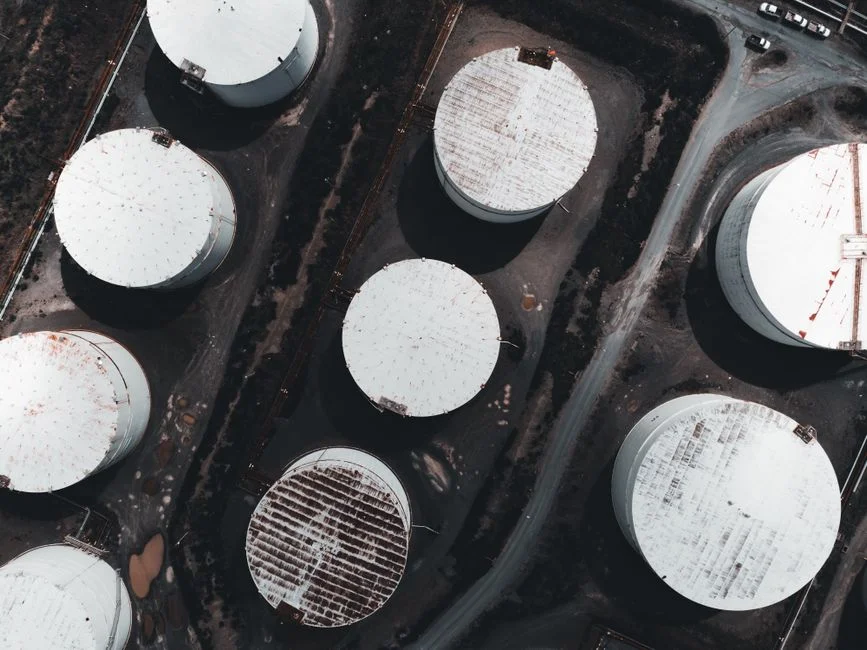
The matrix below maps the four major Ahmedabad clusters to a defensible process train, with cluster-specific flow rates and key equipment stages sized for typical 50 KLD plants; it is the document to take into a vendor meeting, since it converts "I need an ETP" into a quantified specification.
| Cluster | Influent signature | Recommended train | Key sizing anchor |
|---|---|---|---|
| Naroda / Vatva textile | COD 1,500–4,000 mg/L, color 500–2,500 Pt-Co, sulfate 500–1,800 mg/L | Equalization (8–12 hr) → coarse screen → DAF system (4–12 m³/h) → Fenton oxidation (Fe²⁺/H₂O₂ at pH 3–3.5) → neutralization → MBR membrane bioreactor (PVDF 0.1 μm, flux 12–18 LMH) → optional RO for reuse | Fenton HRT 2–4 hr; MBR HRT 6–8 hr |
| Vatva / Narol chemical & pharma | COD 3,000–15,000 mg/L, NH₃-N 200–600 mg/L, trace CN, Cr, Ni | Equalization → pH correction → primary clarifier → MBR → activated carbon → industrial RO system → ClO₂ polishing | RO recovery 60–70%; CN destruction <0.2 mg/L (see CPCB and SPCB cyanide discharge limits) |
| Odhav / Naroda engineering & auto | O&G 500–3,000 mg/L, TDS 800–2,000 mg/L, BOD/COD <0.3 | Oil/water separator → DAF → SBR (6 hr cycle) → sand filter | DAF loading 25–35 m³/m²·h |
| Sanand / Bavla automotive & EV battery | TDS 1,500–3,000 mg/L, F 5–20 mg/L, occasional Li/Ni | Equalization → DAF → MBR → RO (ZLD when required) → ion exchange for F and Li polishing | RO recovery 65–75% for ZLD; concentrate to crystallizer |
Two practical decision rules shorten the vendor conversation. If the design flow is under 20 KLD and BOD is below 800 mg/L, a packaged WSZ-type buried plant typically delivers the lowest installed cost and the shortest GIDC approval path. If the flow exceeds 50 KLD or COD runs above 2,000 mg/L, a containerized MBR membrane bioreactor plus RO skid outperforms stick-built systems on both schedule and effluent quality. Reverse osmosis enters the train whenever TDS influent exceeds 1,500 mg/L or the factory has committed to Zero Liquid Discharge (ZLD), an increasingly standard requirement for new Sanand and Bavla plants and a growing expectation at Naroda and Vatva CETPs facing hydraulic overload. For a deeper look at why DAF selection and flux targets matter cluster-by-cluster, the DAF system advantages and disadvantages engineering guide is a useful cross-check.
CAPEX, OPEX and Payback: 2026 Cost Benchmarks for Ahmedabad ETPs
The table below consolidates 2026 capital and operating cost benchmarks for Ahmedabad, drawn from recent project tenders and HydropureWater field data; ranges reflect influent strength, automation scope, and whether ZLD polishing is included.
| Capacity | Configuration | CAPEX (₹) | OPEX (₹/L treated) | Indicative payback |
|---|---|---|---|---|
| 10 KLD | Package plant (WSZ/buried) | 22–28 lakh | 1.5–2.0 | 24–30 months |
| 50 KLD | MBR + RO | 1.1–1.6 Cr | 2.2–3.4 | 24–36 months |
| 100 KLD | MBR + RO + reuse loop | 2.2–3.0 Cr | 1.8–2.8 | 22–30 months |
| 250 KLD | MBR + RO + ZLD polishing | 4.0–5.2 Cr | 1.6–2.3 | 30–42 months |
| 500 KLD | MBR + RO + ZLD (crystallizer) | 5.5–7.5 Cr | 2.0–3.0 | 36–48 months |
OPEX is dominated by four line items: power at 45–55% of total (aeration blowers and RO high-pressure pumps together), chemicals at 15–20% (NaOH, H₂SO₄, anti-scalant, and ClO₂ precursor handled through an automatic chemical dosing system), membrane replacement at 10–15% (PVDF MBR membranes typically last 5–7 years, RO elements 3–5 years), and sludge disposal at 10–15%. Payback math against Ahmedabad-specific levers is straightforward: GIDC freshwater tariff ₹40–60/kL, CETP surcharge ₹8–15/kL, sewage drain charge ₹5–10/kL, and RO permeate reuse value at ₹25–40/kL inside the plant, which together produce a 24–36 month payback for 50–100 KLD MBR-RO installations. Skid-mounted factory-tested systems compress installation to 1–2 weeks versus 6–8 weeks for stick-built, and typically cut civil cost by 15–20%; the high-efficiency sedimentation tank used in primary clarification often comes pre-fabricated on the same skid, accelerating commissioning.
Sizing, Pretreatment and Sludge: The Three Engineering Details That Decide ETP Success in Ahmedabad
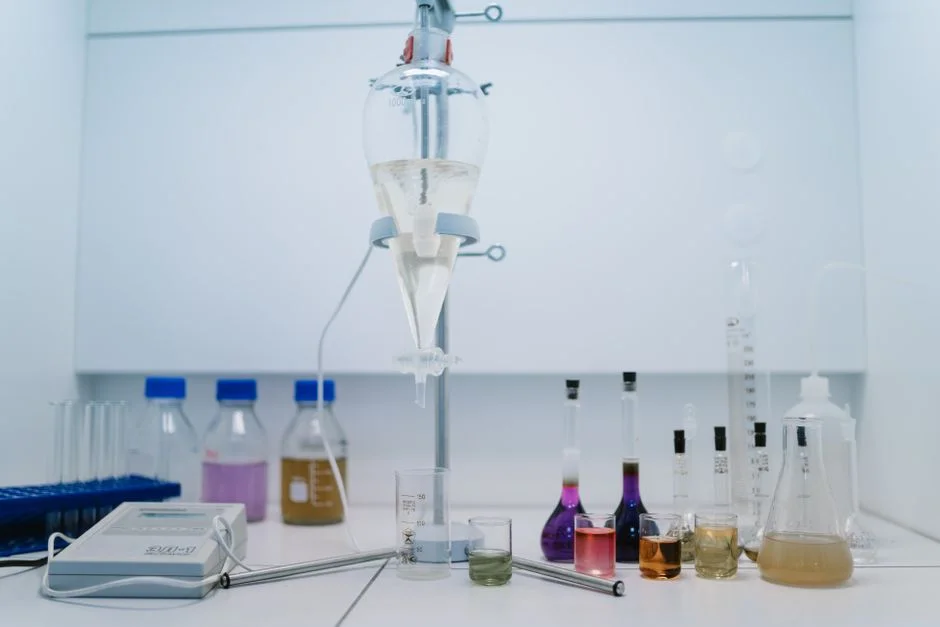
Three engineering items decide whether an ETP passes its first GPCB site visit, and each is routinely undersized in Ahmedabad turnkey packages. First, pretreatment: a rotary mechanical bar screen with 3–5 mm aperture is the minimum bar to protect downstream pumps and membranes from rags, plastic strips, and lint that show up in textile and mixed-domestic streams; missing this screen is a routine GPCB non-conformance. Second, equalization: 8–12 hour HRT with mechanical mixers and online pH probes, sized on the maximum expected COD shock, is what keeps a downstream MBR flux steady; without it, MBR transmembrane pressure spikes and irreversible fouling follows within weeks (Ahmed et al. 2022). Third, sludge: most Ahmedabad factories under-spec dewatering and end up paying to truck wet sludge; a plate-and-frame filter press with 1–500 m² filter area produces an 18–25% dry solids cake, reducing disposal volume by roughly 80% and disposal cost from ₹2,500/kL wet to around ₹400/kL cake. Where footprint is tight, the high-efficiency sedimentation tank operates at 20–40 m/h surface loading, several times the rate of a conventional clarifier, which is why it is a common retrofit in older Vatva and Naroda plots.
From Specification to Commissioning: The 6-Step Equipment Procurement Path
- Characterize your influent. Run a 7-day composite sampling campaign covering pH, COD, BOD, TSS, TDS, oil and grease, color, and the heavy metals relevant to your cluster; this dataset is what GPCB expects on the CTE application and is the single most common reason approvals are delayed.
- Match cluster to process train. Use the matrix in Section 3 to lock the flow sheet, including DAF, MBR, and RO stages, before issuing any RFQ.
- Issue RFQ to at least three vendors on the same flow sheet. Demand guaranteed inlet and outlet parameters, not generic "as per design" language; include membrane model, flux, and expected chemical consumption.
- Visit the vendor factory before dispatch. Confirm PLC programming, skid fabrication quality, and membrane test certificates in person; the cost of one factory visit is trivial against the cost of a rejected system on site.
- Plan installation on a 4–6 week skid-mounted schedule, or 14–20 weeks for stick-built. Bring the GPCB-approved telemetry online on day one; the data logger must stream pH, COD, TSS, and flow to the GPCB server before the trial run begins.
- Run a 30-day performance trial with NABL-accredited third-party lab results before CTO handover. This documentation is the difference between a CTO granted in 60 days and one delayed by a year of back-and-forth.
Frequently Asked Questions
What is the cost of an ETP in Ahmedabad in 2026? A 10 KLD package plant runs ₹22–28 lakh CAPEX with OPEX ₹1.5–2.0/L, while a 100 KLD MBR-RO system runs ₹2.2–3.0 Cr CAPEX with OPEX ₹1.8–2.8/L; 500 KLD MBR-RO-ZLD trains land at ₹5.5–7.5 Cr with OPEX ₹2.0–3.0/L (HydropureWater field data, 2026).
Which ETP is best for textile dyeing wastewater in Naroda? A DAF → Fenton oxidation → MBR train with optional RO is the standard 2026 answer, because Fenton destroys the 500–2,500 Pt-Co color and the PVDF MBR handles residual COD down to <100 mg/L before reuse or CETP discharge.
What are GPCB discharge limits for industrial wastewater in Gujarat? GPCB CETP inlet norms (2024–25) require BOD < 30 mg/L, COD < 250 mg/L, TSS < 100 mg/L, oil and grease < 10 mg/L, pH 6.5–8.5, and TDS < 2,100 mg/L; Sanand and Bavla draft 2025 overlays for EV and battery suppliers tighten BOD to < 20 mg/L and TDS to < 1,000 mg/L on reuse routes.
Is MBR or SBR better for Ahmedabad industrial wastewater? MBR is preferred when flow exceeds 50 KLD or COD exceeds 2,000 mg/L, because the 0.1 μm PVDF membrane holds biomass at 8,000–12,000 mg/L and achieves >95% COD removal in a smaller footprint; SBR is more economical for low-strength engineering and auto ancillary streams below 800 mg/L BOD and under 100 KLD.
How long does GPCB Consent to Operate approval take for a new ETP? A complete CTE application supported by a 7-day composite characterization and a vendor-confirmed flow sheet is typically cleared in 60–90 days, with CTO following a successful 30-day third-party performance trial; missing telemetry or unmatched hydraulic data routinely extends the timeline to 6–12 months.