A medical wastewater treatment system removes contaminants from hospital effluent through a multi-stage process: physical screening (TSS removal ≥90%), biological treatment (COD/BOD reduction 80–95% via MBR or A/O), tertiary polishing (nutrient/micro-pollutant removal via adsorption or ozone), and disinfection (99.99% pathogen kill via UV or chlorine dioxide). Systems must meet strict discharge limits—e.g., EPA’s <30 mg/L BOD and <200 CFU/100 mL fecal coliform for medical facilities—while handling high loads of pharmaceuticals, pathogens, and heavy metals. The compact medical wastewater treatment system with ozone disinfection, for example, combines ozone disinfection with multi-stage filtration to achieve 99%+ kill rates for SARS-CoV-2 and antibiotic-resistant bacteria in a compact footprint.
Why Medical Wastewater Requires Specialized Treatment Systems
Hospital effluent contains 10–100× higher pathogen loads than municipal wastewater, including antibiotic-resistant bacteria (ARB) such as MRSA and VRE, and highly infectious viruses like SARS-CoV-2 and norovirus. Generic sewage systems often lack the hydraulic retention time (HRT) and specialized disinfection stages required to neutralize these biological threats, leading to environmental contamination and significant legal liabilities. For instance, a 500-bed hospital in Cork recently faced €250,000 in fines for exceeding EU Urban Waste Water Directive limits (BOD >25 mg/L, TSS >35 mg/L) because its conventional treatment plant could not handle the surge in antimicrobial-resistant loads.
Beyond pathogens, medical wastewater is characterized by pharmaceutically active compounds (PhACs), including antibiotics, chemotherapy drugs, and endocrine disruptors. These compounds persist through standard activated sludge processes, requiring tertiary polishing such as activated carbon adsorption or advanced oxidation to achieve 80–95% removal. heavy metals like mercury (Hg) and silver (Ag) from dental and imaging departments often exceed EPA limits of <0.01 mg/L. Treating these requires chemical precipitation or ion exchange, typically involving coagulant dosages ranging from 10–50 mg/L to ensure metal ions are sequestered into the sludge phase.
| Contaminant Type | Concentration in Hospital Effluent | Standard Sewage System Removal | Specialized System Requirement |
|---|---|---|---|
| Pathogens (E. coli, ARB) | 10^5–10^8 CFU/100 mL | 90–99% (Inadequate) | 99.99%–99.999% Kill Rate |
| PhACs (Antibiotics/Chemo) | 10–100 µg/L | <30% | 80–95% via Tertiary Polishing |
| Heavy Metals (Hg, Ag) | 0.05–0.5 mg/L | Variable/Low | Chemical Precipitation/Ion Exchange |
| COD/BOD | 300–1,500 mg/L | 70–85% | 90–98% via MBR or Hybrid Systems |
Step-by-Step Process Flow: How Medical Wastewater Treatment Systems Work
The engineering of a medical wastewater treatment system follows a rigorous five-stage sequence designed to protect downstream components and maximize contaminant removal efficiency. The process begins with **Pretreatment (Physical Screening)**. Rotary mechanical bar screens, such as the GX Series, are utilized to remove bulk debris like gauze, plastics, and sticks. With a screen gap of 1–6 mm, these units achieve 40–60% TSS removal at flow rates between 10 and 500 m³/h, preventing pump clogging and mechanical wear.
Following screening, the water enters **Primary Sedimentation**. High-efficiency lamella clarifiers use inclined plates to increase the effective settling area, reducing TSS by 60–70% and BOD by 25–40%. The surface loading rate is typically maintained at 20–40 m/h. The resulting sludge is directed to a plate-frame filter press for dewatering, producing cake solids with 20–30% dry matter for safe disposal. The clarified water then moves to **Biological Treatment**, where the choice between a Membrane Bioreactor (MBR) and Anoxic/Aerobic (A/O) process determines final effluent quality. An MBR system for high-efficiency COD/BOD removal in medical effluent utilizes membrane pore sizes of 0.1–0.4 µm and high Mixed Liquor Suspended Solids (MLSS) concentrations of 8,000–12,000 mg/L to achieve up to 98% BOD removal.
The fourth stage is **Tertiary Polishing**, essential for removing PhACs and residual organics. This involves either activated carbon adsorption or ozone oxidation. An ozone dosage of 5–15 mg/L with a contact time of 5–10 minutes ensures 90–95% removal of recalcitrant pharmaceuticals. Finally, **Disinfection** serves as the critical safety barrier. While UV (254 nm) provides a 99.99% kill rate for bacteria in seconds at doses of 40–60 mJ/cm², chlorine dioxide (ClO₂) is often preferred for its residual effect against antibiotic-resistant bacteria. An on-site ClO₂ generator for medical wastewater disinfection can maintain a 0.5–1.0 mg/L concentration to ensure a 99.9% kill rate over a 30-minute contact period.
| Treatment Stage | Technology Example | Key Engineering Parameter | Removal Efficiency |
|---|---|---|---|
| Physical Pretreatment | Rotary Bar Screen (GX) | 1–6 mm gap; 10–500 m³/h | 40–60% TSS |
| Primary Settling | Lamella Clarifier | 20–40 m/h surface loading | 60–70% TSS; 25–40% BOD |
| Biological (MBR) | Membrane Bioreactor | 0.1–0.4 µm pore; 8k–12k MLSS | 95–98% BOD; 90–95% COD |
| Disinfection (Ozone) | Ozone Generator | 5–15 mg/L; 5–10 min contact | 99.999% SARS-CoV-2 Kill |
Medical Wastewater Treatment Technologies Compared: MBR vs. A/O vs. DAF vs. Hybrid Systems
Selecting the appropriate technology requires a trade-off between effluent quality, footprint, and operational expenditure (OPEX). The Membrane Bioreactor (MBR) is the current gold standard for hospitals due to its compact footprint (0.5–1 m²/m³/day) and superior pathogen removal. However, it requires periodic chemical cleaning (every 1–3 months) to manage membrane fouling and consumes more energy (0.8–1.2 kWh/m³) than traditional methods. In contrast, the Anoxic/Aerobic (A/O) process is more budget-friendly but requires a secondary clarifier, increasing the footprint to 2–3 m²/m³/day and struggling to remove more than 50% of PhACs.
Dissolved Air Flotation (DAF) is typically integrated into medical systems as a pretreatment stage for facilities with high Fats, Oils, and Grease (FOG) loads, such as those with large industrial kitchens or laundry services. A hybrid system—combining MBR with DAF or ozone—provides the highest removal rates (99%+ TSS and 97–99% BOD), making the effluent suitable for non-potable reuse. While the Capital Expenditure (CAPEX) for hybrid systems is higher, ranging from $2,000–$4,000 per m³/day, the long-term compliance security and potential for water recycling often justify the investment.
| Parameter | MBR | A/O | DAF | Hybrid (MBR + DAF) |
|---|---|---|---|---|
| COD Removal (%) | 90–95 | 80–85 | 60–70 | 95–98 |
| TSS Removal (%) | 99+ | 85–90 | 90–95 | 99+ |
| Pathogen Kill (%) | 99.99 | 99.9 | 90–95 | 99.999 |
| Footprint (m²/m³/d) | 0.5–1 | 2–3 | 1–2 | 1–1.5 |
| OPEX ($/m³) | $0.30–$0.60 | $0.15–$0.30 | $0.20–$0.40 | $0.40–$0.70 |
Compliance Standards for Medical Wastewater: EPA, EU, and WHO Limits
Compliance is the primary driver for medical wastewater system design. In the United States, the EPA (40 CFR Part 460) mandates strict limits for medical facilities, requiring BOD and TSS levels to remain below 30 mg/L for a 30-day average. Fecal coliform counts must not exceed 200 CFU/100 mL. In the European Union, the Urban Waste Water Directive (91/271/EEC) sets even more granular targets, including nitrogen (<15 mg/L) and phosphorus (<2 mg/L) limits to prevent eutrophication in receiving water bodies.
The World Health Organization (WHO) provides the global benchmark for safe wastewater use, particularly regarding infectious diseases. Their 2022 guidelines specify that effluent used for unrestricted irrigation must contain <1,000 CFU/100 mL of E. coli and <1 helminth egg per liter. For viral safety, particularly concerning SARS-CoV-2, the goal is "no detectable RNA" in 1 L of effluent, which requires advanced disinfection stages. A real-world application of these standards can be seen in how a Bangalore hospital achieved KSPCB compliance with a compact system, successfully reducing BOD from 200 mg/L to <20 mg/L while meeting stringent local pathogen limits.
| Regulator | BOD Limit | TSS Limit | Pathogen Limit | Nutrient Limits |
|---|---|---|---|---|
| EPA (USA) | <30 mg/L | <30 mg/L | <200 CFU/100 mL | N/A (Local) |
| EU (91/271/EEC) | <25 mg/L | <35 mg/L | Member State Specific | N: <15mg/L; P: <2mg/L |
| WHO (Reuse) | N/A | <5 mg/L | <1,000 E. coli/100 mL | Helminth: <1 egg/L |
How to Select the Right Medical Wastewater Treatment System: A Decision Framework
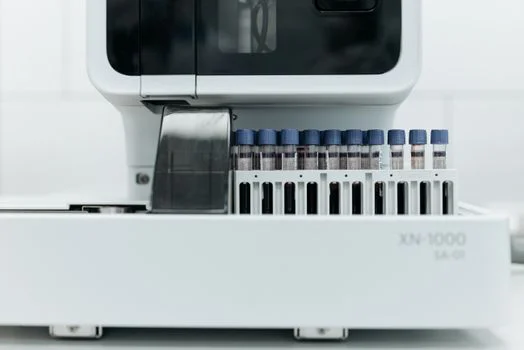
Choosing a system involves a four-step engineering evaluation. First, **Define Influent Characteristics**. Engineers must use lab data or established defaults: typical hospital flow rates range from 0.1 to 10 m³/bed/day. A 500-bed facility will generate between 50 and 500 m³ of wastewater daily, with COD levels often peaking at 1,500 mg/L. Second, **Match Technology to Contaminants**. If the facility houses an infectious disease ward, an MBR combined with UV or ozone is mandatory. If the primary concern is laundry or cafeteria grease, a DAF unit must precede the biological stage.
Third, **Calculate CAPEX and OPEX**. For a detailed financial breakdown, refer to detailed CAPEX/OPEX breakdowns for medical wastewater treatment systems. Small clinics may spend $50,000–$500,000 on CAPEX, while large hospitals require investments of $1M–$5M. OPEX is driven by energy (0.5–1.2 kWh/m³) and chemicals ($0.10–$0.30/m³). Finally, **Ensure Compliance** by verifying that the system design meets both current and projected local discharge permits. Common pitfalls include underestimating PhAC loads—which A/O systems only remove by 30–50%—and ignoring sludge disposal costs, which typically involve handling 0.1–0.3 kg of dry sludge per m³ of treated effluent.
- Step 1: Audit influent (Flow, COD/BOD, Pathogens, PhACs).
- Step 2: Select tech (MBR for space/pathogens, A/O for budget, DAF for FOG).
- Step 3: Model 10-year TCO (Total Cost of Ownership) including membrane replacement.
- Step 4: Verify disinfection kill rates for localized viral threats.
Frequently Asked Questions
Q: What is the most effective disinfection method for antibiotic-resistant bacteria in hospital wastewater?
A: Chlorine dioxide (ClO₂) at 0.5–1.0 mg/L for 30 minutes achieves a 99.9% kill rate for antibiotic-resistant bacteria like MRSA and VRE without forming carcinogenic trihalomethanes (THMs). Ozone at 0.4–0.8 mg/L is also highly effective for viral inactivation, achieving 99.999% kill for SARS-CoV-2. For detailed engineering specs for chlorine dioxide disinfection in medical wastewater, facility managers should evaluate the on-site generators.
Q: How much does a medical wastewater treatment system cost for a 200-bed hospital?
A: CAPEX generally ranges from $300,000 to $1.2M. An A/O system is the most economical ($300k–$600k), while a high-performance MBR system ranges from $600k to $1.2M. OPEX typically fluctuates between $0.15/m³ for A/O and $0.60/m³ for MBR, depending on local utility rates and chemical consumption.
Q: What are the discharge limits for medical wastewater in the EU?
A: Under Directive 91/271/EEC, hospitals must achieve BOD <25 mg/L (95% removal), COD <125 mg/L (75% removal), and TSS <35 mg/L (90% removal). Stricter national regulations, such as those in Germany, may lower the BOD limit to <10 mg/L.
Q: Can medical wastewater be reused for irrigation or toilet flushing?
A: Yes, but it requires advanced tertiary treatment (MBR + RO + UV/Ozone) to meet WHO standards: E. coli <1,000 CFU/100 mL, TSS <5 mg/L, and PhACs <1 µg/L. CAPEX for reuse-capable systems for a 500-bed hospital typically starts at $1.5M.
Q: How often should MBR membranes be cleaned in a medical wastewater system?
A: Chemical cleaning with sodium hypochlorite (NaOCl) or citric acid is required every 1–3 months. Full membrane replacement is generally scheduled every 5–8 years. High influent FOG (>100 mg/L) or TSS (>500 mg/L) will accelerate fouling and increase energy consumption by 20–30%.