Why Industrial Plants Are Switching from Chlorine to ClO₂ Disinfection
Industrial facilities are increasingly adopting chlorine dioxide (ClO₂) disinfection systems to overcome the inherent limitations of traditional chlorine-based treatments. Chlorine's reactivity with ammonia in wastewater forms chloramines, which are significantly less effective disinfectants and necessitate costly "breakpoint chlorination" to achieve desired microbial inactivation. According to EPA LT2ESWTR data, chlorine also exhibits poor efficacy against critical pathogens like Giardia and Cryptosporidium at standard contact times, posing a substantial risk of regulatory non-compliance. A 2024 *Water Environment Federation* study highlights that breakpoint chlorination can consume 8–10 times more chlorine than ClO₂ for equivalent pathogen kill, driving up operational expenditures. the EPA Stage 2 Disinfectants and Disinfection Byproducts Rule (DBPR) imposes strict limits of 80 µg/L for Total Trihalomethanes (THMs) and 60 µg/L for Haloacetic Acids (HAAs), compelling plants to seek alternatives like ClO₂ to avoid significant fines. For instance, a dairy processing plant in Wisconsin reported a 35% reduction in chemical costs and successfully eliminated THM violations after transitioning to a ClO₂ disinfection system, as detailed in a 2023 *Journal of Dairy Science* article.
ClO₂ Oxidation Mechanism: How It Kills Pathogens at the Molecular Level
Chlorine dioxide (ClO₂) achieves its potent disinfection capabilities through a distinct oxidation mechanism that targets microbial cellular components. Unlike chlorine, which primarily chlorinates organic matter, ClO₂ acts as a potent oxidizing agent, disrupting essential cellular functions. Its primary mode of action involves oxidizing amino acids, such as tryptophan and tyrosine, located within microbial cell walls and cytoplasm. This process interrupts protein synthesis and compromises membrane integrity, leading to rapid inactivation. Research by Alvarez & O’Brien (1982) in *Applied and Environmental Microbiology* demonstrated these mechanisms for poliovirus inactivation. A key advantage of ClO₂ is its selective reactivity, meaning it does not chlorinate organic matter, thereby preventing the formation of harmful disinfection byproducts like THMs and HAAs, a critical distinction noted by multiple studies. The reduction potential of ClO₂ is approximately 0.95 V vs. SHE, positioning it as a stronger oxidant than chlorine. This efficacy translates to significant pathogen log reductions: a 4-log reduction of E. coli can be achieved at a concentration of 0.5 mg/L for 15 minutes, while a 3-log reduction of Cryptosporidium requires 1.0 mg/L for 30 minutes, according to EPA 2024 guidelines. Beyond planktonic cells, ClO₂ is also highly effective at penetrating and degrading the extracellular polymeric substances (EPS) that form biofilms. A 2023 study in *Applied and Environmental Microbiology* reported up to 90% biofilm removal at 5 mg/L for 60 minutes, crucial for maintaining industrial hygiene and preventing microbial colonization in pipework.
| Pathogen/Microorganism | Concentration (mg/L) | Contact Time (min) | Log Reduction | Notes |
|---|---|---|---|---|
| E. coli | 0.5 | 15 | 4-log | Standard disinfection |
| Giardia lamblia | 0.5 | 15 | >3-log | EPA 2024 |
| Cryptosporidium parvum | 1.0 | 30 | 3-log | EPA 2024 |
| Biofilm (EPS) | 5.0 | 60 | 90% removal | 2023 *Applied and Environmental Microbiology* study |
ClO₂ Generation Methods: Chemical vs. Electrolytic Systems Compared
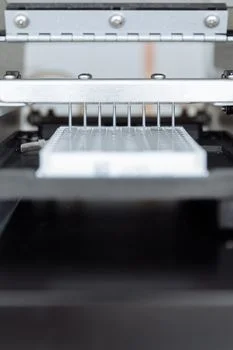
The choice between chemical and electrolytic generation methods for chlorine dioxide is a critical decision for industrial wastewater treatment facilities, impacting capital expenditure, operational costs, and system maintenance. Chemical generation, typically involving the reaction of sodium chlorite with an acid (such as hydrochloric acid or sulfuric acid), is a well-established technology. These systems produce ClO₂ with a purity of 95–98% and can achieve high generation rates, ranging from 1 to 20,000 grams per hour (g/h). The initial capital expenditure (CapEx) for chemical generation systems is generally lower, estimated between $15,000 to $150,000, depending on capacity. However, they require a continuous supply of precursor chemicals, necessitating regular reagent refills and on-site storage. Maintenance typically involves weekly chemical replenishment and quarterly calibration of dosing pumps. In contrast, electrolytic generation uses an electrochemical process, often starting with sodium chlorite or sodium chloride solutions, to produce ClO₂. This method yields a higher purity of ClO₂ (99%+) and is favored when ultra-pure ClO₂ is required or when minimizing chemical handling is a priority. Electrolytic systems typically have generation capacities from 10 to 5,000 g/h and a higher CapEx, ranging from $50,000 to $300,000. While they reduce the need for bulk chemical storage, they require periodic electrode maintenance and membrane cleaning, usually on an annual basis. Scalability differs significantly: chemical systems are inherently modular, allowing for easy expansion by adding reactors, whereas electrolytic systems are limited by the surface area of their electrodes. Safety considerations also vary; chemical systems can pose an off-gassing risk if the pH drops below 4, while electrolytic systems require proper ventilation to manage potential hydrogen gas buildup.
| Parameter | Chemical Generation | Electrolytic Generation |
|---|---|---|
| Generation Principle | Reaction of sodium chlorite with acid (e.g., HCl, H₂SO₄) | Electrochemical oxidation of sodium chlorite or chloride |
| ClO₂ Purity | 95–98% | 99%+ |
| Typical Generation Rate | 1–20,000 g/h | 10–5,000 g/h |
| Estimated CapEx | $15,000–$150,000 | $50,000–$300,000 |
| Chemical Handling | Requires bulk chemical storage and regular refills | Reduced chemical handling; uses salt or dilute solutions |
| Maintenance | Weekly reagent refills, quarterly pump calibration | Annual electrode replacement/cleaning, membrane maintenance |
| Scalability | Highly modular, easy to expand | Limited by electrode surface area |
| Safety Concerns | Off-gassing at pH < 4 | Hydrogen gas buildup (requires ventilation) |
For precise ClO₂ generation and dosing in various industrial applications, consider robust PLC-controlled chemical dosing systems.
Engineering Specs for ClO₂ Disinfection Systems: CT Values, Residuals, and Process Parameters
Designing and operating effective ClO₂ disinfection systems requires a precise understanding of key engineering parameters, including CT values, optimal pH ranges, and residual levels, all of which are critical for achieving compliance with regulatory standards. The CT value, representing the product of disinfectant concentration (C) and contact time (T), is paramount for achieving a target level of microbial inactivation. For instance, the EPA (2024) specifies CT values for 99.9% inactivation: 0.25 mg·min/L for E. coli, 0.5 mg·min/L for Giardia, 1.0 mg·min/L for Cryptosporidium, and 1.5 mg·min/L for norovirus. ClO₂ exhibits optimal performance within a broad pH range of 4–10. However, its efficacy can decrease below pH 6 due to the formation of the less potent chlorite ion (ClO₂⁻). This equilibrium can be described by the reaction ClO₂ + OH⁻ ⇌ ClO₂⁻ + H₂O. Maintaining adequate residual ClO₂ is essential for ensuring ongoing disinfection and preventing regrowth. The EPA Maximum Contaminant Level (MCL) for ClO₂ residuals in drinking water is 0.8 mg/L. In industrial wastewater applications, typical dosing ranges from 0.5–5 mg/L, with higher concentrations often employed for biofilm removal. Temperature significantly influences inactivation rates; generally, disinfection rates double for every 10°C increase in water temperature, a principle related to the Arrhenius equation. Conversely, elevated temperatures above 30°C can increase ClO₂ off-gassing. Contact time is another crucial factor, typically ranging from 15–60 minutes for most pathogen inactivation. For penetrating and eradicating stubborn biofilms, contact times of 90 minutes or more may be necessary, as indicated by research in *Water Research* (2023).
| Parameter | Value/Range | Significance |
|---|---|---|
| CT Value (99.9% Inactivation) | E. coli: 0.25 mg·min/L Giardia: 0.5 mg·min/L Cryptosporidium: 1.0 mg·min/L Norovirus: 1.5 mg·min/L |
Regulatory compliance, efficacy target |
| Optimal pH Range | 4–10 | Maximizes ClO₂ efficacy; performance drops below pH 6 |
| EPA MCL (Residual) | 0.8 mg/L | Drinking water standard |
| Typical Dosing Range | 0.5–5 mg/L | Disinfection and biofilm control |
| Temperature Effect | Rate doubles per 10°C increase; off-gassing above 30°C | Influences reaction kinetics and operational safety |
| Contact Time | 15–60 min (pathogens) 90+ min (biofilm) |
Ensures sufficient exposure for inactivation |
System Components Breakdown: Reactors, Dosing Pumps, and Automation Controls
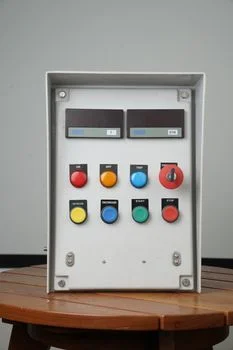
A robust chlorine dioxide disinfection system comprises several key components, each engineered for reliability, efficiency, and safety in industrial wastewater treatment. The core of the generation process lies in the reactor design. For chemical generation, this typically involves packed-bed or static mixer reactors, ensuring thorough mixing of precursor chemicals to maximize ClO₂ yield and minimize unreacted reagents. Electrolytic systems utilize membrane cells where the electrochemical reaction occurs. Dosing pumps are critical for accurately introducing the generated ClO₂ into the wastewater stream. These are commonly diaphragm or peristaltic pumps, selected for their precision and ability to handle corrosive chemicals. Flow rates typically range from 0.1 to 10 liters per hour (L/h), and materials of construction, such as PVDF or Hastelloy, are chosen for their resistance to chemical attack. Automation and control systems are integral to modern ClO₂ applications, often employing Programmable Logic Controllers (PLCs). These systems integrate sensors, such as Oxidation-Reduction Potential (ORP) and pH probes, to monitor water quality in real-time and adjust ClO₂ dosing accordingly, creating effective feedback loops for optimized performance. Safety is paramount, and systems are equipped with interlocks, including alarms for low pH (<4), ClO₂ gas detectors, and emergency scrubbing systems to manage potential releases, ensuring compliance with OSHA and NIOSH safety guidelines. Many ClO₂ systems are supplied as skid-mounted units, offering pre-fabricated, integrated solutions for rapid deployment and capacities ranging from 50 g/h to 20 kg/h, exemplified by the ClO₂ generators with automated dosing and safety interlocks.
ClO₂ vs. Chlorine vs. UV vs. Ozone: Disinfection Technology Comparison Matrix
Selecting the optimal disinfection technology for industrial wastewater involves weighing various factors, including pathogen efficacy, byproduct formation, operational costs, and maintenance requirements. Chlorine dioxide stands out for its broad-spectrum efficacy, particularly against chlorine-resistant pathogens like Cryptosporidium, where it generally outperforms chlorine and UV. Ozone also offers strong disinfection capabilities but can be more energy-intensive. Chlorine, while cost-effective for basic disinfection, struggles with certain protozoa and can form undesirable byproducts. UV disinfection is effective for inactivating a wide range of microorganisms but is highly sensitive to water turbidity and does not provide a residual disinfectant effect. Regarding byproduct formation, ClO₂ and UV are generally considered superior as they do not produce regulated halogenated organic compounds like THMs and HAAs. Ozone can form bromate, a regulated byproduct, under certain conditions. Operational costs vary, with UV often having the lowest energy consumption, followed by ClO₂, then chlorine, and ozone typically being the highest due to significant energy demands. Maintenance profiles also differ: UV requires lamp replacement, ClO₂ involves chemical handling, ozone requires generator maintenance, and chlorine demands careful corrosion control. ClO₂ is particularly well-suited for industrial wastewater with high organic loads and where biofilm control is a concern. For applications requiring odor and color removal, ozone is a strong contender. A comprehensive understanding of these trade-offs is essential for informed decision-making, complementing insights from articles on UV disinfection systems as an alternative to ClO₂ and ozone disinfection for odor and color removal in industrial wastewater, and the broader comprehensive guide to industrial water disinfection technologies.
| Parameter | Chlorine Dioxide (ClO₂) | Chlorine (e.g., NaOCl) | UV Disinfection | Ozone (O₃) |
|---|---|---|---|---|
| Pathogen Efficacy | Excellent, especially against resistant pathogens (e.g., Cryptosporidium) | Good for bacteria, less effective against protozoa; forms chloramines | Broad-spectrum, effective on viruses and bacteria; less effective on protozoa | Excellent, broad-spectrum; rapid inactivation |
| Byproduct Formation | Minimal (no THMs/HAAs) | THMs, HAAs, chloramines | No chemical byproducts | Bromate (under certain conditions) |
| Residual Disinfection | Yes | Yes | No | No (short-lived) |
| Operational Cost | Moderate | Low to Moderate | Low (energy) | High (energy) |
| Maintenance | Chemical handling, dosing equipment | Chemical handling, corrosion control | Lamp replacement, cleaning | Generator maintenance, gas handling |
| Biofilm Control | Excellent | Moderate | Limited | Good |
| Best Use Case | Industrial wastewater, biofilm removal, high organic loads | General disinfection, cost-sensitive applications | Low-turbidity water, point-of-use disinfection | Odor/color control, rapid disinfection, oxidation of contaminants |
Troubleshooting ClO₂ Systems: Common Failures and Zero-Risk Fixes
Effective operation of ClO₂ disinfection systems relies on proactive identification and resolution of common issues to ensure continuous compliance and efficiency. Incomplete reactions, often caused by operating outside the optimal pH range (e.g., pH > 5) or insufficient mixing within the reactor, can lead to low ClO₂ concentrations. The solution involves adjusting the pH by adding acid or increasing the reactor's residence time to allow for complete reaction kinetics. Off-gassing of ClO₂ gas is a safety concern, typically occurring at elevated temperatures (above 30°C) or low pH (<4). Mitigation strategies include implementing temperature controls, ensuring proper ventilation, and maintaining stable pH levels, adhering to OSHA safety guidelines. Scaling, the precipitation of sodium chlorite or other salts on reactor walls, can reduce system efficiency. This is best prevented through regular acid flushing of the generation system as part of routine cleaning protocols. Sensor drift in ORP or pH probes due to fouling is another frequent issue. Weekly calibration and periodic cleaning of sensors with a mild acid solution, such as 5% citric acid (per EPA Method 1704), are recommended. Finally, low residual ClO₂ levels in the treated water can stem from various sources. A systematic diagnostic approach is necessary, involving checking for leaks in the dosing lines, verifying the flow rate calibration of dosing pumps, and testing the purity of the precursor reagents to ensure they meet specifications.
ROI Calculator: Justifying ClO₂ Systems for Industrial Wastewater Treatment
Implementing a ClO₂ disinfection system can yield significant financial benefits, making a strong case for its adoption in industrial wastewater treatment. Chemical cost savings are a primary driver, with ClO₂ systems typically reducing overall chemical consumption by 20–40% compared to traditional chlorine-based treatments. For a plant treating 100 m³/h, this can translate to annual savings of approximately $50,000. Beyond chemical costs, avoiding regulatory fines associated with non-compliance, such as those under the EPA Stage 2 DBPR for THMs and HAAs, can prevent substantial financial penalties, which can range from $10,000 to $50,000 per violation. ClO₂'s less corrosive nature compared to chlorine can lead to reduced maintenance costs and extended equipment lifespan, with some studies indicating a 30–50% decrease in corrosion-related repairs. For high-flow industrial applications like food processing or pharmaceuticals, the payback period for a ClO₂ system typically falls within 12–24 months. For lower-flow municipal systems, this period may extend to 36 months or more. To facilitate financial planning and justification, a downloadable Excel template is available for readers to input their specific flow rates and chemical costs, enabling a personalized ROI calculation.
Frequently Asked Questions
What is the primary mechanism by which ClO₂ disinfects water?
Chlorine dioxide (ClO₂) disinfects by oxidizing critical amino acids within microbial cell walls and cytoplasm, disrupting protein synthesis and cell membrane integrity, leading to rapid inactivation.
What are the main advantages of ClO₂ over chlorine for industrial wastewater?
ClO₂ is more effective against chlorine-resistant pathogens, does not form regulated disinfection byproducts like THMs and HAAs, and is less prone to forming less effective chloramines.
What is the EPA MCL for ClO₂ residuals?
The EPA Maximum Contaminant Level (MCL) for ClO₂ residuals in drinking water is 0.8 mg/L (EPA 816-F-24-001).
Does ClO₂ help remove biofilms?
Yes, ClO₂ is highly effective at penetrating and degrading the extracellular polymeric substances (EPS) that constitute biofilms, aiding in their removal and preventing microbial regrowth.
What is the typical CT value required for 99.9% inactivation of Giardia using ClO₂?
The CT value required for 99.9% inactivation of Giardia using ClO₂ is approximately 0.5 mg·min/L, as per EPA 2024 guidelines.
Are there any safety concerns with ClO₂ generation systems?
Yes, chemical generation systems can pose an off-gassing risk if pH drops below 4, while electrolytic systems require ventilation to manage potential hydrogen gas buildup.
How does the cost of ClO₂ compare to chlorine for disinfection?
While initial capital costs for ClO₂ systems can be higher, operational savings from reduced chemical consumption and fewer regulatory issues often lead to a lower total cost of ownership over time.
Related Equipment
- Compact ClO₂-based systems for healthcare wastewater disinfection — view specifications, capacity range, and technical data
Need a customized solution? Request a free quote with your specific flow rate and pollutant parameters.