A DAF system in Greece removes over 90% of suspended solids, FOG, and COD from industrial wastewater using microbubble flotation, critical for compliance with EU standards like Urban Waste Water Directive 91/271/EEC. Systems handle 4–300 m³/h and are widely used in olive oil, food processing, and tourism sectors.
What Is a DAF System and How Does It Work in Greek Industry?
A Dissolved Air Flotation (DAF) system is a robust physical-chemical treatment technology that efficiently separates suspended solids, fats, oils, and greases (FOG) from industrial wastewater using micron-sized air bubbles. This process is particularly critical for various industries in Greece facing specific effluent challenges, such as high FOG content. The DAF mechanism involves saturating a portion of the treated effluent or fresh water with air under pressure, typically 4-6 bar, in a saturation tank. This pressurized, air-saturated water is then released through a pressure reduction valve into the flotation chamber, where it forms a cloud of microbubbles, usually 20-50 microns in diameter.
These microbubbles attach to suspended particles, FOG globules, and flocculated matter, increasing their buoyancy and causing them to rapidly float to the surface. Prior to flotation, wastewater often undergoes coagulation and flocculation pretreatment using chemicals like ferric chloride (FeCl₃) or polyacrylamide (PAM) to agglomerate smaller particles into larger, more easily floatable flocs. Once at the surface, the concentrated sludge blanket is continuously removed by a mechanical skimmer, while the clarified water exits from the bottom of the tank. Typical retention time in the flotation chamber ranges from 20 to 30 minutes, ensuring efficient separation. This high-efficiency method achieves over 90% TSS and FOG removal (Sigmadaf data), especially when paired with optimal coagulant dosing.
For Greek industries, DAF systems are indispensable. Olive oil mills, for instance, produce highly contaminated wastewater with significant FOG and phenolic compounds; DAF effectively reduces these components. Food processing plants, often dealing with seasonal high Biochemical Oxygen Demand (BOD) and suspended solids from fruit, vegetable, or dairy operations, benefit from DAF as a primary treatment. Coastal hotels and resorts, generating municipal-like effluent with grease and detergents, use DAF for efficient pre-treatment. Even the shipping sector, handling bilge water containing hydrocarbons, finds DAF effective for preliminary oil separation, demonstrating the versatility of a modern industrial DAF system in Europe.
Why Greek Industrial Facilities Need DAF for EU and National Compliance
Greek industrial facilities must comply with stringent environmental regulations, primarily driven by the EU Urban Waste Water Directive 91/271/EEC, which mandates specific discharge limits for wastewater treatment plants serving a population equivalent (PE) greater than 2,000. This directive requires treated effluent to meet standards of less than 35 mg/L for BOD₅, less than 125 mg/L for Chemical Oxygen Demand (COD), and less than 35 mg/L for Total Suspended Solids (TSS). DAF systems are highly effective in enabling facilities to meet these critical parameters, significantly reducing the risk of penalties and ensuring sustainable operations.
DAF systems are proven to reduce COD by 70–90% and TSS by 92–97% (aligned with Sigmadaf claims), making them an ideal pre-treatment stage before biological processes or, in some cases, suitable for direct discharge in decentralized systems, particularly for smaller industrial operations. For instance, the olive oil wastewater (OMW) sector in Greece faces unique challenges due to its high organic load and phenolic content. National regulations specifically limit OMW COD to less than 500 mg/L. DAF technology, especially when coupled with ferric chloride dosing, has been proven in Mediterranean pilot studies to achieve over 85% COD reduction, making compliance achievable even for these challenging effluents.
Beyond direct discharge compliance, DAF systems also support water reuse initiatives, aligning with the broader goals of Greece’s Water Framework Directive. Treated water, after DAF and potentially further polishing, can be safely used for non-potable purposes such as irrigation, industrial cooling, or process water, thereby conserving freshwater resources and reducing overall operational costs. This dual benefit of compliance and resource efficiency underscores the necessity of DAF technology for industrial wastewater treatment in Greece, providing a reliable pathway to meet both local and European environmental standards.
Technical Specifications: DAF System Performance and Configuration
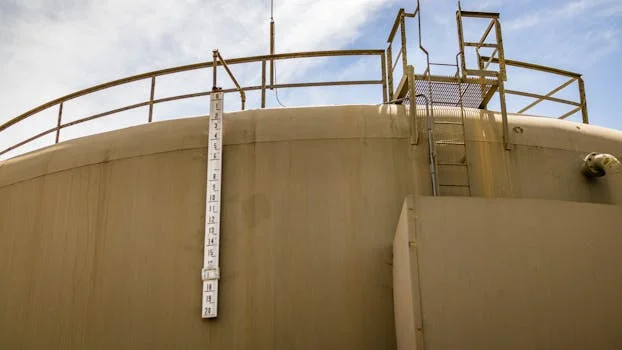
DAF systems are engineered with specific technical parameters to optimize performance across a range of industrial applications, providing robust solutions for complex wastewater streams. HydropureWater’s high-efficiency DAF system for industrial wastewater, such as the DAF standard models, offers flow capacities ranging from 4 to 300 m³/h. This modular design allows for scalable solutions, suitable for small agro-industrial plants like seasonal olive oil mills to large, continuous food processing hubs.
Optimal hydraulic loading rates for DAF units typically fall between 10–20 m³/m²/h, while surface overflow rates are maintained at 5–8 m/h, which is crucial for effectively handling high-solids loads common in many Greek industrial effluents. The air-to-solids ratio, a critical operational parameter, is typically maintained at 0.01–0.03 by weight, ensuring sufficient microbubble generation for particle flotation. A recycle flow of 20–30% of the influent is used to saturate with air and then introduced into the flotation chamber, promoting optimal bubble dispersion and solids capture.
Removal efficiency is consistently high: 90–97% for TSS, 85–95% for FOG, and 70–90% for COD, with performance largely dependent on effective pretreatment, such as coagulation with ferric chloride (FeCl₃) or aluminum sulfate (Alum). For structural integrity and longevity, DAF systems are typically constructed from carbon steel with a robust anti-corrosion coating. For installations in coastal areas of Greece, where exposure to salt air is a concern, 304 or 316L stainless steel options are available to ensure maximum durability and resistance against corrosion.
| Parameter | Specification Range | Notes |
|---|---|---|
| Flow Capacity | 4 – 300 m³/h | Modular design for scalability |
| Hydraulic Loading Rate | 10 – 20 m³/m²/h | Optimized for high solids |
| Surface Overflow Rate | 5 – 8 m/h | Effective for varied industrial effluents |
| Air-to-Solids Ratio | 0.01 – 0.03 (by weight) | Ensures efficient bubble attachment |
| Recycle Flow Rate | 20 – 30% of influent | For optimal air saturation and bubble dispersion |
| TSS Removal Efficiency | 90 – 97% | With proper chemical pre-treatment |
| FOG Removal Efficiency | 85 – 95% | Highly effective for oily wastes |
| COD Removal Efficiency | 70 – 90% | Dependent on influent characteristics and pre-treatment |
| Construction Material | Carbon Steel (coated) / 304/316L SS | SS recommended for corrosive or coastal environments |
DAF vs Other Clarification Technologies in the Greek Market
DAF systems offer distinct advantages over alternative clarification technologies, particularly for the diverse industrial wastewater profiles encountered in the Greek market. Dissolved Air Flotation (DAF) uses pressurized dissolved air to generate micron-sized bubbles, achieving high removal efficiencies, whereas Shallow Air Flotation (SAF) relies on mechanical aeration. SAF systems typically exhibit lower efficiency (60–75% TSS removal) and higher energy consumption due to the larger, less effective bubbles, making them less suitable for the high-FOG streams common in Greek food processing or olive oil industries. This contrast highlights DAF's superior ability to manage complex, oily effluents.
Another alternative is Cavitation Air Flotation (CAF), which generates bubbles through hydrodynamic cavitation rather than an external air compressor. While CAF systems can offer benefits in terms of simplicity and mobility, understanding cavitation air flotation systems reveals that they generally provide less control over bubble size and distribution, leading to lower and more variable removal efficiencies, typically 70–85%. This makes CAF systems best suited for mobile or temporary applications where precise control and high polish are not the primary requirements, unlike the consistent performance demanded by permanent industrial installations in Greece.
When compared to conventional sedimentation, DAF systems excel in removing lighter, colloidal, and oily solids that settle poorly or not at all. DAF achieves separation approximately three times faster than sedimentation, and its compact design requires up to 50% less footprint. This smaller physical space requirement is crucial for many Greek industrial facilities, which often operate within constrained urban or coastal sites. Although DAF systems typically require chemical dosing (coagulant/flocculant), which adds to operational expenditure, this chemical enhancement enables a significantly higher degree of water clarification and pollutant removal, justifying the investment for stringent compliance and potential water reuse.
| Feature | Dissolved Air Flotation (DAF) | Shallow Air Flotation (SAF) | Cavitation Air Flotation (CAF) | Sedimentation |
|---|---|---|---|---|
| Bubble Generation | Pressurized dissolved air | Mechanical aeration | Hydrodynamic cavitation | N/A (gravity-based) |
| TSS Removal Efficiency | 90–97% | 60–75% | 70–85% | 50–80% (settleable solids) |
| FOG Removal | Excellent (85–95%) | Poor | Moderate | Poor |
| Footprint | Compact (50% less vs. sedimentation) | Moderate | Compact | Large |
| Separation Speed | Fast (3x faster vs. sedimentation) | Slow | Moderate | Slow |
| Chemical Dosing Requirement | Often required for optimal performance | Optional, less effective | Optional | Often required for fine solids |
| Energy Consumption | Moderate (for compressor) | Higher (for mechanical aerators) | Lower (no compressor) | Low (for pumps) |
| Best Application | High-FOG, colloidal, industrial effluents | Lower FOG, less stringent requirements | Mobile, temporary, specific applications | Heavy, settleable solids |
Cost, ROI, and Maintenance for DAF Systems in Greece
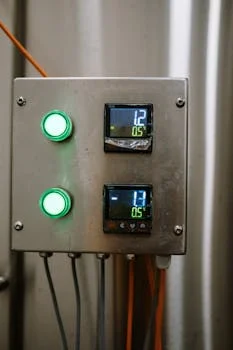
The total investment in a DAF system in Greece encompasses both the initial capital expenditure and ongoing operational costs, with a clear pathway to return on investment through compliance and efficiency gains. The capital cost for a DAF system typically ranges from €50,000 to €400,000, largely dependent on the flow capacity (4–300 m³/h) and the level of automation desired (manual versus advanced PLC-controlled systems). This range reflects the diverse needs of industrial facilities, from smaller agro-industrial operations to larger manufacturing plants. For a more detailed breakdown, refer to real 2025 DAF clarifier pricing by capacity and configuration.
Operational expenditure (OPEX) for a DAF system generally falls between €8,000 and €25,000 per year. This includes power consumption, which typically ranges from 5–15 kW depending on system size and load, and chemical costs. Polymers like polyacrylamide (PAM) are commonly used at a dosing rate of 1–5 mg/L, with costs around €8–12/kg. Labor costs, typically involving one technician per 2–3 shifts for monitoring and routine tasks, also contribute to OPEX. An integrated chemical dosing for optimal DAF performance can help manage these costs efficiently.
The payback period for a DAF system is often achieved within 2–4 years. This rapid return on investment is driven by several factors: significantly reduced discharge fees due to improved effluent quality, lower sludge hauling costs (DAF produces a more concentrated sludge, resulting in 30–50% less sludge volume compared to sedimentation), and potential savings from treated water reuse. Regular maintenance is crucial for maximizing system longevity and efficiency. This includes daily checks of air saturation and skimmer operation, weekly lubrication of moving parts, quarterly cleaning of nozzles to prevent clogging, and an annual comprehensive system inspection. For a complete DAF maintenance schedule for maximum uptime, consult detailed protocols.
| Category | Typical Range | Notes |
|---|---|---|
| Capital Cost (CAPEX) | €50,000 – €400,000 | Varies by capacity (4–300 m³/h) and automation level |
| Operational Cost (OPEX) | €8,000 – €25,000/year | Includes power, chemicals, and labor |
| Power Consumption | 5 – 15 kW | Dependent on system size and operational load |
| Chemical Costs (e.g., PAM) | €8 – €12/kg (dosing 1–5 mg/L) | Varies with effluent characteristics and treatment goals |
| Labor | 1 technician per 2–3 shifts | For monitoring and routine maintenance |
| Payback Period | 2 – 4 years | Via reduced discharge fees, lower sludge hauling, water reuse |
| Sludge Volume Reduction | 30 – 50% less vs. sedimentation | Contributes to lower hauling costs |
Frequently Asked Questions
How much does a DAF system cost in Greece?
Capital cost for a DAF system in Greece ranges from €50,000 to €400,000, primarily based on the system's capacity (4–300 m³/h) and its level of automation.
What is the difference between DAF and SAF?
DAF (Dissolved Air Flotation) uses dissolved air to create micron-sized bubbles for flotation, achieving 90%+ efficiency, particularly effective for oily waste. SAF (Shallow Air Flotation) relies on mechanical aeration, generating larger bubbles and offering lower efficiency (60–75% TSS removal).
What does a DAF system do?
A DAF system removes suspended solids, fats, oils, and greases (FOG), and a significant portion of Chemical Oxygen Demand (COD) from industrial wastewater using air flotation, producing clarified water and concentrated sludge.
How often should a DAF be drained and cleaned?
Sludge should be drained daily from the DAF system; nozzles require cleaning quarterly to prevent blockages, and a full system inspection should be conducted annually.
Related Equipment
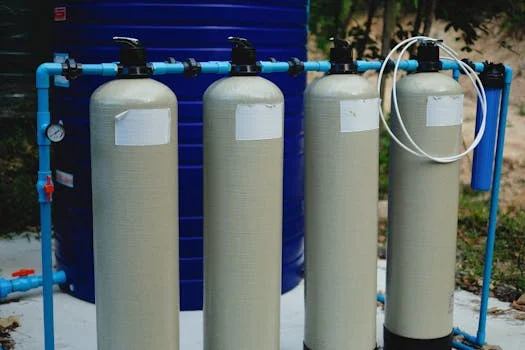
The following HydropureWater products are engineered for the wastewater challenges discussed above:
- high-efficiency DAF system for industrial wastewater — view specifications, capacity range, and technical data
- integrated chemical dosing for optimal DAF performance — view specifications, capacity range, and technical data
Need a customized solution? Request a free quote with your specific flow rate and pollutant parameters.