DAF Clarifier Cost Price: 2025 B2B Pricing, Capacity & ROI Guide
The 2025 DAF clarifier cost price ranges from $3,800 for 4–10 m³/h skid-mounted units to over $500,000 for fully automated 300 m³/h systems. Factory prices vary by capacity, materials (carbon vs. stainless steel), and included components like chemical dosing or PLC controls. For accurate budgeting, consider total installed cost, which can reach $600,000 for turnkey setups. This guide from HydropureWater provides B2B buyers and engineers with detailed pricing, technical specifications, and total cost of ownership analysis to justify budgets and select the optimal dissolved air flotation system for their capital projects.What Determines DAF Clarifier Cost Price in 2025?
Capacity is the primary driver of DAF clarifier cost price, with systems scaling non-linearly from compact 4 m³/h units starting around $3,800 to industrial 300 m³/h systems exceeding $500,000. Larger systems require more robust engineering, larger tanks, and higher-capacity components, leading to a significant increase in overall cost. For example, a system designed for 10 m³/h will be substantially less expensive than a 100 m³/h unit, not simply ten times the cost of a 10 m³/h system, reflecting economies of scale in manufacturing but also increased complexity. Material selection also heavily influences the final price. Carbon steel tanks, typically coated with epoxy for corrosion resistance, are the most economical option. However, for wastewater with corrosive properties or applications requiring higher hygiene standards, 304 or 316 stainless steel tanks are often specified. Using 304 stainless steel can increase the factory price by 25–30%, while 316 stainless steel, offering superior corrosion resistance, can push costs up by 35–40% compared to carbon steel, significantly improving durability and lifespan in aggressive industrial environments. The inclusion of various components and levels of automation further impacts the DAF clarifier cost price. A basic dissolved air flotation system might include only the flotation tank, air saturation system, and a basic control panel. Adding essential features such as chemical dosing pumps, a dedicated sludge conveyor, or a programmable logic controller (PLC) for automated operation can add $8,000 to $25,000 to the system price, depending on the sophistication and quantity of these components. Advanced scum skimming mechanisms and integrated pH correction systems also contribute to the final cost. Configuration plays a crucial role in the total installed cost. Skid-mounted DAF systems, which come pre-assembled on a steel frame, typically cost 15–20% less than containerized or custom civil-embedded systems. This reduction is due to minimized on-site engineering, reduced installation labor, and faster commissioning times. Containerized units offer portability and weather protection but incur additional costs for the ISO frame, insulation, and pre-wiring. Custom civil-embedded systems, while offering maximum flexibility in design and integration into existing infrastructure, involve substantial civil works, piping, and on-site assembly, significantly increasing the total installed cost, which can reach up to $600,000 for large, turnkey industrial wastewater treatment plant cost projects.DAF System Price by Capacity and Configuration
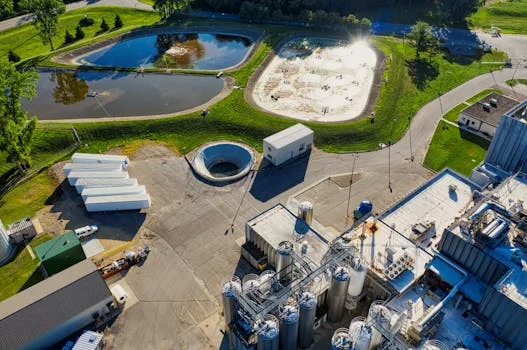
| Capacity (m³/h) | Typical Configuration/Features | Estimated Factory Price Range (USD) |
|---|---|---|
| 4–10 m³/h | Compact skid-mounted unit, manual control, basic scum skimming, carbon steel construction, single recycle pump. | $3,800 – $5,500 |
| 10–50 m³/h | Skid-mounted, includes chemical dosing pumps (coagulant/flocculant), auto-level control, 304 SS contact tank, more efficient air saturation. | $8,000 – $22,000 |
| 50–150 m³/h | Integrated PLC automation, dual recycle pumps for redundancy, robust sludge conveyor, choice of 304 SS or 316 SS options for flotation tank, advanced microbubble diffusers. | $25,000 – $85,000 |
| 150–300 m³/h | Fully integrated, multi-zone flotation, remote monitoring capabilities, custom civil integration design, premium 316 SS construction, high-efficiency dissolved air generation, multiple DAF equipment supplier China components. | $90,000 – $500,000+ |
Total Cost of Ownership: Beyond the Initial Price
While the initial DAF clarifier cost price is a critical factor, the total cost of ownership (TCO) provides a more accurate long-term financial assessment, encompassing operational expenses like energy, chemicals, and maintenance. Ignoring these ongoing costs can lead to significant budget overruns and misinformed investment decisions. Energy consumption is a major operational expense for any dissolved air flotation system. The primary energy users are the recycle pump and the air compressor. Depending on the recycle ratio and compressor efficiency, DAF systems typically consume between 0.3 and 0.6 kWh per cubic meter of treated wastewater (HydropureWater field data, DAF performance data). For a 50 m³/h system operating 16 hours a day, this translates to an annual energy cost of approximately $3,600 to $7,200 (at $0.10/kWh), making efficient pump and compressor selection crucial for minimizing ongoing expenses. Chemical costs are another significant component of TCO. DAF systems often require coagulants (such as PAC or FeCl₃) and flocculants (like PAM) to enhance particle aggregation and improve TSS removal efficiency. Chemical usage varies widely based on influent wastewater characteristics, particularly TSS and FOG concentrations. For industrial wastewater with 500–2,000 mg/L TSS, chemical costs can average $0.10–$0.25 per cubic meter of treated water. A 50 m³/h plant could incur $8,000–$20,000 annually in chemical expenses, highlighting the importance of optimizing chemical dosing. Maintenance costs for a DAF system typically include routine servicing of mechanical components. Annual service, encompassing checks on air compressors, replacement of pump seals, and inspection/replacement of skimmer blades, generally ranges from $2,000 to $5,000. Regular preventive maintenance can significantly extend the lifespan of DAF equipment and prevent costly breakdowns. Sludge handling and disposal represent a substantial portion of DAF system TCO. The DAF process generates a concentrated sludge cake, which requires further dewatering before disposal. Linking to a plate and frame filter press, for instance, can reduce sludge volume and associated disposal costs. The average cost for dewatering and disposing of DAF sludge can range from $15–$30 per ton, depending on local regulations and landfill fees. An efficient dewatering system, like a filter press, can significantly reduce this volume, offering long-term savings. Consider a 5-year ROI scenario: a $50,000 DAF system installed in an industrial facility. If this system effectively reduces wastewater discharge fees by $15,000 annually due to improved effluent quality and saves an additional $3,000 per year in sludge volume disposal costs, the total annual savings amount to $18,000. In this scenario, the initial DAF clarifier cost price would be paid back in less than three years, demonstrating a clear financial incentive beyond regulatory compliance.How to Compare DAF Clarifier Quotes from Suppliers
Frequently Asked Questions
What is the cost of a DAF clarifier for a 50 m³/h food processing plant? Expect to pay between $18,000–$28,000 for a skid-mounted DAF system for a 50 m³/h food processing plant, typically including chemical dosing, auto-level control, and PLC automation. How much does a turnkey DAF system installation cost? The total installed cost for a turnkey DAF system ranges from $25,000 for smaller industrial units to over $600,000 for large, fully integrated industrial wastewater treatment plant cost projects, encompassing equipment, civil works, piping, electrical, and commissioning. What’s the difference between a clarifier and a DAF system? Clarifiers primarily use gravity sedimentation to separate solids from liquid, relying on density differences. A DAF system, or dissolved air flotation system, utilizes microbubbles to attach to suspended solids and float them to the surface for removal, achieving faster separation and superior FOG (fats, oils, and grease) removal compared to traditional clarifiers. For a detailed comparison, see our article on DAF vs sedimentation and Swirltex flotation comparison. Are Chinese DAF clarifier manufacturers reliable? Yes, many Chinese DAF equipment supplier China manufacturers are reliable, but it is crucial to verify certifications (e.g., ISO 9001, CE), conduct factory audits, and request reference projects or client testimonials before placing an order to ensure quality and service. Can a DAF system reduce sludge volume? Yes, a DAF system can significantly reduce downstream sludge volume. By effectively removing a high percentage of suspended solids and FOG upfront, the volume of sludge requiring further dewatering and disposal can be reduced by 30–50%, leading to substantial savings in operational costs.Related Equipment
The following HydropureWater products are engineered for the wastewater challenges discussed above:
- DAF clarifier for 4–300 m³/h industrial wastewater — view specifications, capacity range, and technical data
Need a customized solution? Request a free quote with your specific flow rate and pollutant parameters.