Why Water Disinfection Equipment Fails: A Real-World Scenario
The stakes for effective industrial water disinfection are incredibly high. Imagine a leading dairy processor facing a costly product recall due to Listeria contamination in their bottled milk, directly traced back to inadequate process water disinfection. This scenario, not uncommon, highlights the critical need for robust and reliable water disinfection equipment. Failure modes are diverse: UV lamps can suffer from quartz sleeve fouling, drastically reducing their effective germicidal output. Chlorine dioxide (ClO₂) systems might experience residual decay in distribution lines if not properly monitored and dosed, leaving water vulnerable to bacterial regrowth. Ozone systems, while powerful, can be compromised by off-gassing or inefficient contact chamber design, leading to incomplete inactivation of pathogens.
These failures don't just result in regulatory non-compliance and financial penalties; they can halt production, damage brand reputation, and pose significant public health risks. The three primary technologies offering solutions to these challenges are ultraviolet (UV) light, chemical oxidants like chlorine dioxide (ClO₂), and ozone. Each operates on distinct scientific principles and requires a tailored approach to design and operation to ensure consistent, effective microbial inactivation.
How UV Disinfection Systems Work: Engineering Specs and Process Parameters
UV disinfection systems leverage specific wavelengths of ultraviolet light to inactivate microorganisms by damaging their DNA and RNA, thereby preventing replication. The most effective wavelength for germicidal purposes is 254 nm, emitted by low-pressure mercury vapor lamps. The efficacy of UV disinfection is quantified by the UV dose, measured in millijoules per square centimeter (mJ/cm²). For instance, the U.S. Environmental Protection Agency (EPA) recommends a UV dose of 12 mJ/cm² for 4-log inactivation of Cryptosporidium parvum, as stipulated in the Long Term 2 Enhanced Surface Water Treatment Rule (LT2ESWTR). Other common microorganisms require different doses: E. coli typically needs 5–10 mJ/cm², while adenovirus demands a higher dose of 120 mJ/cm².
System performance is heavily influenced by influent water quality and flow rate. Turbidity is a critical parameter; generally, influent turbidity should be below 1 NTU to ensure UV light can penetrate effectively. Flow rates for industrial UV systems can range widely, from 1 m³/h for smaller applications to over 5,000 m³/h for large municipal or industrial facilities. Lamp life is another key specification, typically ranging from 8,000 to 12,000 hours, after which their output diminishes significantly. Common failure points include the fouling of quartz sleeves by mineral deposits or biofilms, which obstruct UV transmission, and the degradation or malfunction of power supplies and sensors that monitor lamp performance and dose delivery.
| Parameter | Low-Pressure UV Lamps | Medium-Pressure UV Lamps | Typical Application | Notes |
|---|---|---|---|---|
| Wavelength | 254 nm (monochromatic) | Broad spectrum (200–400 nm) | General disinfection | Monochromatic is more efficient for DNA/RNA inactivation. |
| UV Dose Requirements (Examples) | E. coli: 5–10 mJ/cm² Cryptosporidium: 12 mJ/cm² Adenovirus: 120 mJ/cm² |
Similar, but often requires higher doses due to broader spectrum and lower intensity. | Regulatory compliance (e.g., EPA LT2ESWTR) | Dose depends on target microorganism and log reduction. |
| Influent Turbidity Limit | < 1 NTU | < 5 NTU (with pre-treatment) | Drinking water, high-purity industrial water | Higher turbidity reduces UV penetration and efficacy. |
| Flow Rate Range | 1–5,000 m³/h | 50–20,000 m³/h | Industrial, municipal, wastewater | Scalable with multiple lamp banks. |
| Lamp Life | 8,000–12,000 hours | 6,000–10,000 hours | Continuous operation | Requires scheduled replacement for optimal performance. |
| Capital Cost (Approx.) | $50–$200/m³ | $75–$250/m³ | System sizing | Excludes installation and ancillaries. |
| Operating Cost (Approx.) | $0.02–$0.05/m³ | $0.05–$0.10/m³ | Energy, lamp replacement | Lower for low-pressure due to higher efficiency. |
Chlorine Dioxide Generators: Chemical Reactions, Residual Levels, and Compliance
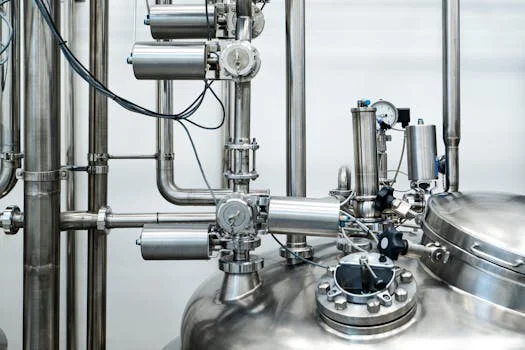
Chlorine dioxide (ClO₂) is a potent oxidizing agent that inactivates pathogens through disruption of cellular metabolic functions and oxidation of key enzymes. Unlike chlorine, ClO₂ does not readily react with organic matter to form harmful disinfection byproducts (DBPs) like trihalomethanes (THMs) or haloacetic acids (HAAs). On-site generation is crucial, as ClO₂ gas is unstable and explosive at concentrations above 10%. Common generation methods include the reaction of sodium chlorite with an acid (e.g., sulfuric acid: 2NaClO₂ + H₂SO₄ → 2ClO₂ + Na₂SO₄ + H₂O) or through electrolytic processes. For example, the Chlorine Dioxide Generator for industrial and municipal water treatment utilizes precise chemical dosing and controlled reaction conditions to produce high-purity ClO₂.
Achieving effective disinfection requires maintaining specific residual levels. For drinking water, regulatory bodies like the EPA (40 CFR Part 141) typically mandate residuals between 0.1–0.5 mg/L to ensure microbial control throughout the distribution system. In industrial applications, such as cooling towers or hospital effluent treatment, higher residuals might be employed, ranging from 0.2–1.0 mg/L, depending on the organic load and microbial challenge. ClO₂ is effective across a broad pH range (4–10) and offers a longer-lasting residual compared to chlorine, making it advantageous for maintaining disinfection in complex water systems. Regulatory compliance is paramount; for instance, the EU's Drinking Water Directive 98/83/EC sets a maximum residual limit of 0.2 mg/L for ClO₂.
| Application | Typical ClO₂ Residual (mg/L) | Regulatory Limit (Examples) | Key Advantages | Considerations |
|---|---|---|---|---|
| Drinking Water (Distribution) | 0.1 – 0.5 | EPA 40 CFR Part 141: 0.2–0.5 (as ClO₂ + chlorite) | No THM/HAA formation, effective at broad pH, long residual. | On-site generation required, potential for chlorite residuals. |
| Hospital Wastewater | 0.5 – 1.0 | Varies by local regulation | Effective against resistant pathogens, broad-spectrum efficacy. | Requires careful monitoring to avoid exceeding discharge limits. |
| Cooling Towers | 0.2 – 0.8 | Internal plant standards | Biofilm control, Legionella prevention. | Corrosion potential at higher concentrations. |
| Pulp & Paper Industry | 0.1 – 0.5 | Internal plant standards | Slime control, reduction in AOX formation. | Material compatibility. |
| Food & Beverage Processing | 0.05 – 0.2 | FDA regulations (if applicable) | Sanitization of process water, equipment. | Rinsing requirements may apply. |
Ozone Disinfection: Contact Time, Byproducts, and System Design
Ozone (O₃) is one of the most powerful oxidizing agents available for water treatment, achieving rapid and broad-spectrum microbial inactivation. It is generated on-site, typically through corona discharge, where a high-voltage electric field splits oxygen molecules (O₂) into individual oxygen atoms, which then combine with other O₂ molecules to form O₃. Corona discharge generators offer high efficiencies, often between 85–95%. Alternatively, UV lamps emitting at 185 nm can also produce ozone, though less efficiently. The effectiveness of ozone disinfection is dictated by the ozone dose (mg/L) and the contact time (minutes) the water spends with the ozone, often referred to as CT value. For example, the World Health Organization (WHO) suggests a CT value of 0.4 mg/L for 4 minutes for disinfection of drinking water, while EPA guidelines may recommend higher values for specific contaminants or treatment goals. The Medical Wastewater Treatment System with ozone disinfection is engineered to achieve precise ozone dosing and contact times for high-risk wastewater.
While highly effective, ozone can form undesirable byproducts. Bromate (BrO₃⁻) is a particular concern if bromide is present in the source water, and it is strictly regulated in drinking water, with EPA limits at 10 µg/L. Other byproducts can include aldehydes and carboxylic acids. A complete ozone disinfection system includes the ozone generator, a contact chamber designed for efficient mass transfer of ozone into the water, and a destruct unit to remove any residual ozone gas before discharge or further treatment, typically employing thermal or catalytic methods. Ozone is widely used in demanding applications such as hospital wastewater treatment for its ability to achieve 99% pathogen kill rates, in bottled water production where it leaves no residual taste, and for semiconductor rinse water purification.
Water Disinfection Equipment Comparison: UV vs. ClO₂ vs. Ozone
Selecting the optimal disinfection technology requires a thorough understanding of each method's strengths, weaknesses, and operational parameters. While all three technologies can achieve high levels of microbial inactivation, their suitability varies significantly based on application specifics.
| Feature | UV Disinfection | Chlorine Dioxide (ClO₂) | Ozone (O₃) |
|---|---|---|---|
| Primary Mechanism | DNA/RNA disruption | Oxidation of cellular components | Oxidation of cellular components |
| Log Reduction Capability | 4-log (99.99%) achievable | 4-log (99.99%) achievable | 4-log (99.99%) achievable |
| Influent Turbidity Limit | < 1 NTU | < 5 NTU | < 5 NTU |
| Residual Disinfectant | No residual | Yes (0.1–1.0 mg/L typical) | No residual (short-lived O₃, requires monitoring) |
| Disinfection Byproducts (DBPs) | Minimal (e.g., bromate if bromide present in source) | Minimal (no THMs/HAAs) | Bromate, aldehydes, carboxylic acids |
| pH Effectiveness | Unaffected by pH | Effective across broad pH (4–10) | Effectiveness can vary with pH (optimal typically 6-8) |
| Flow Rate Range (Typical Industrial) | 1–5,000 m³/h | 1–20,000 g/h (generation capacity) | 1–10,000 m³/h |
| Capital Cost (Approx.) | $50–$200/m³ | $30–$150/m³ | $100–$300/m³ |
| Operating Cost (Approx.) | $0.02–$0.05/m³ | $0.05–$0.15/m³ | $0.10–$0.30/m³ |
| Typical Use Cases | Low-turbidity drinking water, process water, wastewater polishing. | Municipal distribution, industrial process water, cooling towers. | High-purity water, hospital wastewater, food & beverage, aquaculture. |
| Regulatory Compliance | EPA LT2ESWTR, NSF/ANSI 55 | EPA 40 CFR Part 141, EU Directive 98/83/EC | WHO Guidelines, EU Directive 98/83/EC |
UV is ideal for applications with low turbidity and where a residual is not required. Chlorine dioxide offers a stable residual and excellent efficacy against a broad range of contaminants without forming regulated DBPs, making it suitable for large distribution systems. Ozone provides the highest oxidative power and rapid disinfection, making it excellent for challenging wastewater streams and high-purity applications, though it requires more complex system design and byproduct management.
How to Select the Right Disinfection Equipment: A Zero-Risk Decision Framework
Choosing the correct water disinfection technology is a critical decision that impacts compliance, operational efficiency, and long-term costs. This framework guides engineers and procurement officers through a systematic evaluation process, minimizing the risk of selecting an inappropriate system.
- Analyze Influent Water Quality: Begin by thoroughly characterizing your source water. Key parameters include turbidity (NTU), pH, temperature, dissolved organic carbon (DOC), presence of specific contaminants (e.g., bromide for ozone, iron, manganese), and the types and concentrations of target pathogens (bacteria, viruses, protozoa). For example, if influent turbidity consistently exceeds 5 NTU, UV disinfection may require significant pre-treatment or be unsuitable without it.
- Determine Flow Rate and Demand: Accurately assess the peak flow rate required for your process and any diurnal or seasonal variations. Consider future expansion needs. A system must be sized to handle the maximum demand while maintaining effective disinfection parameters (e.g., UV dose, ClO₂ contact time). For instance, a flow rate of 100 m³/h with a 20% surge capacity requires a system designed for at least 120 m³/h.
- Identify Regulatory and Internal Standards: Clearly define all applicable regulatory discharge limits, drinking water standards, or internal product quality specifications. This includes permissible residual levels, maximum DBP concentrations, and required log reduction values for specific microorganisms. For hospital effluent, meeting stringent microbial limits like <100 CFU/mL for E. coli is paramount.
- Compare Capital Expenditure (CapEx) and Operational Expenditure (OpEx): Evaluate the upfront investment for equipment purchase and installation against the ongoing costs of energy, chemicals, maintenance, and consumables (e.g., UV lamps, chlorine dioxide precursors). UV systems generally have lower OpEx but can have higher CapEx than some ClO₂ systems. Ozone systems typically have the highest CapEx and OpEx due to generator complexity and energy consumption.
- Assess Footprint, Automation, and Safety: Consider the available space for equipment installation. Skid-mounted systems, like many Chlorine Dioxide Generator for industrial and municipal water treatment units, are advantageous for space-constrained facilities. Evaluate the level of automation required for monitoring, control, and reporting. Safety protocols for handling chemicals (e.g., sodium chlorite) or managing hazardous gases (e.g., ozone, ClO₂) must be integrated into the decision.
Decision Tree Example:
- If influent turbidity > 5 NTU: UV disinfection is likely unsuitable without significant pre-treatment (e.g., filtration). Consider ClO₂ or Ozone.
- If DBPs (THMs/HAAs) are a major concern: Rule out chlorine-based disinfectants. Focus on UV, ClO₂, or Ozone.
- If a stable residual is required in the distribution system: ClO₂ is the primary candidate.
- If highest oxidative power is needed for complex wastewater: Ozone is often the preferred choice.
- If minimal operator intervention and chemical handling are desired: UV systems offer a simpler operational profile.
Case Study: Hospital Wastewater Disinfection in Guadalajara (2025 Engineering Specs)

A major hospital in Guadalajara, Mexico, faced significant challenges in treating its effluent. The wastewater consistently showed high levels of E. coli, exceeding 10⁵ CFU/mL, failing to meet the stringent discharge limits stipulated by NOM-001-SEMARNAT-2021. This non-compliance posed environmental risks and potential regulatory penalties. The existing disinfection system was proving inadequate.
HydropureWater proposed and installed a Medical Wastewater Treatment System, employing ozone disinfection. The system was engineered to deliver an ozone dose of 0.5 mg/L for a contact time of 6 minutes, ensuring a high CT value for effective microbial inactivation. Post-treatment, effluent samples consistently demonstrated a pathogen reduction of 99.99%, bringing E. coli counts below the <100 CFU/mL threshold required by local regulations. byproduct analysis showed bromate levels well below the regulated 5 µg/L limit.
The implemented ozone disinfection solution not only ensured full compliance with Mexican environmental standards but also met the principles outlined in EPA and EU Urban Wastewater Directive 91/271/EEC for wastewater treatment efficacy. Operationally, the system achieved approximately 30% lower operating costs compared to the previously used chemical disinfection methods, demonstrating a compelling return on investment through both compliance assurance and economic efficiency. This case study on hospital wastewater disinfection in Guadalajara exemplifies how advanced disinfection technologies can solve complex industrial wastewater challenges.
Frequently Asked Questions
What is the most effective disinfection method for low turbidity water?
For low turbidity water (below 1 NTU), UV disinfection is highly effective and often the most cost-efficient method, as it directly inactivates pathogens without adding chemicals or generating significant byproducts.
Can chlorine dioxide be used in drinking water systems?
Yes, chlorine dioxide is widely used in drinking water systems for its efficacy and lack of harmful disinfection byproducts like THMs. On-site generation is essential, and residual levels are maintained between 0.1–0.5 mg/L for ongoing protection.
What are the main drawbacks of ozone disinfection?
The primary drawbacks of ozone disinfection include its high energy consumption for generation, the potential formation of regulated byproducts like bromate (if bromide is present in source water), and the need for a robust off-gas destruction system. It also requires careful monitoring to ensure adequate contact time and dose.
How does turbidity affect UV disinfection?
Turbidity significantly reduces the effectiveness of UV disinfection. Suspended particles can shield microorganisms from UV light, and organic matter can absorb UV radiation, requiring higher doses or effective pre-filtration to achieve desired log reduction.
What is a typical log reduction target for industrial wastewater disinfection?
For industrial wastewater, a common target is a 4-log (99.99%) reduction in key indicator organisms like E. coli to meet environmental discharge standards or internal process requirements. Higher log reductions may be needed for specific applications like medical wastewater or for sensitive receiving waters.
Are there any disinfection methods that produce no byproducts?
UV disinfection is considered a non-chemical method that produces no disinfection byproducts. However, it does not provide a residual disinfectant in the water. Ozone and chlorine dioxide produce fewer regulated byproducts compared to chlorine, but they can still form some byproducts under certain conditions.