What Is a High Efficiency Sedimentation Tank?
High efficiency sedimentation tanks, often referred to as lamella clarifiers, are advanced primary treatment units designed to significantly enhance solid-liquid separation within a compact footprint. They achieve this by utilizing a series of inclined plates or lamellae, which dramatically increase the effective settling area available for suspended solids. This design allows for much higher surface loading rates, typically ranging from 20–40 m/h, which is up to 10 times faster than traditional gravity clarifiers. These systems often incorporate sludge recirculation and dedicated flocculation zones. Sludge recirculation aids in promoting better particle aggregation and denser sludge formation, which can reduce chemical coagulant demand by as much as 30%. The process flow typically begins with influent distribution into a flocculation zone where chemicals are added to encourage particle clumping. The flocculated water then flows through the inclined plates, allowing solids to settle out and collect in a sludge hopper, while clarified effluent is drawn off. This combination of increased surface area, optimized flocculation, and efficient sludge management makes high efficiency sedimentation tanks ideal for industrial plants facing space constraints or requiring reliable TSS removal.
How Traditional Sedimentation Tanks Work
Traditional sedimentation tanks, also known as primary clarifiers, rely on a straightforward gravity-driven process to remove suspended solids. Their design prioritizes a large surface area and sufficient depth to allow particles denser than water to settle out over an extended period. This typically requires a long hydraulic retention time (HRT), often between 2 to 4 hours, to achieve effective settling. Consequently, traditional tanks demand a substantial physical footprint. Their performance is directly linked to the settling velocity of the suspended solids, and they are particularly susceptible to operational challenges. Factors such as short-circuiting, where wastewater bypasses parts of the tank, or fluctuations in influent flow rate and solids concentration can significantly degrade their removal efficiency. Sludge removal in these tanks is usually managed by mechanical scrapers or suction headers that traverse the tank floor to collect settled solids, a process that can be labor-intensive and impact overall operational efficiency.
Dissolved Air Flotation (DAF): The Buoyancy-Based Alternative
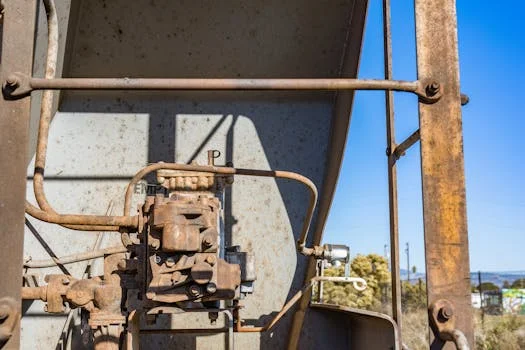
Dissolved Air Flotation (DAF) systems offer a distinct approach to primary wastewater treatment, leveraging buoyancy rather than gravity for solid-liquid separation. In a DAF system, compressed air is dissolved into a portion of the treated water, which is then released under pressure into the main wastewater stream. This creates a multitude of micro-bubbles that attach to suspended solids and FOG particles. These bubble-particle aggregates become less dense than water and float to the surface, where they are skimmed off by a mechanical scraper. DAF systems are known for their rapid treatment times, with HRTs often as low as 20–30 minutes, making them significantly faster than traditional sedimentation. They are highly effective in removing FOG and light, buoyant solids, achieving 90–95% TSS removal and over 95% FOG removal, making them particularly well-suited for industries like food processing and petrochemicals. However, DAF systems generally have higher energy demands due to the air compression required and often necessitate the use of chemical coagulants to enhance particle aggregation before flotation. For applications requiring robust FOG and light solids removal, an industrial DAF system for FOG and TSS removal can be a highly effective solution.
Clarifier Tanks: Mechanized Sedimentation with Sludge Control
Clarifier tanks represent an evolution from basic sedimentation tanks, incorporating mechanical components to improve sludge management and operational control. While still fundamentally relying on gravity for settling, these units employ rotating scrapers or rakes that continuously move settled solids towards a central sludge collection well. This mechanism helps to prevent sludge blanket buildup and resuspension, leading to more consistent effluent quality. The effectiveness of clarifiers is often monitored using parameters like the Sludge Volume Index (SVI), which provides insights into the settling characteristics of the sludge. Typical surface loading rates for mechanical clarifiers range from 1.5 to 3 m/h. While this is an improvement over basic gravity settlers, it remains significantly lower than the rates achievable with high-efficiency lamella systems. The presence of moving mechanical parts, however, introduces greater maintenance requirements and potential for wear and tear compared to static systems.
Performance Comparison: Key Metrics Side by Side
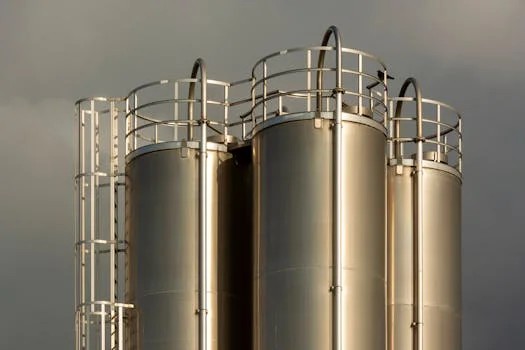
Different primary treatment technologies offer distinct advantages depending on operational priorities. The table below provides a side-by-side comparison of high efficiency sedimentation tanks (lamella clarifiers), Dissolved Air Flotation (DAF) systems, traditional sedimentation tanks, and mechanical clarifiers across key operational and performance metrics. HydropureWater’s high-efficiency lamella clarifier, for instance, achieves surface loading rates of 20–40 m/h and can reduce chemical consumption by up to 30% through sludge recirculation and optimized flocculation. DAF systems excel in rapid treatment (HRT < 30 min) and high removal rates for TSS (90–95%) and FOG (>95%), though they demand higher energy input for air compression. Traditional clarifiers, while offering robust TSS removal (80–90%), require extensive HRTs (2–4 hours) and large footprints. Mechanical clarifiers offer a middle ground with improved sludge handling and moderate loading rates (1.5–3 m/h), but with increased maintenance complexity. For a detailed look at advanced lamella technology, explore HydropureWater’s high-efficiency lamella clarifier, and for applications focused on FOG and buoyant solids, consider the industrial DAF system for FOG and TSS removal.
| Metric | High Efficiency Sedimentation Tank (Lamella) | Dissolved Air Flotation (DAF) System | Traditional Sedimentation Tank | Mechanical Clarifier |
|---|---|---|---|---|
| Hydraulic Retention Time (HRT) | 15-30 minutes | 20-30 minutes | 2-4 hours | 30-60 minutes |
| Surface Loading Rate (m/h) | 20-40 | N/A (Bubble dependent) | 1-2 | 1.5-3 |
| TSS Removal Efficiency (%) | 85-95% | 90-95% | 80-90% | 85-92% |
| FOG Removal Efficiency (%) | Moderate | >95% | Moderate | Moderate |
| Footprint Efficiency | Very High (60-80% smaller) | High | Low | Medium |
| Energy Use | Low (Pumps only) | High (Air compression) | Low | Medium (Motors for scrapers) |
| Chemical Consumption | Low (up to 30% less with recirculation) | Medium to High (Coagulants) | Low to Medium | Low to Medium |
| Maintenance Complexity | Low (Periodic cleaning) | Medium (Skimmer, air system) | Low (Sludge removal) | High (Moving parts) |
When to Choose High Efficiency Sedimentation Over Alternatives
The optimal choice for primary wastewater treatment depends on specific industrial needs and site constraints. High efficiency sedimentation tanks, or lamella clarifiers, are the preferred solution when space is a critical limitation and the primary goal is reliable removal of suspended solids. They are well-suited for general industrial pre-treatment and municipal wastewater applications where land availability is restricted. If your wastewater stream is characterized by significant quantities of fats, oils, greases (FOG), or very light colloidal matter, a Dissolved Air Flotation (DAF) system becomes a more compelling option, commonly found in food processing, dairy, and petrochemical plants. Traditional gravity sedimentation tanks may still be appropriate for facilities with stable flow conditions, low shock load potential, and ample available land, offering a simpler, lower-energy solution. Mechanical clarifiers are often chosen for larger-scale operations where existing infrastructure supports their maintenance requirements and skilled operators are available, providing a balance between settling performance and sludge management.
Frequently Asked Questions
What is the surface loading rate of a high efficiency sedimentation tank?
The surface loading rate for a high efficiency sedimentation tank, or lamella clarifier, typically ranges from 20–40 m/h, a figure that can vary based on the specific design and the characteristics of the influent wastewater.
How does a lamella clarifier reduce chemical use?
Lamella clarifiers reduce chemical use by recirculating settled sludge back into the influent stream. This concentrated sludge enhances the flocculation process, promoting better aggregation of smaller particles into larger, more settleable flocs, thereby reducing the demand for external coagulants by up to 30%.
Can DAF replace sedimentation completely?
Not always. While DAF excels at removing FOG and light solids, it can be less cost-effective for treating wastewater with very high concentrations of dense suspended solids. Often, hybrid systems combining DAF with sedimentation or other technologies are employed to achieve comprehensive treatment goals.
What maintenance does a lamella clarifier require?
Maintenance for a lamella clarifier is generally low. It primarily involves periodic cleaning of the inclined plates to prevent fouling and regular checks of the sludge collection and withdrawal systems. For detailed procedures, refer to a 7-step inclined plate settler maintenance protocol.
Is high efficiency sedimentation suitable for variable flow?
Yes, many high efficiency sedimentation systems can effectively handle variable flow rates. Often, these systems are integrated with flow equalization tanks and adaptive chemical dosing systems to maintain optimal performance even under fluctuating influent conditions.