Why DAF Unit Maintenance Cuts Downtime and Permit Risk
DAF unit maintenance keeps micro-bubble generation stable so suspended-solids removal stays near the design target of 95%+ instead of falling below 70% when saturators foul. Unmaintained units commonly show a 40–60% rise in sludge carryover, with emergency labor and lost production often costing $2,000–$5,000 per incident. A single effluent violation can exceed $10,000 in fines before reputational damage is counted.
Fouled saturators and release valves dissolve less air and release larger bubbles that fail to lift flocs. Recycle pumps and motors then run harder on poorly conditioned water and wear out earlier than a logged preventive schedule would allow. Most plants we size for industrial FOG duty run saturator pressure at the lower end of 3.5–4.5 bar when inlet temperature is warm and solids load is moderate.
A short daily log of flow, dose, float thickness, and saturator pressure surfaces recurring patterns before they become shutdowns.
Daily Checks That Hold Removal Efficiency
Daily checks keep effluent quality steady and catch early failure signs before a full stop. Verify inlet flow against design capacity; a standard Dissolved Air Flotation (DAF) System covers about 4–300 m³/h. Confirm coagulant and flocculant dosing pumps hold the jar-test stroke rate and that chemical tanks are not empty. Measure float blanket thickness and keep it under 15 cm; thicker blankets often mean hydraulic overload or under-dosing. Hold air saturator pressure at 3.5–4.5 bar, the band that supports fine micro-bubbles on most industrial units.
Watch float color and texture. A thin, dark brown blanket usually means good conditioning. A thick, gray, watery blanket often points to wrong polymer type or dose. Listen for cavitation on the recycle pump; that noise often precedes a clogged inlet strainer or a sticking air control valve.
| Task | Parameter | Target Range |
|---|---|---|
| Inlet Flow Rate | Flow Meter Reading | Per Design Spec (e.g., 4-300 m³/h) |
| Chemical Dosing | Pump Stroke Rate & Tank Level | As Set by Jar Testing |
| Float Layer Thickness | Visual Inspection | < 15 cm |
| Air Saturator Pressure | Pressure Gauge | 3.5 - 4.5 bar |
Weekly and Monthly Preventive Maintenance Schedule

Weekly and monthly DAF tasks stop solids buildup and mechanical wear before failure. Open the tank drain valve twice per week for 20 seconds to purge settled solids and limit septic conditions. Clean surface skimmer arms and nozzles weekly so biofilm does not block float removal. Wash effluent weirs once per month with a non-abrasive brush and low-pressure water so algae and scum do not create short-circuiting. Inspect drive chains and motor bearings monthly and lubricate to OEM specs.
Replace worn rubber skimmer blades early. A soft blade costs little and keeps the drive from overloading. Rotating who owns each weekly task also keeps coverage intact across shift changes.
| Frequency | Task | Duration / Specification |
|---|---|---|
| Weekly (2x) | Open Tank Drain | 20 seconds |
| Weekly | Clean Skimmer Arms/Nozzles | Visual inspection, brush clean |
| Monthly | Wash Effluent Weirs | Remove biofilm, ensure level |
| Monthly | Lubricate Drive Chains/Bearings | Per OEM lubricant specs |
Quarterly and Annual Deep Maintenance Procedures
Quarterly and annual DAF procedures restore air dissolution and confirm structural integrity. Every three months, shut down and clean the saturator vessel and air release valves so scaling does not cut air dissolution below the 98% target used after a thorough clean. Recalibrate the PLC-controlled chemical dosing system for coagulants and flocculants every six months; controller drift of a few percent is common and dosing accuracy should stay within ±2% of set flow. Annually inspect the full tank for corrosion, weld defects, epoxy lining chips, and, on buried units, concrete degradation. Photograph lining condition each year so recoating can be budgeted before steel is exposed.
Use the annual outage to check float sludge consistency and reset the recycle ratio, typically 20–30% of inflow for industrial FOG and solids duty. According to Water Corporation design guideline DS211 (2022), clarification-duty DAF often runs recycle at 6–20% of raw flow with saturator gauge pressure usually 350–500 kPa (about 3.5–5 bar); thickening duty uses much higher recycle. Keep the plant’s 20–30% setpoint when FOG and fine solids demand more white water, and document any change against annual average loading. Thermal imaging of motor bearings during the outage can reveal hot spots before audible noise appears.
| Frequency | Procedure | Performance Validation |
|---|---|---|
| Quarterly | Clean Saturator & Release Valves | Air dissolution >98% |
| Semi-Annual | Recalibrate Dosing Controllers | Flow rate accuracy ±2% |
| Annually | Full Tank Structural Inspection | No visible corrosion/degradation |
| Annually | Verify Sludge Consistency & Recycle Ratio | Adjust ratio to 20-30% of inflow |
Why Does DAF Effluent Look Milky Yellow?
DAF effluent often looks milky yellow when the white-water cloud of 10–100 µm micro-bubbles is still present in the clarified stream, especially right after pressure release. That cloudy look can be normal in the contact zone and near the recycle injection points. When that yellow water turns transparent while turbidity or FOG rises, air delivery has usually dropped. Common causes are saturator pressure below 3.5 bar, fouled packing, blocked release nozzles, or recycle flow too low for the solids load.
Sudden swings between milky and clear yellow also track chemical swings. Over-dosing polymer can create sticky, watery float and leave residual color; under-dosing leaves pin-flocs that neither float nor settle. Check pH, jar-test dose, and saturator gauge together before changing only one setpoint. Temperature drops raise air solubility and can make the cloud look denser at the same pressure, so log water temperature with each visual note.
How Much Does a DAF Unit Cost?
DAF unit capital cost is driven by design flow (m³/h or US gpm), tank materials, recycle-pump and saturator duty, and how much chemical and sludge equipment is in the package. A unit near 250 gpm (about 57 m³/h) sits inside the common 4–300 m³/h industrial range. Stainless versus coated carbon steel, outdoor weatherproofing, and PLC dosing scope often move the quote more than nameplate flow alone. Operating cost is dominated by recycle pumping energy, coagulant and polymer use, and float disposal.
Unplanned downtime still dominates lifecycle spend when maintenance is skipped: emergency call-outs of $2,000–$5,000 per incident and permit fines above $10,000 erase the savings from deferred skimmer or saturator work. Budget annual lining inspection and semi-annual dosing calibration as fixed line items, not optional extras. For a capacity- and materials-matched budget, send influent data and target effluent limits with a quote request rather than relying on a generic list price.
Integrating Chemical and Sludge Systems into DAF Maintenance
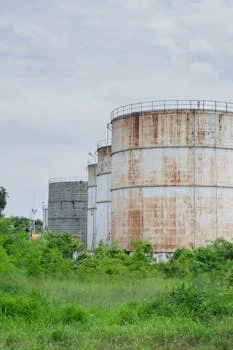
The DAF tank is only one stage in the train, so maintenance must align with chemical dosing and sludge handling. Wrong pH or inaccurate PAC dosing collapses floc strength and flotation efficiency even when saturator pressure is correct. After a major DAF cleanout, inspect the sludge conveyor and thickener promptly; the surge of scraped float can overload downstream industrial sludge press maintenance to handle DAF-generated sludge. Start the same calendar upstream at preventative maintenance for pretreatment screening before DAF, because screen bypass raises FOG and fiber load that the saturator and skimmers were never sized to absorb.
When a seasonal jar test changes coagulant type or dose, inspect injection nozzles and mixer blades the same week. Watery float is often a signal from equalization or screening, not only from the flotation cell. Align chemical deliveries with mechanical checks so neither subsystem is ignored during a short outage window.
Who This Is For and Next Step
Plant engineers and EPC teams running industrial or municipal DAF for FOG and suspended solids need a daily-to-annual checklist tied to measurable setpoints.Selection checklist before you lock a maintenance plan:
- Confirm design flow band and actual inlet m³/h against the nameplate.
- Hold saturator pressure in the 3.5–4.5 bar operating band and trend it daily.
- Keep float blanket under 15 cm and log color or texture shifts.
- Recalibrate dosing pumps every six months to ±2% flow accuracy.
- Set recycle at 20–30% of inflow for industrial FOG duty, then adjust after annual loading review.
- Schedule saturator cleaning quarterly and full tank lining inspection annually.
- Link skimmer, sludge press, and screen tasks on one shared calendar.
If you need a duty-matched DAF package or a maintenance walk-through against your influent data, request a technical quote with your flow and FOG load.
Frequently Asked Questions
How often should you clean a DAF tank drain?
Open the drain valve twice per week for about 20 seconds to limit solids accumulation on the tank floor. Plants with higher solids or fibrous waste may need three openings per week so compacted sludge does not block the valve. Always follow confined-space and lockout rules before entering the tank for any manual clean.
What causes poor float formation in a DAF unit?
Poor float usually traces to saturator pressure below 3.5 bar, a fouled saturator or release valves, or incorrect coagulant and polymer dosing. A sharp drop in water temperature changes air solubility and bubble behavior, while a large pH swing weakens coagulation. Check gauge pressure, white-water appearance, and a fresh jar test before rebuilding mechanical parts.
Can DAF systems handle high oil and grease loads?
Yes. Properly maintained industrial units are designed to remove more than 90% FOG from influent concentrations of 50–500 mg/L when chemistry and air delivery stay in range. High FOG still fouls skimmers and weirs faster, so weekly blade and nozzle cleaning becomes non-negotiable. Pair FOG duty with reliable upstream screening to protect the recycle nozzles.
What is the ideal recycle ratio for a DAF system?
Industrial FOG and solids duty commonly uses a recycle ratio of 20–30% of forward flow, adjusted for seasonal loading. Clarification-duty designs in Water Corporation DS211 (2022) more often use 6–20% recycle at usual saturator pressures of 350–500 kPa. Higher recycle adds air for fine particles but raises pumping energy, so raise it only when float strength or effluent solids prove the need.
Is it necessary to calibrate the air pressure sensor regularly?
Yes. Calibrate the saturator pressure sensor at least annually so the 3.5–4.5 bar target remains real, not a drifted gauge reading. False-high readings hide low true pressure and let bubble size grow until flotation efficiency falls. Pair sensor calibration with the annual tank inspection and a recorded white-water check at rated recycle flow.
Further Reading
Explore these in-depth articles on related wastewater treatment topics: