Industrial wastewater treatment in Phnom Penh is shaped by one hard fact: roughly 3,000 factories discharge effluent into Boeung Choeung Ek and surrounding waterways, and the Cambodian Ministry of Environment (MoE) requires factory-level pre-treatment before any municipal or natural discharge. Proven solutions—DAF, MBR, and chemical dosing—handle 4–300 m³/h modular units and routinely achieve 90–98% TSS and COD removal.
Why Industrial Wastewater Treatment Matters in Phnom Penh
Industrial wastewater treatment in Phnom Penh is mandatory under MoE rules. Factories must pre-treat effluent before discharge, with real-time logging of key parameters. Under Sub-Decree No.27 on Water Pollution Control, Category 2 open-water discharge limits are BOD5 <60 mg/L and TSS <100 mg/L; Category 1 closed water is tighter at BOD5 <30 mg/L and TSS <50 mg/L. Earlier project briefs often cited BOD <50 mg/L as a working target; those figures sit between the two official categories and are not the legal ceiling. Boeung Choeung Ek receives about 80% of the city's sewage plus untreated industrial effluent from approximately 3,000 enterprises, as documented in UNIDO's wastewater management briefing on Cambodia. The first public sewage plant was inaugurated in late 2023, so factory-level treatment remains the practical path to compliance. Penalties for non-compliance include substantial fines, operational shutdowns, and reputational damage that affects export contracts.
Relying on future municipal infrastructure is no longer a viable strategy. Phnom Penh factories in textiles, food processing, beverage bottling, and metalworking each generate distinct pollutant profiles—dyes and suspended solids, FOG, or cutting fluids and heavy metals. Plants that move first on pre-treatment avoid the compliance backlog that hits when inspectors arrive.
Key Challenges for Factories in Phnom Penh
Variable influent is the first problem. Mixed industrial zones run textile dyeing next to food processing next to metalworking, so a single drainage line can carry dyes, organic waste, and heavy metals in the same shift. Treatment trains must absorb those swings without losing removal efficiency—plate settler or fixed-design biological systems rarely survive this for a full quarter.
Space is the second constraint. Most plants sit on tight urban lots where a conventional activated sludge basin simply will not fit. Compact, buried, or vertical-stack configurations—integrated package plants or vertical DAF units—solve this and cut civil-works cost. HydropureWater's WSZ underground series is built for this case: zero surface footprint, 1–80 m³/h capacity, fully automated.
The third issue is operator skill. Trained wastewater technicians are scarce in Cambodia, so manual chemical dosing and sludge handling introduce inconsistency and safety risk. A PLC plus SCADA package that automates dosing, backwash, and sludge discharge cuts labor cost by up to 70% and stabilizes effluent quality across shifts. Most plants we size for Phnom Penh run with one supervisor overseeing three to five automated skids.
Proven Wastewater Treatment Technologies for Cambodian Factories
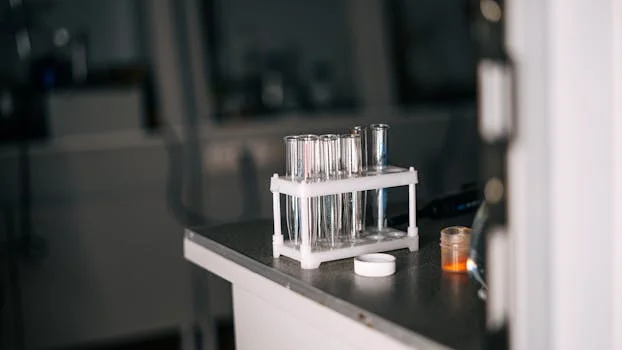
Dissolved Air Flotation (DAF) consistently removes 90–95% of FOG, oil and grease, and suspended solids at hydraulic loading rates of 4–25 m³/h per unit, making it the workhorse primary stage for food, beverage, and textile plants in Phnom Penh. The DAF dissolves air under pressure, then releases it at atmospheric pressure inside a flotation tank. Microscopic bubbles attach to suspended particles and float them to the surface for mechanical skimming. For palm oil mills, abattoirs, and garment factories, where conventional sedimentation fails on FOG, this stage alone can cut TSS by 90–95% and COD by 40–70% before biological polishing.
Membrane Bioreactor (MBR) systems deliver the highest effluent quality: particles below 1 µm and over 95% COD removal (typically >98% on a well-designed train), which makes them the right choice for water reuse or discharge into sensitive water bodies. MBR combines activated-sludge biology with submerged membrane filtration, so secondary clarifiers drop out of the layout. HydropureWater's DF-series MBR is rated for 10–500 m³/h and tolerates the variable loads common in Phnom Penh mixed zones. See how MBR systems perform in a comparable Southeast Asian market by reading our article on MBR Wastewater Treatment System in Vietnam: Costs, Tech & Compliance 2025.
Chemical dosing systems tie the train together. Automated dosing of PAC or alum for coagulation, polymer for flocculation, and acid or caustic for pH correction keeps removal stable when influent drifts. Real-time control prevents the two failure modes that hit Phnom Penh plants hardest—under-dosing on a dye spike, and over-dosing that wastes reagent and fouls downstream membranes. On textile lines, dosing is the difference between meeting color-removal targets and paying for off-site disposal.
| Technology | Primary Application | Key Pollutants Removed | Removal Efficiency (TSS/COD) | Typical Effluent Quality |
|---|---|---|---|---|
| Dissolved Air Flotation (DAF) | Primary treatment, pre-treatment for biological systems | FOG, Oil & Grease, Suspended Solids, Colloidal Matter | 90-95% TSS, 40-70% COD | Reduced suspended solids, clearer water for biological treatment |
| Membrane Bioreactor (MBR) | Secondary/Tertiary treatment, water reuse | BOD, COD, TSS, Bacteria, Viruses | >98% COD, >99% TSS | High-quality effluent (<1 μm particles), suitable for discharge/reuse |
| Chemical Dosing Systems | Pre-treatment, pH adjustment, coagulation/flocculation | Enhances removal of suspended solids, heavy metals, color | Variable (depends on specific chemicals/process) | Optimized conditions for subsequent treatment stages |
Technology Comparison: DAF vs MBR vs Package Plants
Phnom Penh buyers typically compare three formats: DAF for primary stage, MBR for high-end effluent, and underground package plants for small footprints. DAF handles 4–300 m³/h, removes >92% TSS, and runs on minimal operator input. It is the right pick when the goal is to strip FOG and solids before biological polishing. MBR (DF series) reaches up to 98% COD removal and produces reuse-grade water, but membrane cleaning and replacement raise the maintenance bar. Underground package plants (WSZ series, 1–80 m³/h) integrate A/O biology into a buried tank—zero surface footprint, full automation, and the lowest operator effort of the three.
Decision rule from the field: a food or textile plant with peak hydraulic load above 50 m³/h usually pairs a DAF primary stage with an MBR polish; a small factory with steady flow under 20 m³/h and no reuse target usually picks a WSZ package plant. Capital cost follows that split—DAF units start near $28,000 for 4 m³/h, MBR systems start around $60,000, package plants sit between them for their flow range. Learn how to size your system based on daily flow and peak loads by reading our How to Calculate Wastewater Treatment Capacity: Step-by-Step Guide 2025.
| Feature | DAF Systems | MBR Systems (e.g., DF series) | Underground Package Plants (e.g., WSZ series) |
|---|---|---|---|
| Treatment Stage | Primary/Pre-treatment | Secondary/Tertiary (Biological + Filtration) | Complete Biological (A/O Process) |
| Typical Flow Rate | 4–300 m³/h | 10–500 m³/h | 1–80 m³/h |
| Key Advantages | Excellent FOG/TSS removal, compact, robust for variable loads | Superior effluent quality, small footprint, water reuse potential | Minimal footprint (buried), fully automated, low operator effort, cost-effective for small flows |
| Effluent Quality | Reduced TSS, FOG; pre-treated for biological systems | High-quality, disinfected, suitable for direct discharge or reuse (e.g., <10 mg/L BOD, <10 mg/L TSS) | Compliant with discharge limits (e.g., <50 mg/L BOD, <50 mg/L TSS) |
| Footprint | Compact (vertical/horizontal options) | Very compact (eliminates secondary clarifier) | Zero surface footprint (underground installation) |
| Maintenance | Moderate (skimmer, sludge removal) | Higher (membrane cleaning, replacement) | Low (periodic checks, sludge removal) |
| Typical Capital Cost | Lower (starting ~$28,000 for 4 m³/h) | Higher (starting ~$60,000 for smaller systems) | Moderate (cost-effective for specified flow ranges) |
Meeting Phnom Penh's Compliance Requirements
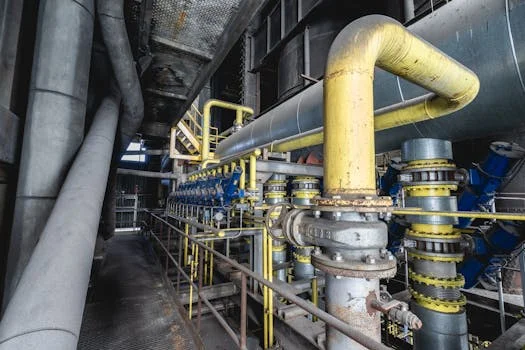
MoE compliance in Phnom Penh requires real-time discharge monitoring with data logging for pH, temperature, flow, and turbidity. Treated effluent must meet the applicable Annex 2 limits under Sub-Decree No. 103—for Category 2 open water, BOD5 below 60 mg/L and TSS below 100 mg/L; for Category 1 closed water, BOD5 below 30 mg/L and TSS below 50 mg/L. Modern DAF and MBR skids ship with PLC panels that integrate with continuous monitoring probes, so the data a factory must submit to MoE is captured automatically rather than hand-logged. Limits vary by receiving water body and connection to a central plant, but those category floors are what every plant must clear. For a side-by-side of how Cambodia's limits stack up against neighboring countries, see our article on BOD and TSS Discharge Limits by Country: Global Standards Compared.
Cost and ROI for Industrial Systems in Cambodia
Budget anchors for Phnom Penh projects in 2026: DAF units start near $28,000 for 4 m³/h and reach about $38,000 installed at 50 m³/day; MBR systems run $60,000–$150,000 depending on flow and reuse scope; underground package plants are the lowest-cost option at small flows. DAF payback averages around 5 years through reduced sludge hauling and avoided MoE fines. MBR justifies its premium where water reuse is real—cooling-tower makeup, toilet flushing, irrigation—because the saved water purchase compresses the payback period. Automation cuts operating labor by up to 70%, which matters most where skilled operators are scarce. For more detailed pricing and ROI calculations, refer to our Pressure Flotation System Cost & Price 2025: B2B Pricing & ROI Guide.
Who this is for / Next step
This guide fits procurement managers and EPC contractors sizing treatment for a Phnom Penh factory in food, textile, beverage, or metalworking. If your site discharges to a municipal sewer with confirmed capacity and BOD below 200 mg/L, a simpler pre-treatment package may suffice; if you need reuse-grade effluent, plan on MBR from day one. For sizing, budgeting, or a compliance review specific to your site, send your flow rate and influent data through our project inquiry form and our Southeast Asia engineering team will respond within one business day.
Frequently Asked Questions
How much does a DAF system cost for a 50 m³/day factory in Phnom Penh?
A 50 m³/day plant (about 2 m³/h on continuous operation) typically budgets around $38,000 installed for a DAF. Final price depends on influent FOG and solids load, material of construction (SS304 vs SS316), and whether sludge dewatering is bundled. Most textile and food projects in this size class land within ±10% of that figure.
Can MBR systems handle high-salinity wastewater from food processing?
Yes, provided a robust primary stage strips FOG and TSS before the membranes. A DAF or dissolved gas flotation upstream is the standard configuration for seafood, soy sauce, and brine-bearing food lines in Southeast Asia. Without that pre-treatment, membrane fouling will drive cleaning frequency and OPEX up fast.
Are there suppliers in Cambodia for maintenance?
HydropureWater works with local service partners in Phnom Penh and other Cambodian industrial hubs. That gives buyers same-time-zone response on spares, membrane cleaning, and PLC support. For remote sites, we also ship a 12-month critical-spare kit with the unit.
What is the lifespan of a DAF system with proper maintenance?
A well-built DAF unit runs 15 years or longer with routine skimmer inspection, regular sludge discharge, and timely replacement of wear parts like the recycle pump seal and air-saturation vessel internals. Skipping the annual inspection is the most common cause of early failure in tropical climates.
Do underground plants require special permits in urban areas?
Yes. Installing a buried package plant in Phnom Penh requires coordination with MoE and the relevant municipal authority on zoning, construction, and discharge permits. Engage the authorities during site selection, not after procurement—retrofitting permit scope mid-project is the single largest schedule risk we see on underground installations.
Related Equipment
- high-efficiency DAF system for industrial effluent in Phnom Penh — view specifications, capacity range, and technical data
- compact MBR system for high-quality effluent and water reuse — view specifications, capacity range, and technical data
Need a customized solution? Request a free quote with your specific flow rate and pollutant parameters.