Why DAF Clarifier Maintenance Prevents Costly Downtime
Unplanned DAF downtime costs $2,000–$8,000 per hour in lost production for food processing plants and heavy industrial facilities, based on industry benchmarks. A Dissolved Air Flotation (DAF) system failure often halts the entire production line to prevent untreated wastewater from violating municipal discharge permits or overwhelming downstream biological treatment stages. Effective implementation of a daf clarifier maintenance guide is a critical strategy for protecting the facility's bottom line and regulatory standing.
Operational data indicates that poor skimmer maintenance leads to a 30% or greater reduction in scum removal efficiency within just 30 days. Skimmer blades wear or fall out of alignment, and the "float" layer—the concentrated sludge at the surface—is not fully recovered. This results in solids recirculating back into the clear water zone, leading to a spike in Total Suspended Solids (TSS) in the effluent. Chemical dosing errors caused by clogged lines or pump diaphragm fatigue can increase coagulant consumption by 25% while simultaneously reducing flotation efficiency. This dual failure increases operating costs while degrading water quality.
The risks of neglect follow a predictable cascading failure path, typically beginning with a partially clogged saturator or a failing air compressor. As air dissolution efficiency drops, bubble formation becomes inconsistent. Without a dense cloud of micro-bubbles, solids fail to rise, leading to carryover. This carryover then overloads downstream filters or membranes, causing premature fouling and expensive replacements. Integrating a DAF clarifier with automatic skimming and micro-bubble technology into a rigorous maintenance rhythm allows operators to ensure that TSS removal efficiency remains above 90% while extending the lifespan of mechanical components by years.
Daily DAF Maintenance Checklist for Operators
Daily inspection of skimmer blades and chemical dosing rates prevents 90% of sudden TSS removal failures and ensures the system operates within its designed hydraulic load. Operators should begin every shift with a visual assessment of the flotation cell and the effluent clarity. If the effluent appears cloudy or contains "pin flocs," it often indicates an imbalance in the air-to-solids ratio or a chemical dosing discrepancy.
The following tasks must be completed and logged every 24 hours to maintain peak performance:
- Inspect Skimmer Blades: Check for wear, warping, or misalignment. Ensure that the tension allows for full travel across the basin without significant drag or "jumping" on the drive chain. Proper contact with the beaching plate is essential for efficient sludge removal.
- Verify Chemical Dosing: Confirm that chemical dosing pump strokes are consistent and that solution levels in the storage tanks are sufficient for the next 24 hours. Verify that Polyaluminum Chloride (PAC) or PAM concentrations are within 5% of the calculated setpoint. For automated systems, a PLC-controlled chemical dosing system for precise coagulant and flocculant injection will handle much of this, but manual verification of the pump heads is still required.
- Monitor Air Saturation: Check the float levels in the air drum and the saturator vessel. Listen for abnormal noises from the air compressor or recirculation pump, such as cavitation or high-pitched bearing whines.
- Effluent Clarity Check: Visually inspect the treated water. A properly functioning DAF should produce a clear effluent with a distinct separation between the float layer and the water column.
- Log Shift Readings: Record flow rates, pressure gauge readings (typically 60–90 psi for the saturator), and chemical usage. These logs are vital for identifying long-term trends and ensuring audit compliance.
Consistent daily oversight allows maintenance teams to catch minor issues, such as a leaking seal or a slightly loose chain, before they result in a total system shutdown. For more detailed operational steps, operators can refer to these downloadable DAF maintenance checklists by frequency to standardize their reporting across different shifts.
Weekly and Monthly Mechanical Inspections
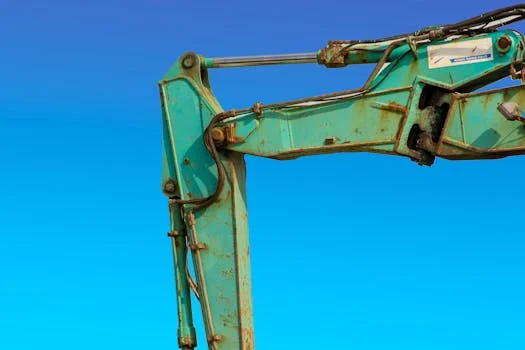
Mechanical wear in DAF drive chains and compressors accounts for 60% of long-term equipment degradation, necessitating a deeper inspection into the system’s moving parts every week and month. While daily tasks focus on the process, weekly and monthly tasks focus on the structural integrity and mechanical reliability of the unit. For industrial wastewater clarifiers, the harsh chemical environment can accelerate the corrosion of even high-grade stainless steel components if they are not properly lubricated and cleaned.
Weekly, the maintenance team must grease all skimmer drive chain joints and sprockets. Use a lithium-based NLGI #2 grease, which provides excellent water resistance—a necessity for DAF environments. During this time, inspect the air compressor’s oil level and the condition of the intake filter. Because the air compressor is the "lungs" of the DAF system, any reduction in air quality or pressure will immediately impact micro-bubble formation. Oil changes should occur every 500 operating hours or quarterly, whichever comes first.
Monthly inspections should focus on the recirculation system. Test the backpressure on the recirculation pump; a pressure drop of more than 15% from the baseline usually indicates either a worn impeller or significant clogging in the recirculation lines. Bearings with external housings should be greased every three months using high-temperature grease for units located in outdoor or unconditioned environments. Additionally, check all O-rings and seals on the pressure release valves. If seals show signs of swelling or cracking due to chemical exposure, replace them immediately to prevent pressure loss in the saturator.
| Component | Maintenance Task | Frequency | Specification/Metric |
|---|---|---|---|
| Skimmer Drive Chain | Lubrication & Tension Check | Weekly | NLGI #2 Lithium Grease; 1/2" deflection |
| Air Compressor | Oil & Filter Inspection | Weekly | Change oil every 500 hours |
| Recirculation Pump | Backpressure Testing | Monthly | Maintain 80–90 psi; <15% ΔP |
| Main Bearings | Greasing | Quarterly | High-temp water-resistant grease |
| Saturator Vessel | Scale Removal | Annually | Citric acid wash if hardness >150 ppm |
By adhering to this schedule, facilities can significantly reduce the risk of catastrophic failure. Proper mechanical upkeep also ensures that the maintenance best practices for downstream sludge handling systems are easier to implement, as the DAF will consistently deliver a high-solids float layer that is easier to dewater.
Quarterly and Annual Overhauls for Maximum Uptime
Annual saturator vessel inspections prevent mineral scale buildup that can reduce air dissolution efficiency by 25% or more in regions with hard water. These high-level tasks require a scheduled shutdown but are essential for extending the equipment life of DAF units, which are designed to handle flow rates from 4 to 300 m³/h. During an annual overhaul, the goal is to return the system to its "as-new" mechanical state.
The saturator vessel should be completely drained and inspected for internal corrosion or scale accumulation. If the influent water hardness exceeds 150 ppm, a citric acid wash is recommended to dissolve calcium deposits that can clog the internal nozzles. For DAF specifications, the air diffuser plates or nozzles should be replaced every 18–24 months. Over time, these components can erode or become fouled, leading to larger bubble sizes that are less effective at attaching to suspended solids.
Engineers should also use this shutdown period to calibrate all pressure transducers and flow meters. Inaccurate sensor data can lead the PLC to mismanage the recirculation rate, either wasting energy or failing to provide enough dissolved air for the solids load. Inspect the concrete or stainless steel basin for any signs of structural fatigue, particularly at the waterline where wet/dry cycling and chemical concentration are most aggressive. If any thinning of the epoxy coating is observed, it should be reapplied to prevent substrate corrosion. Finally, review the PLC alarm logs from the past year. Trend analysis of "low air pressure" or "motor overload" faults can often predict which pump or valve is nearing the end of its service life, allowing for a proactive replacement rather than a reactive repair.
Common DAF System Failures and How to Fix Them
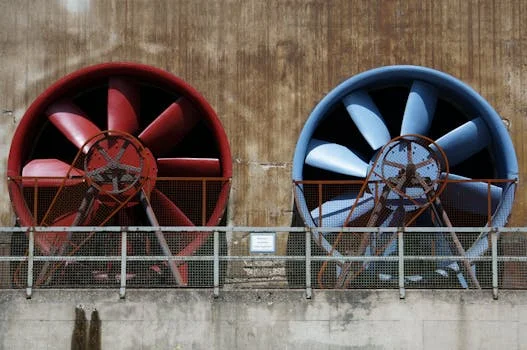
Most DAF operational failures stem from either mechanical obstruction or chemical imbalances in the influent stream, and rapid diagnosis is key to minimizing production impact. When the system is not performing to its 90% TSS removal potential, operators should follow a standard diagnostic flow: observe the physical symptoms, measure the operating parameters, isolate the failing component, correct the issue, and verify the results.
Symptom: Poor Float Layer Formation
If the surface of the DAF lacks a thick, stable sludge blanket, the cause is usually low air saturation. First, check the compressor output and the saturator pressure gauge. If the pressure is below 60 psi, check the backpressure valve for clogs or a failing level sensor in the air drum. If the pressure is correct but bubbles are still absent, the air injection nozzles inside the saturator may be blocked.
Symptom: Skimmer Stalls or Slips
A skimmer that moves unevenly or stops entirely is often caused by drive chain tension issues or worn sprockets. Adjust the tension to allow for approximately 1/2 inch of deflection. If the chain has elongated by more than 3% of its original length, it must be replaced. Check for debris caught in the tracks or along the beaching plate that might be causing excessive resistance.
Symptom: High TSS in Effluent
When the treated water is turbid despite a good float layer, the issue is likely chemical underdosing or poor mixing. Verify the dosing pump calibration and ensure the static mixer is not obstructed. In some cases, a change in influent chemistry (such as a pH swing) can render the current coagulant ineffective. For a deeper dive into these issues, refer to these proven fixes for low air saturation, poor floatation, and skimmer jams.
Symptom: Excessive Foam Overflow
This is often caused by a surfactant overload in the influent or over-aeration. Reduce the air flow rate slightly or adjust the chemical feed ratio. If the foam persists, an anti-foaming agent may be necessary, though this should be a last resort as it can interfere with the flotation of desired solids.
Frequently Asked Questions
How often should you clean DAF filters?
Inline filters and strainers should be cleaned weekly to maintain flow. Replace disposable filter elements every 6 months, or sooner if the pressure differential (ΔP) exceeds 10 psi across the filter housing.
What lubrication is needed for a DAF skimmer drive?
Use NLGI #2 lithium-based grease on all exposed chains and sprockets every two weeks. For enclosed gear reducers, check the manufacturer's oil specifications and change the lubricant annually.
Can you run a DAF system without chemical dosing?
While possible for very light loads of naturally buoyant oils, most industrial applications require coagulants like PAC to destabilize solids. Without chemicals, TSS removal efficiency typically drops below 50%.
Why is my DAF producing large bubbles instead of micro-bubbles?
This is usually caused by low backpressure in the saturator or a clogged release nozzle. Ensure the saturator is operating between 80–90 psi to ensure air remains fully dissolved until it reaches the flotation tank.
How do you test dissolved air efficiency?
Perform a bench-top jar test by taking a sample of the pressurized recycle water and releasing it into a graduated cylinder of influent.