Cloudy effluent or a poorly formed sludge blanket from your DAF system often points to common pressure flotation system troubleshooting issues, specifically low air saturation pressure (below 3.5 bar), poor microbubble formation, and inefficient solids separation. For HydropureWater's DAF units operating at 150 m³/h, maintaining 4.0 bar saturation pressure and a 25–35% recirculation ratio ensures 90–95% TSS removal efficiency. Begin your diagnosis by systematically checking back pressure valves, air compressor output, and the saturation tank level.
Why Your DAF System Isn’t Fluffing: The Real Causes of Poor Flotation
Ineffective flotation, characterized by cloudy effluent and a thin, unstable sludge blanket, primarily stems from a failure to generate sufficient quantities of microbubbles within the optimal size range of 20–50 μm (Baldwin, 2024). These minute flotation bubble sizes are crucial for effective attachment to suspended solids, creating buoyant floc-bubble aggregates that rise to the surface. When microbubble generation issues occur, solids remain entrained in the water, leading to poor effluent quality and reduced TSS removal efficiency.
A critical factor is maintaining an adequate air-to-solids ratio, which should ideally be between 0.015–0.03 g air/g solids for most industrial DAF system applications. If this ratio is too low, there simply aren't enough bubbles to lift the suspended particles, regardless of their size or charge. The core mechanical reason for insufficient air is often tied to the air saturation process. Below 3.5 bar, the air dissolution efficiency in the saturation tank drops sharply, severely compromising the system's ability to produce the necessary volume of dissolved air (Jorsun DAF Troubleshoot).
The transition to diagnosing specific issues is essential.Step-by-Step: Diagnosing Low Saturation Pressure
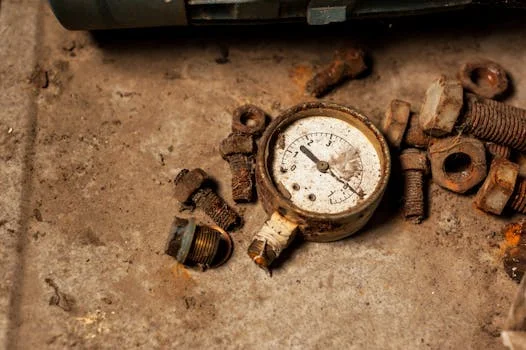
A recirculation pump operating below 3.5–4.5 bar back pressure is a primary indicator of insufficient air saturation, directly impacting DAF system efficiency (LinkedIn, 2021). This low recirculation pump pressure prevents adequate air dissolution within the saturation tank, leading to compromised microbubble formation. To address this, follow a structured diagnostic process:
- Check Back Pressure on the Recirculation Pump: Verify the pressure gauge reading on the discharge side of the recirculation pump, just before the saturation tank. Most DAF pumps are designed to operate within a 3.5–4.5 bar range to ensure proper air dissolution. If the pressure is low, inspect for pump wear, leaks in the recirculation line, or blockages in the saturation tank inlet.
- Verify Air Compressor Output: Ensure your air compressor is delivering clean, dry air at a consistent pressure of 5–7 bar to the air saturation tank troubleshooting point. Low compressor output or moisture in the air supply can hinder dissolution and lead to unstable microbubbles. Inspect air filters and condensate drains.
- Inspect Saturation Tank Level Control: Fluctuating water levels within the saturation tank can disrupt the crucial air hold time needed for complete dissolution. The ideal retention time for air-saturated water in the tank is 60–90 seconds. A malfunctioning level sensor or control valve can cause erratic levels, reducing the effective volume for air dissolution.
- Test for Clogged Saturation Nozzle or Diffuser: Over time, the fine orifices of the saturation nozzle or diffuser can become clogged with scale or debris, especially in systems without adequate upstream pre-filtration. This reduces the pressure drop and shearing force necessary to release dissolved air as microbubbles. A sudden drop in flotation performance often points to this issue; a visual inspection and cleaning may be required.
Microbubble Not Forming? Check These 4 Components
Damaged or worn impellers within the air injector are a common mechanical failure, directly reducing the shearing force required for effective microbubble generation. When your DAF system exhibits large, unstable bubbles or a lack of fine, milky white microbubbles, inspect these four components:
- Air Injector Impeller Wear: The air injector (often a venturi or specialized pump impeller) relies on high-speed rotation to shear incoming air into minute bubbles before it enters the saturation tank. A worn or damaged impeller cannot generate the necessary shearing force, resulting in larger, less effective bubbles or a complete absence of microbubbles. Regular inspection for cavitation damage or physical wear is essential for consistent microbubble generation issues.
- Air Check Valve Failure: A faulty air check valve in the air intake line can allow water to backflow into the air supply, reducing air intake efficiency or even causing water hammer. This compromises the air-to-water ratio within the recirculation stream, directly impacting the quantity and quality of microbubbles produced. Test the valve for proper seating and free movement.
- Clogged Air Solenoid Valve: The air solenoid valve controls the flow of compressed air into the air injector. If this valve is clogged with debris or fails electrically, it restricts air supply. Test for a consistent 24V signal at the solenoid coil during operation. If the signal is present but air pressure is low, the valve port may be obstructed and require cleaning or replacement.
- Improper Air-to-Water Ratio: Achieving the correct air-to-water ratio is paramount for optimal microbubble density. This ratio is typically controlled by a needle valve on the air intake line. An imbalance—either too much or too little air—will result in poor bubble formation. Adjust the needle valve to maintain an air by volume percentage of 25–35% in the recirculation stream, observing the bubble quality in the flotation zone for fine-tuning.
When Solids Won’t Float: Particle Size and Chemistry Matter
Suspended solids larger than 0.1mm in diameter often resist flotation and settle prematurely. If your DAF system maintenance has confirmed optimal air parameters, yet solids persist in the effluent, consider the physical and chemical properties of your wastewater.
- Particle Size Limitations: Very large particles (greater than 0.1mm) are simply too heavy to be effectively lifted by microbubbles and will settle out. Conversely, ultrafine particles (less than 0.006mm) often lack sufficient surface area for bubble attachment or carry a stable charge that repels bubbles. For large particles, consider enhanced upstream screening or increased aeration to create a stronger buoyant force.
- Coagulation and Flocculation: Ultrafine particles and colloids typically require chemical conditioning to form larger, more floatable flocs. This involves the precise addition of a coagulant (e.g., ferric chloride or aluminum sulfate) followed by a flocculant (e.g., 8–12 mg/L anionic polymer). Coagulants neutralize particle charges, while flocculants bind smaller particles into larger, more robust aggregates suitable for bubble attachment.
- Charge Neutralization (Zeta Potential): The surface charge of particles, measured by zeta potential, significantly impacts their ability to attach to bubbles. Optimal floc-bubble attachment occurs when the zeta potential is reduced to approximately ±5 mV, indicating effective charge neutralization. Monitoring and adjusting chemical dosages based on zeta potential can dramatically improve flotation performance.
- Oily Wastewater Considerations: For industrial wastewater high in oils, fats, and greases (FOG), emulsion breakers may be necessary. Cationic emulsion breakers added before the DAF inlet can destabilize oil-in-water emulsions, allowing the oil droplets to coalesce and become more amenable to flotation. HydropureWater's precise chemical dosing for DAF optimization systems can ensure accurate and consistent application of these critical agents.
DAF Performance Parameters: Normal vs. Faulty Operating Ranges
Maintaining precise operational parameters is crucial for optimal DAF performance. Deviations from these benchmarks often signal underlying issues that compromise TSS removal efficiency and overall system stability. The table below provides a quick-reference guide for comparing your current DAF system readings against industry-standard benchmarks and HydropureWater specifications.
| Parameter | Normal Operating Range (HydropureWater) | Faulty Indicator / Risk |
|---|---|---|
| Saturation Pressure | 3.5–4.5 bar (100–300 m³/h); 2.5–3.5 bar (4–50 m³/h) | Below range: poor microbubble generation, low air dissolution; Above range: energy waste, potential equipment stress |
| Recirculation Ratio | 20–35% of total flow | >40%: floc shear, excessive turbulence; <20%: insufficient air-to-solids ratio, poor flotation |
| Hydraulic Loading Rate | Up to 10 m/h (surface area) | >10 m/h: short-circuiting, insufficient clarification time, solids carryover |
| TSS Removal Efficiency | 85–95% | Below 85%: indicates systemic issue (air, chemistry, hydraulics, or solids characteristics) |
Preventing Recurring DAF Issues: Maintenance Best Practices
Proactive maintenance is key to minimizing dissolved air flotation problems and ensuring the long-term reliability of your DAF system. Regular draining and cleaning of the DAF tank every 3–6 months is essential to prevent sludge buildup under baffles, which can impede hydraulic flow and reduce flotation efficiency.
- DAF Tank Cleaning: Depending on the wastewater characteristics and organic loading, drain and clean the DAF tank every 3–6 months. This prevents the accumulation of settled sludge, grit, and biological growth under baffles and on tank walls, which can interfere with bubble distribution and hydraulic patterns.
- Skimmer Blade Inspection and Cleaning: Weekly inspection and cleaning of skimmer blades are crucial to maintain consistent scum removal. Worn or fouled blades reduce skimming efficiency, allowing the sludge blanket to thicken excessively and potentially overflow.
- Sensor Calibration: Calibrate pressure transmitters and level sensors quarterly. Accurate readings are vital for the control system to maintain optimal saturation pressure and water levels, directly impacting microbubble generation and overall DAF performance.
- Daily Operational Logging: Institute a daily log for key operational parameters, including influent TSS, recirculation pressure, air flow rate, and effluent clarity. Consistent data tracking helps identify trends, predict potential issues, and optimize the performance of your DAF system for industrial wastewater.
Frequently Asked Questions
Addressing frequently asked questions about DAF system operation provides immediate clarity on common troubleshooting scenarios and preventative measures.
How often should a DAF be drained and cleaned?
A DAF system should typically be drained and cleaned every 3–6 months, depending on the wastewater's loading and characteristics. High FOG (fats, oils, and grease) loads may necessitate quarterly cleaning to prevent excessive sludge buildup.
What pressure should a DAF system run at?
The saturation pressure in a DAF system typically runs between 3.5–4.5 bar for most industrial applications. Verify the specific pressure requirements with your recirculation pump manual and adjust based on your system's flow rate and wastewater characteristics.
Why are my DAF bubbles large and unstable?
Large and unstable DAF bubbles are likely due to low saturation pressure in the air saturation tank, insufficient air dissolution, or air leaks in the recirculation line before the pressure release point. Inspect pressure gauges and check for visible leaks.
Can chemical dosing fix DAF flotation issues?
Yes, improper chemical dosing is a root cause in approximately 40% of poor-flotation cases. Correcting coagulant and flocculant dosages can significantly improve particle aggregation and attachment