Why Industrial Water Purification Requires a Multi-Barrier Approach
Industrial water purification systems operate on a multi-barrier principle, removing contaminants layer-by-layer to meet stringent process or discharge requirements. Raw water sourced from rivers, wells, or municipal supplies is rarely pure H₂O; it is a complex mixture containing dissolved minerals like Ca²⁺ and Mg²⁺, suspended solids (TSS), biological matter such as bacteria and viruses, and various chemical compounds, including pesticides and emerging contaminants like PFAS. Relying on a single technology, such as standalone reverse osmosis (RO), often proves insufficient. For instance, RO systems can struggle with high turbidity influent, typically requiring pre-treatment when turbidity exceeds 3,000 mg/L to prevent rapid fouling. A semiconductor fab, for example, might experience yield losses due to trace ion contamination, necessitating a robust purification strategy. Similarly, a pharmaceutical plant requires ultra-pure water that cannot be achieved with basic filtration alone. By implementing a multi-barrier hierarchy—comprising pre-treatment, primary treatment, polishing, and disinfection—each stage is optimized to target specific contaminant classes, ensuring comprehensive water quality and protecting downstream equipment. For example, a PCB manufacturing plant significantly reduced membrane replacement costs by 40% by integrating UF pre-treatment into their existing RO setup (HydropureWater 2024 case study).
Pre-Treatment: The Foundation of Water Purification Working Principle
Effective pre-treatment is paramount to the longevity and efficiency of any industrial water purification system. It acts as the first line of defense, removing larger contaminants that could foul or damage more sensitive downstream equipment like membranes. Mechanical pre-treatment methods include sediment filters, which effectively remove particles larger than 5 μm, such as sand and rust, preventing the clogging of downstream membranes or dissolved air flotation (DAF) systems. For more demanding applications, multi-media filters, typically comprising layers of anthracite, sand, and garnet, are employed. These filters can reduce SDI (Silt Density Index) to below 3, a critical parameter for protecting RO membranes. These filters operate with backwash cycles typically scheduled every 8–12 hours to remove accumulated solids (JY Series product specs). Chemical pre-treatment involves the judicious dosing of coagulants and flocculants to neutralize the electrostatic charges of colloidal particles, causing them to aggregate into larger flocs. These flocs are then more easily removed by subsequent processes like DAF or sedimentation. For example, polyaluminum chloride (PAC) is often dosed at 10–50 mg/L to treat influent with turbidity exceeding 50 NTU (Top 2 scraped content). In municipal wastewater treatment, rotary mechanical bar screens (GX Series) are vital for removing larger debris like rags and plastics, achieving up to 95% TSS removal with spacing of 6–12 mm (GX Series product specs).
| Pre-Treatment Technology | Typical Particle Removal | Key Parameters | Application Examples | Associated HydropureWater Products |
|---|---|---|---|---|
| Sediment Filters | > 5 μm | Micron rating (e.g., 5 µm, 10 µm) | General pre-filtration, protecting downstream equipment | N/A (often integrated into larger systems) |
| Multi-Media Filters (MMF) | ~10-25 μm (effective removal) | SDI < 3, Turbidity < 1 NTU (post-treatment), Backwash frequency (8-12 hrs) | RO pre-treatment, general turbidity reduction | Multi-media filter (JY Series) |
| Chemical Dosing (Coagulants/Flocculants) | Colloidal matter, small suspended solids | Dose rate (e.g., 10-50 mg/L PAC), pH adjustment | DAF pre-treatment, clarification | N/A (chemical dosing equipment) |
| Rotary Mechanical Bar Screens | Rags, plastics, large solids | Spacing (e.g., 6-12 mm), 95% TSS removal | Municipal wastewater, industrial inflow screening | Rotary mechanical bar screen (GX Series) |
Ultrafiltration (UF) Working Principle: Engineering Specs and Process Parameters
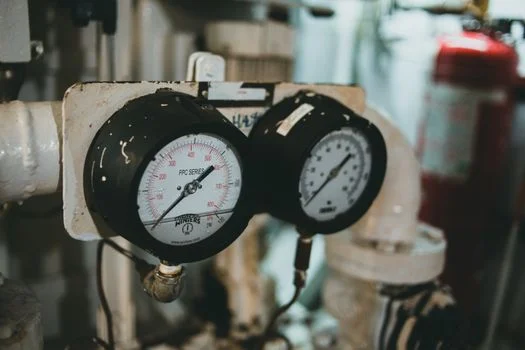
Ultrafiltration (UF) is a pressure-driven membrane process that operates with pore sizes ranging from 0.01 to 0.1 μm. This size range allows UF membranes to effectively remove bacteria, viruses, protozoa, and colloidal matter while permitting dissolved ions and small organic molecules to pass through. The typical flux rates for industrial UF systems, particularly those utilizing PVDF membranes, range from 50 to 150 LMH (liters/m²/hour), operating under a transmembrane pressure (TMP) of 1 to 5 bar. A key consideration in UF system design is managing membrane fouling, which can occur through cake layer formation (reversible) or pore blocking (irreversible). Regular backwashing, typically for 30–60 seconds every 30–60 minutes, is a crucial operational step to mitigate fouling and maintain performance. Industrial UF systems generally achieve recovery rates of 85–95%, with the concentrated reject stream often directed to further treatment processes such as DAF or sedimentation. UF finds widespread application as a critical pre-treatment step for RO systems, in the production of pharmaceutical-grade water, and in food and beverage processing, such as juice clarification.
| Parameter | Typical Range / Value | Significance | Related HydropureWater Products |
|---|---|---|---|
| Pore Size | 0.01 – 0.1 μm | Removes bacteria, viruses, colloids; allows ions to pass | MBR Membrane Bioreactor Module (DF Series) |
| Flux Rate | 50 – 150 LMH | Water throughput per membrane area | N/A (design parameter) |
| Transmembrane Pressure (TMP) | 1 – 5 bar | Driving force for water permeation | N/A (operational parameter) |
| Recovery Rate | 85 – 95% | Ratio of permeate to feed water volume | Submerged Membrane Bioreactor Working Principle |
| Backwash Frequency | Every 30 – 60 minutes | Mitigates fouling | N/A (operational parameter) |
Reverse Osmosis (RO) Working Principle: Ion Rejection and Energy Trade-Offs
Reverse Osmosis (RO) is a sophisticated purification technology that operates by applying external pressure to overcome the natural osmotic pressure of a solution, forcing water molecules through a semi-permeable membrane. This membrane has extremely small pore sizes, typically in the range of 0.0001 to 0.001 μm, allowing it to reject 95–99% of dissolved ions, salts, and larger organic molecules. The working principle relies on applied pressure, generally between 15–25 bar for brackish water, to drive the separation process. A critical factor in RO system design is the recovery rate, which is the ratio of purified water (permeate) to the incoming feed water. For brackish water, recovery rates typically range from 50–85%, while for seawater, they are lower, often 30–50%, due to higher salt concentrations and increased scaling potential. Higher recovery rates, while reducing waste, can significantly increase the risk of scaling from precipitated salts like CaCO₃ and BaSO₄. Energy consumption for RO systems is a significant operational cost, generally falling between 2–4 kWh/m³ for brackish water and 5–8 kWh/m³ for seawater, according to 2025 DOE benchmarks. Effective pre-treatment is non-negotiable for RO systems; this includes ensuring SDI <3, turbidity <1 NTU, and removing residual chlorine (often via activated carbon or sodium metabisulfite dosing) to prevent irreversible membrane oxidation. Post-treatment steps, such as pH adjustment (e.g., CO₂ injection) and remineralization, are often necessary, particularly for potable water applications, to meet WHO Guidelines for Drinking-water Quality.
| Parameter | Typical Range / Value | Significance | Related HydropureWater Products |
|---|---|---|---|
| Pore Size | 0.0001 – 0.001 μm | Rejects dissolved ions, salts, and most organics | Industrial RO Water Purification |
| Applied Pressure | 15 – 25 bar (brackish water) | Overcomes osmotic pressure to drive filtration | N/A (operational parameter) |
| Ion Rejection | 95 – 99% | Effectiveness in removing dissolved salts | N/A (performance metric) |
| Recovery Rate (Brackish) | 50 – 85% | Ratio of permeate to feed; impacts water efficiency and scaling risk | pH Adjustment System Working Principle |
| Energy Consumption | 2 – 4 kWh/m³ (brackish water) | Operational cost factor | N/A (performance metric) |
Dissolved Air Flotation (DAF) Working Principle: Microbubble Physics and TSS Removal
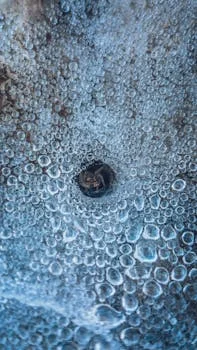
Dissolved Air Flotation (DAF) is a highly effective physical-chemical separation process widely used for removing suspended solids, oils, and greases from industrial and municipal wastewater. The working principle involves saturating a portion of the process water with air under pressure (typically 4–6 bar), and then releasing this pressurized, air-saturated water into a flotation tank. As the pressure drops, the dissolved air comes out of solution, forming microscopic bubbles typically ranging from 30 to 100 μm in diameter. These microbubbles attach to suspended particles and flocs, reducing their overall density and causing them to float to the surface, where they are skimmed off as sludge. The efficiency of bubble generation and distribution is influenced by saturation pressure and specialized nozzle designs, such as needle valves (DAF product specs). Industrial DAF systems are designed with hydraulic loading rates typically between 5–15 m/h, capable of achieving 90–98% TSS removal from wastewater with influent turbidity levels up to 3,000 mg/L (JY Series product specs). Chemical conditioning is a crucial component of DAF; coagulants like PAC and flocculants such as polyacrylamide are used to enhance floc formation and improve the attachment efficiency between flocs and microbubbles. Dosing rates are highly dependent on influent characteristics; for instance, food processing wastewater might require 10–30 mg/L of PAC. DAF is particularly well-suited for applications in the food & beverage, pulp & paper, textile industries, and as a pre-treatment step for high-FOG or high-turbidity wastewater streams.
| Parameter | Typical Range / Value | Significance | Related HydropureWater Products |
|---|---|---|---|
| Microbubble Size | 30 – 100 μm | Optimal for floc attachment and flotation | Dissolved Air Flotation (DAF) Machine |
| Saturation Pressure | 4 – 6 bar | Determines dissolved air capacity | N/A (operational parameter) |
| Hydraulic Loading Rate | 5 – 15 m/h | Volume of water treated per unit area per hour | N/A (design parameter) |
| TSS Removal Efficiency | 90 – 98% | Effectiveness in removing suspended solids | Cavitation Air Flotation System Working Principle |
| Chemical Dosing (Example) | 10 – 30 mg/L PAC (for food processing) | Enhances flocculation and flotation | N/A (chemical dosing equipment) |
How to Select the Right Water Purification System: A Data-Driven Decision Framework
Selecting the optimal water purification system requires a systematic approach that aligns influent characteristics with effluent requirements and economic considerations. The process begins with a thorough characterization of the influent water, measuring key parameters such as Total Suspended Solids (TSS), turbidity, Chemical Oxygen Demand (COD), Biochemical Oxygen Demand (BOD), pH, conductivity, and the presence of specific contaminants like heavy metals or fats, oils, and greases (FOG). Concurrently, effluent requirements must be clearly defined. This involves understanding regulatory discharge limits (e.g., EPA, WHO, GB 39731-2020) or specific process water quality specifications, such as achieving conductivity below 10 μS/cm for semiconductor rinse water. The next step is to evaluate the trade-offs between different technologies—Ultrafiltration (UF), Reverse Osmosis (RO), Dissolved Air Flotation (DAF), and multi-media filters—using a comparative analysis of their performance, limitations, and suitability for specific contaminant removal. Cost considerations are critical, involving the calculation of both Capital Expenditure (CapEx) and Operational Expenditure (OPEX). For instance, RO systems typically have higher CapEx but lower OPEX related to chemicals compared to DAF systems, which may have lower CapEx but higher chemical costs. Finally, validating system performance through pilot testing, such as conducting jar tests for DAF chemical dosing optimization or operating bench-scale UF/RO pilot units, is essential to confirm design parameters and ensure the selected technology meets all performance criteria before full-scale implementation.
| Technology | Primary Contaminant Removal | Typical Influent Quality | Typical Effluent Quality | Key Considerations | Example Applications |
|---|---|---|---|---|---|
| Multi-Media Filter (MMF) | Suspended Solids (TSS), Turbidity | Moderate to high TSS/turbidity | Turbidity < 1 NTU, SDI < 3 | Low CapEx, effective pre-treatment, requires backwashing | Pre-treatment for RO/UF, general clarification |
| Ultrafiltration (UF) | Bacteria, Viruses, Colloids, Macromolecules | Low to moderate TSS/turbidity | TSS < 0.1 NTU, high virus/bacteria rejection | Moderate CapEx, good recovery rate, sensitive to fouling without pre-treatment | RO pre-treatment, pharmaceutical water, food & beverage |
| Dissolved Air Flotation (DAF) | Suspended Solids (TSS), FOG, Colloids | High TSS, FOG, and turbidity | TSS < 10-30 mg/L, significant FOG reduction | Moderate CapEx, high OPEX (chemicals), effective for difficult-to-settle solids | Pulp & paper, food processing, textile wastewater |
| Reverse Osmosis (RO) | Dissolved Ions, Salts, Small Organics | Low TSS/turbidity, low SDI | < 10 μS/cm, 95-99% ion rejection | High CapEx, moderate OPEX (energy), requires extensive pre-treatment, low recovery can be an issue | Desalination, ultrapure water production, wastewater reuse |
Compliance and Discharge Standards: Meeting Global Water Quality Regulations
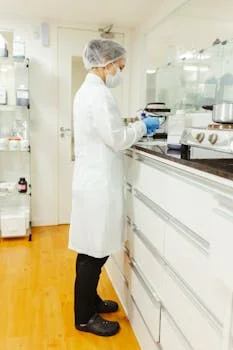
Adherence to stringent compliance and discharge standards is a fundamental driver for industrial water purification system design. Regulatory bodies worldwide set specific limits for various contaminants to protect public health and the environment. The U.S. Environmental Protection Agency's (EPA) Clean Water Act (CWA), for instance, imposes limits on parameters like TSS (typically <30 mg/L), BOD (<30 mg/L), and specific heavy metals, such as copper (often <1.3 mg/L for industrial discharges). For drinking water, the World Health Organization (WHO) Guidelines for Drinking-water Quality set benchmarks for turbidity (<1 NTU), microbiological purity (e.g., E. coli 0/100 mL), and maximum contaminant levels for heavy metals like arsenic (<10 μg/L). In rapidly developing industrial sectors, China's GB 39731-2020 standard for the electronics industry specifies strict limits for COD (<50 mg/L), ammonia nitrogen (<15 mg/L), and fluoride (<10 mg/L) in semiconductor wastewater. the EU Urban Waste Water Directive (91/271/EEC) mandates secondary treatment for municipal wastewater, with limits for BOD (<25 mg/L) and COD (<125 mg/L). A multi-barrier approach, integrating technologies like UF followed by RO, is often the most effective strategy to meet these diverse requirements. UF systems can reliably remove bacteria and viruses, while RO ensures the rejection of dissolved ions, thus achieving the comprehensive water quality necessary for compliance with regulations such as China's GB 39731-2020 and other international standards.
Frequently Asked Questions
Q: What is the difference between UF and RO pore sizes, and how does it affect contaminant removal?
A: UF membranes have pore sizes of 0.01–0.1 μm, effectively removing bacteria, viruses, and colloidal matter but allowing ions and small organics to pass. RO membranes, with significantly smaller pore sizes of 0.0001–0.001 μm, reject 95–99% of ions (e.g., Na⁺, Cl⁻). RO requires robust pre-treatment to prevent fouling from larger particles, such as achieving an SDI <3, often accomplished with UF pre-treatment (per EPA 2024 guidelines).
Q: How do I calculate the recovery rate for an RO system, and what factors affect it?
A: Recovery rate is calculated as (Permeate flow / Feed flow) × 100%. Factors influencing recovery include feed water quality (e.g., potential for scaling), membrane type (e.g., brackish vs. seawater), and system design (e.g., number of stages). For brackish water, recovery rates typically range from 50–85%; for seawater, 30–50%. Higher recovery increases the risk of scaling (e.g., CaCO₃ precipitation), necessitating antiscalant dosing or pH adjustment (2025 DOE benchmarks).
Q: What are the key parameters to monitor in a DAF system for optimal performance?
A: Key parameters for DAF include (1) bubble size (30–100 μm for optimal floc attachment), (2) hydraulic loading rate (5–15 m/h), (3) chemical dosing (e.g., 10–30 mg/L PAC for turbidity >50 NTU), and (4) TSS removal efficiency (target 90–98%). Jar tests are essential for optimizing coagulant/flocculant doses, and saturation pressure (4–6 bar) should be adjusted for consistent bubble generation (DAF product specs).
Q: Can I use a multi-media filter as a standalone system for industrial water purification?
A: Multi-media filters (e.g., anthracite, sand, garnet) are effective for removing suspended solids (TSS) and turbidity (e.g., reducing 3,000 mg/L to <3 mg/L) but cannot remove dissolved ions, bacteria, or viruses. They are primarily used as pre-treatment for RO or UF systems to protect membranes from fouling. For example, a food processing plant might use a multi-media filter followed by UF for bacterial removal (JY Series product specs).
Q: What are the most common causes of RO membrane fouling, and how can I prevent them?
A: Common causes include (1) particulate fouling (TSS >1 NTU), (2) scaling (e.g., CaCO₃, BaSO₄), (3) biological fouling (bacteria, algae), and (4) organic fouling (e.g., humic acids). Prevention strategies include (1) robust pre-treatment (e.g., UF or multi-media filters), (2) antiscalant dosing (e.g., 2–5 mg/L), (3) chlorine removal (e.g., activated carbon), and (4) regular cleaning procedures (e.g., CIP with citric acid or NaOH). Recovery rates should be managed to minimize scaling, typically not exceeding 50–85% for brackish water (EPA 2024 guidelines).
Related Equipment
- JY Series all-in-one water purification system — view specifications, capacity range, and technical data
Need a customized solution? Request a free quote with your specific flow rate and pollutant parameters.