Why Telangana Needs Compact Wastewater Treatment Solutions
Telangana's rapid industrial expansion, particularly in hubs like Hyderabad, Medchal, and Jeedimetla, has significantly outpaced the development of centralized sewage infrastructure. This disparity necessitates localized, efficient wastewater management. The Telangana State Pollution Control Board (TSPCB) mandates on-site treatment for industries under the Water (Prevention and Control of Pollution) Act, 1974, to safeguard water bodies and public health. The increasing urbanization within Greater Hyderabad Municipal Corporation (GHMC) areas amplifies the demand for decentralized wastewater treatment systems that can handle the growing volume of domestic and commercial effluent effectively. The state's focus on attracting and retaining industries means that robust environmental compliance, including efficient wastewater management, is paramount for sustainable growth and maintaining Telangana's reputation as an investment-friendly destination. Industrial estates are often fragmented, and new developments are frequently located in remote areas, underscoring the need for adaptable, compact solutions that can be deployed without extensive reticulation networks.
Types of Package Wastewater Treatment Plants Available in Telangana
Selecting the appropriate package wastewater treatment plant (STP) technology in Telangana hinges on the specific characteristics of the effluent. For predominantly domestic sewage with moderate organic loads, Anoxic/Aerobic (A/O) systems are a cost-effective choice, typically achieving 85–90% BOD removal. These systems utilize a combination of anaerobic and aerobic zones to break down organic pollutants efficiently. The anaerobic stage promotes the breakdown of complex organic molecules into simpler ones, which are then more readily consumed by microorganisms in the aerobic stage. For industries with stringent discharge standards or those aiming for water reuse, particularly in sectors like pharmaceuticals and food processing, Membrane Bioreactor (MBR) systems are highly effective. MBRs offer superior treatment, delivering >95% BOD removal and producing effluent with less than 1 NTU (Nephelometric Turbidity Units), making it suitable for recycling. This high-quality effluent can be reused for non-potable purposes such as cooling tower makeup, irrigation, or industrial process water, significantly reducing freshwater dependency. For facilities dealing with high concentrations of fats, oils, grease (FOG), and suspended solids, such as dairy, meat processing, and textile units, Dissolved Air Flotation (DAF) systems are ideal. DAF units excel at removing 90%+ FOG and suspended solids through the introduction of micro-bubbles that attach to contaminants, causing them to float and be skimmed off.
| Technology | Primary Application | Typical BOD Removal | Effluent Quality (TSS/Turbidity) | Key Benefits | Link |
|---|---|---|---|---|---|
| A/O (Anoxic/Aerobic) | Domestic sewage, moderate industrial wastewater | 85–90% | < 30 mg/L | Cost-effective, proven technology, relatively low energy consumption | Underground Package STP |
| MBR (Membrane Bioreactor) | Pharma, food processing, high-strength industrial wastewater, water reuse | >95% | < 1 NTU | Compact footprint, high-quality effluent, water reuse potential, consistent performance | MBR System |
| DAF (Dissolved Air Flotation) | Dairy, meat processing, textile, oil & gas, pre-treatment | N/A (focus on FOG & TSS) | Removes FOG & suspended solids, significantly reduces turbidity | Effective for emulsified oils and suspended matter, improves downstream treatment efficiency | DAF Machine |
Technical Specifications for 1–80 m³/h Systems
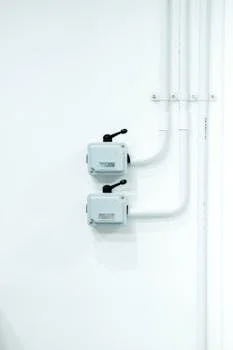
Understanding the technical specifications of package STPs is crucial for ensuring compatibility with site constraints and operational needs. The fully automated underground package wastewater treatment plant for 1–80 m³/h (WSZ Series) offers advanced PLC control, virtually eliminating the need for constant operator intervention. This automation ensures consistent performance and reduces the risk of human error, leading to more reliable effluent quality. Its compact design is a significant advantage in space-limited industrial parks; a 10 m³/h unit can have a footprint as small as 4m x 2m, allowing for burial beneath landscaping or even trailer mounting for temporary installations. The effluent quality consistently meets Central Pollution Control Board (CPCB) standards, typically achieving BOD levels ≤20 mg/L, TSS ≤30 mg/L, and COD ≤100 mg/L.
| Parameter | Typical Value (CPCB Standards) | WSZ Series (1-80 m³/h) | Notes |
|---|---|---|---|
| Flow Rate | N/A | 1–80 m³/h | Scalable modular design, adaptable to varying demands |
| Biochemical Oxygen Demand (BOD) | ≤ 20 mg/L | ≤ 20 mg/L | Meets stringent discharge norms for surface water bodies |
| Total Suspended Solids (TSS) | ≤ 30 mg/L | ≤ 30 mg/L | Ensures clear effluent, reducing visual pollution and impact on aquatic life |
| Chemical Oxygen Demand (COD) | ≤ 100 mg/L | ≤ 100 mg/L | Indicator of overall organic pollution, crucial for compliance |
| Footprint (10 m³/h unit) | Varies based on technology | Approx. 4m x 2m | Compact, suitable for underground installation, maximizing land use |
| Automation | N/A | Full PLC Control | Minimal operator requirement, remote monitoring capabilities, optimized performance |
Cost Analysis: What You’ll Pay for a Package STP in Telangana
When budgeting for a package wastewater treatment plant in Telangana, consider both the initial capital expenditure (CAPEX) and the ongoing operational expenditure (OPEX). The base equipment cost for a compact sewage treatment unit can range from approximately ₹40,000 for smaller FRP units (1–5 m³/h) to upwards of ₹5,00,000 for larger, more advanced 50+ m³/h MBR systems. Beyond the equipment price, installation and necessary civil works typically add an additional 15–20% to the total CAPEX. Operational costs are a significant factor in the long-term financial planning for any facility. For A/O systems, OPEX typically falls between ₹8–12 per kiloliter (kL), covering energy consumption for aeration and pumping, routine maintenance of mechanical components, and consumables like sludge treatment chemicals.
| Capacity Range (m³/h) | Technology Type | Estimated CAPEX (Equipment Only) | Estimated OPEX (₹/kL) | Link |
|---|---|---|---|---|
| 1–5 | FRP (Basic A/O) | ₹40,000 – ₹1,20,000 | ₹8–10 | Compact Sewage Treatment Unit Cost |
| 10–30 | Underground/Modular (A/O or advanced biological) | ₹1,50,000 – ₹3,50,000 | ₹9–13 | Underground Package STP |
| 30–80+ | MBR/Advanced Tertiary Treatment | ₹3,50,000 – ₹5,00,000+ | ₹14–18 | MBR System |
How to Choose the Right Supplier in Hyderabad
Selecting a reliable package STP supplier in Hyderabad requires thorough due diligence. Verifying a supplier's Goods and Services Tax (GST) registration ensures legitimacy and adherence to regulatory frameworks. Request evidence of past installations within Telangana's industrial zones; this demonstrates their understanding of local site conditions and regulatory nuances. Reviewing case studies and speaking with existing clients provides insights into the supplier's track record and the performance of their systems. To validate effluent quality claims, insist on receiving independent, third-party test reports that confirm compliance with TSPCB standards. A robust after-sales support plan is vital.
Frequently Asked Questions
- What is the cost of a 10 m³/day package STP in Telangana? Expect an investment of approximately ₹1.8–₹2.4 lakh.
- Which technology is best for hotel wastewater in Hyderabad? For hotels, A/O-based systems are often the most cost-effective solution.
- Can package STPs handle industrial effluent from textile units? Yes, textile effluent often requires a combination of technologies.
- Are underground STPs compliant with TSPCB norms? Yes, underground STPs are compliant with TSPCB norms provided they are designed and installed to meet relevant Indian Standards.
- How much space does a 50 m³/day plant require? A 50 m³/day plant typically requires a footprint of around 6m x 3m.
Further Reading
Explore these in-depth articles on related wastewater treatment topics: