What Is a Package Wastewater Treatment Plant?
A package wastewater treatment plant is a pre-fabricated, modular system designed for rapid deployment, typically handling 1–80 m³/h. These self-contained units integrate primary, secondary, and tertiary treatment stages within a single skid or a buried structure, significantly reducing or eliminating the need for extensive civil works. This makes them particularly well-suited for decentralized applications in Uttarakhand, such as hill stations, remote resorts, small towns, and industrial parks where land availability and existing infrastructure are often limited. Package plants come in various modular configurations, including containerized units for quick relocation, underground tanks that minimize visual impact and conserve surface area, and even trailer-mounted options for temporary or mobile treatment needs.
Why Uttarakhand Needs Compact Wastewater Solutions
Uttarakhand's unique geography, with approximately 70% of its landmass being mountainous, presents significant challenges for conventional wastewater infrastructure. The limited flat terrain restricts the space available for large, traditional Sewage Treatment Plants (STPs). Compact, packaged systems offer a crucial advantage by reducing the treatment footprint by up to 60%, making them ideal for deployment in densely populated or geographically constrained areas. the Central Pollution Control Board (CPCB) and the Uttarakhand Pollution Control Board (UPPCB) mandate strict effluent quality standards for discharge into the region's vital river systems, including the Ganga basin. These norms typically require BOD levels below 30 mg/L, COD below 250 mg/L, and Total Suspended Solids (TSS) below 100 mg/L. Tourism hubs like Mussoorie, Nainital, and Rishikesh often experience seasonal fluctuations in wastewater generation, necessitating flexible and scalable treatment solutions that packaged plants readily provide. The environmental sensitivity of river basins like the Alaknanda and Bhagirathi basins also drives the need for advanced treatment or even zero-discharge/reuse-ready systems, a capability that many modern packaged plants offer.
Package Plant Technologies Compared: A/O, MBR, SBR, and DAF

Selecting the appropriate treatment technology is paramount for effective and compliant wastewater management in Uttarakhand. Packaged plants offer several proven processes, each with distinct advantages:
A/O (Anoxic/Aerobic) Process: This biological treatment method is highly effective for removing organic pollutants. It utilizes a two-stage biological process: an anoxic stage for denitrification and an aerobic stage for carbonaceous BOD removal. A/O systems typically achieve 85–90% BOD removal and are a cost-effective solution for residential communities, small towns, and general domestic wastewater. Its robustness makes it suitable for varying influent conditions.
MBR (Membrane Bioreactor): MBR technology combines biological treatment with membrane filtration, achieving exceptionally high effluent quality. It consistently removes over 95% of BOD and TSS, producing treated water that is often suitable for reuse in non-potable applications like irrigation or industrial cooling. MBR plants are also significantly more compact than conventional systems, requiring up to 40% less space, which is a critical advantage in Uttarakhand's limited land areas.
SBR (Sequencing Batch Reactor): SBR systems operate in a batch mode, allowing for flexibility in treatment cycles and the ability to handle variable influent flow rates and compositions. This makes them an excellent choice for facilities with fluctuating loads, such as hotels, resorts, and educational institutions, particularly in tourist destinations. The batch operation allows for optimized treatment based on real-time conditions.
DAF (Dissolved Air Flotation): DAF technology is specifically designed for the efficient removal of suspended solids, oils, greases, and FOG (Fats, Oils, and Grease). It is indispensable for treating industrial effluents from sectors like food processing, dairy, and slaughterhouses, where high concentrations of these contaminants are common. DAF systems can achieve 92–97% removal of these pollutants, preparing wastewater for further treatment or safe discharge.
| Technology | Primary Application | BOD Removal (%) | TSS Removal (%) | Footprint Advantage | Key Feature |
|---|---|---|---|---|---|
| A/O (Anoxic/Aerobic) | Domestic Sewage, Small Communities | 85–90 | 80–85 | Standard | Cost-effective, robust |
| MBR (Membrane Bioreactor) | High-Quality Effluent, Reuse, Space-Constrained | >95 | >95 | Up to 40% smaller | Reuse-quality water, compact |
| SBR (Sequencing Batch Reactor) | Variable Loads (Hotels, Resorts) | 90–95 | 90–95 | Adaptable | Flexible, handles load fluctuations |
| DAF (Dissolved Air Flotation) | Industrial Effluent (FOG, Solids) | N/A (Primary removal) | 92–97 | Standard | Effective for FOG and suspended solids |
Technical Specifications and Performance Metrics
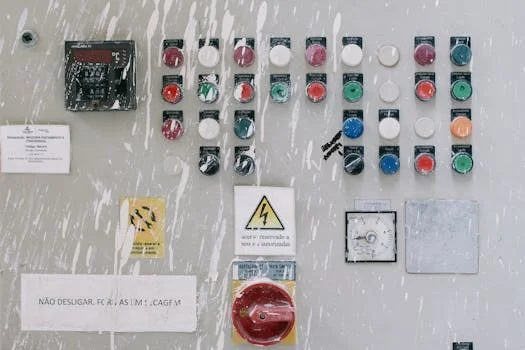
When evaluating package wastewater treatment plants, understanding their technical specifications and performance metrics is crucial for ensuring they meet project requirements. Standard package plants typically handle flow rates ranging from 1 to 80 m³/h, with larger capacities achievable by installing multiple units in parallel. Effluent quality is a primary concern; for instance, A/O systems can achieve BOD levels of 20–30 mg/L, while advanced MBR systems can consistently reduce BOD to below 10 mg/L, both readily meeting CPCB norms. The physical footprint is a significant differentiator; a fully automated underground package sewage treatment plant from our WSZ series, for example, can treat 10 m³/h with a footprint as small as 4m x 2m, drastically reducing land acquisition needs. Modern package plants are increasingly equipped with advanced automation, featuring fully PLC-controlled operations that minimize the need for constant on-site operator presence. Remote monitoring capabilities further enhance operational efficiency and allow for proactive maintenance and troubleshooting.
| Parameter | Typical Range/Value | Notes |
|---|---|---|
| Flow Rate Capacity | 1–80 m³/h (per unit) | Scalable with parallel units |
| BOD Removal Efficiency | 85–97% (depending on technology) | MBR >95%, A/O 85-90% |
| TSS Removal Efficiency | 80–97% (depending on technology) | MBR >95%, DAF 92-97% |
| Footprint (Example: 10 m³/h A/O) | Approx. 8m x 5m | Excludes buffer zones |
| Footprint (Example: 10 m³/h MBR) | Approx. 4m x 2m | Significantly reduced |
| Automation Level | Fully PLC Controlled | Minimal operator intervention required |
| Power Consumption | Varies by technology and load | MBR generally higher due to aeration and pumping |
| Materials of Construction | Stainless Steel, FRP, Mild Steel (coated) | Selected for durability and corrosion resistance |
Cost Analysis and ROI for Packaged Plants in Uttarakhand
The initial investment for package wastewater treatment plants in Uttarakhand typically ranges from ₹15 to ₹75 lakh for systems with capacities between 5 and 50 m³/h, based on 2025 estimates. While MBR systems generally carry a 30–40% higher upfront cost compared to A/O systems, this premium is often offset by significant long-term savings. The reduced footprint of MBR plants can lead to lower land acquisition or rental costs, and their superior effluent quality opens avenues for water reuse, which can substantially reduce freshwater consumption and operational expenses. For hotels or industries where water reuse is feasible, the return on investment (ROI) can be realized within 3–5 years. Operational expenditure (OPEX) estimates are also critical; for A/O systems, OPEX is typically around ₹8–12/m³, encompassing power, maintenance, and consumables. MBR systems, while slightly higher at ₹10–15/m³, offer a compelling value proposition when considering the benefits of water reuse and reduced land requirements. Comparative international cost and spec benchmarks for packaged plants can provide further context for these figures.
| Capacity (m³/h) | Technology Type | Estimated Capital Cost (₹ Lakhs) | Estimated OPEX (₹/m³) | Potential ROI Period (Years) |
|---|---|---|---|---|
| 5–10 | A/O | 15–25 | 8–10 | N/A (typically long-term savings) |
| 5–10 | MBR | 22–35 | 10–12 | 3–5 (with water reuse) |
| 20–30 | A/O | 30–50 | 9–11 | N/A |
| 20–30 | MBR | 45–65 | 12–14 | 3–5 (with water reuse) |
| 40–50 | A/O | 50–75 | 10–12 | N/A |
| 40–50 | MBR | 70–100+ | 13–15 | 3–5 (with water reuse) |
How to Choose the Right Supplier in Uttarakhand
Selecting a reputable supplier for package wastewater treatment plants in Uttarakhand requires careful due diligence. Prioritize vendors with demonstrable experience in installing systems in hill terrain, as these environments present unique challenges such as slope adaptation, seismic considerations, and potential frost protection needs. Always request and verify CPCB/UPPCB compliance certificates and any available third-party performance test reports to ensure the proposed system meets regulatory standards. Crucially, assess the supplier's commitment to ongoing operation and maintenance (O&M) support. This includes the availability of remote diagnostics, prompt technical assistance, and a reliable local supply chain for spare parts, ideally with warehousing in accessible hubs like Dehradun or Haridwar. The supplier's manufacturing and supply chain approach—whether it involves local assembly or reliance on imported components—can significantly impact costs, lead times, and the availability of after-sales service. A detailed MBR cost and performance analysis for Indian conditions can help in comparing offers.
Frequently Asked Questions
What is the cost of a 10 m³/day package STP in Uttarakhand? The estimated cost for a 10 m³/day package Sewage Treatment Plant (STP) in Uttarakhand typically ranges from ₹18–22 lakh for an A/O system and ₹28–32 lakh for an MBR system.
Can packaged plants handle hotel wastewater in Mussoorie? Yes, packaged plants are well-suited for hotel wastewater, especially in locations like Mussoorie. Technologies like SBR or MBR are particularly recommended due to their ability to handle variable load conditions common in the hospitality sector and their potential for water reuse, which is increasingly important.
How much space does a 50 m³/h system require? A 50 m³/h MBR system typically requires a footprint of approximately 6m x 4m, while a comparable A/O system might need around 8m x 5m. These compact dimensions allow for installation in spaces like rooftops or basements.
Are there subsidies for STPs in Uttarakhand? Yes, various central government schemes like Namami Gange, as well as state-level initiatives through the Uttarakhand Pollution Control Board, often provide subsidies or financial assistance for the installation of STPs, particularly for tourism-related projects and municipal applications.
What maintenance does a packaged plant need? Routine maintenance for packaged plants generally includes monthly operational checks, quarterly desludging of solids, and annual inspections. For MBR systems, periodic membrane cleaning (e.g., quarterly or semi-annually, depending on usage) is also a critical maintenance task.
Related Equipment
- fully automated underground package sewage treatment plant — view specifications, capacity range, and technical data
- high-efficiency MBR system for reuse-quality effluent — view specifications, capacity range, and technical data
Need a customized solution? Request a free quote with your specific flow rate and pollutant parameters.