Compact sewage treatment unit cost price runs $5,000–$180,000 for packaged units rated 5–1,000 m³/day, set by process train, discharge class, and site scope. Factory-direct A/O packages start near $8,500 for a 5 m³/day duty. Separate equipment price from civil, freight, and commissioning adders.
Compact Sewage Treatment Unit Cost Price
Compact sewage treatment unit cost price for packaged biological plants rated 5–1,000 m³/day usually falls between $5,000 and $180,000 ex-works. A 5 m³/day A/O skid often starts near $8,500. Unit rates commonly run $1,200–$2,000 per m³/day at 5–50 m³/day, and about $800–$1,300 per m³/day at 50–200 m³/day. Discharge class and site scope sit outside that equipment band.
Scope the comparison on ex-works equipment first, then add freight, civil works, and commissioning as separate lines. Buyers comparing compact sewage treatment options should judge vendors on that split, not on a lump sum. A bid that mixes those lines into one number cannot be checked against the unit rates above.
What Drives Small Sewage Treatment Plant Cost?
Small sewage treatment plant cost is set by process type, daily capacity in m³/day, and the effluent limit the permit actually names. Packaged units at 5–50 m³/day commonly price at $1,200–$2,000 per m³/day. At 50–200 m³/day, scale often lowers that to about $800–$1,300 per m³/day. Class I A (GB 18918-2002) typically adds 15–25% versus basic secondary treatment, and customization can add another 10–30%.
According to 40 CFR 133.102, U.S. secondary treatment still requires a 30-day average not exceeding 30 mg/L BOD5 and 30 mg/L TSS, with at least 85% removal and pH held between 6.0 and 9.0. The same section caps the 7-day average at 45 mg/L BOD5 and 45 mg/L suspended solids. Where the permit writer allows CBOD5 in place of BOD5 under 133.102(a)(4), the 30-day average shall not exceed 25 mg/L and the 7-day average shall not exceed 40 mg/L, still with 85% removal. Most plants we size for camps and light industry run toward the lower capacity band first, then step up only when peak-day data justify it.
Packaged Sewage Treatment Plant Price per m3
Packaged sewage treatment plant price per m3 of daily capacity is the unit rate that makes two quotes comparable. Plants at 5–50 m³/day commonly price at $1,200–$2,000 per m³/day. Plants at 50–200 m³/day often land at $800–$1,300 per m³/day under a similar discharge rule. Most plants we size in that middle band lose the unit-rate saving if Class I A or odd materials return as change orders.
What is the packaged price per m3?
The packaged price per m3 is the equipment quote divided by design flow in m³/day, stated at a named discharge class. Use $1,200–$2,000 per m³/day as the 5–50 m³/day check, and $800–$1,300 per m³/day on 50–200 m³/day units. Membrane bioreactor trains generally cost 30–50% more per m³/day than anoxic/aerobic trains because of membranes and air scour. Ask which flow, average or peak, sits in the denominator before you rank the bids.
What Determines the True Cost of a Packaged Unit?
True project cost for a packaged sewage plant exceeds the ex-works equipment quote. Factory-direct A/O packages such as the Underground Package Sewage Treatment Plant (WSZ Series) are the usual baseline, and membrane bioreactor (MBR) trains generally cost 30–50% more per m³/day than anoxic/aerobic (A/O) trains because of membranes and air scour. Small 5–50 m³/day skids sit at $1,200–$2,000 per m³/day, while 50–200 m³/day units often land at $800–$1,300 per m³/day under similar discharge rules. Most plants we size treat the ex-works number as a floor, not as the contract sum.
Discharge class moves both CAPEX and OPEX. Designs aimed at Class I A (GB 18918-2002) need tighter nutrient and solids control and often raise equipment cost 15–25% versus basic secondary duty. Corrosion-resistant materials, advanced controls, or unusual footprints can add 10–30% to the base package. For regional CAPEX structure examples outside this guide, see compact wastewater treatment unit component costs solar pump uv esp32 kazakhstan pricing.
Sewage Treatment Technologies Compared: Cost vs Performance
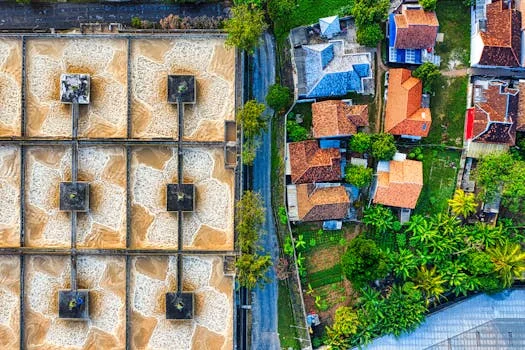
A/O, MBR, SBR, and MBBR set different balances of purchase price, effluent quality, and energy. A/O packages for 5–80 m³/day typically quote $8,500–$60,000 and routinely remove over 85% COD and 90% BOD on domestic-strength feed. MBR units for 10–200 m³/day commonly quote $18,000–$150,000 and can hold turbidity below 1 NTU, at higher power and membrane replacement cost. An integrated MBR system for high-efficiency compact treatment is the usual pick when reuse or a very small footprint is mandatory.
SBR systems for 10–800 m³/day often price at $10,000–$100,000 and suit nitrogen control when cycle timing is reliable. MBBR packages for 10–1,000 m³/day typically sit at $12,000–$140,000 and tolerate shock loads with low sludge yield. Buyers comparing UK-style package treatment plant cost benchmarks should still normalize for currency, freight, and local discharge codes before judging a factory quote. Most plants we size keep one process family per bid set so the table stays a fair comparison.
| Technology | Capacity Range (m³/day) | Approximate Price Range (USD) | Key Benefits | Considerations |
|---|---|---|---|---|
| A/O (Anoxic/Aerobic) | 5–80 | $8,500 – $60,000 | Cost-effective, high BOD/COD removal, compact | Standard effluent quality |
| MBR (Membrane Bioreactor) | 10–200 | $18,000 – $150,000 | Superior effluent quality (<1 NTU), very compact footprint | Higher energy consumption, membrane replacement costs |
| SBR (Sequencing Batch Reactor) | 10–800 | $10,000 – $100,000 | Flexible operation, good nitrogen removal | Requires precise control and timing |
| MBBR (Moving Bed Biofilm Reactor) | 10–1,000 | $12,000 – $140,000 | High load tolerance, low sludge yield, robust | May require pre-treatment for some pollutants |
The secondary floor quoted above is not the only tier in the rule. Packaged A/O, MBR, SBR, and MBBR trains are not that pond or filter case, so most bids we review still price against the 30 mg/L secondary floor.
Secondary treatment itself, as the standard references describe it, is the stage designed to remove dissolved and suspended organic material after primary settling, which is why the BOD5 and TSS numbers carry the permit weight. Percent removal under the secondary rule compares 30-day average influent against 30-day average effluent. A package plant quoted at 30 mg/L without the influent basis behind it is only half a permit argument.
Factory Direct Packaged Wastewater Treatment Quote 2026
A factory direct packaged wastewater treatment quote 2026 for common 5–200 m³/day duties most often lands between about $8,500 and $150,000. A 5 m³/day A/O skid such as HydropureWater WSZ-5 is typically near $8,500 with submersible feed pumps, PLC automation, buried HDPE tankage, and UV disinfection. A 20 m³/day MBR unit, for example MBR-20, is often near $38,000 with PVDF membranes, air scour, automatic backwash, and a stainless frame. Those figures are ex-works examples from 2025–2026 procurement cycles, not a published tariff.
A 50 m³/day MBBR aimed at variable industrial loads is commonly quoted near $68,000, including carriers, blowers, clarifier, and chemical dosing. Those figures usually exclude freight, installation, and commissioning, which add about 12–18% on international jobs. Prefabricated wet infrastructure can cut civil time; see the prefabricated versus traditional pump station cost comparison when lift stations sit on the same plot. Most plants we quote see the cost of sewage treatment plant move more from that site split than from a quiet list-price change.
Keep the same unit prices as your baseline when vendors refresh catalogs. Change orders more often come from discharge class, material upgrades, and site work than from quiet list-price drift. Always request a line-item split for equipment, freight, install, and commissioning so the sewage treatment plant cost is comparable across bids. The cost of sewage treatment plants on two continents is not comparable until currency, freight, and the discharge code are normalized.
What should a 2026 factory quote include?
A 2026 factory quote should split equipment, freight, installation, and commissioning on one sheet. International jobs in this band often add about 12–18% for freight and setup, while hidden site work often adds 15–20% beyond the ex-works quote. State the design flow in m³/day, the discharge class, and whether UV, dosing, and the clarifier are inside the price. Most plants we price get a usable comparison only after that split is in writing.
Small Sewage Treatment Plant Total Cost Ownership
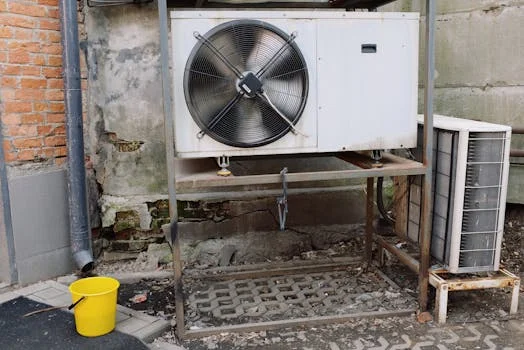
Small sewage treatment plant total cost ownership decides whether a low sticker price stays cheap after five years. A/O packages typically draw about 0.6–0.8 kWh/m³ treated, while MBR trains often need 1.1–1.5 kWh/m³ because of membrane aeration and scour. MBR cleaning every 3–6 months can cost roughly $500–$1,200 per service, and membrane replacement every 5–7 years commonly runs $8,000–$15,000. Energy and membrane life, not the nameplate, set the low running cost sewage treatment case.
Sludge handling also shifts the ledger. A/O systems often yield about 0.3–0.5 kg dry sludge/m³ versus roughly 0.1–0.2 kg/m³ on MBR, so dewatering and haul-away favor membranes when disposal fees are high. Full automation can remove a dedicated operator and save about $25,000–$40,000 per year in labor on many remote sites. Most plants we size on remote camps find that labor line larger than the power line after year two.
What Affects DAF Unit Purchase Price?
DAF unit purchase price is driven by flotation area, recycle ratio, air-saturation pressure, and materials, not by the biological package sticker alone. On oily or high-FOG industrial feeds, a dissolved air flotation stage is often quoted as a separate pretreatment line item ahead of A/O, MBBR, or MBR. Most plants we size keep DAF CAPEX out of the biological package so bids stay comparable. Leaving flotation inside one vendor's lump sum and outside another's makes the sewage treatment plant cost look random.
Expect DAF scope to rise when influent oil and grease or fine solids would foul downstream biomass or membranes. Pairing DAF with a packaged plant can raise total project CAPEX, yet it may protect membrane life and stabilize sludge yield. Ask vendors to state whether flotation, chemical dosing, and sludge thickening sit inside or outside the base sewage treatment plant cost. A line that is silent on oil and grease is not a complete pretreatment scope.
How to Choose the Right Unit for Your Budget
Budget fit is decided by matching process and site scope before chasing the lowest line item. Use this checklist on every bid set. Most plants we screen fail the bid on a missing discharge class, not on a missing blower model.
- Remote or residential sites with steady, lower flow: favor A/O for lowest CAPEX and OPEX on secondary duty.
- Space-limited plots or reuse goals: select MBR when turbidity below 1 NTU and footprint savings justify energy and membrane cost.
- Industrial shock loads: prefer MBBR or SBR for resilience under variable influent.
- Fast install targets: specify factory-assembled, skid-mounted units; civil and install duration often drop 40–60% versus cast-in-place trains.
- Confirm discharge class early (for example Class I A or EPA secondary 30 mg/L BOD5/TSS) so process upgrades are not late change orders.
- Require a TCO sheet covering kWh/m³, sludge kg/m³, membrane or media life, and labor assumptions.
- Split freight, install, and commissioning; hidden site work often adds 15–20% beyond the ex-works quote.
Who This Is For and Next Step
Plant engineers, EPC buyers, and procurement teams sizing packaged plants from about 5 to 200 m³/day are the readers of this cost guide. Look elsewhere if you need a multi-MLD municipal works or a full industrial zero-liquid-discharge flowsheet. When you have flow, COD/BOD, and the discharge limit, request a factory quote with those numbers so capacity and process selection stay aligned. A quote without those three inputs is a catalog price, not a design.
Frequently Asked Questions
How much does a 10 m³/day compact sewage treatment unit cost?
Factory-direct A/O units for 10 m³/day typically start around $11,000 for standard secondary duty. Integrated MBR versions for the same hydraulic rating usually begin near $22,000 and rise with membrane type, frame materials, and automation depth. Freight, civil works, and commissioning still sit outside those ex-works figures on most international orders. Scale the check against $1,200–$2,000 per m³/day before treating either number as a full project budget.
What is the cheapest compact sewage treatment system?
A/O-based package plants are usually the lowest-cost route for basic secondary treatment on stable domestic-strength sewage. They combine a lower equipment price with about 0.6–0.8 kWh/m³ energy use and simpler maintenance than MBR. Choose MBR or MBBR instead when reuse quality, footprint, or shock-load tolerance outweighs the CAPEX gap. On a steady camp at secondary limits, most plants we size start with A/O and leave membranes for a reuse spec.
Do compact units meet discharge standards?
Yes. Packaged A/O and MBR units can meet Class I A (GB 18918-2002) and U.S. EPA secondary levels when the train matches the permit. Under 40 CFR 133.102, secondary treatment still means 30-day averages not above 30 mg/L BOD5 and 30 mg/L TSS with at least 85% removal. The 7-day average in that section shall not exceed 45 mg/L BOD5 or suspended solids. Always size on measured influent and the local limit, not on a catalog capacity alone.
Are there hidden costs in compact STP pricing?
Yes, shipping and site work are the usual hidden costs on a packaged plant. Shipping, excavation or pads, electrical hookups, and commissioning commonly add about 15–20% beyond the equipment quote, and international freight plus setup often lands in a 12–18% band. Membrane cleaning, media top-up, and sludge disposal appear later in OPEX and should be written into the TCO sheet before award. Most buyers we support add both percent bands before they rank vendors.
How long do compact sewage treatment units last?
With routine maintenance and operation inside design loads, most packaged plants last about 15–20 years for tanks, blowers, and structural steel. MBR membranes still need replacement about every 5–7 years because of fouling and wear, at typical costs of $8,000–$15,000 per changeout on mid-size skids. Budget those cycles when you compare a low running cost sewage treatment option against a cheaper A/O bid. A tank life of 15–20 years does not mean the membrane or the blower lasts that long.