Common Symptoms of Buried Wastewater System Failure
Effluent turbidity, characterized by suspended solids exceeding 30 mg/L, consistently indicates a malfunction within the clarifier or settling zone of a buried wastewater treatment system. Understanding these common symptoms is the first step in diagnosing and rectifying performance issues in engineered buried systems. Unlike simple residential septic tanks, these sophisticated systems rely on precise mechanical and biological processes, making symptom identification critical for targeted troubleshooting. * **Effluent Turbidity or Floating Solids:** The presence of cloudy discharge, suspended particles, or visible floating solids in the final effluent stream signals a breakdown in the secondary treatment or clarification process. This can stem from clarifier overflow, inefficient settling due to sludge bulking, or inadequate biological floc formation. For compliant discharge, total suspended solids (TSS) should typically remain below 20 mg/L. * **Frequent Pump Cycling or High Liquid Levels:** An observed increase in pump activation frequency or consistently high liquid levels within the equalization or pump sumps suggests a hydraulic issue. This can be due to a failed discharge pump, a clogged suction intake, or a downstream blockage in the effluent distribution lines. Early detection of frequent pump cycling can prevent pump burnout and system backups, which are common underground sewage treatment problems. * **Odors Near Vent or Inspection Points:** Persistent foul odors, often described as rotten eggs or sewage, indicate anaerobic conditions or a collapse of the aerobic biofilm. This typically points to an overloading of organic material, insufficient aeration, or a toxic shock load that has inhibited beneficial bacteria. Such odors are a strong sign of wastewater plant malfunction and require immediate attention to prevent further biological degradation. * **Alarms on Control Panel:** Automated buried wastewater treatment systems, such as HydropureWater’s WSZ series, integrate sophisticated control panels that provide real-time failure signals. High-level alarms, low dissolved oxygen (DO) warnings, or motor overload alerts from aerators or pumps offer immediate, actionable insights into specific component failures or process deviations. These automated wastewater system errors are invaluable for rapid diagnosis. * **Surface Pooling or Wet Spots Over Drain Field:** Visible pooling of water or consistently wet, lush spots over the absorption or drain field areas implies hydraulic overload or a blockage within the distribution lines. This symptom, while more common in conventional septic systems, can also occur in engineered buried systems if the tertiary treatment or effluent dispersal components are compromised by root intrusion or soil saturation.Root Cause Diagnosis: Mechanical vs Biological Failures
| Parameter | Optimal Range (Engineered Systems) | Malfunction Indicator | Root Cause Implications |
|---|---|---|---|
| Effluent TSS | <20 mg/L | >30 mg/L | Clarifier/settling issues, sludge bulking, hydraulic overload |
| Effluent COD | 50-100 mg/L | >150 mg/L (or <80% removal) | Biological imbalance, toxic shock, low F/M ratio |
| Aerobic Zone DO | 2-4 mg/L | <2 mg/L | Clogged diffusers, blower failure, high organic load |
| Sludge Blanket Depth | <25% of settling tank volume | >30% of tank volume | Insufficient sludge wasting, over-aeration, hydraulic overload |
| Pump Amp Draw | Within manufacturer specs | High/Low (out of spec) | Seized motor, clogged impeller, electrical fault |
| pH | 6.5-8.5 | Outside range | Toxic shock, chemical spill, inhibited biological activity |
7 Data-Backed Fixes for Critical System Issues
Addressing critical failures in engineered buried wastewater systems requires a systematic approach, with resolving aeration system blockages often yielding the quickest restoration of effluent quality. These fixes are prioritized for common industrial and commercial buried wastewater treatment system issues, providing a clear action plan to restore compliance and operational efficiency.- Fix 1: Unclog Aeration System. Clogged diffusers are a primary cause of low DO and biological failure in many systems. Backflush diffusers with compressed air to clear blockages. If a pressure drop across the aeration grid exceeds 10 kPa (a standard deviation for optimal performance in systems like the WSZ series), consider replacing the diffusers. Regular cleaning prevents this common wastewater plant malfunction.
- Fix 2: Replace Failed Submersible Pump. A failed submersible pump can quickly lead to system backup and hydraulic overload. After confirming pump failure through amp draw analysis and float switch testing, replace the unit. Ensure the new pump’s head pressure (typically 8–12 m for effluent discharge) and flow rate (e.g., 10–80 m³/h for various WSZ units) precisely match the system’s design specifications to prevent future buried septic system repair issues.
- Fix 3: Restore Biofilm. If COD removal consistently drops below 80% and pH or temperature are within optimal ranges (6.5-8.5 and 10-35°C respectively), the biological population may be compromised. Introduce commercial bioaugmentation cultures to re-establish a healthy biofilm. This accelerates recovery from toxic shock loads or prolonged underloading, quickly improving effluent quality troubleshooting.
- Fix 4: Clear Clogged Effluent Filter or UV Chamber. Post-treatment components like effluent filters and UV disinfection chambers can become clogged with solids or scaled with mineral deposits, reducing efficiency. Inspect these components every three months. If scaling is present, clean with a 5% citric acid solution. Regular inspection prevents reduced disinfection efficacy and potential backups.
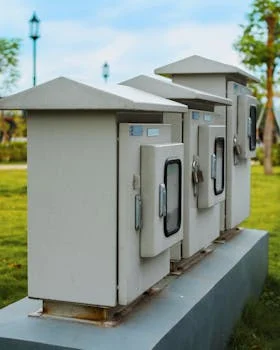
- Fix 5: Reset Control Panel Alarms. Following power outages, electrical storms, or minor sensor anomalies, control panel alarms may trigger false positives or persist after the underlying issue is resolved. Verify the main power supply, recalibrate affected sensors, and check the Programmable Logic Controller (PLC) logic for errors. Refer to the system's operational manual for specific alarm reset procedures, especially for a fully automated buried wastewater treatment system.
- Fix 6: Desludge Tank if Solids Exceed 30% of Volume. Excessive sludge buildup in the primary or secondary settling tanks reduces effective treatment volume and can lead to sludge carryover into the effluent. Use a sludge judge to measure the sludge blanket depth; if it exceeds 30% of the tank volume, schedule a pump-out. Annual desludging or as indicated by sludge judge readings is critical for maintaining system efficiency and preventing sludge buildup in tank issues.
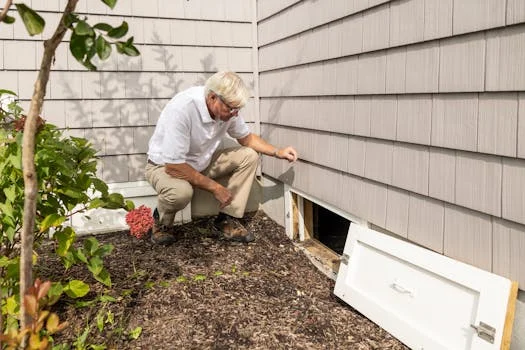
- Fix 7: Repair Damaged Inlet Pipe or Distribution Box. External factors like ground movement, heavy vehicle traffic, or tree root intrusion can damage buried inlet pipes or effluent distribution boxes, leading to leaks or blockages. Employ CCTV inspection to accurately locate cracks, root intrusions, or structural compromises. Prompt repair prevents costly ground contamination and ensures proper hydraulic flow.
Preventive Maintenance for Long-Term Reliability
Frequently Asked Questions
Addressing common questions about buried wastewater system failures clarifies immediate actions and long-term implications for operators and property managers.- How do you reset a septic aerator? To reset an aerator, first turn off the power at the circuit breaker. Check for any visible error codes or mechanical obstructions, clean the air intake filter, and then restart the system. If an alarm persists, consult the manufacturer's manual for specific troubleshooting steps.
- Can you live in a house with a failed septic system? Only temporarily; health risks from exposure to untreated sewage and potential regulatory violations make long-term occupancy unsafe and illegal in many jurisdictions.
- What causes a buried system to back up? Common causes for buried wastewater treatment system backups include a clogged drain field, a failed effluent pump, excessive water usage exceeding design capacity, or tree root intrusion into pipes.
- How much does it cost to repair a failed buried system? Minor repairs, such as pump replacement or diffuser cleaning, typically cost $500–$2,000. Full system replacement, depending on capacity and complexity, can range from $10,000 to $30,000 or more.
- Is a foul odor a sign of system failure? Yes—a persistent foul odor, especially a rotten egg smell (hydrogen sulfide), indicates anaerobic conditions, a blocked vent pipe, or a leaking tank, all of which are signs of system malfunction.
Related Equipment

The following HydropureWater products are engineered for the wastewater challenges discussed above:
- fully automated buried wastewater treatment system — view specifications, capacity range, and technical data
Need a customized solution? Request a free quote with your specific flow rate and pollutant parameters.