Common Symptoms in Clinic Wastewater Systems
Visual and olfactory signs of system distress signal the need for prompt action. Compact medical wastewater systems exhibit distinct symptoms due to unique clinic waste streams.
Cloudy or gray effluent indicates poor settling in the clarifier or a disinfection failure. This is a common compliance failure point in low-flow clinics, where intermittent surges of water can wash out biological solids before they have time to settle, particularly in facilities with inconsistent patient scheduling.
Foaming or suds on the surface of aeration or clarification tanks suggest a detergent or surfactant overload, often stemming from aggressive cleaning protocols in dental operatories or surgical suites where high-strength disinfectants are used. The foam can reduce oxygen transfer efficiency and indicate an imbalance in the microbial community.
A persistent rotten egg odor (hydrogen sulfide) points to anaerobic conditions developing in the clarifier or piping, occurring when sludge is allowed to sit for too long without adequate mixing or aeration, often due to an undersized air blower or clogged diffusers. This corrosive gas can damage concrete and metal components over time.
Floating sludge or white grease balls directly indicate Fats, Oils, and Grease (FOG) or hair buildup, a common issue from improper disposal of sterilization tray contents, dental lab waste, or animal fur in veterinary settings, which can coat and buoy settled solids, leading to clarifier inefficiency and potential discharge violations.
Root Causes of Treatment Failure in Medical Facilities
Underlying operational patterns specific to clinics contribute to treatment failure, and generic industrial guides often miss these nuances. The compact, automated nature of certain systems makes them particularly sensitive to these disruptions. Understanding these root causes is essential for effective troubleshooting.
Intermittent flow patterns are a primary destabilizer, with clinics experiencing peak flows during business hours followed by zero flow overnight. This start-stop operation disrupts the stability of the biofilm in Anoxic/Oxic (A/O) systems, leading to poor BOD and nitrogen removal as microbes die off during stagnant periods without a consistent food source.
Pharmaceutical residues, including antibiotics, analgesics, and iodine-based contrast agents, can inhibit microbial activity. Even trace amounts can be toxic to the bacteria responsible for breaking down organic matter, especially in systems without equalization tanks to dilute and buffer these shock loads, a critical concern for oncology or radiology departments.
For systems using ozone, residual hydrogen peroxide or quaternary ammonia from surface disinfectants is a critical failure point, acting as ozone scavengers and deactivating the disinfectant before it can achieve the required 4-log (99.99%) pathogen kill, leading directly to effluent compliance violations and potential regulatory action.
Physical clogging from hair, gauze, and cotton swabs is a pervasive mechanical issue, as these materials bypass standard sink baskets, clog fine screens, and wrap around submersible pump impellers, causing motor burnout and requiring costly repairs and downtime. Robust screening with perforations less than 2mm is essential for clinics.
Step-by-Step Diagnostic Checklist
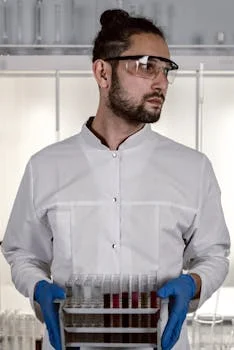
A systematic, five-step procedure can diagnose the root of a clinic's wastewater issue. Always prioritize safety and lock-out/tag-out procedures before inspection to prevent accidents.
Step 1: Inspect the aeration chamber. The mixed liquor should be a uniform 'chocolate milk' brown color. If the water appears blue or gray, this indicates heavy detergent or chemical overuse, inhibiting biological treatment. Also, listen for irregular sounds from the blower.
Step 2: Dip clarifier effluent in a clear glass. View the sample against a white background. Any visible turbidity or cloudiness means solids are carrying over from the clarifier into the disinfection stage, consuming disinfectant and causing failure. Let the sample sit for 30 minutes to check for settling.
Step 3: Check air diffusers for even bubbling. Uneven bubbling or dead zones suggest clogged diffuser membranes from scaling or a failing blower that can't maintain adequate pressure. Biological treatment efficiency drops with poor oxygen transfer, making this a critical check.
Step 4: Measure pH at the outlet of the equalization tank. A pH outside the 6.5–8.5 range severely inhibits microbial activity and can halt treatment. Low pH (acidic) often points to chemical waste discharge; high pH (basic) suggests disinfectant or cleaning agent surges.
Step 5: Verify disinfection contact time and residual. For ozone systems, contact time must be ≥20 minutes with a measurable residual of 2–4 mg/L to achieve a 99%+ pathogen kill rate. Use an ozone residual test kit immediately after the contact chamber for an accurate reading.
For further guidance on troubleshooting buried systems, see our troubleshooting guide for buried package plants.
Troubleshooting Table: Symptom, Cause, and Fix
This table matches observed symptoms to their most probable clinic-specific causes and provides immediate, actionable fixes to restore compliance.
| Symptom | Root Cause | Immediate Fix |
|---|---|---|
| Effluent fails fecal coliform test | Ozone generator underpowered or quenched by residual H2O2 from disinfectants | Install peroxide-scavenging pre-filter or switch to a ClO₂ disinfection system unaffected by organics |
| Sludge blanket rising in clarifier | Hydraulic overload from concentrated laundry or instrument cleaning cycles | Add a flow equalization tank or stagger high-water-use activities to smooth surges and prevent washout |
| High TSS in final effluent | Poor floc formation due to low or inconsistent coagulant dose | Perform jar testing to determine optimal dose; automate with a PLC-controlled chemical injection system |
| Recurring grease balls & clogs | FOG from instrument sterilization trays & dental lab wastewater | Install a dissolved air flotation (DAF) unit for 92–97% FOG removal |
| White, billowy foam in aeration tank | Filamentous bacteria growth from nutrient imbalance (often low N or P) | Add nutrient supplementation to maintain a BOD:N:P ratio of 100:5:1 for healthy biomass |
For persistent biological issues like bulking, our guide on activated sludge bulking causes and solutions provides further detail.
Preventing Recurrence: System Optimization Tips

Proactive optimization prevents downtime by building resilience against clinic-specific wastewater challenges and ensuring continuous compliance.
Install flow meters and data loggers on the main inlet to detect and record usage patterns, allowing for the adjustment of chemical feeds in response to predicted surges.
Upgrade to a PLC-controlled chemical dosing system for precise, consistent injection of coagulants and pH adjusters, eliminating human error and maintaining optimal conditions 24/7.
Adhere to a strict quarterly maintenance schedule: mechanically clean air diffusers, inspect mechanical seals on pumps for wear, and calibrate all pH, ORP, and residual disinfectant sensors to ensure control loops are acting on accurate data.
Conduct mandatory staff training on proper waste disposal, emphasizing that oxidizers, solvents, and unused pharmaceuticals must never be poured into drains, and use clear, visual guides above sinks to reduce harmful shock loads.
Frequently Asked Questions
What should clinic wastewater look like after treatment?
Treated effluent should be clear, odorless, and free of suspended solids, meeting local discharge limits typically within ranges of BOD <20 mg/L and TSS <30 mg/L.
Why does my ozone system keep failing disinfection tests?
Residual hydrogen peroxide from cleaning agents is a common culprit, quenching ozone. Verify the contact time is ≥20 minutes and the residual ozone concentration is >0.2 mg/L at the contact chamber outlet.
How often should I clean my clinic's wastewater system?
Perform visual checks weekly, mechanical cleaning of screens and diffusers monthly, and a full system audit and sensor calibration quarterly.
Can I use chlorine instead of ozone for clinic wastewater?
Yes, chlorine dioxide (ClO₂) generators offer stable disinfection unaffected by peroxide or organic quenching, achieving a 99%+ kill rate without forming harmful trihalomethanes (THMs).
What causes sludge bulking in small medical plants?
Low Food-to-Microorganism (F/M) ratio, filamentous bacteria growth from nutrient imbalance, or septic influent due to long retention times in building piping.
Related Equipment
The following HydropureWater products address the wastewater challenges discussed:
- compact automated medical wastewater system with ozone — view specifications and technical data.
Need a customized solution? Request a free quote with your specific flow rate and pollutant parameters.
Further Reading
Explore these in-depth articles on related wastewater treatment topics for clinics and medical facilities: