Why Colombian Hospitals Need Specialized Wastewater Treatment
Colombian hospitals generate wastewater with COD levels up to 1,200 mg/L and 38 pharmaceutical compounds at ppb concentrations (MDPI 2022), requiring treatment systems that achieve 95%+ COD removal and 99% pathogen kill to comply with Resolution 549/1256. MBR systems deliver near-reuse-quality effluent (<10 mg/L BOD, <1 μm filtration) but cost 30% more than DAF + ClO₂ systems, which meet discharge limits at lower CAPEX. Grey water recirculation under Regulation 1256 now mandates 6-log disinfection for internal reuse.
Hospital effluent in Colombia is significantly more complex than standard municipal sewage, containing 38 identified pharmaceutical compounds including carbamazepine, diclofenac, and various antibiotics at concentrations ranging from 10 to 500 ppb (MDPI 2022 study). These persistent organic pollutants (POPs) are not adequately removed by conventional activated sludge plants. The Chemical Oxygen Demand (COD) in Colombian clinical facilities typically ranges between 800 and 1,200 mg/L, which is three to five times higher than typical municipal wastewater (ScienceDirect 2018). This high organic load, combined with the presence of multi-drug resistant pathogens, creates a high-risk profile for hospital facility managers.
The regulatory environment in Colombia has tightened significantly with the implementation of Resolution 549 and Regulation 1256. These mandates require strict adherence to grey water recirculation standards, specifically demanding BOD levels below 10 mg/L and 6-log pathogen disinfection for any internal reuse. Failure to comply poses severe financial and operational risks. For instance, a major hospital in Bogotá faced fines exceeding COP 1.5 billion in 2023 due to the discharge of pharmaceutical-laden effluent into the municipal sewer system without adequate pretreatment. Beyond the financial penalties, the reputational damage and the potential for mandatory operational suspension make specialized wastewater treatment a critical infrastructure investment rather than an optional utility.
Colombian Hospital Wastewater Characteristics: Influent vs. Discharge Limits
The characteristics of hospital wastewater in Colombia highlight the need for advanced treatment.Influent wastewater from Colombian hospitals often exceeds 1,200 mg/L COD during peak surgical hours, necessitating robust primary and secondary treatment to meet the <50 mg/L limit set by Resolution 549. For environmental engineers, sizing a system requires understanding the gap between raw effluent and the stringent requirements of the Ministerio de Ambiente wastewater compliance protocols. The following table outlines the technical targets required for compliance in the Colombian context.
| Parameter | Typical Influent (Colombian Hospital) | Resolution 549 Discharge Limit | Regulation 1256 (Reuse Limit) |
|---|---|---|---|
| COD (mg/L) | 800 – 1,200 | < 50 | < 30 |
| BOD₅ (mg/L) | 350 – 600 | < 20 | < 10 |
| TSS (mg/L) | 250 – 500 | < 30 | < 5 (or <2 NTU) |
| Pharmaceuticals (ppb) | 10 – 500 | Monitoring Required | 95% Removal Target |
| E. coli (CFU/100mL) | 10⁶ – 10⁸ | 0 (Non-detectable) | 6-log reduction |
Achieving these targets requires a focus on pharmaceutical removal. According to the WHO Guidelines for Safe Use of Wastewater (2023), hospitals must target 95%+ removal for carbamazepine and 99%+ for antibiotics to prevent environmental bioaccumulation. In Colombia, these targets are complicated by seasonal variations. During the rainy season in Medellín, for example, hospitals report a 40% increase in Total Suspended Solids (TSS) due to infiltration and inflow, which can overwhelm standard clarifiers and lead to permit violations (MDPI study). Consequently, systems must be designed with sufficient hydraulic flexibility to handle these spikes without compromising the 6-log pathogen reduction required for grey water recirculation.
Treatment Technology Comparison: MBR vs. DAF + ClO₂ vs. Ozone for Colombian Hospitals

Membrane Bioreactor (MBR) systems achieve 99% pharmaceutical removal and provide a physical barrier to pathogens, though they require a 30% higher initial investment compared to Dissolved Air Flotation (DAF) systems. When selecting a technology, facility managers must balance effluent quality requirements against available footprint and operational budget. In cities like Cali, where land value is high, the compact footprint of an MBR is often the deciding factor, whereas regional clinics may prioritize the lower CAPEX of DAF-based systems.
| Technology | Pharma Removal | Footprint | Energy Use | CAPEX | OPEX |
|---|---|---|---|---|---|
| MBR | 99%+ | Ultra-Low | High (1.0-1.5 kWh/m³) | High | Moderate |
| DAF + ClO₂ | 95% (with ClO₂) | Moderate | Low (0.4-0.6 kWh/m³) | Low | Low |
| Ozone | 99.9% | Low | Ultra-High (0.8-1.2 kWh/m³) | Moderate | High |
For hospitals targeting Resolution 549 grey water recirculation, MBR systems for hospital wastewater treatment in Colombia are the gold standard. They combine biological treatment with ultrafiltration, ensuring that the effluent meets the <2 NTU turbidity requirement for internal reuse. However, for facilities focused solely on meeting discharge limits, DAF systems for hospital wastewater pretreatment in Colombia offer a cost-effective way to remove 90% of TSS and fats/oils before secondary treatment. To achieve the necessary pathogen kill, these systems are frequently paired with chlorine dioxide generators for hospital effluent disinfection, which provide a 99% pathogen kill and 95% COD removal at a 40% lower CAPEX than ozone-based alternatives (Fluence 2023 data).
Ozone remains a niche choice for Colombian hospitals due to the high energy costs and the risk of bromate formation if the influent water has high bromide levels. Hybrid systems, such as a DAF unit followed by an MBR, are increasingly common in oncology hospitals where the concentration of cytotoxic drugs is exceptionally high. This configuration protects the sensitive MBR membranes from high organic shocks while ensuring the highest possible removal of pharmaceutical compounds.
Resolution 549/1256 Compliance Checklist for Hospital Wastewater Systems
To ensure compliance with Colombian regulations, hospitals must adhere to a detailed checklist.Regulation 1256 in Colombia mandates a 6-log reduction in pathogens and a turbidity level below 2 NTU for any hospital wastewater intended for grey water recirculation. Compliance is not a one-time event but a continuous operational requirement that involves rigorous monitoring and documentation. To ensure a facility remains within the legal framework provided by the Ministerio de Ambiente, engineers should follow this structured audit checklist for new and existing systems.
- Discharge Compliance: Verify that effluent consistently maintains <50 mg/L COD and <20 mg/L BOD₅. Systems must also guarantee 0 E. coli per 100 mL for discharge into sensitive water bodies.
- Recirculation Standards: If reusing water for cooling towers or irrigation, effluent must meet <10 mg/L BOD and <2 NTU turbidity. This typically requires tertiary filtration or MBR technology.
- Disinfection Verification: Maintain logs demonstrating a 6-log reduction for E. coli and 4-log for viruses. How chlorine dioxide disinfection works in hospital wastewater provides a reliable method for achieving these logs without the corrosive effects of bulk chlorine.
- Pharmaceutical Monitoring: Conduct quarterly testing for 10 priority compounds as designated by the Ministerio de Ambiente 2024 updates. Common targets include ibuprofen, naproxen, and ciprofloxacin.
- Operational Documentation: Maintain daily treatment logs, chemical dosage records, and annual third-party audits. A Medellín hospital recently passed its compliance audit by providing automated sensor data integrated with their WWTP control panel.
Adhering to these standards ensures the hospital is protected from the COP 1.5B fines and contributes to the broader national goal of cleaning up the Bogotá River and other vital waterways. These requirements align with EU hospital wastewater compliance strategies, moving Colombian infrastructure toward international best practices.
Cost Breakdown: Hospital Wastewater Treatment Systems in Colombia (2025)
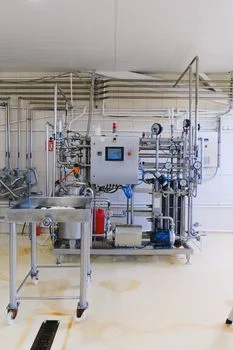
The CAPEX for an MBR system in Colombia ranges from $250,000 for a 50 m³/day plant to over $1.2M for large-scale 500 m³/day installations. Procurement managers must look beyond the initial purchase price and evaluate the total cost of ownership (TCO), which includes energy consumption, chemical reagents, and membrane replacement cycles. The following table provides estimated 2025 pricing for various technologies scaled to Colombian hospital needs.
| System Capacity | Technology Type | Estimated CAPEX (USD) | Estimated OPEX (USD/m³) |
|---|---|---|---|
| 50 m³/day (Small Clinic) | DAF + ClO₂ | $150,000 – $220,000 | $0.40 – $0.65 |
| 200 m³/day (Med. Hospital) | MBR | $450,000 – $650,000 | $0.90 – $1.30 |
| 500 m³/day (Large Center) | Hybrid (DAF+MBR) | $900,000 – $1,350,000 | $1.10 – $1.60 |
| 200 m³/day (Med. Hospital) | Ozone + Biological | $400,000 – $600,000 | $1.20 – $1.80 |
OPEX for MBR systems is primarily driven by energy for aeration and the cost of membrane cleaning chemicals, with PVDF membranes typically requiring replacement every 5 to 7 years. DAF systems have lower energy requirements but higher chemical costs for coagulants and flocculants. For hospitals in Bogotá and Medellín, the Green Climate Fund and other local environmental grants are increasingly available (2024–2025) to offset up to 20% of the CAPEX for systems that implement high-efficiency water recirculation, significantly improving the ROI of advanced treatment technologies.
How to Select the Right System for Your Hospital: A Decision Framework
When selecting a wastewater treatment system, hospitals should consider several key factors.Selecting a wastewater treatment system requires a tiered evaluation of flow volume, available budget, and specific