Hospital wastewater treatment in British Columbia must hit Municipal Wastewater Regulation planning limits — BOD ≤25 mg/L, TSS ≤30 mg/L, fecal coliforms ≤10⁴ CFU/100 mL — while managing pharmaceuticals and pathogens. MBR trains reach >99% removal; CAPEX runs CAD $50,000–$1,500,000+ by technology.
Why Hospital Wastewater in BC Requires Specialized Treatment
Hospital wastewater treatment in British Columbia needs processes beyond simple sedimentation because medical effluent carries pharmaceuticals, potent pathogens, and high organic loads that municipal plants were never designed for. The Environmental Management Act, through the Municipal Wastewater Regulation, classifies hospital wastewater as high-risk. A 40-bed hospital sends a disproportionate contaminant load to its treatment plant, so standard systems often fall short of provincial rules.
The compliance stakes are concrete. Wastewater treatment accounts for 15–20% of a typical BC hospital's total emissions, estimated at 3500–5000 t CO2 eq. annually. Non-compliance with BC's environmental laws can bring administrative monetary penalties of up to $1 million under the Environmental Violation Administrative Monetary Penalties Regulation. Facility managers and procurement teams therefore treat effluent quality as a budget-line risk, not a facilities afterthought.
BC's Effluent Limits for Hospital Wastewater: What You Must Achieve
The Municipal Wastewater Regulation, enforced under the Environmental Management Act, sets definitive effluent limits that hospitals must meet. These limits prevent the discharge of harmful contaminants into receiving waters. For systems discharging 22,700 litres per day or more, the key parameters are:
| Parameter | Effluent Limit |
|---|---|
| Biochemical Oxygen Demand (BOD₅) | ≤25 mg/L |
| Total Suspended Solids (TSS) | ≤30 mg/L |
| Fecal Coliforms | ≤10⁴ CFU/100 mL |
| pH | 6.5 – 8.5 |
These limits are stricter than those for general municipal wastewater, particularly on pathogen control, reflecting the higher risk of medical effluents. Systems discharging less than 22,700 L/day fall under the Sewerage System Regulation. They may still need disinfection measures to safeguard public health. The BC Centre for Disease Control's wastewater surveillance programs underline the province's monitoring commitment, so plants must hold these standards continuously, not only at audit time.
Verify the legal numbers before freezing a design basis. The regulation text, the Municipal Wastewater Regulation B.C. Reg. 87/2012, sets secondary treatment at CBOD5 and TSS not more than 45 mg/L each, primary treatment at 130 mg/L each, and advanced treatment at 10 mg/L or less (B.C. Laws). Its scope for ground discharge kicks in at maximum daily flows of 22.7 m³/d, which matches the 22,700 L/day threshold above. The federal Wastewater Systems Effluent Regulations add average limits of 25 mg/L CBOD and 25 mg/L suspended solids for systems collecting an average daily volume of 100 m³ or more of influent (Justice Laws Canada). Confirm which regime governs your outfall before specifying equipment.
Hospital Wastewater Treatment in British Columbia: Technology Choices
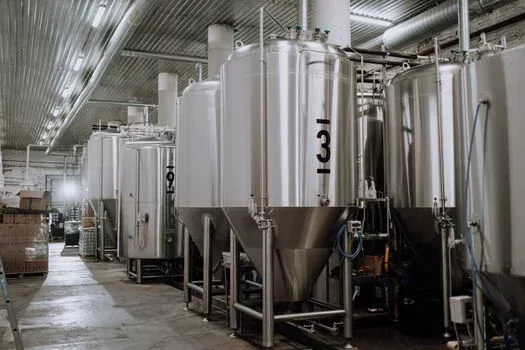
Technology selection decides whether a BC hospital plant holds its effluent limits at a defensible operating cost. Four families cover most medical-duty applications: MBR, DAF, chlorine dioxide disinfection, and integrated A/O biological systems. The right pick depends on hospital size, contaminant profile, and budget.
| Technology | Primary Function | Typical Removal Efficiencies (BOD₅ / TSS / Pathogens) | Estimated CAPEX Range | Estimated OPEX Range | Footprint |
|---|---|---|---|---|---|
| Membrane Bioreactor (MBR) | Biological treatment with membrane filtration | >99% / >99% / >99.99% | $$$$$ | $$$ | Compact |
| Dissolved Air Flotation (DAF) | Physical separation of FOG and suspended solids | 30-70% / 90-97% / N/A (pre-treatment) | $$$ | $$ | Moderate |
| Chlorine Dioxide (ClO₂) Generation | Chemical disinfection | N/A (disinfection) / N/A / >99.99% | $$ | $$ | Very Compact |
| Integrated A/O Systems | Advanced biological nutrient removal | >95% / >90% / Moderate-High | $$$$ | $$$ | Moderate |
Membrane Bioreactor (MBR) for Hospitals in BC
MBR systems for hospital duty use submerged polymeric membranes to deliver near-reuse-quality effluent, often with BOD₅ below 1 mg/L, and they cut sludge production significantly. Implementing MBR for hospital wastewater treatment in BC fits sites where footprint, reuse, or strict coliform limits dominate the brief. Membrane screening and clean-in-place discipline decide whether the >99.99% pathogen barrier holds through winter loads.
Chlorine Dioxide Generator for Hospital Disinfection in Canada
A chlorine dioxide generator for hospital disinfection in Canada gives BC plants a compact, on-demand oxidant source that works where UV transmittance is poor. ClO₂ inactivates pathogens beyond standard levels and degrades pharmaceutical residues, an advantage over UV alone for medical effluent. Note that BC's regulation restricts chlorination without authorization and requires dechlorination, so dose control and residual monitoring belong in the control philosophy from day one.
DAF for FOG and Solids Ahead of Biology
DAF systems handle the kitchen and laundry side of hospital flows. Micro-bubble flotation removes FOG and suspended solids at 90–97% TSS efficiency before they reach biological stages. Plants we review that skip this step pay for it in biomass foaming and lost capacity.
Hospital Wastewater Treatment CAPEX OPEX in British Columbia
Hospital wastewater treatment CAPEX OPEX in British Columbia spans CAD $50,000 for a standalone disinfection skid to over CAD $1,500,000 for a full MBR train, with OPEX from $0.20 to $2.00 per m³ treated. Precise figures depend on technology, scale, and site conditions. The bands below frame a realistic budget for a medium-sized hospital.
| Technology | Estimated CAPEX Range (CAD) | Estimated OPEX Range (CAD/m³) | Notes |
|---|---|---|---|
| MBR Systems | $800,000 – $1,500,000+ | $1.20 – $2.00 | Higher CAPEX, includes membrane replacement; lower sludge handling costs. |
| DAF Systems | $250,000 – $500,000+ | $0.50 – $1.00 | Effective for FOG/TSS; requires chemical and sludge disposal costs. |
| Chlorine Dioxide Generators | $50,000 – $150,000+ | $0.20 – $0.50 | Relatively low CAPEX; ongoing chemical costs and maintenance. |
| Integrated A/O Systems | $500,000 – $1,000,000+ | $0.80 – $1.50 | Good for nutrient removal; higher energy consumption than some alternatives. |
System size is the major cost driver, and indirect costs sit outside the equipment invoice: permitting, operator training, and annual maintenance contracts. Earlier guidance cited the CleanBC Industrial Incentive Program, with grants covering up to 50% of project costs for eligible upgrades. The current successor, the Clean Industry Fund, supports the development, trial and deployment of projects that reduce greenhouse gas emissions from large industrial operations in British Columbia, and an operation may be eligible only if it is regulated under BC's Output-Based Pricing System (Gov BC). Hospitals generally sit outside that scope, so treat grant funding as upside, not baseline budget.
Step-by-Step Guide to Selecting a Compliance-Ready Hospital Wastewater System for BC
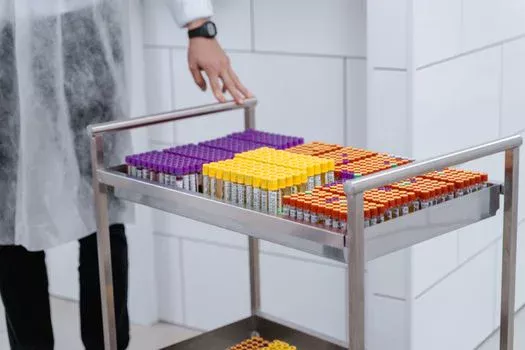
Equipment selection for a BC hospital follows a fixed sequence, and skipping a step is what usually causes rework:
- Assess Your Specific Needs: Quantify average and peak wastewater volumes. Profile the contaminants — pharmaceuticals, pathogens, organic load, FOG, and TSS — stream by stream.
- Match Technology to BC Effluent Limits: Cross-reference your needs with each technology's removal efficiencies against the limits above.
- Request Detailed Vendor Proposals with Contracted Performance: Ask for written effluent-quality commitments and explicit confirmation of compliance with BC's Municipal Wastewater Regulation.
- Evaluate Total Cost of Ownership (TCO): Calculate TCO over a 10-year period, factoring in CAPEX, OPEX, maintenance, and upgrade costs.
- Verify Vendor Experience and BC Compliance: Insist on hospital installations inside British Columbia, with case studies referencing facilities like Vancouver General Hospital or Royal Columbian Hospital.
Campuses that mix medical and industrial loads — laundries, labs, central energy plants — should also check permitting for the industrial side. Our guide to effluent treatment efficiency bc covers that route, including source control and sewer bylaw limits that differ from the medical stream.
Equipment Matched to BC Hospital Duty
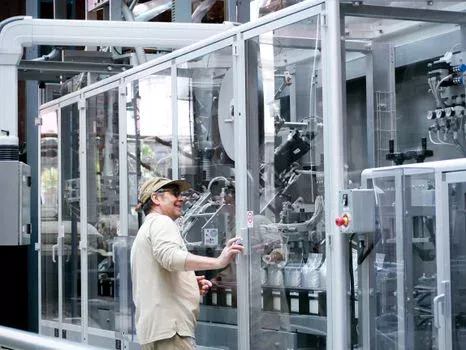
HydropureWater products map directly onto the treatment stages above. MBR systems for hospital wastewater treatment in BC deliver the compact, near-reuse-quality train for large hospitals, while DAF systems for high-efficiency TSS and FOG removal protect the biology from kitchen and laundry loads. View specifications, capacity range, and technical data on each product page.
For smaller sites and clinics, the Medical & Hospital Wastewater Treatment System packages biological treatment and disinfection in one compact skid. At the disinfection stage, chlorine dioxide generators for hospital effluent disinfection provide on-demand oxidant generation sized to the permit's pathogen clause.
Next step: send your average and peak flows, contaminant profile, and current permit limits via request a free quote. The process family and CAPEX band can then be checked against your site conditions.
Frequently Asked Questions
What are the penalties for non-compliance with BC's hospital wastewater regulations?
Hospitals face administrative monetary penalties of up to $1 million under BC's Environmental Violation Administrative Monetary Penalties Regulation. Persistent non-compliance can escalate to legal action and orders to halt discharge. Penalty exposure scales with the length of the violation, so compliance monitoring belongs in the operating budget from day one.
Can hospitals in BC discharge untreated wastewater into municipal sewers?
No, hospitals in BC cannot discharge untreated wastewater into municipal sewers. They must pretreat to meet the receiving municipality's sewer bylaw, and the Municipal Wastewater Regulation requires non-domestic waste to meet pre-discharge quality standards. Confirm local bylaw limits for pharmaceuticals and metals with your municipality early in design.
How often should hospital wastewater systems in BC be inspected?
Disinfection systems in BC hospital plants typically require monthly inspections, and biological systems should be inspected quarterly. Annual third-party audits are also often required under the operating plan. Log every inspection against the monitoring schedule in your registration, because gaps surface directly at audit time.
Does the CleanBC Industrial Incentive Program still offer wastewater grants?
Not reliably: the CleanBC Industrial Incentive Program was the earlier route cited for grants covering up to 50% of eligible wastewater upgrade costs. The current successor, the Clean Industry Fund, funds greenhouse-gas-reduction projects for large industrial operations, and eligibility requires the lead applicant to be regulated under BC's Output-Based Pricing System (Gov BC). Hospitals generally do not qualify, so treat such grants as upside rather than baseline budget.
What's the best disinfection method for hospital wastewater in BC?
Chlorine dioxide generators are generally considered the preferred disinfection method for hospital wastewater in BC. Their effectiveness extends beyond standard pathogen inactivation to the degradation of pharmaceutical residues, an edge over UV for medical effluent. Size the ClO₂ dose for worst-case pathogen load and verify residuals against your permit's receiving-water requirements.