Wisconsin hospitals face stringent 2025 effluent limits from the DNR (fecal coliform <200 CFU/100mL, chlorine residual <1 mg/L) and MMSD pretreatment rules (BOD <250 mg/L), with non-compliance fines reaching $85,000 for violations. Municipal treatment plants often fail to remove hospital-specific contaminants like pharmaceuticals and antimicrobials, forcing facilities to adopt on-site solutions. This guide details Wisconsin’s regulatory requirements, engineering specs for compliant systems, and cost-optimized equipment selection for Milwaukee, Madison, and Green Bay hospitals for effective hospital wastewater treatment in Wisconsin USA.
Why Wisconsin Hospitals Need Specialized Wastewater Treatment in 2025
Wisconsin DNR’s 2025 effluent limits for hospitals mandate strict control over discharge quality, pushing many facilities toward advanced on-site treatment. These updated regulations require fecal coliform levels to remain below 200 CFU/100mL and chlorine residual to stay under 1 mg/L, as outlined in NR 140 and NR 210. new standards are beginning to address pharmaceutical residuals, with targeted limits as low as 0.1 mg/L for specific compounds, highlighting the need for comprehensive state-specific wastewater treatment compliance. The Milwaukee Metropolitan Sewerage District (MMSD) reinforces this with pretreatment requirements, demanding that hospitals reduce Biological Oxygen Demand (BOD) to less than 250 mg/L before discharging into municipal sewers.
Milwaukee’s deep tunnel system, despite its 521-million-gallon capacity, still experiences 8 to 12 combined sewer overflow (CSO) events annually. During these Wisconsin CSO events and hospital discharge can lead to untreated or partially treated sewage bypassing reclamation facilities, meaning hospital-derived pathogens and pharmaceuticals may enter Lake Michigan directly. This environmental risk is compounded by the fact that standard municipal treatment is often insufficient for the high-concentration antimicrobial, pharmaceutical, and even radioactive isotope loads found in hospital-specific wastewater streams, as confirmed by MMSD’s 2024 research findings. For instance, a 2023 case study saw a 300-bed hospital in the Milwaukee metro area incur an $85,000 fine for consistently exceeding chlorine residual limits, underscoring the substantial financial and reputational risks associated with non-compliance with Wisconsin hospital effluent limits.
Wisconsin’s Regulatory Landscape: DNR, MMSD, and EPA Requirements for Hospitals
Wisconsin’s regulatory framework for hospital wastewater treatment involves a tiered approach, with the DNR setting statewide limits, municipal districts like MMSD establishing local pretreatment standards, and the EPA providing federal oversight. The Wisconsin Department of Natural Resources (DNR) enforces NR 140 and NR 210, which define statewide effluent limits for hospitals, including stringent requirements for fecal coliform (<200 CFU/100mL), chlorine residual (<1 mg/L), and emerging pharmaceutical residuals (e.g., <0.1 mg/L for specific compounds). These regulations also specify monitoring and reporting protocols to ensure Wisconsin DNR NR 140 compliance.
For Milwaukee-area hospitals, the Milwaukee Metropolitan Sewerage District (MMSD) imposes strict pretreatment rules before discharge into the municipal sewer system. These MMSD pretreatment requirements include a maximum BOD of 250 mg/L, Total Suspended Solids (TSS) below 300 mg/L, and a pH range of 6.0–9.0. While specific numerical limits for Green Bay and Madison may vary slightly by local ordinance, they generally align with MMSD's emphasis on reducing conventional pollutants and preventing sewer system damage. The U.S. Environmental Protection Agency (EPA) enforces the federal Clean Water Act, providing an overarching framework that can lead to additional scrutiny, particularly concerning emerging contaminants like PFAS and antimicrobial residuals in hospital effluent.
Beyond routine discharge, the Wisconsin DNR issued 2006 recommendations for the management of hospital decontamination wastewater from portable decontamination tents. These guidelines emphasize containment volume criteria, recommending systems capable of holding 150-200 gallons for typical incidents, with larger capacities for mass casualty events. They also detail proper storage, conveyance methods, and spill clean-up procedures. As 2025 approaches, the DNR is increasing its focus on emerging contaminants, particularly pharmaceutical residuals and PFAS. Hospitals are expected to implement advanced testing protocols and reporting requirements to demonstrate effective removal of these challenging compounds.
| Regulatory Body | Parameter | Wisconsin Hospital Effluent Limit | Notes |
|---|---|---|---|
| Wisconsin DNR (NR 140/NR 210) | Fecal Coliform | <200 CFU/100mL | Statewide discharge limit |
| Wisconsin DNR (NR 140/NR 210) | Chlorine Residual | <1 mg/L | Statewide discharge limit |
| Wisconsin DNR (NR 140/NR 210) | Pharmaceutical Residuals | <0.1 mg/L (specific compounds) | Emerging limits, monitoring required |
| MMSD (Milwaukee) | Biological Oxygen Demand (BOD) | <250 mg/L | Pretreatment limit for municipal discharge |
| MMSD (Milwaukee) | Total Suspended Solids (TSS) | <300 mg/L | Pretreatment limit for municipal discharge |
| MMSD (Milwaukee) | pH | 6.0–9.0 | Pretreatment limit for municipal discharge |
| EPA (Clean Water Act) | PFAS & Antimicrobials | Under scrutiny | Federal enforcement oversight, emerging concern |
Treatment Technologies Compared: MBR vs. DAF vs. Chlorine Dioxide for Wisconsin Hospitals
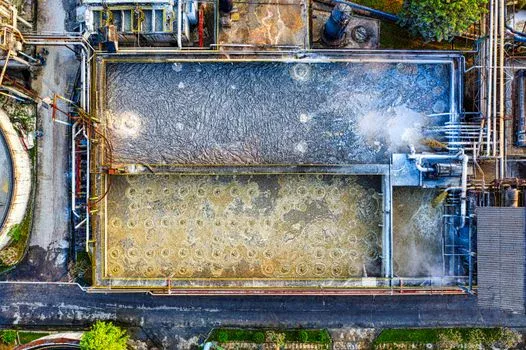
Selecting the appropriate medical wastewater treatment systems for Wisconsin hospitals requires a careful evaluation of effluent limits, footprint constraints, and operational complexity. Membrane Bioreactor (MBR) systems are highly effective for comprehensive treatment, achieving COD removal rates of 95–98% and pathogen removal efficiencies of 99.9%. Their compact design, leveraging PVDF membranes with a 0.1 μm pore size, results in a footprint 60% smaller than conventional activated sludge (A/O) systems, making MBR ideal for urban hospitals with limited space. MBR systems for hospital wastewater treatment in Wisconsin demonstrate lower energy consumption, typically 10–20 times less than older cross-flow membrane systems, optimizing OPEX. A typical MBR process flow involves anoxic and aerobic tanks followed by membrane filtration, ensuring high-quality effluent.
Dissolved Air Flotation (DAF) systems are particularly well-suited for hospitals with high concentrations of Total Suspended Solids (TSS) and Fats, Oils, and Grease (FOG), often originating from cafeterias or laundry facilities. DAF systems for high-efficiency solids removal in hospital wastewater can achieve TSS removal rates of 92–97% and FOG removal exceeding 95%. These systems operate with hydraulic loading rates ranging from 4 to 300 m³/h, utilizing micro-bubble technology to float suspended particles to the surface for automatic skimming. The process flow for DAF typically involves coagulation and flocculation upstream, followed by the flotation tank where air is introduced to create micro-bubbles that attach to and lift contaminants.
For final disinfection, especially to meet stringent fecal coliform and chlorine residual limits, chlorine dioxide generators offer a robust and cost-effective solution. These systems provide 99.9% disinfection efficiency against a broad spectrum of pathogens and typically have a 40% lower CapEx than ozone systems, while complying with EPA and WHO drinking water standards. Chlorine dioxide generators Wisconsin hospitals can deploy come in both chemical and electrolytic methods, with on-site generation offering benefits in safety and reduced transportation costs. The process flow for ClO₂ involves chemical dosing into a contact tank, ensuring sufficient contact time for disinfection. For rural hospitals with lower flow rates and budget constraints, ClO₂ can be a highly efficient and economically viable option for hospital wastewater disinfection.
| Technology | Primary Function | Key Performance Specs | Wisconsin-Specific Application | Typical Process Flow |
|---|---|---|---|---|
| MBR System | COD, Pathogen Removal | COD: 95-98%; Pathogen: 99.9%; Footprint: 60% smaller; PVDF 0.1 μm; Energy: 10-20x lower | Urban hospitals (space constraints, high effluent quality) | Anoxic/Aerobic Tanks + Membrane Filtration |
| DAF System | TSS, FOG Removal | TSS: 92-97%; FOG: 95%; Hydraulic Load: 4-300 m³/h; Micro-bubble tech | Hospitals with high FOG loads (e.g., cafeterias, laundries) | Coagulation + Flocculation + Flotation Tank |
| Chlorine Dioxide Generator | Disinfection | Disinfection: 99.9%; CapEx: 40% lower vs. ozone; EPA/WHO compliant | Rural hospitals (low CapEx, effective disinfection for fecal coliform) | Chemical Dosing + Contact Tank |
On-Site vs. Municipal Pretreatment: Decision Framework for Wisconsin Hospitals
Evaluating whether to invest in on-site treatment or comply with municipal pretreatment rules is a critical decision for Wisconsin hospitals, influenced by facility size, location, and budget. The first step in this decision framework is to **Step 1: Assess discharge location**. Urban hospitals in areas like Milwaukee and Madison typically have access to municipal sewer systems and pretreatment options, whereas rural hospitals often lack such infrastructure, making on-site treatment a necessity.
Next, **Step 2: Evaluate effluent quality**. Hospitals with high pathogen loads, pharmaceutical concentrations, or other specific contaminants may find that on-site treatment is essential, regardless of municipal availability. MMSD’s 2024 research confirms that municipal treatment plants frequently struggle with hospital-specific contaminants, necessitating advanced on-site solutions to meet stringent Wisconsin hospital effluent limits.
The third step involves **Step 3: Compare CapEx/OPEX** over a 10-year lifecycle. On-site MBR systems for hospital wastewater treatment in Wisconsin typically range from $500K–$2M in capital expenditure, with operational costs of $0.50–$1.20/m³. In contrast, municipal pretreatment fees can range from $50K–$200K per year. An ROI calculation might reveal that while municipal pretreatment has lower initial CapEx, the long-term OPEX can make on-site systems more cost-effective due to reduced fees and potential for resource recovery.
For **Step 4: Factor in compliance risks**, on-site treatment significantly reduces a hospital's exposure to fines related to CSO events and DNR penalties, as the facility maintains direct control over its discharge quality. Municipal pretreatment shifts some liability to the utility, but the hospital remains responsible for meeting pretreatment standards. The 2023 $85,000 fine for a hospital exceeding chlorine residual limits serves as a stark reminder of the direct financial consequences of non-compliance, even when discharging to a municipal system.
Finally, **Step 5: Consider space and operational constraints**. MBR systems require approximately 60% less footprint than conventional activated sludge systems, which is a critical advantage for urban hospitals with limited land availability. This compact design can significantly impact the feasibility and cost of installing new treatment infrastructure.
| Decision Criteria | On-Site Treatment (e.g., MBR) | Municipal Pretreatment (Discharge to Sewer) |
|---|---|---|
| Discharge Location | Essential for rural; beneficial for urban high-risk | Viable for urban with municipal access |
| Effluent Quality (Contaminants) | Superior removal of pathogens, pharmaceuticals, specialized contaminants | Limited removal of hospital-specific contaminants by municipal plants |
| CapEx (Initial Cost) | Higher ($500K–$2M for MBR) | Lower (typically permit/connection fees) |
| OPEX (Annual Cost) | Lower long-term ($0.50–$1.20/m³ for MBR) | Higher long-term ($50K–$200K/year in fees) |
| Compliance Risks | Direct control, reduced fines from CSO/DNR | Liability shared, but still responsible for pretreatment limits (e.g., $85K fine) |
| Space Constraints | Compact footprint (MBR 60% less than A/O) | Minimal on-site footprint for pretreatment equipment |
Cost Benchmarks: CapEx and OPEX for Hospital Wastewater Systems in Wisconsin
Budgeting for hospital wastewater treatment in Wisconsin requires a clear understanding of both capital expenditure (CapEx) and operational expenditure (OPEX) across different technologies, alongside hidden costs. MBR systems for capacities ranging from 10–2,000 m³/day typically incur CapEx between $500,000 and $2,000,000. Their OPEX, which includes energy consumption and membrane replacement, generally falls between $0.50 and $1.20 per cubic meter. MBR membranes have a lifespan of 5–7 years, with replacement costs averaging $50–$100 per square meter, a crucial factor in long-term financial planning.
DAF systems, designed for hydraulic loading rates of 4–300 m³/h, represent a CapEx investment of $200,000–$1,000,000. Operational costs for DAF systems are typically $0.30–$0.80 per cubic meter, primarily driven by chemical consumption (coagulants, flocculants) and sludge disposal. Wisconsin-specific sludge disposal costs can range from $150–$300 per ton, depending on the hazardous nature of the sludge and transportation distances. MBR vs DAF for hospitals will depend heavily on the primary contaminants to be removed.
Chlorine dioxide generators, suitable for disinfection capacities of 50–20,000 g/h, offer a more modest CapEx of $50,000–$500,000. Their OPEX is significantly lower, at $0.10–$0.40 per cubic meter, covering chemical precursors and routine maintenance. On-site generation of chlorine dioxide can often lead to substantial cost savings compared to purchasing bulk chemicals, reducing transportation and storage expenses. For hospitals discharging to municipal systems, annual pretreatment fees can range from $50,000–$200,000 for facilities discharging into MMSD, with similar charges applying in other major Wisconsin municipalities like Green Bay and Madison, depending on flow and contaminant load.
Beyond direct equipment and utility costs, hospitals must account for several hidden expenses. Permitting for new or upgraded wastewater treatment systems can range from $10,000–$50,000. Ongoing DNR monitoring and reporting requirements add another $5,000–$20,000 annually. the financial risk of emergency spill response, should a system fail or a contaminant be accidentally discharged, can range from $20,000–$100,000 per incident, not including potential fines.
| System/Fee Type | CapEx (Initial Cost) | OPEX (Annual/m³) | Key Considerations |
|---|---|---|---|
| MBR System (10–2,000 m³/day) | $500K–$2M | $0.50–$1.20/m³ | Membrane lifespan (5–7 years), replacement ($50–$100/m²) |
| DAF System (4–300 m³/h) | $200K–$1M | $0.30–$0.80/m³ | Chemical consumption, Wisconsin sludge disposal ($150–$300/ton) |
| Chlorine Dioxide Generator (50–20,000 g/h) | $50K–$500K | $0.10–$0.40/m³ | Chemical costs, on-site generation vs. bulk purchase savings |
| Municipal Pretreatment Fees (Annual) | N/A | $50K–$200K/year | Varies by flow, contaminant load, and local municipality (MMSD, Green Bay, Madison) |
| Permitting (Hidden Cost) | $10K–$50K | N/A | Required for new installations or significant upgrades |
| DNR Monitoring (Hidden Cost) | N/A | $5K–$20K/year | Ongoing compliance and reporting requirements |
| Emergency Spill Response (Hidden Cost) | N/A | $20K–$100K per incident | Potential costs from non-compliance or system failure |
Frequently Asked Questions
What are the most critical Wisconsin hospital effluent limits for 2025?
The most critical limits for 2025 from the Wisconsin DNR are fecal coliform below 200 CFU/100mL and chlorine residual under 1 mg/L. Additionally, emerging standards under NR 140 and NR 210 are targeting pharmaceutical residuals as low as 0.1 mg/L for specific compounds. Hospitals must also comply with MMSD pretreatment requirements for BOD (<250 mg/L) if discharging to municipal sewers.
Can municipal wastewater treatment plants effectively handle all hospital contaminants?
No, standard municipal wastewater treatment plants often fail to remove hospital-specific contaminants such as pharmaceuticals, antimicrobials, and radioactive isotopes. MMSD’s 2024 research confirms that these facilities are not designed to handle the high concentrations of these specialized pollutants, making on-site pretreatment or full treatment necessary for hospitals to ensure compliance and environmental protection.
What are the primary benefits of using MBR systems for Wisconsin hospitals?
MBR systems offer superior effluent quality, achieving 95–98% COD removal and 99.9% pathogen removal, which helps hospitals meet stringent Wisconsin DNR limits. They also require a 60% smaller footprint compared to conventional systems, making them ideal for urban hospitals with limited space. MBR systems are energy-efficient, consuming 10–20 times less power than older cross-flow systems.
Is on-site chlorine dioxide generation cost-effective for hospital wastewater disinfection?
Yes, on-site chlorine dioxide generation is highly cost-effective for hospital wastewater disinfection. It typically has a 40% lower CapEx than ozone systems and an OPEX of $0.10–$0.40/m³. Generating chlorine dioxide on-site also reduces costs associated with chemical transportation and storage, while ensuring compliance with EPA and WHO drinking water standards for disinfection efficiency.