Why Kansas Industrial Facilities Need Tailored Wastewater Treatment Solutions
Industrial wastewater treatment in Kansas demands equipment that consistently meets the Kansas Department of Health and Environment’s (KDHE) stringent National Pollutant Discharge Elimination System (NPDES) permit limits. These typically include thresholds like BOD5 less than 20 mg/L, TSS less than 30 mg/L, and specific seasonal ammonia levels, all while managing operational capacities ranging from 1 to 80 m³/h (264 to 21,134 GPD). Compact package plants, often employing Membrane Bioreactor (MBR) or Anoxic-Oxic (A/O) processes, are prevalent, with installation costs varying significantly from approximately $120,000 for smaller systems to over $5 million for advanced nutrient removal capabilities. Kansas is actively addressing infrastructure needs through over $800 million in available funding from the Infrastructure Investment and Jobs Act (IIJA) and State Revolving Fund (SRF) programs, which is accelerating upgrades, particularly in rural counties where 60% of facilities serve populations under 20,000. These smaller communities, and the industrial operations within them, often require decentralized, low-operator-intensive wastewater solutions.
The state’s burgeoning “Battery Belt” initiative near De Soto is a prime example of how industrial growth necessitates enhanced nutrient removal. KDHE’s Nutrient Reduction Strategy directly targets nitrogen and phosphorus limits to protect the ecological health of the Kansas and Arkansas Rivers. Concurrently, food processing plants, such as meatpacking facilities common in locations like Dodge City, frequently face violations related to Fats, Oils, and Grease (FOG) and Total Suspended Solids (TSS). Without effective pretreatment, such as Dissolved Air Flotation (DAF), these facilities risk substantial fines. A hypothetical $500,000 DAF system, for instance, can demonstrate a rapid payback period through avoided penalties and improved effluent quality. The challenge of operator shortages in rural Kansas is also a critical factor; automated package plants, like the WSZ Series, can reduce labor needs by up to 70%, making compliance more achievable for facilities with limited skilled personnel.
KDHE Wastewater Permit Requirements: Effluent Limits, NPDES Process & Compliance Risks
Adherence to KDHE’s industrial effluent limits is paramount for any facility operating in Kansas. These limits are established under the NPDES permit program, a federal Clean Water Act mandate administered by the state. Key parameters and their typical thresholds, as outlined by the KDHE Industrial Programs Section, include:
| Pollutant | Typical Effluent Limit |
|---|---|
| Biochemical Oxygen Demand (BOD5) | < 20 mg/L |
| Total Suspended Solids (TSS) | < 30 mg/L |
| Ammonia (NH3) | Seasonal limits apply |
| Total Nitrogen (TN) | < 10 mg/L (often required for nutrient-sensitive waters) |
| Total Phosphorus (TP) | < 1 mg/L (often required for nutrient-sensitive waters) |
The NPDES permit process in Kansas typically involves a substantial lead time, often ranging from six to twelve months, and includes application fees that can vary from $500 to $5,000, depending on the complexity and nature of the discharge. KDHE’s review criteria are rigorous, focusing on the sensitivity of the receiving water body and the potential impact of the discharge on aquatic life and human health. Failing to meet these limits can result in significant compliance risks, including substantial fines, operational shutdowns, and damage to corporate reputation. Common violations stem from issues such as excessive FOG in food processing wastewater, heavy metals from battery manufacturing operations, and nutrient spikes from agricultural runoff or overloaded rural lagoon systems. These specific challenges often necessitate specialized pretreatment technologies, like DAF systems for FOG and TSS removal, or advanced biological treatment such as MBR systems for robust nutrient removal.
KDHE’s enforcement activities are robust. In 2023, for example, there was a notable increase in industrial permit violations, with approximately 40% directly attributed to inadequate pretreatment processes or equipment failures. This trend underscores the critical importance of selecting and maintaining reliable wastewater treatment equipment that can consistently meet or exceed permit requirements. For facilities struggling to meet these demands, understanding the specific regulatory landscape and the capabilities of various treatment technologies is the first step toward ensuring long-term compliance and environmental stewardship.
Wastewater Treatment Technologies for Kansas: MBR vs. A/O vs. DAF for Industrial Applications
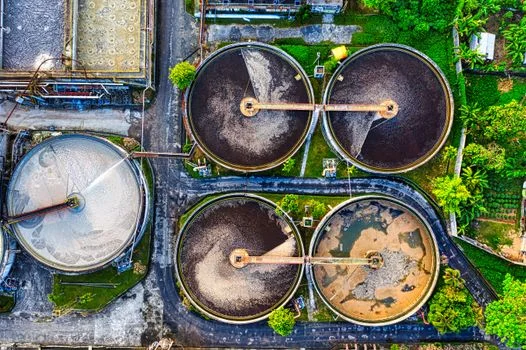
Selecting the appropriate wastewater treatment technology in Kansas requires a careful evaluation of effluent quality needs, available space, capital and operational budgets, and specific industrial waste characteristics. Membrane Bioreactor (MBR), Anoxic-Oxic (A/O), and Dissolved Air Flotation (DAF) systems each offer distinct advantages and are suited for different applications. MBR technology stands out for its ability to achieve exceptionally high-quality effluent, often producing water suitable for reuse. Its compact design offers a significant footprint reduction, approximately 60% smaller than conventional activated sludge systems, making it ideal for sites with limited land availability. For Kansas industries, especially those in the “Battery Belt” facing stricter nutrient limits, MBR’s advanced biological treatment capabilities are invaluable, consistently delivering effluent COD below 50 mg/L and capable of meeting stringent nitrogen and phosphorus targets. The availability of IIJA/SRF funding further supports MBR adoption for water reuse projects, aligning with state sustainability goals.
A/O systems, often found in compact package WWTPs, represent a cost-effective solution, particularly for rural communities or smaller industrial facilities. With initial capital expenditure (CAPEX) typically ranging from $120,000 to $300,000, these systems are attractive for their lower upfront investment. They require minimal operator oversight, a critical advantage in areas with operator shortages, but generally demand a larger land area compared to MBRs due to their less intensified biological process. For Kansas counties with populations under 20,000, the economic and operational profile of A/O technology makes it a strong contender.
DAF technology plays a crucial role as a pretreatment step, especially in Kansas’s vital food processing and emerging battery manufacturing sectors. DAF systems are highly effective at removing FOG and TSS, achieving removal rates of 90–98%. This is essential for protecting downstream biological treatment processes from being overloaded or fouled. For instance, a hypothetical Wichita meatpacking plant could achieve a 30% reduction in BOD5 loading to its secondary treatment by implementing a DAF system for pretreatment, significantly improving overall treatment efficiency and compliance with KDHE TSS limits. The integration of DAF with other technologies, such as MBR, can create a powerful hybrid system capable of handling complex industrial wastewater streams.
| Parameter | MBR (Membrane Bioreactor) | A/O (Anoxic-Oxic) | DAF (Dissolved Air Flotation) |
|---|---|---|---|
| Effluent Quality (COD, TSS) | Excellent (COD < 50 mg/L, TSS < 5 mg/L) | Good (COD < 100 mg/L, TSS < 30 mg/L) | Pre-treatment for FOG/TSS (90-98% removal) |
| Footprint | Very Compact | Moderate to Large | Compact |
| CAPEX | High ($300K - $5M+) | Low to Moderate ($120K - $650K) | Moderate ($50K - $500K) |
| OPEX | Moderate (energy, membrane replacement) | Low (energy, maintenance) | Moderate (energy, chemical, maintenance) |
| Operator Requirements | Low to Moderate (automated) | Low (automated) | Low to Moderate |
| Nutrient Removal | Excellent (with proper configuration) | Good (designed for N removal) | Minimal |
| Suitability for Kansas Industries | Nutrient removal (Battery Belt), Water Reuse, Limited Space | Rural Communities, Smaller Industries, Cost-Sensitive Projects | Food Processing (FOG/TSS), Pretreatment for Biological Systems |
Cost Breakdown: CAPEX, OPEX & ROI for Kansas Wastewater Treatment Systems
The financial investment in industrial wastewater treatment in Kansas is a critical consideration, encompassing both upfront capital expenditure (CAPEX) and ongoing operational expenditure (OPEX). CAPEX varies significantly by technology: MBR systems typically range from $300,000 to over $5 million, A/O systems fall between $120,000 and $650,000, and DAF systems can cost between $50,000 and $500,000. These figures generally include the equipment itself, installation, necessary permitting, and initial operator training. Beyond CAPEX, OPEX is a substantial factor in the long-term cost of ownership. Energy consumption often accounts for 30–50% of OPEX, followed by chemicals (20–30%), labor (10–20%), and, specifically for MBRs, membrane replacement, which can cost $5,000 to $50,000 annually depending on system size and membrane life.
Calculating the Return on Investment (ROI) is essential for justifying these expenditures. For a hypothetical $500,000 MBR system, payback periods of 5–7 years are achievable through a combination of avoided fines for permit violations, potential revenue from water reuse applications, and improved operational efficiency. A $200,000 DAF system, primarily used for pretreatment, can offer a faster ROI of 3–4 years by significantly reducing surcharges related to FOG and TSS, and by extending the life and performance of downstream biological treatment units.
Kansas facilities can leverage significant funding opportunities to offset these costs. The IIJA and SRF programs provide substantial financial assistance, often covering 50–80% of eligible project costs for projects focused on nutrient removal, water reuse, and infrastructure upgrades. With over $800 million available in Kansas, these grants and low-interest loans are accelerating the adoption of advanced wastewater treatment technologies. Careful financial planning and an understanding of available funding mechanisms are key to implementing cost-effective and compliant wastewater solutions.
| Cost Component | Typical Range / Percentage | Notes |
|---|---|---|
| Capital Expenditure (CAPEX) | ||
| MBR System | $300,000 - $5,000,000+ | Includes equipment, installation, permitting |
| A/O System | $120,000 - $650,000 | Includes equipment, installation, permitting |
| DAF System | $50,000 - $500,000 | Includes equipment, installation, permitting |
| Operational Expenditure (OPEX) | ||
| Energy | 30% - 50% of OPEX | Pumping, aeration, controls |
| Chemicals | 20% - 30% of OPEX | Coagulants, flocculants (especially for DAF) |
| Labor | 10% - 20% of OPEX | Operator time, maintenance staff |
| Membrane Replacement (MBR) | $5,000 - $50,000 / year | Depends on membrane type and usage |
| Return on Investment (ROI) Factors | ||
| Avoided Fines | Variable, significant | Directly related to compliance |
| Water Reuse Savings | Variable, can be substantial | Reduced potable water purchases |
| Surcharge Reduction | Variable, significant for high-FOG/TSS | Reduced sewer utility costs |
| Funding Opportunities | 50% - 80% of eligible costs | IIJA/SRF for nutrient removal, water reuse |
Case Study: How a Kansas Meatpacking Plant Met KDHE Limits with a DAF-MBR Hybrid System
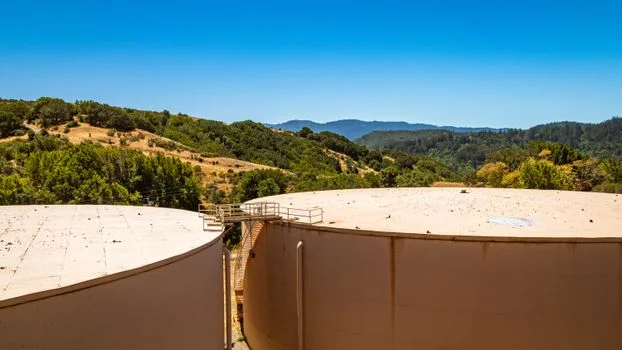
A hypothetical large-scale meatpacking plant located in Dodge City, Kansas, with a daily wastewater flow of approximately 1,200 m³, was consistently struggling to meet KDHE effluent limits, particularly for FOG and TSS. The plant’s influent wastewater was characterized by high concentrations of organic matter, with typical readings of COD at 3,000 mg/L, TSS at 1,500 mg/L, and FOG at 800 mg/L. These
Related Equipment
- WSZ series A/O package plants for rural Kansas communities — view specifications, capacity range, and technical data
Need a customized solution? Request a free quote with your specific flow rate and pollutant parameters.
Further Reading
Explore these in-depth articles on related wastewater treatment topics: