Nebraska’s 467 municipal and industrial sewage treatment facilities face strict NPDES limits (TSS <30 mg/L, BOD <25 mg/L) and rising compliance costs. In 2023, an Omaha meat processing plant was fined $280K for repeated TSS violations, highlighting the need for equipment that matches influent characteristics (e.g., 800–1,200 mg/L TSS for food processing). Leading suppliers offer DAF systems (92–97% TSS removal), MBR systems (99% microbial reduction), and package plants ($120K–$2.4M) tailored to Nebraska’s EPA 40 CFR Part 403 standards and Salt Creek nutrient requirements.
Why Nebraska’s Sewage Treatment Equipment Market is Unique in 2025
Nebraska operates 467 municipal wastewater treatment plants, a figure significantly higher than the 9 major facilities frequently referenced, serving diverse populations from 382 (Prosser) to over 500,000 (Omaha), according to UtilityRadar 2024 data. These facilities, alongside industrial operations, must adhere to stringent National Pollutant Discharge Elimination System (NPDES) permits, typically requiring effluent limits of Total Suspended Solids (TSS) <30 mg/L, Biochemical Oxygen Demand (BOD) <25 mg/L, and ammonia <1.5 mg/L (Nebraska DEQ 2024). specific receiving waters like Salt Creek impose additional complexity with strict nutrient limits, driving demand for advanced phosphorus and nitrogen removal technologies.
Omaha’s Papillion Creek Wastewater Treatment Plant, for example, reports over 12 annual combined sewer overflow (CSO) events, underscoring a critical need for robust wet-weather overflow solutions such as high-rate clarification or equalization tanks to prevent raw sewage discharge. Industrial influent characteristics vary widely across the state; meat processing plants often present high TSS concentrations (800–1,200 mg/L) and significant Fats, Oils, and Grease (FOG), while ethanol plants typically generate high Chemical Oxygen Demand (COD) wastewater. Rural facilities, in contrast, often contend with low flow rates and intermittent operation, requiring flexible and automated solutions.
Nebraska’s climate also introduces unique challenges for sewage treatment equipment suppliers. Freeze-thaw cycles necessitate robust, cold-weather-resistant materials and often favor buried or enclosed systems to protect biological processes and mechanical components. Agricultural runoff contributes to nutrient loading in receiving waters, influencing the design requirements for nutrient removal technologies. These combined regulatory, environmental, and operational factors create a distinct market for sewage treatment equipment supplier in Nebraska USA, demanding tailored, resilient, and compliant solutions.
DAF vs. MBR vs. Package Systems: Engineering Specs for Nebraska’s Top 3 Equipment Types
Dissolved Air Flotation (DAF) systems, Membrane Bioreactors (MBR), and package sewage treatment plants represent the three primary equipment types for achieving stringent effluent quality in Nebraska’s diverse municipal and industrial applications. Each technology offers distinct advantages in terms of removal efficiency, footprint, and operational requirements, making selection dependent on specific influent characteristics and site constraints.
DAF systems, such as the high-efficiency DAF system for Nebraska’s FOG-heavy industrial wastewater (ZSQ series), excel in removing TSS and FOG. These systems typically achieve 92–97% TSS removal at flow rates ranging from 50–300 m³/h. Their micro-bubble technology significantly enhances separation, often reducing chemical coagulant and flocculant use by 20–30% compared to conventional clarification (Hydropure 2024 data). The process involves coagulation, flocculation, air injection to create fine bubbles, and then skimming of the buoyant sludge blanket. DAF is particularly well-suited for industrial applications like food processing, where high FOG and TSS concentrations are common.
MBR systems offer superior effluent quality and a compact footprint. These advanced biological treatment systems achieve greater than 99% microbial reduction and consistently produce effluent with COD <50 mg/L. MBR technology, found in solutions like the compact MBR system for Nebraska’s tight urban sites and ammonia removal, integrates activated sludge treatment with membrane filtration, effectively eliminating the need for secondary clarifiers and tertiary filtration. This allows for a 60% smaller footprint compared to conventional activated sludge systems. PVDF membranes typically have a service life of 8–10 years with proper maintenance, providing a robust barrier for solids and pathogens and ensuring compliance with strict NPDES permit limits for ammonia <1.5 mg/L.
Package plants, exemplified by the automated package plant for Nebraska’s rural communities and small municipalities (WSZ series), are pre-engineered, modular systems designed for ease of deployment and operation. With capacities ranging from 1–80 m³/h, these plants incorporate an automated Anoxic/Aerobic (A/O) biological process, capable of handling influent COD concentrations from 1,000–1,500 mg/L (Zhongsheng product specs). They can be deployed either buried underground to minimize visual impact and protect against freeze-thaw cycles, or as mobile units for temporary or remote applications. Package plants are ideal for small communities, residential developments, and remote industrial sites requiring reliable, low-maintenance wastewater treatment.
| System Type | TSS Removal Efficiency | BOD Removal Efficiency | COD Removal Efficiency | Typical Footprint | Energy Use (Relative) | Maintenance Requirements | Nebraska Compliance Fit |
|---|---|---|---|---|---|---|---|
| DAF System (ZSQ Series) | 92–97% | 60–80% (Pre-treatment) | 60–80% (Pre-treatment) | Medium | Medium (Air compressor) | Chemical dosing, sludge skimming, pump maintenance | Excellent for FOG, high TSS in industrial wastewater (e.g., meat processing) |
| MBR System | >99% | >95% | >90% (Effluent <50 mg/L) | Small (60% less than CAS) | High (Membrane aeration, permeate pumping) | Membrane cleaning, replacement (8–10 years), blower maintenance | Superior for ammonia (<1.5 mg/L), microbial reduction, tight urban sites, nutrient removal (Salt Creek) |
| Package Plant (WSZ Series) | >90% | >90% | >85% (Handles 1,000–1,500 mg/L influent) | Small to Medium (Modular, buried option) | Low to Medium | Blower maintenance, sludge removal, process monitoring | Cost-effective for small municipalities, rural communities, low flow, intermittent operation |
Nebraska Case Studies: How Local Facilities Solved Compliance Challenges
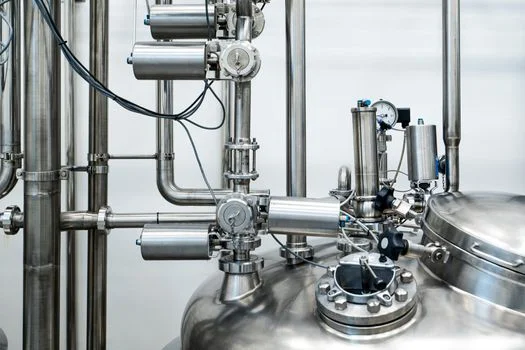
Real-world applications of advanced wastewater treatment technologies across Nebraska demonstrate effective strategies for achieving regulatory compliance and optimizing operational efficiency. These local examples provide invaluable proof of concept for facilities evaluating sewage treatment equipment supplier in Nebraska USA.
One notable instance involved an Omaha meat processing plant that faced a $280K EPA fine in 2023 for repeated TSS violations, stemming from influent TSS concentrations as high as 1,200 mg/L. To mitigate this, the facility retrofitted its pre-treatment system with a high-efficiency DAF system. This upgrade successfully reduced TSS in their wastewater to below 30 mg/L, consistently meeting NPDES permit limits and avoiding further costly penalties (EPA Enforcement Database 2023). The lesson learned here is the critical role of DAF systems in effectively removing FOG and high TSS from industrial effluents.
The Papillion Creek Wastewater Treatment Plant, which annually reports over 12 combined sewer overflow (CSO) events, implemented a high-rate clarification (HRC) system to manage wet-weather surges. This solution significantly enhanced the plant’s capacity to handle peak flows, effectively reducing overflow volumes by 40% during storm events (NDEE 2024 report). This case highlights the necessity for robust, rapid-response technologies in municipal systems facing significant hydraulic loads and underscores the importance of wet-weather overflow solutions.
In a Lincoln rural community, failing septic systems were replaced with a centralized WSZ series package plant. This automated package plant for Nebraska’s rural communities and small municipalities, with a 5 m³/h capacity, provided a cost-effective and compliant solution for wastewater treatment. The system consistently meets NDEE standards, achieving effluent COD levels below 250 mg/L (Zhongsheng case study). This demonstrates the suitability of package plants for small communities seeking reliable treatment with minimal operational complexity and footprint.
A facility discharging into the sensitive Salt Creek watershed faced stringent nutrient removal requirements. To meet and exceed these limits, the facility upgraded its treatment process to an compact MBR system for Nebraska’s tight urban sites and ammonia removal. This MBR installation achieved total phosphorus concentrations below 0.5 mg/L, surpassing the EPA’s recommended 1 mg/L limit for phosphorus. This case illustrates the MBR system's capability for advanced nutrient removal, crucial for protecting ecologically sensitive receiving waters in Nebraska.
Cost Breakdown: CAPEX, OPEX, and ROI for Nebraska Sewage Treatment Equipment
Capital expenditures (CAPEX) for industrial and municipal sewage treatment equipment in Nebraska range from $120K for small package plants to over $2.4M for large MBR systems, with operational expenses (OPEX) varying significantly based on technology and scale. Understanding these financial benchmarks is crucial for buyers to justify investments and forecast long-term costs effectively.
DAF systems typically incur CAPEX between $150K and $800K, depending on capacity and specific features. Annual OPEX for DAF units ranges from $20K to $50K, primarily driven by chemical consumption, energy for air compressors, and routine maintenance. For industrial facilities, the Return on Investment (ROI) for a DAF system is often realized within 2–4 years through significant reductions in municipal discharge surcharges and avoided fines for non-compliance (Top 3 source).
MBR systems represent a higher initial investment, with CAPEX ranging from $500K to $2.4M for larger installations. However, their superior effluent quality and compact footprint can offset these costs in the long run. Annual OPEX for MBRs typically falls between $30K and $80K, with membrane replacement being a significant factor, usually occurring every 8–10 years. The ROI for MBR systems is generally achieved within 3–5 years, driven by consistent compliance, reduced sludge disposal volumes, and the ability to reclaim water for non-potable uses (Hydropure 2024 data).
Package plants offer a more budget-friendly solution, with CAPEX ranging from $120K to $1M. Their annual OPEX is comparatively lower, typically between $10K and $30K, due to simpler operation and fewer chemical requirements. These systems are ideal for small communities and facilities with limited budgets, providing robust treatment without extensive infrastructure costs (Zhongsheng product specs).
| System Type | Typical CAPEX (Nebraska) | Typical OPEX/Year (Nebraska) | Estimated ROI | Key Cost Drivers | Nebraska Example/Benefit |
|---|---|---|---|---|---|
| DAF System | $150K – $800K | $20K – $50K | 2–4 years | Chemicals, energy (air compressor), sludge disposal | Avoiding $280K EPA fines for TSS violations in meat processing |
| MBR System | $500K – $2.4M | $30K – $80K | 3–5 years | Membrane replacement (8–10 yrs), aeration, permeate pumping | Consistent ammonia <1.5 mg/L compliance, enabling tighter discharge limits for sensitive receiving waters |
| Package Plant | $120K – $1M | $10K – $30K | 3–6 years | Energy (blowers), sludge removal, basic maintenance | Cost-effective solution for small rural communities replacing failing septic systems, meeting NDEE standards |
Financing options are available to help Nebraska facilities manage these investments. The Nebraska Department of Environment and Energy (NDEE) offers various grants and loans for municipal wastewater infrastructure projects. Additionally, the EPA’s Clean Water State Revolving Fund (CWSRF) provides low-interest loans for a wide range of water quality projects, including improvements to sewage treatment plants.
How to Choose the Right Supplier: A Zero-Risk Selection Framework for Nebraska Buyers
A systematic, five-step framework is essential for Nebraska buyers to select a sewage treatment equipment supplier that ensures compliance, optimizes costs, and minimizes operational risk. This structured approach helps navigate the complexities of regulatory requirements and diverse technology options.
- Step 1: Define Influent Characteristics and Flow Rate. Begin by precisely characterizing your wastewater. This includes parameters such as Total Suspended Solids (TSS), Biochemical Oxygen Demand (BOD), Chemical Oxygen Demand (COD), Fats, Oils, and Grease (FOG), pH, temperature, and nutrient levels (nitrogen and phosphorus). For a meat processing plant, this might mean influent TSS of 800–1,200 mg/L and high FOG. Equally critical is an accurate assessment of flow rates, including average daily flow, peak hourly flow, and any significant seasonal variations. This data forms the foundation for selecting an appropriately sized and effective treatment system.
- Step 2: Match Equipment Type to Nebraska’s Compliance Standards. Align your defined influent characteristics with the specific effluent requirements mandated by your NPDES permit and Nebraska DEQ standards. For instance, if your permit requires ammonia <1.5 mg/L, an compact MBR system for Nebraska’s tight urban sites and ammonia removal is often the most reliable choice due to its superior nitrification capabilities. If FOG removal is the primary concern, a high-efficiency DAF system for Nebraska’s FOG-heavy industrial wastewater will be more suitable. Ensure the selected technology can consistently meet or exceed all relevant limits, including EPA 40 CFR Part 403 pretreatment standards for industrial dischargers.
- Step 3: Evaluate Footprint Constraints. Site availability significantly impacts equipment selection. Urban industrial sites or existing municipal plants with limited expansion space may benefit from compact solutions like MBR systems, which can reduce footprint by up to 60% compared to conventional activated sludge. Conversely, rural areas or new developments with ample land might consider automated package plant for Nebraska’s rural communities and small municipalities, which can be buried or deployed above ground, offering flexibility.
- Step 4: Compare CAPEX, OPEX, and ROI. Utilize the cost table from the previous section to evaluate the capital expenditure, operational expenditure, and potential return on investment for each viable system type. Factor in not just equipment cost, but also installation, commissioning, chemicals, energy, labor, and sludge disposal. Consider the financial implications of non-compliance, such as the $280K fine faced by an Omaha meat plant, against the upfront investment in a compliant system. For a comprehensive understanding of cost implications, review Wyoming’s 2026 wastewater treatment plant cost benchmarks or Michigan’s supplier selection framework for industrial buyers for additional context.
- Step 5: Request Pilot Testing and Supplier References. Before committing to a full-scale investment, request pilot testing, especially for complex or highly variable influent streams. A 30-day DAF trial for FOG-heavy industrial wastewater, for instance, can provide invaluable real-world performance data. Always request and thoroughly check supplier references, prioritizing those with successful installations in Nebraska or similar climatic and regulatory environments. Inquire about post-installation support, spare parts availability, and warranty terms. Be wary of red flags, such as suppliers who offer vague compliance guarantees, lack specific Nebraska references, or are unwilling to conduct pilot studies. For further guidance on specific technologies, consider resources like how to select the best DAF clarifier for industrial wastewater.
Frequently Asked Questions
Understanding the nuances of Nebraska’s wastewater regulations and available treatment technologies is crucial for effective project planning and compliance.
What are the primary NPDES permit limits for Nebraska industrial facilities?
Nebraska industrial facilities typically face strict NPDES permit limits, including Total Suspended Solids (TSS) <30 mg/L, Biochemical Oxygen Demand (BOD) <25 mg/L, and ammonia <1.5 mg/L, as per Nebraska DEQ 2024 data. These limits are designed to protect local waterways and may include additional parameters like pH, temperature, and nutrient levels depending on the receiving water body and industrial process. Compliance with these parameters is non-negotiable, with violations leading to significant fines.
How do Nebraska’s climate conditions affect sewage treatment equipment selection?
Nebraska's climate, characterized by significant temperature fluctuations and freeze-thaw cycles, critically impacts equipment selection. Systems must be designed to withstand extreme cold, often requiring buried or enclosed configurations to protect biological processes and prevent freezing of pipes and mechanical components. Additionally, agricultural runoff can contribute to nutrient loading, necessitating advanced nutrient removal capabilities in treatment systems. Equipment material selection must also account for durability in varying environmental conditions.
What financing options are available for municipal wastewater treatment projects in Nebraska?
Municipal wastewater treatment projects in Nebraska can access several financing options. The Nebraska Department of Environment and Energy (NDEE) offers various state-specific grants and low-interest loans. Additionally, the federal EPA Clean Water State Revolving Fund (CWSRF) provides significant financial assistance, offering low-cost financing for a broad range of water quality infrastructure projects, including upgrades, expansions, and new construction of sewage treatment plants. These funds are crucial for helping communities meet compliance standards without undue financial burden.
When is a package plant a more suitable option than a DAF or MBR system in Nebraska?
A package plant (like the WSZ series) is often more suitable than a DAF or MBR system in Nebraska for small municipalities, rural communities, or remote industrial sites with lower flow rates (1–80 m³/h) and limited budgets. They are ideal when a fully automated, compact, and easily deployable solution is needed to meet standard secondary treatment requirements without the higher CAPEX and OPEX associated with MBRs, or the specialized pre-treatment focus of DAF systems. Their modular design and ability to be buried also offer aesthetic and cold-weather advantages.
What are the typical maintenance requirements for MBR systems in Nebraska?
MBR systems in Nebraska require specific maintenance to ensure optimal performance and longevity. Key requirements include regular membrane cleaning (chemical enhanced backwash or clean-in-place procedures), monitoring of transmembrane pressure, and periodic replacement of membranes, typically every 8–10 years. Other maintenance tasks involve routine checks of blowers, pumps, and instrumentation. While maintenance is more specialized than conventional systems, the superior effluent quality and smaller footprint often justify the operational investment.