Michigan Sewage Treatment Equipment Suppliers: 2026 Engineering Specs, Cost Models & Zero-Risk Selection Guide
Michigan’s 1,800+ municipal and industrial wastewater facilities face unique challenges: cold-weather performance, strict NPDES effluent limits (<30 mg/L BOD/TSS), and energy costs that can exceed $100K/year for aeration alone. This guide provides 2026 engineering specs for 5 dominant sewage treatment technologies—MBR, SBR, DAF, IFAS, and MBBR—alongside CAPEX benchmarks ($0.8M–$4.5M for 0.5–5 MGD plants) and a zero-risk supplier selection framework tailored to Michigan’s regulatory and climate constraints.Why Michigan’s Wastewater Plants Need Climate-Adapted Equipment
Biological treatment failures increase significantly when wastewater temperatures drop below 10°C, a common occurrence in Michigan winters where the average temperature is -6°C. This cold-weather stress can reduce nitrification rates by over 50%, leading to permit violations and operational instability (per EPA Cold Climate Wastewater Design Manual). Michigan’s stringent National Pollutant Discharge Elimination System (NPDES) permits mandate effluent limits typically below 30 mg/L for Biochemical Oxygen Demand (BOD) and Total Suspended Solids (TSS) for municipal dischargers, tightening to <10 mg/L for sensitive watersheds like those within the Great Lakes Basin. For industrial facilities, non-compliance carries substantial penalties; a Michigan food processor, for instance, incurred $250K in fines for Fats, Oils, and Grease (FOG) violations, an issue that Dissolved Air Flotation (DAF) systems with 95% removal efficiency could have prevented (per Hamlett Environmental’s Cerlic data). aeration systems account for up to 60% of a Michigan plant’s total electricity consumption, making energy efficiency a critical design parameter. Implementing variable-frequency drive (VFD) blowers can reduce aeration energy use by 30–40%, offering substantial operational savings (Energenecs data).Table 1: Michigan NPDES Permit Limits by Region (Typical Baselines)
| Region | Typical Municipal BOD/TSS Limit | Sensitive Watershed BOD/TSS Limit | Key Environmental Concern |
|---|---|---|---|
| Detroit Metro | <30 mg/L | N/A | Urban runoff, industrial discharge |
| Upper Peninsula (UP) | <30 mg/L | <10 mg/L (Lake Superior, Inland Lakes) | Cold climate, nutrient loading to pristine lakes |
| Rural Lower Michigan | <30 mg/L | <10 mg/L (Great Lakes Basin, Inland Rivers) | Agricultural runoff, septic impacts |
Michigan’s Top 5 Sewage Treatment Technologies: Head-to-Head Specs
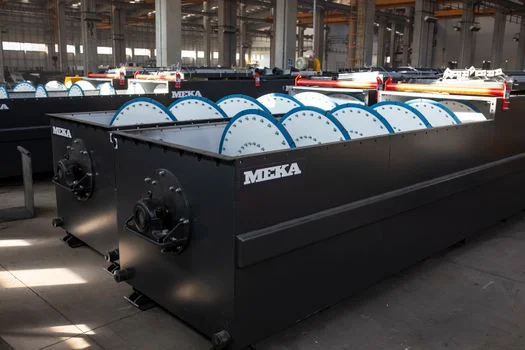
Table 2: Head-to-Head Technology Comparison for Michigan Wastewater Treatment
| Technology | Effluent Quality (BOD/TSS) | CAPEX ($/MGD, typical) | OPEX ($/year, typical) | Cold-Weather Suitability | Michigan Adoption Rate (Est.) |
|---|---|---|---|---|---|
| MBR | <5 mg/L | $1.2M–$4.5M | $0.30–$0.50 per 1,000 gal | High (with insulation) | Growing (municipal & industrial) |
| SBR | <30 mg/L | $0.9M–$3.2M | $0.20–$0.40 per 1,000 gal | Moderate (needs protection) | High (legacy & new) |
| DAF | <10 mg/L TSS (industrial) | $0.5M–$2M (industrial) | $0.15–$0.30 per 1,000 gal (chemical) | High (physical process) | High (industrial) |
| IFAS | <20 mg/L | $1.0M–$3.5M | $0.25–$0.45 per 1,000 gal | High (stable biomass) | Moderate (upgrades) |
| MBBR | <20 mg/L | $1.0M–$3.5M | $0.25–$0.40 per 1,000 gal | High (biofilm protection) | Growing (upgrades & new) |
Michigan’s Wastewater Equipment Suppliers: Lead Times, Service Networks, and Warranties
Lead times for sewage treatment equipment vary significantly, directly impacting Michigan’s seasonal construction windows. Package plants, such as cold-climate package plants for Michigan’s rural communities, typically ship in 4–8 weeks, allowing for quicker deployment, especially for projects in the Upper Peninsula. In contrast, custom-engineered systems, like large SBRs, often require 16–24 weeks for fabrication and delivery (per industry estimates from Hamlett Environmental). Local service networks are critical for minimizing downtime. Leading Michigan-based representatives offer 24/7 emergency support across the Lower Peninsula and Upper Peninsula, ensuring rapid response to critical failures. Some regional suppliers serving Wisconsin/Illinois also maintain Michigan partnerships, offering coordinated service. Warranty terms are another crucial differentiator, especially given Michigan’s harsh winters. MBR membrane warranties typically range from 5–7 years (e.g., Ovivo), while SBR blower warranties are usually 2–3 years (e.g., Aqua-Aerobic). It is essential to verify that warranties explicitly cover cold-weather operation, as some may exclude freeze damage, a common risk in Michigan. A comprehensive supplier scorecard helps evaluate these critical factors.Table 3: Michigan Wastewater Equipment Supplier Scorecard (Illustrative)
| Supplier Type | Typical Lead Time (Weeks) | Local Service Network (Michigan) | Warranty Terms (Key Components) | Michigan Project References (Example) |
|---|---|---|---|---|
| Package Plant Manufacturer | 4–8 (standard) | Direct/Dealer Network (statewide) | 5–10 years (tanks), 2–3 years (electromechanical), specify cold-weather coverage | 12 UP projects since 2018 (small municipal, commercial) |
| Custom System Integrator | 16–24 (engineered) | Regional Reps (24/7 support in LP/UP) | Varies by component, ensure system-level cold-weather clauses | Major municipal plant upgrade in Metro Detroit (recent) |
| Industrial DAF Specialist | 8–16 (modular) | Dedicated Field Service (focused regions) | 2–5 years (system), 1 year (wear parts), process guarantee | Large food processor in Western Michigan (past 3 years) |
CAPEX and OPEX Benchmarks for Michigan Projects: 2026 Cost Models
Table 4: 2026 CAPEX and OPEX Benchmarks for Michigan Wastewater Projects (0.5–5 MGD)
| Technology | CAPEX Range (Low–High) | OPEX Range (per 1,000 gallons) | Michigan-Specific Add-ons (Typical Range) |
|---|---|---|---|
| MBR | $1.2M–$4.5M | $0.30–$0.50 | Cold-Weather Package: $50K–$100K |
| SBR | $0.9M–$3.2M | $0.20–$0.40 | Cold-Weather Package: $30K–$80K |
| DAF (Industrial) | $0.5M–$2M | $0.15–$0.30 (chemical focus) | NPDES Monitoring: $20K–$50K |
| IFAS | $1.0M–$3.5M | $0.25–$0.45 | Remote Telemetry: $15K–$40K |
| MBBR | $1.0M–$3.5M | $0.25–$0.40 | Media Replacement: $20K–$50K (every 10-15 years) |
Zero-Risk Procurement Checklist: How to Select a Supplier in Michigan
Mitigating procurement risk in Michigan’s wastewater sector requires a structured, compliance-first approach to supplier selection. A common pitfall is selecting equipment without fully aligning its performance capabilities with specific NPDES permit requirements. For example, if discharging to Lake Michigan, ensure the selected system can consistently achieve TSS levels below 10 mg/L, as required for sensitive watersheds. The following 5-step checklist minimizes costly errors and ensures long-term operational success:- Step 1: Align Equipment Specs with Michigan’s NPDES Permit. Thoroughly review your facility’s specific permit limits, including BOD, TSS, nutrients (N/P), and any industrial pretreatment standards. Select technologies (e.g., MBR for ultra-low TSS, DAF for FOG removal) that guarantee compliance margins, not just minimums.
- Step 2: Verify Supplier’s Michigan Project References. Request at least three local project references completed within the last two years. Contact these references to assess equipment performance, post-installation support, and cold-weather resilience in real-world Michigan conditions.
- Step 3: Confirm Lead Times Match Michigan’s 6-Month Construction Window. Michigan’s limited construction season (typically May to October) makes lead time critical. For projects requiring quick deployment, prioritize package plants over custom systems that can extend delivery to 16–24 weeks.
- Step 4: Audit Service Agreements for Local Support. Confirm the supplier offers robust, local service agreements. For Upper Peninsula plants, 24/7 emergency support is non-negotiable, while Detroit-area facilities may accept a 48-hour response time for non-critical issues.
- Step 5: Validate Warranties for Cold-Weather Operation. Scrutinize all warranty clauses. Ensure critical components like membranes, blowers, and controls are explicitly covered for freeze-thaw cycles and sustained cold-weather performance.
Frequently Asked Questions
Q: What’s the best sewage treatment technology for Michigan’s cold climate?
A: MBBR and IFAS systems perform exceptionally well below 10°C, offering 90%+ nitrification rates due to their protected biofilms (per EPA Cold Climate Manual). MBR systems are also cold-resistant but typically require insulated tanks and heating elements to prevent membrane fouling and maintain efficiency. Choosing cold-climate package plants can also simplify installation and ensure performance.
Q: How much does a 1 MGD wastewater treatment plant cost in Michigan?
A: A 1 MGD plant in Michigan can range from $0.9M–$3.2M for an SBR system and $1.2M–$4.5M for an MBR system. These figures include typical cold-weather packages and major equipment. Projects in the Upper Peninsula often incur 10–15% higher costs due to increased shipping and labor expenses.
Q: Which Michigan suppliers offer 24/7 service for emergency repairs?
A: Leading Michigan-based manufacturer representatives provide 24/7 support across the Lower Peninsula and Upper Peninsula. Additionally, manufacturers of package systems maintain a network of local dealers. Response times for critical failures typically average 2–4 hours.
Q: What are Michigan’s NPDES permit limits for industrial dischargers?
A: Industrial dischargers in Michigan typically face NPDES permit limits of <30 mg/L BOD/TSS. However, facilities discharging into sensitive watersheds, such as those within the Great Lakes Basin, must meet stricter limits, often <10 mg/L BOD/TSS. DAF systems are highly effective for industrial applications, achieving <10 mg/L TSS for sectors like food processing (per Hamlett’s Cerlic data).
Q: How long does it take to install a package sewage treatment plant in Michigan?
A: Installation for package sewage treatment plants, like the WSZ series, typically takes 8–12 weeks. For custom-engineered systems, such as large SBRs, the installation timeline can extend to 16–24 weeks, requiring careful planning around Michigan’s construction season.
Related Equipment
- Michigan-ready MBR systems with cold-weather insulation — view specifications, capacity range, and technical data
- DAF systems for Michigan’s industrial FOG removal — view specifications, capacity range, and technical data
- Cold-climate package plants for Michigan’s rural communities — view specifications, capacity range, and technical data
Need a customized solution? Request a free quote with your specific flow rate and pollutant parameters.