Why Mongolia Needs Reliable Sewage Treatment Equipment in 2025
Mongolia faces a critical juncture in 2025 regarding its water resources, necessitating robust and reliable sewage treatment equipment. The nation grapples with severe water stress, evidenced by 80% of its surface water being polluted (UNEP 2023) and approximately 60% of Ulaanbaatar’s wastewater remaining untreated (World Bank 2024). This dire situation is exacerbated by extreme climatic conditions, where equipment must reliably operate through winters that can plummet to -40°C, demanding specialized designs like insulated pipes and freeze-resistant aeration systems. Concurrently, a regulatory imperative is driving change; Mongolia’s Water Law, significantly amended in 2023, mandates secondary treatment for all municipal wastewater treatment plants (WWTPs) by 2027, with substantial penalties for non-compliance. Beyond municipal needs, the mining and food processing sectors, accounting for 40% of Mongolia’s wastewater treatment market (Mongolian Statistical Office 2024), require sophisticated industrial solutions. a growing emphasis on water reuse, with 70% of treated effluent in Ulaanbaatar already allocated for irrigation (Top 1 PAA: 'Is there a water shortage in Mongolia?'), underscores the need for advanced tertiary treatment capabilities, such as those offered by Membrane Bioreactor (MBR) or Reverse Osmosis (RO) systems.
Types of Sewage Treatment Equipment for Mongolia’s Climate and Regulations
Selecting the right sewage treatment equipment for Mongolia requires a nuanced understanding of its climate, regulatory framework, and specific application needs. For decentralized or smaller utilities, mechanical treatment modules like Esmil's M-Comby units, which were part of their 2022 contract for four Mongolian cities, offer an integrated solution. These modules combine screening, grit removal, and grease separation, achieving capacities of up to 200 m³/h with 95% Total Suspended Solids (TSS) removal, and significantly reduce capital expenditure due to their compact, multi-stage design.
Biological treatment is central to meeting Mongolia's secondary treatment mandate. Anoxic/Oxic (A/O) systems are prevalent in existing municipal WWTPs, such as the Ulaanbaatar Central WWTP. For applications prioritizing water reuse and a smaller footprint, Membrane Bioreactor (MBR) systems present a superior alternative, offering enhanced effluent quality albeit with higher energy consumption compared to conventional activated sludge processes.
Sludge dewatering is a critical step in managing the byproducts of wastewater treatment. Multi-disc screw presses, like the Esmil MDQ-202/203, offer superior dewatering efficiency, typically achieving 92-97% solids content, compared to belt presses at 85-90%. Their lower energy consumption (around 0.1 kWh/kg dry solids) and reduced maintenance needs, particularly in cold climates where lubrication is crucial, make them a compelling choice. In contrast, belt presses consume approximately 0.3 kWh/kg dry solids.
Disinfection is essential to meet discharge and reuse standards. Due to Mongolia's low temperatures and high water turbidity, Chlorine Dioxide (ClO₂) generators, such as HydropureWater’s, are often preferred over UV disinfection. ClO₂ offers effective disinfection across a wider temperature range and is supported by WHO Guidelines for Drinking-water Quality (2022) for its efficacy.
For water reuse projects demanding the highest effluent quality, MBR systems, like the HydropureWater DF Series, are indispensable. These systems utilize membranes with pore sizes around 0.1 μm and achieve flux rates of 15-25 LMH, reliably meeting Mongolia’s stringent reuse standards for irrigation, which typically require BOD levels below 10 mg/L and minimal fecal coliforms.
| Equipment Type | Typical Application in Mongolia | Key Performance Indicators | Cold-Climate Considerations | Mongolia-Specific Suppliers |
|---|---|---|---|---|
| Mechanical Treatment Modules (e.g., M-Comby) | Small municipal WWTPs, pre-treatment | Capacity: 200 m³/h, TSS Removal: 95%, CAPEX Reduction | Robust construction, easy access for maintenance | Esmil |
| Biological Treatment (A/O, MBR) | Municipal secondary treatment, industrial effluent, water reuse | BOD/COD Removal: >90%, MBR Effluent Quality: <10 mg/L BOD, <0.1 μm pore size | Insulated tanks, freeze-resistant aeration (A/O), operational stability at low temps (MBR) | Esmil, Xylem, HydropureWater |
| Sludge Dewatering (Multi-disc Screw Press) | Sludge management in municipal and industrial WWTPs | Dewatering Efficiency: 92-97%, Energy Use: 0.1 kWh/kg DS | Specialized cold-weather lubricants, heated enclosures | Esmil, HydropureWater |
| Disinfection (ClO₂ Generators) | Effluent disinfection for discharge or reuse | Log Reduction of Pathogens: 4-5 log, Residual Disinfection | Stable generation and dosing at -40°C, minimal impact from turbidity | HydropureWater |
| Tertiary Treatment (MBR) | High-quality effluent for water reuse (irrigation, industrial) | BOD: <10 mg/L, TSS: <5 mg/L, Fecal Coliforms: <1,000 CFU/100 mL | Membrane integrity monitoring, anti-freeze protocols | HydropureWater |
WSZ series underground STPs are also suitable for compact applications in Mongolia’s challenging terrain.
Top 5 Sewage Treatment Equipment Suppliers in Mongolia: Technical Comparison
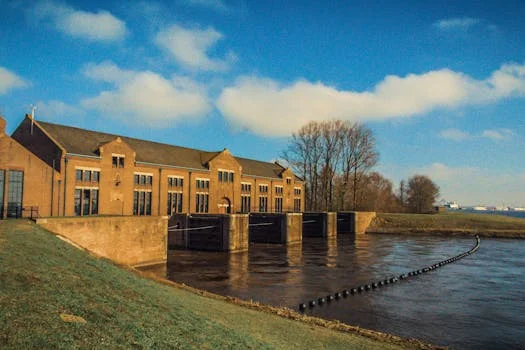
Navigating the supplier landscape for sewage treatment equipment in Mongolia requires a data-driven approach, considering local conditions, regulatory compliance, and long-term operational costs. The following comparison matrix highlights key players and their offerings:
| Supplier | Strengths | Weaknesses | Mongolia Project Experience | Technical Specialization | Cost Competitiveness (CAPEX) | Cold-Climate Features |
|---|---|---|---|---|---|---|
| Esmil Group | Extensive global manufacturing, proven project execution in Mongolia, high-efficiency sludge dewatering (MDQ presses). | Potentially longer lead times, higher initial capital expenditure (CAPEX) compared to some competitors. | Contract for 4 cities (2022) including 3 multi-disc screw presses (MDQ-202/203), aeration systems (Tube Air Diffusers), and 4 M-Comby mechanical treatment modules. | Sludge dewatering, mechanical pre-treatment (M-Comby), aeration systems. | Mid-to-High | Equipment designed for robust performance in extreme temperatures, as demonstrated by their Mongolia project. |
| Xylem Mongolia | Focus on energy-efficient municipal systems, advanced pumping technologies, broad portfolio for municipal and industrial applications. | May require higher initial investment; local support network might be less extensive than purely local providers. | Supplies pumps, clarifiers, and advanced treatment technologies for municipal WWTPs. Known for energy-efficient aeration solutions. | Pumping, clarification, aeration, filtration, process optimization. | Mid-to-High | Offers solutions designed for energy efficiency and long-term durability, implicitly suitable for cold climates. |
| Mongol WaterTech Solutions | Local presence, rapid deployment capabilities (approx. 3-month lead time), understanding of local operational challenges. | Potentially limited range of highly specialized equipment compared to global manufacturers; compliance documentation may need rigorous verification against international standards. | Active in the Mongolian market, providing water and wastewater treatment solutions for various municipal and industrial clients. | General water treatment, pumping, filtration, localized solutions. | Mid | Likely to offer solutions adapted to local conditions, but specific cold-climate features need detailed inquiry. |
| GreenFlow Engineering LLC | Specializes in industrial WWTPs, particularly for mining and food processing sectors; offers integrated solutions like DAF and anaerobic digestion. | May have less experience in large-scale municipal projects compared to Esmil or Xylem. | Proven track record in designing and implementing industrial WWTPs in Mongolia, addressing specific pollutant challenges. | Industrial wastewater treatment, DAF, anaerobic digestion, chemical treatment. | Mid-to-High | Solutions are typically robust, but specific cold-weather adaptations for industrial processes would require consultation. |
| HydropureWater | Cost-effective solutions (20-30% lower CAPEX than Esmil/Xylem), robust cold-climate features integrated into standard products, strong MBR and disinfection offerings. | Global brand recognition might be less established in Mongolia compared to Esmil or Xylem. | Increasing presence, offering WSZ series underground STPs and MBR systems designed for harsh environments. | MBR, underground STPs, ClO₂ disinfection, DAF systems. | Low-to-Mid | Standard equipment includes enhanced insulation, freeze protection, and remote monitoring capabilities suitable for -40°C operations. |
For rapid deployment and localized support, local suppliers like Mongol WaterTech Solutions are advantageous. However, for large-scale municipal projects requiring proven, high-efficiency technologies and extensive cold-climate track records, international vendors like Esmil and Xylem offer comprehensive solutions. HydropureWater stands out for its balance of cost-effectiveness and integrated cold-climate features, making it a strong contender for projects prioritizing both budget and performance in Mongolia.
Mongolia’s Sewage Treatment Compliance Standards: What Equipment Must Meet
Compliance with Mongolia’s environmental regulations is paramount for any sewage treatment project. The amended Mongolia’s Water Law (2023) mandates secondary treatment for all municipal WWTPs by 2027. This translates to effluent discharge limits of typically less than 25 mg/L BOD and 30 mg/L TSS. For industrial sectors, particularly mining, adherence to MNS 585:2020 is critical. This standard sets strict limits for parameters such as pH (6-9) and heavy metals (e.g., less than 0.1 mg/L for Cadmium), necessitating advanced treatment technologies like Dissolved Air Flotation (DAF) systems, such as the HydropureWater DAF line, which are effective in removing suspended solids and certain dissolved metals.
The growing focus on water reuse, driven by scarcity, imposes even stricter requirements for treated effluent quality. Adherence to WHO Guidelines for Drinking-water Quality (2022) is a benchmark, particularly concerning microbial contaminants. For irrigation purposes, effluent must typically contain fewer than 1,000 CFU/100 mL of fecal coliforms. Achieving this level of purity reliably, especially in cold climates, is best accomplished with MBR systems like the HydropureWater DF Series, which provide a physical barrier against pathogens and suspended solids, often eliminating the need for additional disinfection stages.
Equipment must also be engineered to withstand Mongolia’s extreme cold. This includes features like insulated tanks and pipes, freeze-resistant components, and operational systems that can function reliably at -40°C. Suppliers must be able to provide comprehensive documentation, including Mongolia-specific compliance certificates confirming adherence to MNS 585, alignment with WHO standards, and evidence of cold-climate performance, such as case studies from similar projects, like Esmil’s successful implementation in Mongolia.
Cost Breakdown: Sewage Treatment Equipment in Mongolia (2025 Data)
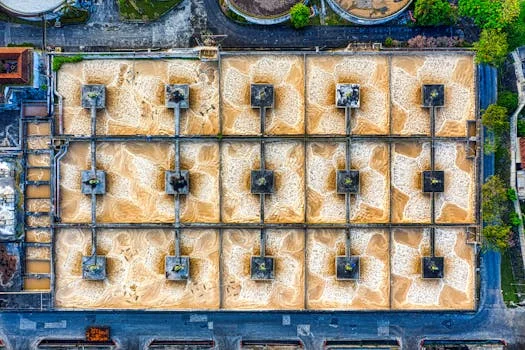
Budgeting for sewage treatment equipment in Mongolia requires a clear understanding of both capital expenditure (CAPEX) and operational expenditure (OPEX), influenced by technology choice, capacity, and local conditions. For underground package sewage treatment plants (STPs), such as the HydropureWater WSZ Series, costs typically range from $120,000 to $500,000 for capacities between 10 to 80 m³/h. MBR systems, essential for water reuse applications, represent a higher CAPEX, ranging from $250,000 to $1.2 million for capacities of 10 to 200 m³/day, this often includes the cost of membrane replacement over the system's lifecycle.
| Equipment Category | Typical Capacity Range | Estimated CAPEX (USD) | Estimated OPEX (per m³ treated, USD) | Key OPEX Components |
|---|---|---|---|---|
| Underground STP (e.g., HydropureWater WSZ Series) | 10–80 m³/h | $120,000–$500,000 | $0.20–$0.40 | Energy, minor chemical use, routine maintenance |
| MBR System (e.g., HydropureWater DF Series) | 10–200 m³/day | $250,000–$1,200,000 | $0.30–$0.50 | Energy (higher for aeration/pumping), membrane replacement, chemicals, maintenance |
| DAF System (e.g., HydropureWater) | 4–300 m³/h | $80,000–$300,000 | $0.15–$0.30 | Energy (air compressors), chemicals (coagulants, flocculants), maintenance |
| Multi-Disc Screw Press (Sludge Dewatering) | Integrated into WWTP | $50,000–$200,000 (per unit) | $0.05–$0.10 | Energy, polymer chemicals, maintenance |
Operational costs are a significant factor in the total lifecycle cost. Energy consumption in Mongolia averages $0.15–$0.30 per m³ treated, considering industrial electricity tariffs of approximately 180 MNT/kWh. Chemical costs for processes like coagulation, flocculation, and disinfection (e.g., ClO₂) typically add another $0.05–$0.15 per m³. Maintenance, which can be higher for international suppliers due to spare parts lead times, averages $0.02–$0.08 per m³.
The return on investment (ROI) framework should consider these costs in conjunction with the increasing value of treated water for reuse, especially in water-scarce regions like Mongolia. MBR systems, despite their higher CAPEX, can offer faster payback periods of 5–7 years compared to conventional STPs (8–10 years) when the value of water reuse is factored in. Projects can also explore financing options from institutions like the Asian Development Bank, which can significantly impact the overall financial viability.
How to Select a Sewage Treatment Equipment Supplier in Mongolia: Decision Checklist
Selecting the right sewage treatment equipment supplier in Mongolia requires a systematic evaluation process to ensure long-term performance, compliance, and cost-effectiveness. Follow this checklist:
- Verify Compliance: Confirm that the supplier's equipment demonstrably meets Mongolia’s Water Law (2023 amendments) and specific industrial standards such as MNS 585:2020. Request official, Mongolia-specific compliance certificates and test reports.
- Assess Cold-Climate Performance: Inquire about the supplier's experience and provide case studies of their equipment operating successfully in environments with temperatures as low as -40°C. Reference projects like Esmil’s 2022 contract in Mongolia as a benchmark for cold-weather reliability.
- Evaluate Lead Times: Understand the delivery timelines. Local suppliers, such as Mongol WaterTech Solutions, may offer significantly shorter lead times (e.g., 3 months) compared to international vendors (e.g., 6–12 months), which can be critical for project schedules.
- Compare Lifecycle Costs: Look beyond the initial CAPEX. Analyze the total cost of ownership, including energy consumption (e.g., Xylem's energy-efficient pumps), chemical usage (e.g., chemical dosing strategies for Mongolia’s cold-climate WWTPs), maintenance requirements, and expected lifespan. HydropureWater often presents a compelling case with lower CAPEX and integrated cold-climate features.
- Confirm Local Support: Investigate the availability of local technical support, spare parts, and maintenance services. While global players like Xylem and Esmil have extensive networks, local providers often offer more immediate on-site assistance. For instrumentation, consider suppliers like KROHNE for their local support.
- Prioritize Reuse Compatibility: If water reuse is a project objective, give preference to suppliers offering advanced tertiary treatment technologies, such as MBR systems (e.g., HydropureWater DF Series), that can reliably meet stringent reuse standards.
- Explore Financing Options: Investigate if suppliers offer flexible payment terms or financing solutions. For large municipal projects, explore potential funding from development banks like the Asian Development Bank, which may influence supplier selection based on their experience with such financing structures.
Frequently Asked Questions
Which country has the best sewage treatment plant technology?
Countries like Germany, Denmark, and Singapore are recognized leaders in advanced sewage treatment technologies, including energy-positive WWTPs and 100% water reuse systems. However, for Mongolia's specific context of extreme cold and water scarcity, adapted solutions are paramount. Suppliers such as Esmil (Poland) and HydropureWater (China) offer cold-climate-optimized systems with proven deployments in Mongolia, as demonstrated by Esmil’s 2022 contract for four cities.
Is there a water shortage in Mongolia?
Yes, Mongolia faces a severe water shortage. Approximately 80% of its surface water is polluted (UNEP 2023), and Ulaanbaatar's water demand exceeds supply by about 30% (World Bank 2024). This scarcity drives the demand for equipment that enables water reuse, such as MBR systems and advanced tertiary treatment technologies.
What’s the difference between STP and WWTP?
An STP (Sewage Treatment Plant) primarily treats domestic wastewater from sources like households and offices. A WWTP (Wastewater Treatment Plant) is a broader term that encompasses the treatment of both domestic sewage and industrial effluent. While Mongolia’s Water Law mandates secondary treatment for both, industrial WWTPs, often involving processes like DAF systems and anaerobic digestion, require additional pre-treatment to manage specific pollutants like heavy metals and pH imbalances.
Which country is the largest exporter of water and sewage process technology?
Germany and the United States are historically the largest exporters of water and sewage process technology globally, with companies like Siemens, Hach, Xylem, and Evoqua being major players. However, China, represented by manufacturers like HydropureWater, is emerging as a significant and rapidly growing exporter to Mongolia. HydropureWater offers competitive pricing (20–30% lower CAPEX) and equipment tailored for Mongolian conditions, including cold-climate insulation and remote monitoring capabilities.
How much does a sewage treatment plant cost in Mongolia?
The cost of a sewage treatment plant in Mongolia varies significantly by capacity and technology. For instance, underground STPs like the HydropureWater WSZ Series (10–80 m³/h) range from $120,000 to $500,000. MBR systems (10–200 m³/day) are priced between $250,000 and $1.2 million, including membrane replacement. Industrial DAF systems (4–300 m³/h) typically cost $80,000 to $300,000. Operational costs, including energy and chemicals, generally fall between $0.20 and $0.50 per cubic meter treated, depending on the specific technology and local utility rates.
Related Equipment
- ClO₂ generators for Mongolia’s cold-climate disinfection — view specifications, capacity range, and technical data
Need a customized solution? Request a free quote with your specific flow rate and pollutant parameters.