Wastewater Treatment Chemicals at a Glance
Wastewater treatment chemicals cover coagulation, flocculation, pH control, disinfection, odor and foam control, and sludge conditioning. At industrial and municipal doses, metal coagulants at 10-50 mg/L remove 92-97% of TSS when influent TSS is 50-500 mg/L. PAM at 1-5 mg/L finishes clarification; disinfectants and pH adjusters keep the train inside permit windows.
Twelve workhorse reagents dominate most plants: ferric chloride, PAC, alum, ferrous sulfate, polyacrylamide, sodium hydroxide, sulfuric acid, sodium hypochlorite, chlorine dioxide, hydrogen peroxide, silicone defoamers, and cationic dewatering polymers. This guide keeps the engineering doses, compatibility rules, and 2025 cost benchmarks that operators still use for 2026 OPEX planning.
Why Chemical Selection Fails: A Case Study from a Textile Plant
A textile manufacturing facility in Gujarat failed to meet EPA-style discharge limits despite utilizing a standard 30 mg/L alum dosing regimen. The plant faced influent COD averaging 1,200 mg/L, while local rules mandated a discharge limit of 100 mg/L. Under the initial configuration, the alum-based treatment achieved only 65% COD removal, leaving the effluent at 420 mg/L—well above compliance thresholds and forcing expensive secondary biological upgrades.
The failure traced to high alkalinity and dye chemistry that made alum inefficient. Switching to ferric chloride at 40 mg/L plus anionic polyacrylamide at 2 mg/L dropped effluent COD to 88 mg/L. According to 2024 benchmarks in the original plant review, the alum train cost $0.28/m³, while the ferric-polymer train fell to $0.12/m³ through faster settling and less sludge mass.
Process order matters as much as reagent choice. Wastewater first passes coarse and fine screens, then an equalization tank that dampens hydraulic and organic swings. Chemicals enter a rapid-mix tank for coagulation, then a slow-mix flocculator. Flocs leave in a clarifier or via DAF systems for high-efficiency solids removal after chemical coagulation, before filtration and disinfection. Each stage needs a matched dose so downstream units do not overload.
Are Design Targets the Same as Discharge Standards?
Design effluent targets are not the same as legal discharge standards; standards are the permit ceiling, while design targets are the lower setpoints engineers use for day-to-day control. A permit might allow 100 mg/L COD, yet the process design may aim for 50-80 mg/L so load spikes, temperature swings, and instrument lag still leave a compliance margin. Meeting the legal number on a calm day does not prove the plant can hold it when dye dumps or storm flow arrive.
Tables in a process package often list both values. The red-box figure is usually the design or guarantee value, not the regulatory limit itself. Confirm which column is labeled “permit,” “design,” or “guarantee” before you cut chemical dose or trim tank volume. Mixing those columns is a common source of under-designed coagulation and disinfection trains.
Why Design Effluent Lower Than Permit Limits?
Plants design below permit limits to protect against variability, reuse goals, and future tighter permits without rebuilding the chemical system. Lower setpoints raise capital and OPEX only when the gap is large; a modest buffer often costs less than a non-compliance event or a retrofit. Reclaimed-water reuse is the usual reason to push indicators far below discharge rules, because reuse specs for turbidity, residual chlorine, and nutrients are stricter than most NPDES numbers.
Most plants we size for industrial clients run chemical doses at the lower end of jar-test ranges once the process is stable, then keep the design buffer in tankage and redundancy. If reuse is not planned and the permit is already easy, shrink the buffer and spend on metering accuracy instead of excess coagulant. That trade-off is where automatic dosing pays back fastest.
The 6 Core Functions of Wastewater Chemicals: Engineering Parameters
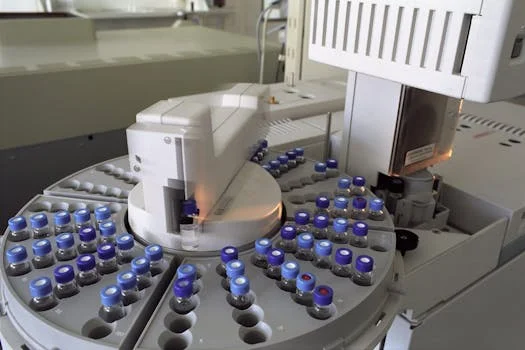
Modern chemical treatment achieves up to 97% TSS removal when zeta potential and dose match the influent. Success depends on pairing each chemical role with measured wastewater chemistry. For nutrient-heavy sites, Indiana’s 2025 industrial wastewater treatment requirements still stress phosphorus control, which hinges on metal-based coagulants.
Six functions define most chemical programs:
- 1. Solid Particle Removal: Coagulants like ferric chloride or PAC neutralize negative surface charges. At influent TSS of 50-500 mg/L, these chemicals achieve 92-97% removal (EPA 2024 benchmarks cited in plant data packages).
- 2. pH Adjustment: Sodium hydroxide (50% solution) or sulfuric acid (93-98%) hold a 6.5-8.5 pH band. Dropping below pH 5.0 with acid overfeed can etch concrete basins within hours.
- 3. Disinfection: Chlorine at 0.5-5 mg/L or chlorine dioxide at 1-2 mg/L target about 99.9% pathogen kill under adequate contact time. Earlier plant notes cited 40 CFR 141.23 for a 4 mg/L chlorine ceiling; the drinking-water MRDL is set at 4.0 mg/L as Cl2 in 40 CFR 141.65 (eCFR). Wastewater NPDES total residual chlorine limits are usually much tighter and permit-specific.
- 4. Odor Control: Hydrogen peroxide (35%) oxidizes H2S at 1-5 mg/L. Sodium hypochlorite (12.5%) is an alternative at 2-10 mg/L when sulfide load is moderate.
- 5. Foam Prevention: Silicone defoamers dose at 0.1-0.5 mg/L. Overuse can coat MBR membranes and cut flux, so start low and watch transmembrane pressure.
- 6. Sludge Conditioning: Cationic polyacrylamide at 0.5-2 mg/L bridges fines into heavy flocs and can cut sludge volume 30-50% before mechanical dewatering.
| Chemical Function | Primary Chemicals | Typical Dosing Rate | Efficiency Benchmark |
|---|---|---|---|
| Coagulation | PAC, Ferric Chloride | 10 - 50 mg/L | 92-97% TSS Removal |
| Flocculation | Polyacrylamide (PAM) | 1 - 5 mg/L | 85-95% TSS Reduction |
| Disinfection | ClO₂, NaOCl | 0.5 - 5 mg/L | 99.9% Pathogen Kill |
| pH Control | NaOH, H₂SO₄ | As needed (pH 6.5-8.5) | +/- 0.1 pH Precision |
| Sludge Conditioning | Cationic PAM | 0.5 - 2 mg/L | 30-50% Vol. Reduction |
Chemical Compatibility Matrix: Which Coagulants Work with Which Flocculants?
Chemical incompatibility between coagulants and flocculants can cut TSS removal by as much as 40% through premature precipitation or failed charge neutralization. The primary coagulant sets particle charge; the flocculant bridges those particles. Wastewater pH and polymer ionic charge decide whether those steps cooperate or cancel each other.
A paper mill paired alum with cationic polyacrylamide at pH 6.2 while the polymer needed about pH 7.5. Flocs stayed microscopic, settling failed, and effluent turbidity stayed high. Anionic flocculants usually pair with inorganic coagulants at pH 7-9, while cationic flocculants work better near pH 5-7.
Engineers often start near a 20:1 coagulant-to-flocculant mass ratio, then trim with jar tests. PLC-controlled chemical dosing systems for precise wastewater treatment let turbidity sensors adjust feed in real time and reduce pin-floc from chronic overdosing.
| Coagulant Type | Anionic PAM | Cationic PAM | Non-ionic PAM | Notes |
|---|---|---|---|---|
| Ferric Chloride | ✓ Optimal | ⚠ pH Sensitive | ✗ Precipitation Risk | Best for high COD loads. |
| Alum | ✓ Good | ⚠ Reduced Floc Size | ✓ Stable | Requires tight pH control. |
| PAC | ✓ Optimal | ✓ Good | ✓ Stable | Versatile for turbidity. |
| Ferrous Sulfate | ⚠ High Dose Req. | ✗ Incompatible | ✓ Good | Effective for Cr(VI) reduction. |
Dosing Rates and Costs: 2025 Benchmarks for Industrial and Municipal Wastewater
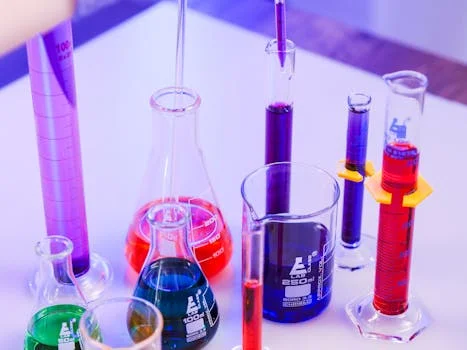
Chemical OPEX in 2025 ranged from $10.00 to $120.00 per 1,000 m³, depending on influent COD and disinfection duty. Those unit prices still frame 2026 budgets when jar-test doses are unchanged. Chlorine gas remains cheap at about $0.20/kg, yet safety hardware often makes on-site chlorine dioxide generators for EPA-compliant disinfection competitive because dose demand and byproduct load are lower.
At a municipal flow of 5,000 m³/day, switching from alum to PAC can cut spend even when PAC costs more per kilogram. PAC at $0.50/kg and 20 mg/L often beats alum at $0.30/kg and 40 mg/L, saving about $18,250 per year in procurement alone (HydropureWater field data, 2025). High-quality cationic PAM in sludge conditioning also lowers cake moisture and can cut disposal cost by $0.05 to $0.10 per m³ of water treated.
| Chemical | Avg. Dose (mg/L) | Cost ($/kg) | Cost per 1,000 m³ | Primary Application |
|---|---|---|---|---|
| Ferric Chloride (40%) | 30 | $0.35 | $10.50 | Industrial COD Removal |
| PAC (10% Solution) | 20 | $0.50 | $10.00 | Municipal Clarification |
| Polyacrylamide (PAM) | 2 | $3.50 | $7.00 | Flocculation/Dewatering |
| Sodium Hypochlorite | 5 | $0.45 | $2.25 | General Disinfection |
| Chlorine Dioxide | 1.5 | $1.20 | $1.80 | Advanced Disinfection |
Chemical Selection Decision Tree: Matching Wastewater Type to Treatment Chemistry
Optimal chemical suites follow conductivity, alkalinity, and the dominant organics—not a single default recipe. One-size programs create excess sludge or failed compliance. When comparing chlorine dioxide vs UV disinfection for industrial wastewater, high suspended solids that shield microbes from UV often push plants back to chemical disinfection.
- Food Processing Wastewater: High FOG. Selection: PAC at 25 mg/L plus cationic PAM at 1 mg/L. Result: about 90% FOG removal and 92% TSS removal under matched mixing.
- Textile Wastewater: High color and pH 9-11. Selection: ferric chloride at 40 mg/L plus anionic PAM at 2 mg/L. Result: about 88% COD removal and 95% color removal after pH correction.
- Petrochemical Wastewater: Hydrocarbons and phenols. Selection: Fenton’s reagent (H2O2 plus ferrous sulfate) for advanced oxidation, then NaOH for pH recovery.
- Municipal Wastewater: High volume, low COD. Selection: alum at 30 mg/L plus non-ionic PAM at 1 mg/L. Result: cost-effective ~85% TSS removal in warm water.
Red Flag: Avoid chlorine-based disinfection on high-ammonia wastewater without a breakpoint chlorination check. Chloramines form easily, disinfect poorly, and face tight residual limits in many permits.
Selection checklist before you lock the chemical suite
- Jar-test coagulant dose across the real pH band, not only at laboratory pH 7.
- Confirm alkalinity so metal salts will not crash pH below 6.5 after dosing.
- Match polymer charge to coagulant residual charge; verify with a 20:1 starting ratio.
- Separate permit limits from design/reuse targets before sizing tanks and pumps.
- Price sludge disposal with chemical OPEX; cake solids often dominate total cost.
- Check disinfection byproducts and residual caps in the actual discharge permit.
- Specify NSF/ANSI 60 or equivalent monomer limits when PAM contacts reuse water.
Troubleshooting Chemical Dosing: 5 Common Problems and Solutions
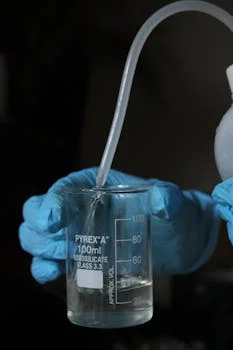
Inaccurate chemical dosing accounts for about 25% of compliance failures in industrial wastewater plants, often as sludge bulking or pH swings. Operators should prefer flocculant dosing units vs manual mixing for wastewater treatment when polymer aging and human error keep returning the same turbidity spikes.
- Over-flocculation (Excessive Sludge): If sludge volume is high relative to influent solids, cut flocculant dose by 20% or raise flocculator energy. Excess polymer traps water and resists dewatering.
- pH Swings After Dosing: Alum and ferric chloride consume alkalinity. If pH falls below 6.5, add PID-controlled NaOH. A practical trim is about 0.5 mg/L NaOH per 0.1 pH unit of recovery needed.
- Poor TSS Removal (Turbid Effluent): Confirm pH 6.5-8.5 first. If pH is correct, jar-test and raise coagulant in 10% steps until clarity improves.
- Foaming After Defoamer Addition: Persistent foam may mean the product fights the surfactants present. Return to 0.1-0.5 mg/L or switch to a silicone-free grade on MBR trains.
- Chlorine Residual Too High: If residual approaches the old 4 mg/L drinking-water ceiling cited in plant notes, cut feed at once. For rapid quench before discharge, dose sodium bisulfite at 1-2 mg/L; follow the NPDES residual, which is often far below 4 mg/L.
Who This Is For / Next Step
This guide is for plant engineers, EPC designers, and procurement teams comparing coagulants, polymers, and disinfectants against jar-test data and permit language. Look elsewhere if you need a full biological process design or a site-specific treatability study with laboratory analytics. To size pumps, tanks, and reagents against your influent and reuse goals, request a chemical treatment and dosing review with flow, COD, TSS, and permit limits attached.
Frequently Asked Questions
What is the most cost-effective coagulant for municipal wastewater?
PAC is often the most cost-effective municipal coagulant at 10-30 mg/L and about $0.50/kg on 2025 price sheets. It typically delivers 90-95% TSS removal under clarified municipal TSS loads. PAC is less pH-sensitive than alum, so secondary caustic or acid demand stays lower when alkalinity is already thin.
Can I use chlorine and chlorine dioxide together?
No. Chlorine and chlorine dioxide react and can form chlorite, which drinking-water rules limit near 1 mg/L as chlorite. Choose one primary chemical disinfectant for the contact basin. Switch to UV when the permit requires near-zero chemical residual in the final effluent stream.
How do I calculate chemical dosing rates for my plant?
Start from the jar-test dose, apply a safety factor, then scale by flow: mass per day equals dose in mg/L times flow in m³/d divided by 1,000. Example: if 25 mg/L PAC gives 90% TSS removal, dose 30 mg/L with a 20% factor at 1,000 m³/day, which equals 30 kg/day of PAC as dosed.
What chemical impurity limits apply to polyacrylamide?
According to 40 CFR 141.111, public drinking-water systems must keep acrylamide at or below 0.05% monomer dosed at 1 ppm (or equivalent). EPA’s 2024 Six-Year Review restates the same 0.05% and 1 mg/L pairing for acrylamide polymers. EU REACH discussions also flag high residual acrylamide near 0.1%; verify product certificates before reuse applications.
How do I reduce chemical costs without sacrificing performance?
Use automatic dosing tied to turbidity or streaming current, replace alum with PAC where jar tests allow a lower mass dose, and improve sludge dewatering so disposal cost falls. Anaerobic digestion of sludge can also trim secondary-stage chemical demand by about 15-20% when digester supernatant returns stay controlled.