Indiana’s 2025 Industrial Wastewater Regulations: IDEM vs. EPA Standards
Indiana’s industrial wastewater treatment landscape in 2025 is shaped by IDEM’s stricter pretreatment standards (e.g., 1.0 mg/L chromium for metal finishers) and EPA’s 2024 benchmarks for TSS removal (92–97%). Facilities in food processing, metal finishing, and pharmaceuticals face average treatment costs of $0.50–$5.00/gallon, depending on technology (DAF systems: $1.20–$2.80/gallon; MBR: $2.50–$4.50/gallon). This guide provides Indiana-specific compliance requirements, equipment performance data, and a cost-benchmarked decision framework for selecting systems that meet 2025 discharge limits while minimizing operational expenses.
Industrial facility managers in Indiana must navigate a dual-layered regulatory environment where the Indiana Department of Environmental Management (IDEM) often enforces standards that exceed federal EPA categorical limits. For 2025, IDEM’s Office of Water Quality has prioritized the reduction of nutrient loading and heavy metals in municipal sewer systems. According to IDEM’s 2024 Pretreatment Program Annual Report, food processing facilities are now targeted for Biochemical Oxygen Demand (BOD) limits of 250 mg/L and Total Suspended Solids (TSS) of 300 mg/L to avoid heavy surcharges. Metal finishing operations face even tighter constraints, with chromium limits set at 1.0 mg/L and nickel at 2.0 mg/L.
Local municipalities add a third layer of complexity through localized surcharges. In Muncie, for instance, industrial users face BOD fees ranging from $0.12 to $0.45 per pound, while Indianapolis facilities report TSS surcharges between $0.25 and $0.60 per pound. These fees are not merely administrative; for a high-volume processor, they can represent 30% of total operational overhead. Failure to pre-treat effectively leads to significant financial exposure. 2023 IDEM data indicates that 42% of industrial violations were due to TSS exceedances, followed by 28% for heavy metals and 15% for pH swings. Fines for these violations typically range from $5,000 to $50,000 per occurrence, depending on the severity and duration of the exceedance.
| Industry Sector | Parameter | IDEM 2025 Limit | EPA 2024 National Benchmark | Indiana Local Surcharge (Avg) |
|---|---|---|---|---|
| Food Processing | BOD / TSS | 250 / 300 mg/L | 92–97% Removal | $0.12–$0.60/lb |
| Metal Finishing | Cr / Ni / Zn | 1.0 / 2.0 / 2.5 mg/L | <0.5 mg/L (Total Metals) | Varies by POTW |
| Pharmaceuticals | COD / Phenols | 500 / 0.5 mg/L | 95% Reduction | $0.35–$0.75/lb COD |
| General Mfg | pH / FOG | 6.0–9.0 / <100 mg/L | 99% FOG Removal | $500–$2,500/violation |
Treatment Technologies for Indiana’s Top Industrial Wastewaters: Performance, Costs, and Use Cases
Selecting the appropriate technology requires balancing effluent quality against the total cost of ownership (TCO). In Indiana, Dissolved Air Flotation (DAF) is the primary choice for the state's robust food processing and meatpacking sectors. Indiana-optimized DAF systems for food processing and metal finishing achieve 90–98% TSS removal and over 95% Fats, Oils, and Grease (FOG) reduction. While highly effective, DAF systems produce a significant volume of sludge (2–5% solids), which requires further dewatering to manage Indiana’s rising sludge disposal costs, currently averaging $0.08–$0.25 per pound.
For pharmaceutical giants like those operating in Indianapolis, Membrane Bioreactors (MBR) provide the highest level of treatment. MBR systems for Indiana pharmaceutical and high-strength industrial wastewaters deliver BOD removal rates of 98–99% and produce effluent with TSS levels below 1 mg/L. Although the capital cost is higher—ranging from $2.50 to $4.50 per gallon treated—the footprint is 50% smaller than traditional activated sludge systems, making it ideal for urban industrial sites where space is at a premium.
Chemical precipitation remains the standard for the metal finishing industry in regions like Elkhart and South Bend. By adjusting pH to the isoelectric point of specific metals (typically 9.5 for chromium) and adding coagulants, facilities can reduce metal concentrations to below 0.1 mg/L. Operating costs for these systems are relatively low ($0.50–$1.50 per gallon), but they require precise chemical dosing (50–200 ppm) to ensure compliance. You can examine global benchmarks for DAF system performance and costs to see how Indiana's operational efficiency compares to international standards.
| Technology | Primary Target | Removal Efficiency | OpEx ($/Gallon) | Sludge Solids % |
|---|---|---|---|---|
| DAF | TSS, FOG, Insoluble BOD | 90–98% | $1.20–$2.80 | 2–5% |
| MBR | Soluble BOD, COD, Nitrogen | 98–99%+ | $2.50–$4.50 | 1–3% |
| Chemical Ppt. | Heavy Metals (Cr, Ni, Zn) | 99%+ | $0.50–$1.50 | 5–10% |
| Filter Press | Sludge Volume Reduction | N/A | $0.05–$0.15 | 30–50% |
How to Select the Right Wastewater Treatment System for Your Indiana Facility
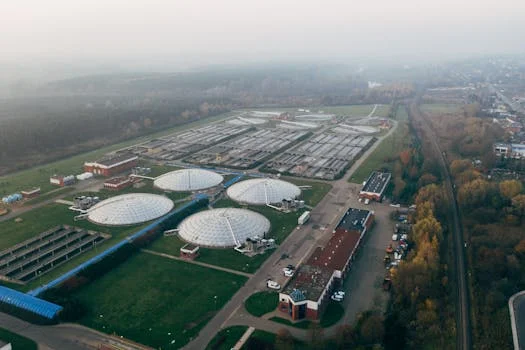
The equipment selection process must begin with a comprehensive wastewater characterization. Indiana food processors typically deal with BOD levels between 1,000 and 5,000 mg/L, while metal finishers may see chromium concentrations of 10 to 50 mg/L. Engineering teams should follow a four-step framework to ensure the selected system meets IDEM 2025 standards without over-engineering the solution.
Step 1: Characterize Influent and Define Limits. Conduct a 24-hour composite sampling to determine peak flow rates and contaminant concentrations. For Indiana facilities, it is critical to compare these results against the specific local limit of your Publicly Owned Treatment Works (POTW), as these are often stricter than state-wide IDEM averages.
Step 2: Match Technology to Compliance Needs. Use a decision tree approach: If your primary goal is removing suspended solids and grease to avoid surcharges, DAF is the benchmark. If you are discharging directly to a stream or have extremely high-strength soluble organic waste, MBR is necessary. For metal removal, chemical precipitation paired with a clarifier or filter press is the standard. Facilities should also consider how Indiana’s wastewater regulations compare to neighboring states like Iowa to anticipate future regional regulatory shifts.
Step 3: Evaluate Capital vs. Operational Costs. Capital expenditure (CapEx) for a 50,000 GPD DAF system in Indiana typically ranges from $150,000 to $350,000, whereas an MBR system of the same capacity can exceed $750,000. However, the MBR may eliminate local BOD surcharges entirely, providing a faster ROI in high-fee municipalities like Muncie or Indianapolis.
Step 4: Assess Vendor Capabilities. A vendor checklist for Indiana should include:
- Proven experience with IDEM pretreatment permits and 2025 compliance audits.
- Local service availability for 24/7 technical support.
- Capability to provide pilot testing with your facility's actual wastewater.
- Integrated sludge management solutions to minimize disposal costs.
Indiana Wastewater Treatment Costs: 2025 Benchmarks and ROI Calculator
Budgeting for wastewater treatment in Indiana requires an integrated view of capital costs, chemical consumption, energy use, and avoided penalties. For 2025, capital costs have stabilized but remain technology-dependent. Chemical precipitation systems are the most affordable to install ($20–$200 per gallon per day capacity), while MBR systems represent the highest investment ($200–$2,000 per GPD). Operational costs are heavily influenced by Indiana's energy rates and the specific chemical requirements for flocculation and pH adjustment.
To calculate ROI, facilities must factor in the "cost of doing nothing." Consider a 50,000 GPD food processing plant in Indiana currently paying $170,000 annually in BOD/TSS surcharges and facing an occasional $10,000 fine for pH violations. Installing a $250,000 DAF system could reduce surcharges by 80% ($136,000 savings) and eliminate fines. After factoring in $50,000 in annual OpEx (chemicals and power), the net annual savings is $96,000, leading to a payback period of approximately 2.6 years. If the facility utilizes Indiana sludge dewatering solutions to reduce disposal costs, the payback period can often drop below 2 years by reducing sludge volume by up to 75%.
| Cost Category | DAF System | MBR System | Chemical Precipitation |
|---|---|---|---|
| CapEx ($/GPD Capacity) | $50 – $500 | $200 – $2,000 | $20 – $200 |
| OpEx ($/1,000 Gallons) | $1.20 – $2.80 | $2.50 – $4.50 | $0.50 – $1.50 |
| Sludge Disposal ($/lb) | $0.08 – $0.25 | $0.10 – $0.30 | $0.15 – $0.40 |
| Estimated Payback (Yrs) | 1.5 – 3.0 | 3.0 – 5.0 | 1.0 – 2.0 |
Financial assistance is available for Indiana facilities looking to upgrade. IDEM’s Clean Water Indiana Program provides grants of up to $250,000 for pretreatment systems that demonstrably reduce the loading on municipal plants. Additionally, the USDA Rural Development program offers low-interest loans (currently around 4%) for small-to-medium facilities in non-urban Indiana counties.
Case Study: How an Indiana Metal Finisher Reduced Chromium Discharges by 99% with a Chemical Precipitation System
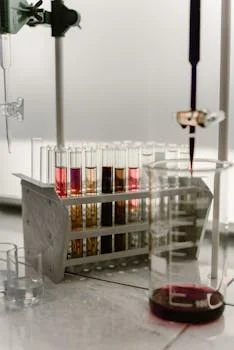
A mid-sized metal finishing facility in Northern Indiana faced a critical compliance crisis in late 2023. The plant was consistently exceeding IDEM’s 1.0 mg/L chromium limit, with effluent concentrations averaging 12 mg/L. This resulted in over $30,000 in annual fines and the threat of a cease-and-desist order from the local utility. The facility's existing treatment was a rudimentary settling tank that could not handle the complexed metals in their new plating line wastewater.
The solution involved the installation of a multi-stage chemical precipitation system. The process began with hexavalent chromium reduction at pH 2.5, followed by precipitation at an optimized pH of 9.8 using sodium hydroxide. A high-molecular-weight anionic polymer was introduced at 150 ppm to facilitate flocculation. The total capital investment for the system, including automated pH controllers and a filter press, was $120,000.
The results were immediate. Chromium levels dropped from 12 mg/L to 0.05 mg/L, representing a 99.6% removal rate. TSS was reduced from 450 mg/L to 20 mg/L, well below the local limit of 300 mg/L. Economically, the facility saved $45,000 in avoided fines and $18,000 in municipal surcharges in the first year. By using a plate and frame filter press to produce 35% solids cake, they also reduced sludge disposal trips by 60%. The total payback period for the project was 1.8 years. This case demonstrates the importance of matching chemical logic to the specific pollutant—in this case, targeted pH control for metal hydroxide precipitation. Engineers can compare filter presses and centrifuges for Indiana sludge dewatering to further optimize these types of installations.
Frequently Asked Questions
What are Indiana’s 2025 discharge limits for industrial wastewater?
IDEM’s 2025 pretreatment standards are industry-specific. Food processors generally must meet limits of 250 mg/L BOD and 300 mg/L TSS. Metal finishers are restricted to 1.0 mg/L for chromium and 2.0 mg/L for nickel. Pharmaceutical facilities often face a 500 mg/L COD limit. Always check your local municipal ordinance, as cities like Indianapolis or Muncie may have more stringent local limits.
How much does industrial wastewater treatment cost in Indiana?
Total costs range from $0.50 to $5.00 per gallon treated. DAF systems typically cost $1.20–$2.80/gallon in OpEx, while MBR systems are more expensive at $2.50–$4.50/gallon. Capital costs vary widely, from $20,000 for small chemical systems to over $2M for large-scale MBR plants handling 100,000 GPD.
What are the penalties for violating Indiana’s wastewater regulations?
IDEM can issue fines ranging from $5,000 to $50,000 per violation. Additionally, daily penalties of $1,000 to $10,000 can be assessed for ongoing exceedances. Beyond state fines, local municipalities charge surcharges for high-strength waste, which can cost a facility hundreds of thousands of dollars annually if left untreated.
Can I treat industrial wastewater on-site in Indiana, or do I need a hauler?
On-site treatment is permitted and usually more cost-effective for flows exceeding 5,000–10,000 GPD. For smaller volumes or highly complex waste streams (like those containing PFAS), third-party haulers are an option, though they typically charge $0.15–$0.50 per gallon, which is significantly higher than the cost of on-site treatment.
What grants or incentives are available for wastewater treatment in Indiana?
The Clean Water Indiana Program offers grants up to $250,000 for industrial pretreatment upgrades. The USDA also provides Rural Development loans with competitive 4% interest rates for facilities located in rural communities. Tax exemptions for pollution control equipment may also be available through the Indiana Department of Revenue.
Further Reading
Explore these in-depth articles on related wastewater treatment topics: