Bukhara’s 2025 Wastewater Treatment Challenges: Compliance, Costs, and Equipment Needs
Bukhara's industrial and municipal sectors face increasingly stringent wastewater discharge limits, with Uzbekistan's Resolution No. 333 mandating specific parameters by 2025, including a maximum of <30 mg/L for Total Suspended Solids (TSS), <20 mg/L for Biochemical Oxygen Demand (BOD), and <125 mg/L for Chemical Oxygen Demand (COD). This regulatory shift is a direct response to growing environmental concerns and a focus on sustainable water management across the nation, making effective Uzbekistan’s 2025 industrial wastewater treatment standards critical for all operations.
Bukhara’s economy relies heavily on key industries that generate complex wastewater streams. The textile sector produces dye wastewater characterized by high COD, color, and suspended solids. Mining operations often discharge heavy metals and high TSS, while food processing plants contribute significant organic loads (high BOD) and fats, oils, and greases (FOG). Municipal sewage treatment plants in Bukhara handle typical influent with moderate BOD/COD and TSS from residential and commercial sources. These diverse wastewater profiles necessitate tailored treatment solutions to achieve Bukhara industrial wastewater compliance.
Common compliance failures in Bukhara lead to severe consequences for businesses and municipalities. Uzbekistan’s Environmental Code stipulates fines up to 500 times the minimum wage for environmental violations, which can translate to significant financial penalties. Beyond fines, non-compliance can result in production halts, operational downtime, and irreversible reputational damage within the community and among international partners. For instance, several local enterprises have faced temporary closures due to repeated pH excursions or elevated heavy metal discharges, underscoring the urgency of upgrading sewage treatment equipment in Bukhara. local infrastructure gaps, such as aging sewer networks and a lack of adequate pre-treatment at many industrial sites, exacerbate the problem, contributing to the overall challenge of meeting the upcoming 2025 wastewater discharge limits.
Sewage Treatment Equipment Types for Bukhara’s Industrial and Municipal Needs
Selecting the appropriate sewage treatment equipment is paramount for facilities in Bukhara to meet diverse wastewater characteristics and comply with Uzbekistan’s 2025 discharge limits. Different technologies offer distinct advantages for specific applications, ranging from high-solids textile wastewater to municipal effluent requiring reuse.
Dissolved Air Flotation (DAF) systems excel in removing suspended solids, FOG, and certain heavy metals, achieving 90-95% TSS removal and 50-80% BOD reduction. These systems are particularly effective for Bukhara's food processing, textile dye, and oil/grease-laden industrial wastewaters, often used as a robust pre-treatment step. Their compact footprint and efficient clarification make them a practical choice for many industrial sites. For more details on this technology, consider DAF systems for Bukhara’s textile and food processing wastewater.
Membrane Bioreactor (MBR) systems are ideal for space-constrained sites, such as urban factories in Bukhara, and for applications requiring high-quality treated effluent for reuse. MBR systems combine biological treatment with membrane filtration (typically ultrafiltration or microfiltration), achieving exceptional effluent quality with 99% pathogen removal and BOD levels often below 1 mg/L. This advanced technology is well-suited for industries aiming for zero liquid discharge or those operating in water-scarce regions. Explore MBR systems for space-constrained sites in Bukhara for high-performance treatment.
Underground package plants (WSZ series) offer a discreet and efficient solution for small communities, hotels, resorts, or remote industrial facilities with limited space. These integrated units, designed for capacities typically ranging from 1 to 80 m³/h, achieve 85-95% BOD removal and can be buried completely, preserving the aesthetics of Bukhara’s historic districts. Their modular design allows for scalability and ease of installation. Learn more about underground package plants for Bukhara’s small communities and hotels.
Sludge dewatering is a critical component of any sewage treatment plant, reducing sludge volume and disposal costs. Plate-and-frame filter presses typically achieve higher cake dryness (30-45% solids) but operate in batches, requiring more labor. Screw presses offer continuous operation, lower energy consumption, and less operator intervention, producing cake dryness of 15-25% solids. Local service availability for maintenance and spare parts is a key consideration for sludge dewatering solutions for Bukhara’s wastewater treatment plants.
Disinfection is the final step to eliminate pathogens before discharge or reuse. Chlorine dioxide (ClO₂) generators are effective across a wide pH range and produce fewer disinfection byproducts than chlorine, making them suitable for Bukhara’s varying ambient temperatures, which can affect chemical stability. Ozone (O₃) offers powerful disinfection without chemical residuals but requires higher capital investment and energy. For specific disinfection needs, the ClO₂ Generator offers reliable performance.
| Equipment Type | Primary Use Case (Bukhara) | Key Benefits | Removal Rates (Typical) | Space Requirement |
|---|---|---|---|---|
| DAF Systems | Food Processing, Textile Dye, Oil/Grease Removal | High TSS/FOG removal, robust pre-treatment | 90-95% TSS, 50-80% BOD | Moderate (compact) |
| MBR Systems | Space-constrained urban factories, Water Reuse | High effluent quality, pathogen removal | <1 mg/L BOD, 99% pathogens | Compact (high efficiency per footprint) |
| Underground Package Plants | Small communities, Hotels, Remote sites | Discreet, modular, easy installation | 85-95% BOD | Minimal visible footprint |
| Plate-and-Frame Filter Press | Sludge Dewatering (Batch) | High cake dryness | N/A (sludge volume reduction) | Moderate |
| Screw Press | Sludge Dewatering (Continuous) | Lower energy, continuous operation | N/A (sludge volume reduction) | Compact |
| Chlorine Dioxide Generator | Disinfection (Effluent) | Effective over wide pH, fewer DBPs | 99.9% pathogen kill | Small |
Top 5 Sewage Treatment Equipment Suppliers in Bukhara: Technical Specs and Use-Case Fit
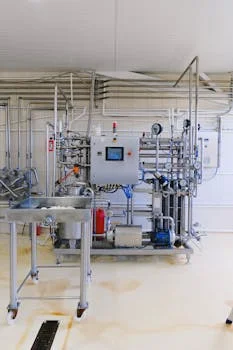
Evaluating sewage treatment equipment suppliers Uzbekistan involves a detailed comparison of technical capabilities, local support, and cost-effectiveness. The Bukhara market offers a mix of international and local providers, each with distinct strengths tailored to different operational needs and budgets.
An established international supplier is known for its advanced MBR systems, offering filtration capabilities down to 0.1 µm and capacities ranging from 10 to 2,000 m³/day. This supplier has documented case studies in Uzbekistan, including projects in Bukhara, demonstrating robust performance for high-quality effluent. However, their solutions typically involve a higher Capital Expenditure (CAPEX), with systems for 500 m³/h potentially ranging from $1.2M–$2M.
A prominent local supplier specializes in DAF systems, providing units with capacities from 4 to 300 m³/h and achieving approximately 92% TSS removal. This local provider generally offers lower CAPEX options, typically ranging from $50K–$300K, making them an attractive choice for budget-conscious projects. However, their after-sales support network might be more limited compared to larger international players.
Another local supplier, headquartered in Tashkent, focuses on underground package plants, ideal for smaller applications like small communities or hotels in Bukhara’s historic areas. Their systems typically offer 1–80 m³/h capacity with around 90% BOD removal, emphasizing a minimal footprint. While effective for specific niches, this supplier may not offer advanced MBR options for large-scale industrial or high-reuse applications.
A second international technology provider offers comprehensive effluent treatment systems, particularly strong in solutions for textile and mining wastewaters. While they have a presence in broader Uzbekistan projects (e.g., Tashkent-Samarkand corridor), they may lack a dedicated local service center in Bukhara, potentially impacting response times for maintenance and support.
HydropureWater, as a comprehensive international provider, offers customizable DAF, MBR, and WSZ systems, designed to meet a wide range of industrial and municipal needs. Their offerings include 24/7 remote monitoring and robust technical support, ensuring operational stability and compliance. While providing highly engineered solutions, lead times for custom systems can be longer, typically 8–12 weeks, due to international shipping and customization processes.
| Supplier Type | Key Technology | TSS/BOD Removal % | Footprint | Energy Use (kWh/m³) | CAPEX Range (500 m³/h) | Local Service Availability (Bukhara) | Compliance Certifications |
|---|---|---|---|---|---|---|---|
| International (MBR focus) | MBR Systems | <1 mg/L BOD, 99% pathogens | Compact | 0.5-1.2 | $1.2M–$2M | Regional presence, limited local staff | ISO 9001, CE |
| Local (DAF focus) | DAF Systems | 92% TSS, 50-80% BOD | Moderate | 0.2-0.4 | $50K–$300K (smaller systems) | Local office, responsive | Local standards |
| Local (Package Plant focus) | Underground Package Plants | 90% BOD | Very Compact (underground) | 0.3-0.6 | $30K–$150K (smaller systems) | Local office, responsive | Local standards |
| International (ETP focus) | Effluent Treatment Systems | Varies by configuration | Moderate to Large | 0.4-1.0 | $800K–$1.5M | Limited local service, regional partners | ISO 9001 |
| HydropureWater (International) | Customizable DAF/MBR/WSZ | Up to 99% (MBR), 95% (DAF) | Flexible | 0.2-1.2 | $50K–$2M+ (system dependent) | Remote monitoring, regional partners | ISO 9001, ISO 14001, CE |
Bukhara-Specific Compliance Checklist: Permits, Discharge Limits, and Inspection Requirements
Achieving and maintaining compliance with Bukhara’s wastewater regulations is critical for avoiding significant penalties and ensuring sustainable operations. Uzbekistan’s Resolution No. 333, effective 2025, sets forth specific discharge limits that all industrial and municipal facilities must adhere to, with particular attention to sensitive ecological areas like the Zarafshan River basin. A comprehensive understanding of these limits, alongside the permitting and inspection processes, is essential for any sewage treatment equipment supplier in Bukhara.
The local permitting process for installing a sewage treatment plant in Bukhara typically spans 3–6 months. Required documents include a detailed Environmental Impact Assessment (EIA), comprehensive equipment specifications, and certifications for operating personnel. Fees for permits usually constitute 1–3% of the overall project cost, depending on the scale and complexity of the proposed facility. Navigating these requirements demands careful planning and accurate documentation to ensure wastewater treatment plant permitting Bukhara proceeds smoothly.
Inspection triggers vary by facility type: industrial sites typically face quarterly inspections, while municipal plants undergo biannual checks. Common violations include pH excursions outside the permissible range (6.0-9.0), elevated TSS or BOD levels, and improper sludge disposal. Uzbekistan’s Environmental Code Article 123 outlines severe penalties for non-compliance, including fines up to 500 times the minimum wage (approximately $12,000 for a first offense), mandatory production halts, or even criminal liability for repeat or egregious violations.
To ensure compliance, facilities should implement several key strategies. Industrial sites benefit greatly from robust pre-treatment systems tailored to their specific waste streams (e.g., equalization tanks, oil/water separators). Real-time monitoring for critical parameters like pH and TSS allows for immediate corrective action, preventing excursions. Finally, establishing formal sludge disposal contracts with licensed providers is crucial, adhering to sludge disposal regulations Uzbekistan to prevent environmental contamination and further penalties.
| Parameter | Uzbekistan Resolution No. 333 (2025) Discharge Limits for Bukhara | Common Violation Impact |
|---|---|---|
| Total Suspended Solids (TSS) | <30 mg/L | Increased turbidity, habitat degradation, equipment fouling |
| Biochemical Oxygen Demand (BOD) | <20 mg/L | Oxygen depletion in receiving waters, odor generation |
| Chemical Oxygen Demand (COD) | <125 mg/L | Toxicity to aquatic life, long-term ecosystem damage |
| pH | 6.0–9.0 | Corrosion of infrastructure, harm to aquatic organisms |
| Heavy Metals (e.g., Pb, Cd, Cr) | Specific limits vary (e.g., <0.1 mg/L for Pb) | Bioaccumulation, toxicity to humans and wildlife |
| Oil & Grease | <10 mg/L | Surface films, oxygen transfer inhibition, aesthetic impact |
Cost Breakdown for Sewage Treatment Equipment in Bukhara: CAPEX, OPEX, and ROI Calculator
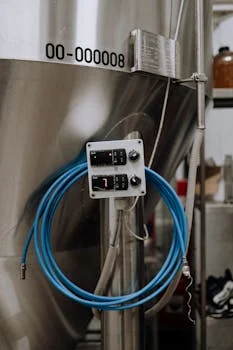
Understanding the full financial commitment for sewage treatment equipment in Bukhara requires a detailed analysis of both Capital Expenditure (CAPEX) and Operational Expenditure (OPEX), alongside a clear Return on Investment (ROI) calculation. While initial equipment costs are significant, ongoing operational expenses and the avoidance of regulatory fines heavily influence the total cost of ownership in Uzbekistan's market.
CAPEX ranges for Uzbekistan sewage treatment plant costs vary considerably by technology and capacity. DAF systems for industrial applications typically range from $50K–$300K, offering a cost-effective solution for pre-treatment. MBR systems, due to their advanced membrane technology and higher performance, command a CAPEX of $800K–$2M for larger industrial or municipal plants. Smaller underground package plants are more affordable, generally costing $30K–$150K. These figures account for global benchmarks adjusted for Uzbekistan’s specific import duties, which can add 15–25% for international suppliers, and local market conditions.
Installation costs typically add 20–30% to the equipment cost. This percentage can be higher for underground systems due to extensive excavation and civil works, particularly in Bukhara’s diverse soil conditions, which can range from sandy to clayey. OPEX is a continuous cost, broken down into several key components:
- Energy: 0.3–1.2 kWh/m³ treated wastewater, depending on technology (MBR is generally higher due to aeration and membrane scouring).
- Chemicals: $0.05–$0.20/m³ for coagulants, flocculants, pH adjusters, and disinfectants, varying with influent quality.
- Labor: 1–2 operators per shift for larger plants, covering monitoring, maintenance, and basic operations.
- Sludge Disposal: $50–$150/ton, influenced by sludge volume, dryness, and local landfill/treatment site proximity.
An ROI calculator for wastewater treatment highlights the long-term financial benefits. For example, a 100 m³/h textile plant installing a DAF system with a CAPEX of $120K and annual OPEX of $25K can avoid an estimated $40K/year in fines and surcharges for non-compliant discharge. This scenario yields an approximate 3-year payback period, demonstrating significant savings over the equipment's lifespan. Hidden costs, such as import duties (15–25% for international suppliers), operator training (1–2 weeks, $2K–$5K), and spare parts (5–10% of CAPEX annually), must also be factored into the total cost of ownership.
| Cost Category | DAF System (100 m³/h) | MBR System (100 m³/h) | Underground Package Plant (50 m³/h) |
|---|---|---|---|
| CAPEX (Equipment) | $100,000 – $150,000 | $400,000 – $700,000 | $60,000 – $100,000 |
| Installation Costs (20-30% of CAPEX) | $20,000 – $45,000 | $80,000 – $210,000 | $12,000 – $30,000 |
| Total CAPEX (Approx.) | $120,000 – $195,000 | $480,000 – $910,000 | $72,000 – $130,000 |
| OPEX (Annual) | |||
| Energy (kWh/m³) | 0.25 kWh/m³ | 0.8 kWh/m³ | 0.4 kWh/m³ |
| Chemicals ($/m³) | $0.10/m³ | $0.05/m³ | $0.08/m³ |
| Labor (operators/shift) | 0.5 | 1 | 0.25 |
| Sludge Disposal ($/ton) | $80/ton | $100/ton | $70/ton |
| Estimated Annual OPEX | $25,000 – $40,000 | $70,000 – $120,000 | $15,000 – $25,000 |
| Typical Payback Period (with fines avoided) | 2-4 years | 4-7 years | 2-5 years |
How to Evaluate Sewage Treatment Equipment Suppliers in Bukhara: A 5-Step Decision Framework
Selecting the optimal sewage treatment equipment supplier in Bukhara demands a structured evaluation process that addresses both technical requirements and local operational realities, including potential language barriers and service availability. This 5-step decision framework provides a clear path to an informed choice.
Step 1: Match Technology to Wastewater Type. The initial step involves precisely identifying the characteristics of your wastewater (e.g., high TSS and color from textiles, high BOD from food processing, or typical municipal sewage) and aligning it with the most suitable treatment technology. For instance, DAF systems are highly effective for industrial wastewaters with high suspended solids and oil/grease, while MBR systems are ideal for achieving stringent effluent quality for reuse, especially in space-constrained urban environments. Referencing the equipment types table in the second section of this guide can help in this matching process.
Step 2: Verify Compliance with Resolution No. 333. Before any commitment, demand concrete evidence that the proposed equipment can consistently meet Uzbekistan’s 2025 wastewater discharge limits, particularly those specific to Bukhara. Request third-party test reports for TSS, BOD, COD, and heavy metal removal rates. A reputable supplier should readily provide performance guarantees and demonstrate a clear understanding of Bukhara’s hospital wastewater treatment requirements and industrial discharge standards.
Step 3: Assess Local Support Capabilities. Given Bukhara's unique context, robust local support is non-negotiable. Inquire about the supplier’s ability to provide onsite service within 24 hours of a critical issue. Confirm the availability of Uzbek or Russian-speaking technicians for effective communication and troubleshooting. Crucially, verify the presence of a local spare parts inventory, ideally in Tashkent or a major hub, to minimize downtime from international shipping delays.
Step 4: Compare Total Cost of Ownership (TCO). Look beyond the initial CAPEX. Calculate the total cost of ownership over a 5-year period, encompassing CAPEX, annual OPEX (energy, chemicals, labor, sludge disposal), and potential savings from avoided fines. Request detailed energy consumption figures (kWh/m³) and chemical usage estimates from each supplier to accurately compare long-term operational expenses.
Step 5: Pilot Testing. For industrial sites with complex or highly variable wastewater, requiring a 2–4 week pilot test of the proposed technology is highly recommended. This allows for real-world validation of removal efficiencies, chemical dosages, and energy consumption under actual operating conditions. Evaluate performance based on consistent compliance with discharge limits, operational stability, and ease of maintenance during the pilot phase.
Be vigilant for red flags during this process: suppliers lacking local references, offering vague compliance guarantees, or refusing to provide detailed OPEX estimates should raise concerns. A transparent and experienced supplier will provide all necessary data and support for a confident decision.
Frequently Asked Questions
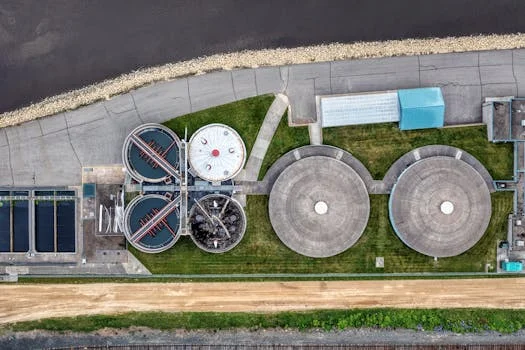
Procurement managers and engineers in Bukhara often have specific questions regarding sewage treatment equipment. Here are definitive answers to common inquiries:
What are the 2025 wastewater discharge limits for industrial sites in Bukhara?
The 2025 wastewater discharge limits for industrial sites in Bukhara, as per Uzbekistan’s Resolution No. 333, are: Total Suspended Solids (TSS) <30 mg/L, Biochemical Oxygen Demand (BOD) <20 mg/L, and Chemical Oxygen Demand (COD) <125 mg/L. Stricter limits may apply for discharges into sensitive areas, such as the Zarafshan River basin.
How much does a 50 m³/h sewage treatment plant cost in Bukhara?
A 50 m³/h sewage treatment plant in Bukhara can cost approximately $80K–$250K for a Dissolved Air Flotation (DAF) system, or $300K–$600K for a Membrane Bioreactor (MBR) system, including installation. It is important to note that import duties for international suppliers can add an additional 15–25% to the equipment cost.
Which sewage treatment technology is best for textile wastewater in Bukhara?
For textile wastewater in Bukhara, DAF systems are highly effective for initial treatment, offering 90–95% TSS removal and significant color reduction. For applications requiring water reuse or extremely high effluent quality, MBR systems are superior. Textile wastewater typically has high COD (1,000–3,000 mg/L) and intense color, often necessitating advanced oxidation or biological treatment alongside physical-chemical methods.
Do I need a permit to install a sewage treatment plant in Bukhara?
Yes, a permit is required to install a sewage treatment plant in Bukhara. The permitting process typically takes 3–6 months and requires an Environmental Impact Assessment (EIA), detailed equipment specifications, and certifications for operators. Contact the Bukhara Regional Department of Ecology and Environmental Protection for specific local requirements and application procedures.
What are the penalties for non-compliance with wastewater regulations in Uzbekistan?
Penalties for non-compliance with wastewater regulations in Uzbekistan are severe. Under Uzbekistan’s Environmental Code Article 123, fines can be up to 500 times the minimum wage (approximately $12,000 for a first offense). Repeated or severe violations can lead to production halts, operational license suspension, or even criminal liability for responsible parties.