Why Tashkent Hospitals Need Specialized Wastewater Treatment
Tashkent hospitals must treat wastewater to meet Uzbekistan’s SanPiN 2.1.5.980-00 standards (COD ≤ 50 mg/L, BOD ≤ 10 mg/L, fecal coliforms ≤ 100 CFU/100 mL) and WHO Guidelines for Safe Use of Wastewater. With 77 aging WWTPs serving 3.5M residents and a new 1M m³/day facility under PPP, local projects face strict compliance deadlines. This guide provides Tashkent-specific engineering specs, cost benchmarks ($0.45–$1.20/m³ for MBR systems), and a decision framework for selecting hospital wastewater treatment equipment.
Uzbekistan’s 77 municipal wastewater treatment plants (WWTPs), mostly commissioned between 1970 and 1980, currently operate at 60–70% of their designed hydraulic capacity, with approximately 40% of facilities failing to meet contemporary discharge standards for specialized medical effluent. According to a 2023 report from the Uzbek Ministry of Ecology, hospital discharges are a primary driver of non-compliance in the Tashkent province due to the high concentration of specific pollutants that municipal biological processes are not equipped to handle. Unlike standard domestic sewage, hospital wastewater contains 10–100 times higher pathogen loads, including E. coli, norovirus, and multidrug-resistant bacteria, alongside complex pharmaceutical residues such as antibiotics and hormones.
While the Tashkent region is currently developing a new 1M m³/day WWTP through a US$1 billion Public-Private Partnership (PPP), the existing sewer network’s limitations mean that many hospitals and clinics remain disconnected from centralized treatment. This infrastructure gap necessitates decentralized, on-site treatment systems. Hospital effluent in Tashkent typically exhibits high organic loads and significant fluctuations in flow, requiring robust equalization and specialized treatment stages to prevent environmental contamination and legal liability.
| Parameter | Typical Tashkent Hospital Effluent (Raw) | SanPiN 2.1.5.980-00 Discharge Limit | Impact of Non-Compliance |
|---|---|---|---|
| COD (Chemical Oxygen Demand) | 300 – 800 mg/L | ≤ 50 mg/L | Oxygen depletion in Chirchiq River basin |
| BOD5 (Biochemical Oxygen Demand) | 150 – 400 mg/L | ≤ 10 mg/L | Rapid degradation of aquatic ecosystems |
| TSS (Total Suspended Solids) | 200 – 500 mg/L | ≤ 10 mg/L | Sewer blockages and sludge accumulation |
| Fecal Coliforms | 10^6 – 10^8 CFU/100 mL | ≤ 100 CFU/100 mL | Spread of waterborne diseases in suburbs |
| Pharmaceutical Residues | High (Antibiotics/NSAIDs) | Monitoring Required | Development of antibiotic-resistant bacteria |
Uzbekistan’s Hospital Wastewater Discharge Standards: SanPiN vs WHO vs EU Directives
Compliance for hospital wastewater in Uzbekistan is governed by SanPiN 2.1.5.980-00, which establishes more stringent limits for fecal coliforms and organic matter than general municipal discharge requirements. For facility managers and engineers, navigating these local standards while adhering to international benchmarks like WHO 2024 guidelines is essential for securing project financing, especially for projects funded by international development banks. For instance, the WHO Guidelines for the Safe Use of Wastewater recommend less than 1 helminth egg per liter and fewer than 1,000 CFU/100 mL for restricted irrigation—a critical metric for Tashkent as the city looks toward water reuse to combat regional water scarcity.
For international EPC contractors, the EU Urban Waste Water Directive 91/271/EEC serves as a secondary benchmark, particularly for hospital projects exceeding 50 beds. The EU directive emphasizes tertiary treatment, involving advanced filtration and disinfection, to ensure that endocrine-disrupting chemicals and pathogens are neutralized before discharge. Integrating a compact hospital wastewater treatment system with ozone disinfection can help facilities bridge the gap between local SanPiN requirements and international best practices, ensuring long-term regulatory safety.
| Parameter | SanPiN 2.1.5.980-00 (UZ) | WHO 2024 (Reuse) | EU Directive 91/271/EEC |
|---|---|---|---|
| COD (mg/L) | ≤ 50 | N/A | ≤ 125 |
| BOD5 (mg/L) | ≤ 10 | N/A | ≤ 25 |
| TSS (mg/L) | ≤ 10 | N/A | ≤ 35 |
| Total Nitrogen (mg/L) | ≤ 15 | N/A | ≤ 10 - 15 |
| Total Phosphorus (mg/L) | ≤ 1.0 | N/A | ≤ 1.0 - 2.0 |
| Fecal Coliforms (CFU/100mL) | ≤ 100 | ≤ 1,000 (Category B) | Disinfection Required |
| Helminth Eggs (eggs/L) | Zero | < 1 | N/A |
| Chlorine Residual (mg/L) | 0.3 - 0.5 | N/A | N/A |
| Heavy Metals (mg/L) | Strict Limits (Pb, Hg, Cd) | Guideline Values | Member State Specific |
| Oil & Grease (mg/L) | ≤ 5 | N/A | N/A |
Treatment Technologies for Tashkent Hospitals: MBR vs DAF vs ClO₂ Systems
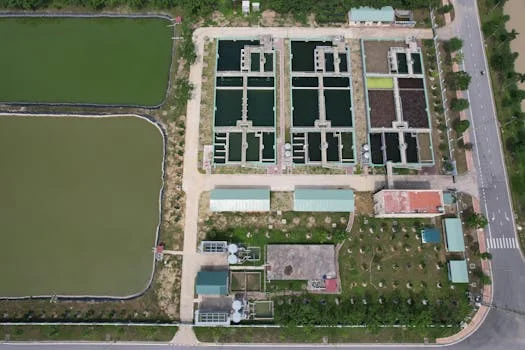
Membrane Bioreactor (MBR) technology provides the most reliable pathway to SanPiN compliance in Tashkent, achieving 99% pathogen removal and 95% COD reduction within a compact footprint. However, engineers must account for Tashkent’s high water hardness (often exceeding 300 mg/L as CaCO3), which increases the risk of inorganic membrane fouling. Utilizing an MBR system for high-pathogen hospital effluent requires integrated pretreatment, such as anti-scalant dosing or softeners, to maintain membrane flux and extend the service life of the modules beyond the standard five-year replacement cycle.
Dissolved Air Flotation (DAF) serves as an effective primary or secondary treatment stage, particularly for hospitals with high concentrations of fats, oils, and greases (FOG) from large-scale kitchen facilities or laundry services. A DAF system for hospital wastewater can remove up to 90% of TSS and 70% of COD, although it requires precise chemical dosing of coagulants like polyaluminum chloride (PAC). For disinfection, Chlorine Dioxide (ClO₂) is increasingly favored over traditional liquid chlorine due to its superior efficacy against viruses and its ability to neutralize pharmaceutical residues without forming harmful trihalomethanes (THMs). An on-site ClO₂ generator for hospital wastewater disinfection ensures a stable supply of disinfectant, crucial for maintaining the SanPiN-mandated residual levels of 0.8 mg/L for medical facilities.
| Technology | COD Removal | Pathogen Kill | CAPEX ($/m³) | OPEX ($/m³) | Footprint |
|---|---|---|---|---|---|
| MBR | > 95% | 99.9% | $1,200 – $1,800 | $0.45 – $0.70 | Small |
| DAF | 60 – 75% | Low (Pre-disinfect) | $800 – $1,200 | $0.60 – $0.90 | Medium |
| ClO₂ | < 10% | 99.99% | $200 – $400* | $0.15 – $0.30 | Very Small |
*CAPEX for ClO₂ refers to the generator unit only; it must be paired with biological treatment.
Step-by-Step: Designing a Hospital Wastewater System for Tashkent
The engineering process for a Tashkent hospital wastewater system begins with a comprehensive influent characterization, as local water quality varies significantly between the Yunusabad and Sergeli districts. Engineers should partner with accredited local labs, such as the Tashkent Institute of Sanitation and Hygiene, to test for COD, BOD, TSS, and specific pharmaceutical markers. This data informs the scaling of the equalization tank, which must handle the diurnal peaks typical of hospital operations.
- Step 1: Influent Characterization: Conduct a 24-hour composite sampling to determine peak organic and hydraulic loads.
- Step 2: Pretreatment: Install a rotary mechanical bar screen to remove medical debris, rags, and solids that can damage downstream pumps and membranes.
- Step 3: Primary Treatment: Utilize DAF for high-TSS influent or a specialized grease trap for kitchen-heavy facilities to reduce the organic load on biological stages.
- Step 4: Secondary Treatment: Implement an MBR process for hospitals with limited space or those requiring high-quality effluent for landscape irrigation. For budget-constrained projects, extended aeration may be used, though it requires a larger footprint.
- Step 5: Disinfection: Apply ClO₂ or ozone. When comparing ClO₂ vs UV for hospital wastewater disinfection, ClO₂ is often preferred in Tashkent due to its residual effect in aging sewer pipes.
- Step 6: Sludge Handling: Use a plate-frame filter press to dewater sludge to 25-30% dry solids, significantly reducing the volume and cost of disposal at local landfills.
- Step 7: Compliance Testing: Establish a quarterly testing schedule to ensure the system consistently meets SanPiN 2.1.5.980-00 parameters, avoiding administrative fines.
Cost Breakdown: Hospital Wastewater Treatment in Tashkent (2025 Data)
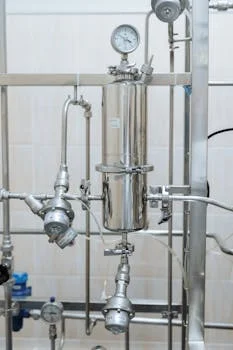
Capital expenditure (CAPEX) for hospital wastewater systems in Tashkent is influenced by import duties, local civil engineering costs, and the choice of technology. For a standard MBR system, CAPEX ranges from $1,200 to $1,800 per m³/day of capacity, which includes the membrane modules, aeration systems, and automated control panels. In contrast, a system combining DAF with ClO₂ disinfection generally has a lower CAPEX ($800–$1,200/m³/day) but may incur higher operational costs due to chemical consumption and sludge management.
Operating expenditure (OPEX) is dominated by energy costs for aeration and chemical costs for disinfection and pH adjustment. MBR systems in Tashkent typically see OPEX between $0.45 and $0.70/m³, with membrane replacement every 5 to 7 years being the most significant long-term cost. DAF systems, while energy-efficient, require $0.15 to $0.30/m³ in chemical additives. Facility managers should also budget for sludge disposal, which currently costs $50 to $100 per ton at Tashkent municipal landfills, depending on the moisture content and hazard classification of the waste.
| System Type | CAPEX ($/m³/day) | OPEX ($/m³) | Lifespan (Years) | Local Lead Time |
|---|---|---|---|---|
| Integrated MBR | $1,200 – $1,800 | $0.45 – $0.70 | 15 – 20 | 12 – 16 Weeks |
| DAF + ClO₂ | $800 – $1,200 | $0.60 – $1.20 | 10 – 15 | 8 – 12 Weeks |
| Ozone + Bio-Filtration | $1,500 – $2,200 | $0.80 – $1.10 | 15+ | 16 – 20 Weeks |
Tashkent Supplier Checklist: How to Evaluate Hospital Wastewater Treatment Vendors
Evaluating vendors in the Uzbek market requires a focus on local compliance and long-term support infrastructure. Given the specialized nature of medical effluent, a supplier must demonstrate familiarity with SanPiN 2.1.5.980-00 and provide certified test reports for their equipment. Tashkent’s unique logistics environment means that spare parts availability is a critical differentiator; prioritize suppliers that maintain local warehouses or have established partnerships with Tashkent-based engineering firms.
- SanPiN Certification: Does the equipment have documentation proving it can meet Uzbekistan’s specific discharge limits?
- Local Service Team: Is there a Tashkent-based technical team capable of performing emergency repairs within 24–48 hours?
- Uzbek Reference Projects: Can the vendor provide case studies from existing medical facilities in Uzbekistan, such as the Republican Scientific Center of Emergency Medicine?
- Warranty Terms: Is there a minimum 2-year warranty on membranes and a 5-year warranty on stainless steel structural components?
- Training: Does the vendor provide comprehensive operator training in Russian or Uzbek, as required by local labor regulations?
- Red Flags: Be cautious of vendors offering vague cost quotes without a site visit, those lacking local references, or systems that do not include automated disinfection monitoring.
Frequently Asked Questions
Q: What are the penalties for non-compliance with hospital wastewater standards in Tashkent?
A: Under Article 221 of the Uzbek Administrative Code, fines for discharging untreated wastewater can reach 500 base calculation units (approximately $12,000). Repeated violations can lead to the forced shutdown of the medical facility and potential criminal charges for facility directors.
Q: Can treated hospital wastewater be reused in Tashkent?
A: Yes, reuse is permitted for restricted irrigation (WHO Category B), provided the water contains less than 1 helminth egg per liter. For unrestricted reuse, such as urban greening, additional treatment like UV or ozone is required to meet the strictest safety standards. You can see how Sacramento hospitals meet EPA standards for similar reuse applications.
Q: How does Tashkent’s hard water affect MBR systems?
A: Water hardness exceeding 300 mg/L causes calcium carbonate scaling on membrane surfaces, reducing flux. Pretreatment via chemical softening or the use of specific antiscalants is mandatory to prevent premature membrane failure in the Tashkent region.
Q: What is the lead time for hospital wastewater equipment in Tashkent?
A: For locally assembled or stocked MBR and DAF systems, lead times are typically 8–12 weeks. Fully imported specialized systems may take 16–20 weeks due to customs clearance procedures and international logistics.
Q: Are there government subsidies for hospital wastewater projects in Uzbekistan?
A: The 2025–2027 Green Economy Program, managed by the Uzbek Ministry of Economy, offers up to 30% CAPEX subsidies for private and public hospitals that implement advanced wastewater treatment systems meeting SanPiN standards.