Top Sewage Treatment Equipment Suppliers in Minnesota USA: 2025 Engineering Guide with Costs, Compliance & Decision Framework
Minnesota’s sewage treatment equipment market is dominated by suppliers offering solutions for industrial and municipal needs, with key players like Vessco Water, Great Northern Environmental, and Aeration Industries International providing systems compliant with MPCA standards. For 2025 projects, buyers must evaluate equipment based on TSS removal rates (90-98% for DAF systems), energy efficiency (0.3-0.6 kWh/m³ for MBR systems), and Minnesota-specific permitting requirements. This guide compares top suppliers, technical specs, and cost benchmarks to help you select the right system for your application.Why Minnesota’s Sewage Treatment Equipment Market Demands Local Expertise
Minnesota's unique environmental and regulatory conditions significantly influence the selection and performance of sewage treatment equipment, necessitating specialized local expertise. The state's cold climate, characterized by prolonged sub-zero temperatures, directly impacts equipment performance, often requiring advanced freeze protection measures for outdoor systems and increased energy use for process heating to maintain optimal biological activity (HydropureWater field data, 2025). For instance, activated sludge systems can see a 20-30% reduction in biological activity at temperatures below 10°C, increasing hydraulic retention time requirements. the Minnesota Pollution Control Agency (MPCA) enforces stringent standards for both industrial and municipal wastewater discharge. For secondary treatment, typical effluent limits include Total Suspended Solids (TSS) consistently below 30 mg/L and Biochemical Oxygen Demand (BOD) below 25 mg/L, with even stricter limits for sensitive receiving waters (per MPCA 2024 guidelines). Key industries driving demand for robust wastewater solutions in Minnesota include food processing—particularly dairy and meat operations—which generate high-strength wastewater with elevated fats, oils, and grease (FOG) and BOD loads. The pulp and paper industry also contributes significant demand for specialized industrial wastewater treatment, while many municipalities, especially in the Minneapolis-St. Paul metropolitan area, face aging infrastructure requiring upgrades to meet current and future compliance mandates. The state's permitting process, primarily through National Pollutant Discharge Elimination System (NPDES) permits, involves detailed application, public notice, and often requires consideration of local ordinances that can impose even stricter limits than federal or state minimums. This intricate web of climate, industry-specific waste streams, and regulatory oversight underscores the critical need for sewage treatment equipment suppliers in Minnesota USA to offer solutions specifically engineered for these local challenges.Top 5 Sewage Treatment Equipment Suppliers in Minnesota: Head-to-Head Comparison
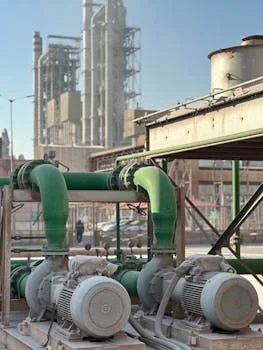
The table below provides a representative comparison of supplier types and their typical offerings, focusing on actionable data points relevant to Minnesota projects. This helps engineering managers and procurement specialists match equipment capabilities with project requirements.
| Supplier Type (Example) | Equipment Types Offered | Typical TSS Removal Rate | Typical Flow Rate Range | Energy Use (kWh/m³) | Compliance Certifications | Estimated Lead Time | Warranty (Equipment) |
|---|---|---|---|---|---|---|---|
| Full-Service Distributor (e.g., Vessco Water model) | DAF, MBR, Clarifiers, Filtration, Aeration | DAF: 90-98%, MBR: >99% | 10-5,000 m³/day | DAF: 0.05-0.2, MBR: 0.3-0.6 | MPCA, EPA, NSF | 12-20 weeks | 1-2 years |
| Equipment Manufacturer (e.g., Aeration Ind. Intl. model) | Aeration Systems, Mixers, Diffusers | N/A (component-specific) | Varies by application | Aeration: 0.4-1.2 kg O₂/kWh | ISO, CE | 8-16 weeks | 1-3 years |
| Specialized Filtration Provider (e.g., 3M model) | Membrane Filtration, Cartridge Filters | UF: >99.9%, MF: >99% | 1-1,000 m³/day | UF: 0.1-0.3, MF: 0.05-0.15 | NSF, WQA | 6-12 weeks | 1-5 years |
| Environmental Engineering Firm (e.g., GNE model) | Custom Turnkey Systems (various technologies) | Project-specific | 50-10,000 m³/day | Project-specific | MPCA, P.E. Certified | 20-40 weeks | 1 year (system integration) |
| Package Plant Specialist (e.g., HydropureWater) | Integrated DAF, MBR, SBR, Underground Systems | DAF: 90-98%, MBR: >99% | 5-2,000 m³/day | DAF: 0.05-0.2, MBR: 0.3-0.6 | ISO, CE, MPCA-compliant design | 10-18 weeks | 1-2 years |
Minnesota Compliance Requirements: What Your Equipment Must Achieve
Meeting Minnesota Pollution Control Agency (MPCA) effluent limits is the paramount requirement for any sewage treatment equipment operating within the state. These limits are designed to protect Minnesota's diverse water bodies, which include numerous lakes, rivers, and cold-water streams. For typical secondary treatment, MPCA 2024 guidelines stipulate that effluent must generally achieve less than 30 mg/L for Total Suspended Solids (TSS) and less than 25 mg/L for Biochemical Oxygen Demand (BOD). However, for discharges into sensitive receiving waters, such as designated cold-water streams or impaired waters, limits can be significantly stricter. For example, ammonia nitrogen limits can be as low as 1.5 mg/L during critical cold-water periods to prevent toxicity to aquatic life (MPCA 2024). The permitting process in Minnesota is primarily managed through the National Pollutant Discharge Elimination System (NPDES) program, which issues permits for direct discharges to surface waters. Industrial users discharging to municipal sewer systems are subject to local ordinances and pretreatment programs, which often impose specific limits on parameters like FOG, heavy metals, and pH to protect the municipal treatment plant. Seasonal variations also play a critical role, with some permits having tighter discharge limits for temperature-sensitive parameters during summer months or for phosphorus during periods of high algal growth potential.Equipment selection must directly align with these compliance targets. For instance, a DAF system’s typical 90-98% TSS removal rate is crucial for industries with high suspended solids, helping meet primary or pretreatment requirements. Similarly, the sub-micron pore size of MBR membranes ensures virtually complete removal of TSS and bacteria, making them ideal for meeting stringent effluent quality standards for sensitive receiving waters or water reuse applications. Understanding how Minnesota’s compliance standards compare to Mississippi’s can highlight regional differences in regulatory stringency.
| Parameter | Typical MPCA Secondary Treatment Effluent Limit (Daily Max) | Typical MPCA Cold-Water Stream Limit (Daily Max) | Relevant Equipment Specification |
|---|---|---|---|
| Total Suspended Solids (TSS) | 30 mg/L | 10-15 mg/L | DAF removal efficiency (90-98%), MBR membrane pore size (<0.1 µm), Clarifier overflow rate |
| Biochemical Oxygen Demand (BOD) | 25 mg/L | 10-15 mg/L | Biological reactor sizing, Aeration efficiency, MBR retention time |
| Ammonia-Nitrogen (NH₃-N) | Varies (often 2-5 mg/L) | <1.5 mg/L (seasonal) | Nitrification/Denitrification capacity, MBR anoxic/aerobic zones |
| Total Phosphorus (TP) | 1 mg/L (sensitive waters) | <0.1-0.5 mg/L | Chemical dosing systems, Biological phosphorus removal, Filtration |
| pH | 6.0-9.0 SU | 6.5-8.5 SU | Chemical neutralization systems, Buffer capacity of biological process |
Cost Breakdown: CAPEX, OPEX, and ROI for Minnesota Projects
Calculating ROI is essential to justify investment. Consider a Minnesota food processor currently incurring $5,000/month in municipal surcharges due to high TSS and FOG. Investing in a $150,000 DAF system with an OPEX of $1,000/month could reduce surcharges by 80% ($4,000/month savings). The net monthly savings would be $3,000 ($4,000 – $1,000), leading to a payback period of approximately 50 months, or just over 4 years ($150,000 / $3,000 per month). This demonstrates a tangible ROI through regulatory compliance and reduced operational penalties.
| Cost Category | DAF System (50 m³/day industrial) | MBR System (50 m³/day municipal/industrial) | Typical Minnesota-Specific Factors |
|---|---|---|---|
| CAPEX (Equipment Only) | $50,000 - $100,000 | $150,000 - $300,000 | Foundation, insulation, heating elements, higher civil work costs due to climate |
| Installation CAPEX (Est.) | $20,000 - $50,000 | $50,000 - $100,000 | Higher labor rates, specialized cold-weather construction techniques |
| OPEX (Annual Energy) | $1,500 - $3,000 (0.05-0.1 kWh/m³) | $5,000 - $10,000 (0.3-0.6 kWh/m³) | Increased energy for winter heating, aeration in colder water |
| OPEX (Annual Chemicals) | $2,000 - $5,000 | $1,000 - $3,000 | Coagulants, flocculants for DAF; cleaning chemicals for MBR |
| OPEX (Annual Maintenance) | $1,000 - $2,500 | $3,000 - $8,000 (incl. membrane cleaning) | Routine checks, parts replacement; MBR membrane replacement every 5-10 years (major cost) |
| Potential ROI (Years) | 2-4 years (via surcharge reduction, water reuse) | 3-7 years (via surcharge reduction, water reuse, regulatory compliance) | Reduced MPCA fines, lower municipal surcharges, potential for water reuse incentives |
How to Choose the Right Sewage Treatment Equipment for Your Minnesota Project
Selecting the optimal sewage treatment equipment for a Minnesota project requires a systematic, data-driven approach that considers influent characteristics, specific use cases, climate resilience, and rigorous compliance verification. The first critical step is to define your influent characteristics comprehensively. This involves detailed analysis of parameters such as Total Suspended Solids (TSS), Biochemical Oxygen Demand (BOD), Chemical Oxygen Demand (COD), Fats, Oils, and Grease (FOG), pH, temperature, and nutrient concentrations (e.g., nitrogen, phosphorus). Accurate influent data will dictate the type and scale of treatment required. Next, match equipment to your specific use case. For example, a DAF system is highly effective for primary treatment in food processing wastewater equipment applications, efficiently removing FOG and suspended solids. For municipal wastewater treatment requiring high effluent quality for discharge to sensitive waters or for potential reuse, an MBR system offers superior performance. For sites with limited above-ground space or aesthetic concerns, an underground sewage treatment plant is an ideal solution. Third, evaluate climate resilience. Given Minnesota's harsh winters, any chosen system must incorporate robust freeze protection, appropriate insulation, and energy-efficient components to mitigate increased operational costs during cold weather. Consider systems designed for cold climate wastewater systems, which may include heated enclosures or submerged components. Fourth, verify compliance thoroughly. This means ensuring the equipment's projected performance meets or exceeds all MPCA effluent limits, local ordinances, and any specific industrial pretreatment requirements. A credible supplier should provide performance guarantees tied to these compliance targets. Finally, compare suppliers using the matrix from earlier sections. Focus not just on initial cost, but also on lead time, warranty, technical support, and the supplier's track record with similar projects in Minnesota. This comprehensive framework minimizes risks and optimizes long-term operational success.Frequently Asked Questions
What are the primary MPCA regulations for industrial wastewater in Minnesota?
The MPCA enforces strict limits on industrial wastewater, typically requiring TSS below 30 mg/L and BOD below 25 mg/L for secondary treatment. Specific industries like food processing also face limits on FOG. For discharges into sensitive waters, nutrient limits (e.g., ammonia <1.5 mg/L, phosphorus <1 mg/L) are common. Compliance often necessitates NPDES permits and adherence to local pretreatment ordinances.
How does Minnesota's cold climate affect wastewater treatment equipment selection?
Minnesota's cold climate demands equipment with robust freeze protection, such as insulated tanks, heated enclosures, and submerged components. Biological treatment processes slow down in cold temperatures, requiring larger reactor volumes or specialized cold-tolerant strains. Energy efficiency for heating and aeration becomes a critical operational cost factor, impacting overall ROI.
What are the typical CAPEX and OPEX ranges for DAF systems in Minnesota?
CAPEX for a DAF system in Minnesota typically ranges from $50,000 to $200,000 for equipment, depending on size and features, excluding installation. Annual OPEX can be $5,000-$10,000, primarily driven by energy for pumps and air compressors (0.05-0.2 kWh/m³) and chemical dosing (coagulants, flocculants). These costs can be 15-25% higher due to cold weather operational demands.
When should a municipal project consider an MBR system over conventional activated sludge in Minnesota?
Municipal projects in Minnesota should consider an MBR system when stringent effluent quality is required (e.g., for direct discharge to sensitive waters or water reuse applications), when space is limited, or when seeking higher pathogen removal. MBRs consistently achieve >99% TSS and BOD removal, superior to conventional systems, making them ideal for meeting tight MPCA compliance standards and future-proofing facilities.
What is the typical lead time for sewage treatment equipment suppliers in Minnesota?
Lead times for sewage treatment equipment in Minnesota can vary significantly based on the system's complexity and supplier. Standard package plants or components might have lead times of 8-16 weeks. More complex, custom-engineered systems, such as large MBR or integrated DAF projects, can require 16-40 weeks, especially when factoring in cold-weather fabrication and installation schedules.