In Regina, industrial wastewater generators must obtain City approval before disposal at the Hauled Wastewater Site, which requires RFID-tagged vehicles and compliance with the Wastewater and Storm Water Bylaw. Pretreatment is often mandatory for high-strength waste (e.g., FOG >100 mg/L, TSS >350 mg/L), with fines up to $10,000 for non-compliance. Local manufacturers can choose between on-site treatment (CAPEX $50K–$500K) or hauling (OPEX $0.15–$0.40/L), depending on flow volume and contaminant load. EPCOR’s municipal plant treats 156 ML/d but does not accept direct industrial discharges without pretreatment.
Regina’s Industrial Wastewater Regulations: What Manufacturers Must Know in 2025
The City of Regina’s Wastewater and Storm Water Bylaw mandates that all non-residential wastewater must be pre-approved before disposal at the Hauled Wastewater Site to protect municipal infrastructure. This legal framework ensures that high-strength industrial effluents do not disrupt the biological processes at the EPCOR-operated treatment plant. To enforce these standards, the City utilizes a tiered permit system based on vehicle tank capacity, ensuring that every load entering the facility is accounted for and compliant with local safety thresholds.
Compliance is monitored through an RFID tag system. Haulers must obtain these tags from the City prior to arrival, as there are no on-site registration or payment facilities at the disposal location. Failure to comply with the parameters outlined in the bylaw can result in immediate load rejection and administrative penalties ranging from $1,000 to $10,000 per violation. For manufacturers, this means that understanding the specific concentration limits for Total Suspended Solids (TSS) and Fats, Oils, and Grease (FOG) is critical to avoiding operational downtime and legal risk.
| Parameter | Regina Limit (Hauled Wastewater) | Penalty for Non-Compliance |
|---|---|---|
| pH Range | 6.0 – 9.0 | $1,000 - $10,000 per event |
| Total Suspended Solids (TSS) | < 350 mg/L | Permit Revocation / Fines |
| Fats, Oils, and Grease (FOG) | < 100 mg/L | Load Rejection |
| Chlorine (Residual) | < 1.0 mg/L | Site Access Suspension |
| Hazardous Materials | Prohibited (Solvents, Metals) | Legal Prosecution |
Annual permit fees are structured to reflect the volume of waste being moved. As of 2025, the City of Regina applies a $250 annual fee for vehicles with a capacity of 1–5,000 L, $500 for 5,001–10,000 L, and $1,000 for tanks exceeding 10,000 L. These fees are separate from the volumetric disposal charges and hauling costs, making pretreatment an increasingly attractive financial alternative for high-volume producers.
Step-by-Step: How to Obtain City Approval for Industrial Wastewater Disposal in Regina
Obtaining a Hauled Wastewater Permit in Regina requires a Wastewater Characterization Report based on a minimum of three samples taken at least seven days apart to ensure a representative profile of the waste stream. This technical documentation is the foundation of the approval process and must be submitted to City officials before any disposal activity begins. For facilities with fluctuating production cycles, such as food processors or chemical blenders, the samples must capture peak contaminant loads to ensure the proposed disposal plan remains valid under worst-case scenarios.
- Submit a Wastewater Characterization Report: Provide laboratory analysis for pH, TSS, FOG, BOD, COD, and heavy metals. These results must be from an accredited lab and reflect the actual effluent produced at the facility.
- Apply for a Hauled Wastewater Permit: Use the City of Regina’s online portal to submit vehicle details, including make, model, and certified tank capacity, alongside the hauler’s license number.
- Obtain and Install RFID Tags: Once approved, purchase RFID tags at a cost of $50 per tag. These must be physically installed on the hauling vehicle to grant access to the automated disposal gates.
- Schedule a Pre-Disposal Inspection: City officials may conduct an on-site inspection of your DAF systems for high-FOG wastewater pretreatment in Regina to verify that the waste matches the characterization report.
The most common reasons for permit rejection include incomplete sampling data, missing hauler certifications, or the presence of unapproved contaminants like residual chlorine exceeding 1 mg/L. It is standard engineering practice to implement an automated monitoring system at the discharge point to ensure every load meets the characterization report’s claims before the hauler arrives.
Engineering Specs: Pretreatment Systems for Regina’s Industrial Wastewater Limits
Dissolved Air Flotation (DAF) systems achieve up to 98% removal of fats, oils, and grease (FOG), effectively reducing influent concentrations of 500 mg/L to below Regina’s 100 mg/L limit. For Regina-based food processors, the DAF provides a compact footprint while handling high organic loads. These systems use micro-bubbles to attach to suspended particles, floating them to the surface for mechanical skimming. This process is essential for meeting the stringent 350 mg/L TSS limit required at the Hauled Wastewater Site.
For facilities dealing with heavy particulate matter, lamella clarifiers are the preferred engineering solution. With a surface loading rate of 20–40 m/h, these high-efficiency sedimentation tanks can reduce TSS from 1,000 mg/L to less than 50 mg/L. When paired with pH adjustment systems for Regina’s hauled wastewater compliance, which maintain a 6.0–9.0 range with ±0.1 accuracy, manufacturers can virtually eliminate the risk of load rejection.
| Equipment Type | Primary Contaminant Target | Removal Efficiency | Engineering Spec (HydropureWater 2025) |
|---|---|---|---|
| DAF | FOG & Light TSS | 95% – 98% | Micro-bubble size: 20–50 microns |
| Lamella Clarifier | Settleable Solids | 90% – 95% | Surface loading: 20–40 m/h |
| MBR System | BOD & COD | 99% | Effluent COD < 50 mg/L |
| Filter Press | Sludge Volume | 85% – 90% | Cake moisture: 60% – 75% |
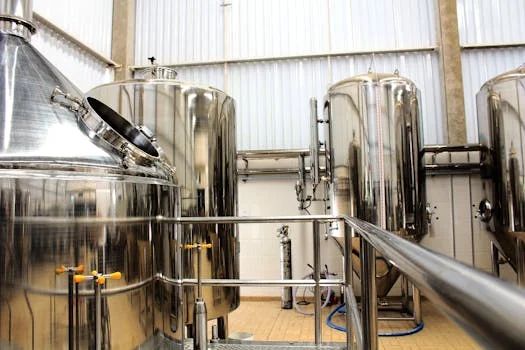
High-strength organic waste, common in breweries and dairies, often requires biological treatment. MBR systems for high-strength organic wastewater in Regina provide a superior effluent quality, reducing BOD to <10 mg/L. To manage the resulting solids, a plate and frame filter press can reduce sludge volume by up to 90%, significantly lowering the frequency and cost of hauling concentrated waste to the disposal site. You can learn how DAF systems remove 95%+ FOG and TSS from industrial wastewater to determine if this technology fits your specific effluent profile.
Treatment vs. Disposal: Cost Comparison for Regina Manufacturers (2025 Data)
Industrial wastewater hauling costs in Regina currently range from $0.15 to $0.40 per liter, depending on waste strength and distance to the municipal disposal site. For a facility generating 20 m³ (20,000 L) of wastewater per day, annual hauling expenses can exceed $1,000,000. In contrast, on-site treatment systems require a significant initial CAPEX but offer OPEX as low as $0.05 per liter, leading to a typical payback period of 18 to 36 months for most industrial applications.
When evaluating the ROI of on-site equipment, procurement teams must factor in the avoidance of City permit fees and the reduction in potential non-compliance fines. Saskatchewan’s Water Security Agency offers potential rebates for water reuse projects that decrease the total volume of waste entering the municipal system. Compare CAPEX and OPEX for industrial wastewater treatment systems to see how these variables fluctuate based on technology selection.
| Metric | External Hauling & Disposal | On-Site Pretreatment (DAF/MBR) |
|---|---|---|
| Initial CAPEX | $0 (Vehicle leasing extra) | $80,000 – $350,000 |
| Daily OPEX | $0.15 – $0.40 / L | $0.05 – $0.20 / L |
| Permit Fees | $250 – $1,000 / year | Varies by discharge permit |
| Regulatory Risk | High (Rejection potential) | Low (Controlled effluent) |
While lagoon-based systems managed by SaskWater can offer OPEX as low as $0.01 per liter, they require massive land areas and 30+ days of retention time, which is rarely feasible for manufacturers within Regina’s city limits. For urban industrial zones, mechanical pretreatment remains the most space-efficient and reliable method for compliance. You can also see how another region handles industrial wastewater compliance and equipment selection to benchmark Regina’s standards against international norms.
Case Study: Regina Food Processor Cuts Hauling Costs by 70% with On-Site DAF System
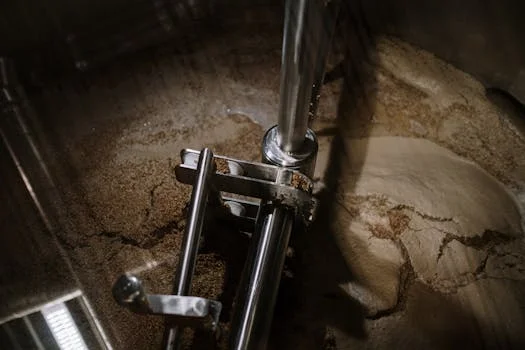
A Regina-based meat processing facility reduced its annual wastewater management expenses from $120,000 to $36,000 following the installation of a 20 m³/h pretreatment system. Before the upgrade, the facility was hauling raw effluent with FOG levels of 800 mg/L and TSS levels of 1,200 mg/L. These levels were eight times higher than the City's FOG limit and nearly four times the TSS limit, leading to frequent load rejections at the Hauled Wastewater Site and thousands of dollars in "emergency hauling" surcharges.
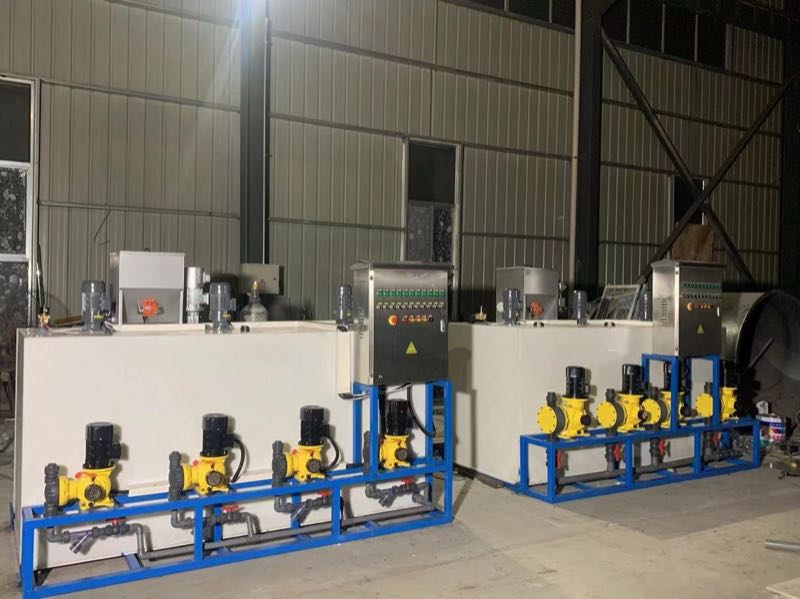
The solution involved installing a DAF-20 system integrated with an automated chemical dosing unit for coagulant and flocculant injection. By optimizing the chemical reaction, the facility was able to reduce FOG to <10 mg/L and TSS to <50 mg/L. This high-quality effluent allowed the processor to switch from high-cost specialized hauling to standard disposal routes, while the captured sludge was dewatered on-site using a filter press to further reduce disposal volumes.
The $90,000 CAPEX for the DAF systems for high-FOG wastewater pretreatment in Regina was recovered in just 18 months through hauling savings alone. Beyond the financial benefits, the plant manager reported a 100% success rate in City inspections, eliminating the administrative burden of managing non-compliance notices. The primary lesson learned was the importance of influent monitoring; by installing an upstream equalization tank, the facility prevented hydraulic surges from overwhelming the DAF unit, ensuring consistent effluent quality regardless of production speed.
Frequently Asked Questions
What are the discharge limits for industrial wastewater in Regina?
The City of Regina enforces strict limits for the Hauled Wastewater Site: pH must be between 6.0 and 9.0, Total Suspended Solids (TSS) must be below 350 mg/L, and Fats, Oils, and Grease (FOG) must be below 100 mg/L. Hazardous materials, including heavy metals and solvents, are strictly prohibited.
How much does it cost to dispose of industrial wastewater at Regina’s Hauled Wastewater Site?
Hauling costs typically range from $0.15 to $0.40 per liter. Additionally, the City charges annual permit fees based on vehicle capacity: $250 for 1–5,000 L, $500 for 5,001–10,000 L, and $1,000 for vehicles over 10,000 L.
Can I discharge industrial wastewater directly to the municipal sewer in Regina?
No. All industrial, commercial, or institutional wastewater must receive explicit City approval before disposal. High-strength waste usually requires on-site pretreatment to meet the Wastewater and Storm Water Bylaw standards before it can be accepted into the municipal system.
What pretreatment systems are best for high-FOG wastewater in Regina?
Dissolved Air Flotation (DAF) systems are the industry standard for FOG removal. They can achieve 95–98% removal efficiency, easily bringing influent levels down to the City’s <100 mg/L requirement.
Are there grants available for industrial wastewater treatment in Saskatchewan?
Yes. The Saskatchewan Water Security Agency and various federal programs often provide grants or rebates for industrial water conservation and reuse projects. Additionally, SaskWater may offer custom lagoon-based solutions for industries located in regional service areas.