Why Buenos Aires Hospitals Need Advanced Wastewater Treatment
Hospital wastewater in Buenos Aires contains genotoxic compounds - 40% of samples tested via Allium cepa showed chromosome aberrations - and requires advanced treatment to meet EPA and EU Urban Waste Water Directive 91/271/EEC standards. The Riachuelo System, treating 2 million m³/day, provides infrastructure for integration, but hospitals need on-site systems like MBR (effluent COD ≤50 mg/L) or DAF (95%+ TSS removal) with chlorine dioxide disinfection (99.9% kill rate) to eliminate risks before discharge. For facility managers, genotoxicity test failures are becoming a regulatory liability as the city tightens oversight on the Matanza-Riachuelo basin.
Recent ecotoxicological evaluations (PMC4158310) reveal that 55% of hospital effluent samples in Buenos Aires are toxic to green algae (Pseudokirchneriella subcapitata), showing growth inhibition rates between 23.9% and 54.8%. While the Riachuelo System is a monumental feat of engineering - serving 4 million people through a 30km tunnel network - the sewage treatment plant (STP) effluent remains toxic, with an inhibition percentage (%I) of 41%. This indicates that municipal infrastructure alone cannot neutralize the complex chemical cocktails - ranging from cytostatics to antibiotics - discharged by medical facilities.
The regulatory landscape in Argentina currently lacks hospital-specific effluent standards, forcing engineers to adopt international benchmarks such as the EPA (COD ≤125 mg/L) and EU 91/271/EEC (COD ≤100 mg/L) to ensure long-term compliance. Failure to pre-treat leads to ecosystem damage and severe legal repercussions. In the La Boca neighborhood, court-ordered clean-ups have targeted industrial and commercial polluters, and hospitals are increasingly under scrutiny. Implementing local suppliers for hospital wastewater treatment is the first step in aligning facility operations with the Riachuelo environmental restoration goals.
Hospital Wastewater in Buenos Aires: Influent Characteristics and Treatment Challenges
Designing an effective treatment train requires a granular understanding of the raw influent produced by Buenos Aires’ high-acuity hospitals. Unlike municipal sewage, hospital wastewater is characterized by high variability in organic load and the presence of recalcitrant pollutants that bypass conventional activated sludge processes. Data from regional studies and PMC4158310 highlight a profile that necessitates specialized pre-treatment. This understanding is crucial for developing effective treatment strategies.
| Parameter | Influent Range (Buenos Aires) | EPA/EU Benchmark | Treatment Challenge |
|---|---|---|---|
| Chemical Oxygen Demand (COD) | 300 – 1,200 mg/L | ≤100 – 125 mg/L | High concentration of non-biodegradable organics |
| Biochemical Oxygen Demand (BOD5) | 150 – 600 mg/L | ≤25 mg/L | Fluctuating nutrient ratios |
| Total Suspended Solids (TSS) | 200 – 800 mg/L | ≤35 mg/L | High lab reagent and particulate load |
| Heavy Metals (Hg, Pb, Cr) | 0.1 – 5 mg/L | Trace limits | Bioaccumulation and sludge toxicity |
| Pathogens (Bacteria/Viruses) | 10^3 – 10^6 CFU/mL | Zero/Non-detectable | Disinfectant-resistant strains |
The primary challenge for hospitals like Hospital de Clínicas or those situated near the Rio de la Plata is the presence of "micropollutants." These include pharmaceuticals (antibiotics, hormones), disinfectants (chlorhexidine, glutaraldehyde), and lab reagents like formaldehyde. Conventional municipal STPs typically remove 70–80% of COD but less than 50% of genotoxic compounds. This gap explains why 40% of hospital samples remain genotoxic even after primary settling. For hospitals discharging directly into the urban sewer network, this failure to neutralize chromosome-altering compounds poses a direct risk to the Riachuelo’s biological recovery.
Treatment Technology Comparison: MBR vs. DAF vs. Chlorine Dioxide for Hospital Effluent
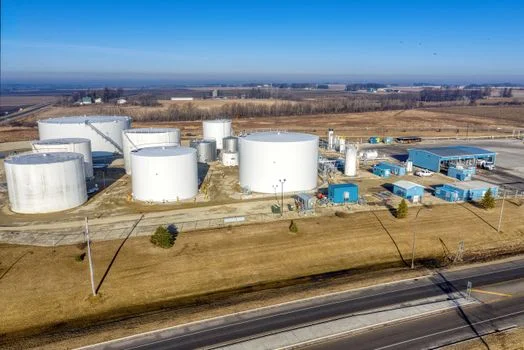
Selecting the correct technology depends on the hospital’s specific discharge point—whether it connects to the Riachuelo mega collector or a local secondary sewer. Engineers must balance removal efficiency with the tight footprints typical of urban Buenos Aires medical centers. The choice of technology has significant implications for the effectiveness of the treatment process.
| Technology | COD/TSS Removal | Pathogen Kill Rate | Footprint | OPEX/CAPEX |
|---|---|---|---|---|
| MBR (Membrane Bioreactor) | 90% / 99% | 99.9% (Log 4-6) | Ultra-Compact | High / High |
| DAF (Dissolved Air Flotation) | 60% / 95% | Moderate | Medium | Medium / Medium |
| Chlorine Dioxide (ClO2) | N/A (Oxidation) | 99.99% | Small | Low / Low |
MBR Systems: Utilizing 0.1 μm PVDF membranes, MBR systems for hospital wastewater combine biological degradation with physical filtration. This is the gold standard for genotoxicity mitigation as the long sludge age allows for the breakdown of complex pharmaceuticals. MBR effluent typically reaches COD levels ≤50 mg/L, making it ideal for hospitals requiring high-quality discharge for Riachuelo System integration.
DAF Systems: For facilities with high laboratory waste or pathology departments, DAF clarifiers for high-TSS hospital effluent are essential. By using microbubble flotation, DAF units remove 95%+ of TSS and 80%+ of Fats, Oils, and Grease (FOG), which otherwise coat downstream membranes or sensors. DAF is often used as a primary stage before MBR or as a standalone for pre-treatment to meet sewer entry limits.
Chlorine Dioxide: Disinfection is non-negotiable. Unlike liquid chlorine, chlorine dioxide disinfection for medical effluent does not produce trihalomethanes (THMs). It is effective against disinfectant-resistant bacteria found in Buenos Aires hospital sewers and complies with the 2022 WHO Guidelines for Drinking-water Quality regarding medical effluent safety. Understanding the how chlorine dioxide generators work for disinfection is critical for engineers designing for 99.99% pathogen inactivation.
Compliance and Permitting: Navigating Buenos Aires’ Regulatory Landscape
In the absence of a singular "Hospital Wastewater Law" in Argentina, compliance is a multi-tiered process involving the Autoridad de Cuenca Matanza Riachuelo (ACUMAR) and local municipal codes. To avoid the ARS 1M+ penalties currently being levied against non-compliant entities, facility managers should adopt EPA compliance strategies for hospital wastewater as a defensive engineering posture. The regulatory framework is complex, and understanding its requirements is essential for hospitals.
The Riachuelo System requirements are specific: any effluent entering the mega collector must be pre-treated to at least COD ≤200 mg/L and TSS ≤100 mg/L. However, if the hospital is classified as a "high-risk generator" due to infectious disease wards or oncology units, WHO-mandated disinfection (Chlorine Dioxide or UV) is required regardless of the organic load. The permitting process in Buenos Aires typically spans 6–12 months and requires a comprehensive Environmental Impact Assessment (EIA). Documentation must include detailed treatment system specifications, expected sludge volume, and a genotoxicity mitigation plan. Administrative fees range from ARS 50,000 to 200,000, but these are negligible compared to the cost of a court-ordered facility shutdown.
Cost Breakdown: CAPEX, OPEX, and ROI for Hospital Wastewater Systems in Buenos Aires
Procurement officers must justify wastewater investments by looking beyond the initial purchase price. In the current Argentine economic climate, ROI is driven by the reduction of sewer surcharges and the avoidance of escalating environmental fines. The cost of non-compliance can be significant, making a strong business case for investing in effective wastewater treatment systems.
| System Type (25 m³/h) | Estimated CAPEX (USD) | Annual OPEX (ARS) | Estimated ROI |
|---|---|---|---|
| MBR Integrated System | $120,000 - $180,000 | ARS 8M - 12M | 3.5 - 5 Years |
| DAF Pre-treatment | $45,000 - $70,000 | ARS 4M - 6M | 2.5 - 4 Years |
| ClO2 Disinfection Unit | $15,000 - $30,000 | ARS 2M - 3M | < 2 Years |
The primary ROI driver for Buenos Aires hospitals is the "Polluter Pays" surcharge. By reducing COD from 800 mg/L to 50 mg/L using an MBR, a facility can cut annual sewer surcharges by 30–50%. The Riachuelo System integration incentives occasionally offer up to a 20% CAPEX rebate for projects that demonstrably reduce the toxic load on the Dock Sud plant. For smaller clinics, a compact medical wastewater treatment for clinics provides a lower entry point while ensuring compliance. Funding options like green bonds from the Buenos Aires Province or World Bank infrastructure loans (often used for Riachuelo-related projects) can provide the necessary capital with 5–7 year terms.
Step-by-Step Implementation: Connecting Hospital Wastewater Systems to the Riachuelo Network
Successful integration with the Riachuelo infrastructure requires a phased engineering approach to ensure the on-site system matches the hydraulic and chemical requirements of the mega collector. A well-planned implementation is critical to achieving compliance and minimizing costs.
- Characterization: Conduct 24-hour composite sampling to determine peak COD, BOD, and pathogen levels. Use the influent table in section 2 as your design baseline.
- Technology Selection: For urban hospitals with limited space, prioritize MBR. If lab waste is high, install a rotary bar screen for solids followed by DAF.
- Permit Acquisition: Submit the EIA and technical specs to ACUMAR. This stage should begin at least