Industrial Wastewater Treatment in Agadir: Solutions, Costs & Tech 2025
Industrial wastewater treatment in Agadir requires advanced solutions due to acute water scarcity and high tourism and industrial demand. The M'Zar plant treats up to 50,000 m³/day of combined municipal and industrial flows, with treated effluent successfully reused for golf course irrigation. Technologies like Dissolved Air Flotation (DAF), Membrane Bioreactor (MBR), and lamella clarifiers achieve 90–98% TSS and COD removal, consistently meeting Morocco's stringent reuse standards for non-potable applications.
Why Industrial Wastewater Treatment Matters in Agadir
Agadir faces a severe water deficit due to its semi-arid climate, making efficient industrial wastewater treatment critical for resource conservation and economic sustainability. The Greater Agadir region, a hub for tourism, agriculture (especially citrus), and fishing, generates significant volumes of wastewater with varying contamination risks. The M'Zar Wastewater Treatment Plant (WWTP), a cornerstone of the region's water management, handles up to 50,000 m³/day of combined municipal and industrial wastewater, underpinning the city's environmental strategy. Effluent reuse from M'Zar is essential to conserve dwindling freshwater resources and protect the delicate coastal ecosystems of the Souss-Massa National Park. Industrial discharges, particularly from processing plants, require robust pretreatment before entering the municipal network or M'Zar facility to prevent system overload, avoid costly surcharges, and ensure the safety and quality of treated effluent for reuse.
Key Industrial Sectors and Their Wastewater Profiles
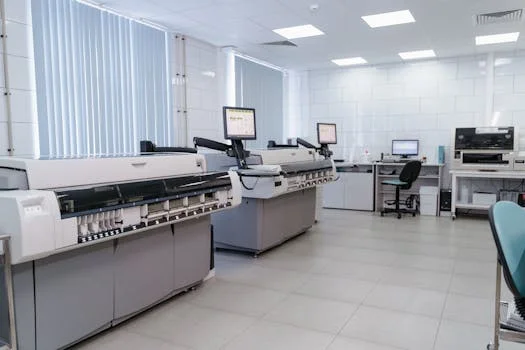
Food processing, particularly fish canning and citrus packing, constitutes a major industrial sector in Agadir and generates effluent with high Biochemical Oxygen Demand (BOD), Fats, Oils, and Grease (FOG), and Total Suspended Solids (TSS). Typical concentrations can reach up to 1,200 mg/L BOD and 400 mg/L oil & grease, demanding specialized primary treatment. The textile and leather industries, though less prominent than food processing, produce wastewater characterized by high color (dyes), heavy metals, and elevated alkalinity, often requiring chemical precipitation and pH neutralization. Tourism, encompassing numerous hotels and resorts, contributes organic load, detergents, and microcontaminants, necessitating effective disinfection to meet public health standards for reuse. Industrial parks near Ait Melloul, experiencing rapid development, often require decentralized or skid-mounted systems due to variable flow rates and the need for localized pretreatment. Pre-treatment is not merely a recommendation but a mandatory requirement before discharge to the M'Zar plant, enforced by RAMSA (Régie Autonome MultiServices d’Agadir), to prevent damage to the municipal infrastructure and ensure the overall efficiency of the central treatment facility.
Proven Technologies for Industrial Wastewater in Agadir
Effective industrial wastewater treatment in Agadir relies on a suite of proven technologies tailored to specific effluent characteristics and reuse goals. Dissolved Air Flotation (DAF) systems are highly effective, removing 90–95% of FOG and suspended solids from food processing effluent, with typical capacities ranging from 4–300 m³/h. For facilities requiring high-quality effluent suitable for direct reuse, compact MBR systems deliver less than 1 NTU turbidity and over 98% Chemical Oxygen Demand (COD) removal, making them ideal for irrigation of green spaces and golf courses. Lamella clarifiers offer a space-efficient solution for solid-liquid separation, achieving surface loading rates of 20–40 m/h and reducing the required footprint by up to 50% compared to conventional settlers. While activated sludge is already a proven technology in Agadir's municipal context, industrial loads often necessitate retrofitting or enhanced primary treatment to handle higher organic concentrations. Chemical dosing, utilizing coagulants such as ferric chloride (FeCl₃) or poly-aluminium chloride (PAC), significantly improves the performance of both DAF and clarifier systems, enhancing suspended solids and FOG removal by an additional 30%.
| Technology | Typical Application | Key Performance Metric | Removal Efficiency (TSS/COD/FOG) | Footprint/Capacity Note |
|---|---|---|---|---|
| Dissolved Air Flotation (DAF) | Food Processing, Fish Canning, Slaughterhouses | FOG & Suspended Solids Removal | 90–95% FOG, 80-90% TSS | 4–300 m³/h standard models |
| Membrane Bioreactor (MBR) | High-quality Effluent for Reuse, Pharmaceutical, Textile | Effluent Turbidity, COD Reduction | >98% COD, <1 NTU Turbidity | 60% smaller than conventional activated sludge |
| Lamella Clarifier | Primary/Secondary Clarification, Pretreatment | Solids Settling Rate, Footprint | 70–85% TSS, 30-50% BOD | 50% smaller footprint vs. conventional settlers |
| Activated Sludge | Biological Organic Removal | BOD/COD Reduction | 85–95% BOD, 70-85% COD | Requires larger footprint, sensitive to shock loads |
| Chemical Dosing | Enhancement for DAF/Clarifiers | Flocculation, Precipitation | Increases removal by 15-30% | Auxiliary system, optimizes primary treatment |
Technology Comparison: DAF vs MBR vs Lamella Clarifier

Selecting the optimal industrial wastewater treatment system in Agadir involves a detailed comparison of technologies based on specific needs, including capital and operational costs, effluent quality requirements, and available space. A high-efficiency DAF system for FOG and suspended solids removal is particularly effective for high-FOG streams typical of fish processing and other food industries, consistently removing 92–97% of oil & grease. In contrast, a compact MBR system for reuse-quality effluent produces superior effluent (<1 μm filtration), ideal for closed-loop reuse applications where stringent water quality is paramount, though it typically involves higher Capital Expenditure (CAPEX). Lamella clarifiers offer a balanced solution, reducing chemical use by up to 30% and occupying a footprint up to 60% smaller compared to conventional sedimentation tanks, making them excellent for primary or secondary treatment where space is a constraint. MBR systems, due to their advanced membrane filtration, boast a footprint that is 60% smaller than traditional activated sludge systems for comparable treatment capacity. HydropureWater offers DAF systems in 13 standard models, handling flows from 4–300 m³/h, providing modular and scalable solutions for various industrial scales.
| Feature | Dissolved Air Flotation (DAF) | Membrane Bioreactor (MBR) | Lamella Clarifier |
|---|---|---|---|
| Primary Function | FOG, TSS, Colloidal Solids Removal | High-Quality BOD/COD, Nutrient Removal, Solids Separation | TSS Removal via Sedimentation |
| Effluent Quality | Good (pre-treatment, primary) | Excellent (reuse-quality, <1 NTU) | Good (primary, secondary) |
| Capital Cost (CAPEX) | Moderate | High | Low to Moderate |
| Operating Cost (OPEX) | Moderate (power for air, minor chemicals) | High (membrane cleaning, aeration, power) | Low (minor chemicals, sludge removal) |
| Space Requirement | Moderate (compact for primary) | Very Low (60% less than conventional activated sludge) | Low (60% less than conventional clarifiers) |
| Best Use Case | High FOG/TSS industrial streams (e.g., food processing, fish canning) | Water reuse for irrigation, cooling, high-purity effluent needs | Primary/secondary clarification for various industrial effluents, space-constrained sites |
| Typical Removal (FOG/TSS) | 92–97% FOG, 80-90% TSS | >98% COD, complete TSS removal | 70–85% TSS |
Compliance and Reuse Standards in Morocco
Moroccan reuse standards for irrigation, particularly for golf courses and green spaces, strictly limit fecal coliform to less than 1,000 CFU/100mL. These local regulations align with broader international recommendations, such as the WHO wastewater reuse guidelines for agriculture and landscaping, which recommend effluent turbidity of less than 1 NTU and 99.9% pathogen removal for unrestricted crop irrigation. Treated effluent from the M'Zar plant, managed by RAMSA, is typically stored in purpose-built lined basins before being pumped to designated farms and golf courses for irrigation. RAMSA also mandates stringent pretreatment for all industrial dischargers to the municipal network, safeguarding the integrity and performance of the central M'Zar facility. To achieve the high level of disinfection required for reuse, technologies like chlorine dioxide disinfection generators can achieve 99.99% microbial reduction, ensuring compliance with both local standards and international benchmarks such as EU Directive 91/271/EEC for urban wastewater treatment.
Cost and Implementation: What Moroccan Factories Can Expect
Skid-mounted DAF systems, suitable for small to medium-sized industrial operations, typically start at $45,000 for a 20 m³/h capacity unit, often including automated skimming and sludge handling. MBR systems, while offering superior effluent quality, generally incur a Capital Expenditure (CAPEX) of $120–$180/m³/day of treated water, with a potential 5–7 year Return on Investment (ROI) realized through significant water reuse savings and reduced discharge fees. Lamella clarifiers, due to their simpler design and reduced footprint, can lower Operating Expenses (OPEX) by approximately 25% compared to conventional clarification systems, mainly through reduced chemical consumption and less civil work. For rapid deployment, especially in industrial parks or remote areas, containerized wastewater treatment systems allow for deployment in 6–8 weeks, a significant advantage over the 6+ months typically required for traditional, site-built civil works. HydropureWater specializes in